Last updated November 18, 2026


Free written scope consultation - allowances, timeline, and change-order rules on paper before a single trade is scheduled
Fence Installation Warning Signs Every Homeowner Should Know
A contractor who quotes a fence job in Orange County without asking for your property survey or HOA CC&Rs is either planning to skip the permit or planning to let you deal with the consequences when the fence goes up in the wrong place. That single missing question tells you more about how the job will run than any photo gallery on a website. In Orange, fence work runs into city permitting, HOA architectural review, and property-line math that a fast quote tends to skip. This guide shows you how to audit a bid and a crew the way a building inspector audits a site: what should be in writing, what a real material spec looks like, and where the money and liability land when a shortcut goes wrong.
Quick Answer
The biggest warning signs in a fence installation bid are a price with no material spec, no mention of the City of Orange fence permit, oversized upfront payments, vague post and footing details, and no written change-order process. Any one of these means the contractor is planning to make decisions on your property later – often at your cost. A legitimate fence quote names post gauge, concrete bag count, board grade, and permit responsibility before anyone digs.
Styles & brands we work with
- Kitchen remodeling
- Bathroom remodeling
- Home additions & ADU
- Roofing
- Windows & doors
- Driveway & pavers
- Fence
Table of Contents
- Warning Sign #1: The Bid Never Mentions the Permit
- Warning Sign #2: No Real Material Spec
- Warning Sign #3: Undersized Footings You Can Spot Before the Pour
- Warning Sign #4: A Payment Schedule Built to Protect the Contractor, Not You
- Warning Sign #5: No Written Change-Order Process
- Warning Sign #6: A Crew You Can’t Verify
- Warning Sign #7: No Survey, No HOA Review, No Property-Line Check
- Common Mistakes to Avoid
Warning Sign #1: The Bid Never Mentions the Permit
In the City of Orange, a fence permit is required for structures over three feet in front yards and over six feet anywhere else on the property. A fence bid that doesn’t say who pulls that permit, and what it costs, is telling you something. Either the contractor is planning to build without one – which makes the violation yours, not theirs – or the permit is going to show up as a surprise line item after you’ve signed.
Permits also trigger inspections, and inspections catch the things a bid was designed to hide: undersized posts, shallow footings, missing hardware on gates. When a contractor skips the permit, the work never gets reviewed by anyone but you.
Ask three questions before you sign anything:
- Will this fence require a permit in Orange, and who files for it?
- Is the permit fee included in this number, or is it a separate cost?
- Who meets the inspector on site?
The answer should be specific and in writing: the contractor files, the fee is in the number, and the crew is there for the inspection. If the answer is “we’ve never had a problem,” that’s not an answer – that’s a pattern of unpermitted work. When a fence is part of a bigger yard or hardscape plan, the same discipline applies to the surrounding trades, which is why we walk every project with the same written scope that anchors our Driveway & Pavers in Orange work.
Warning Sign #2: No Real Material Spec
“Cedar fence, pressure-treated posts, standard height” is not a material spec. It’s a mood. A real spec names the post gauge, the concrete mix, and the board grade, because those three numbers decide whether the fence is still straight in eight years or leaning by year three.
Here’s what the line items should look like on paper:
- Posts: gauge and species stated. A 16-gauge steel post or a #1-grade pressure-treated 4×4 with a specific ground-contact rating. “Posts included” tells you nothing.
- Concrete: an 80-lb bag count per post. A typical post needs 2-3 bags of 80-lb concrete in Orange County’s soil, and a bid that says “concrete footings” without a count is a bid that leaves the amount to whatever fast decision the crew makes on the day.
- Board grade: #2 cedar is not the same board as construction common. Western red cedar vs. incense cedar matters. Specifying the grade is how you compare one quote to another honestly.
- Hardware: stainless or galvanized? Gate hinges and latches named by brand? In a coastal-influenced climate like Orange’s, the wrong fastener rusts through in a decade.
We source across fifty-plus vetted brands because a written quote is only honest if the materials behind the number are named. A fence spec that reads “Boral composite pickets, PGT aluminum gate frame, stainless hardware” is a bid you can screenshot and compare. “Fence, standard materials, $X” is not. The same test applies across our trades, including the windows and doors we install under our Rowan Construction Group Orange home umbrella.
Warning Sign #3: Undersized Footings You Can Spot Before the Pour
Footings are the whole job. You can’t see them once the concrete sets, but you can watch the crew dig them, and the math is simple enough to check with a tape measure. The general rule in Orange County soil conditions: post depth should equal one-third of the above-ground height plus six inches. A six-foot fence means an eight-inch hole? No – a six-foot above-ground post with a third of that (two feet) plus six inches gets you a hole a minimum of 2 feet 6 inches deep, and deeper for gate posts, which carry swing load.
What to watch for before the pour:
- Post spacing should be no more than 8 feet on center for a standard privacy fence, tighter on tall or windy exposures.
- Post holes dug deeper than they are wide, with the post set centered and plumbed, not wedged against one side.
- Concrete bag count visible on site – count the empty bags against the number on the bid. Two bags per post, three for gate posts, is a defensible spec in most residential fence spans.
- Gravel base in the bottom of the hole for drainage when the soil holds water, which Orange’s clay pockets do in the rainy season.
If the crew skips the gravel and dumps one bag of concrete into a shallow hole, the fence will heave. You won’t see it for two seasons. That’s the whole trick of a bad fence install – the failure happens under the grass and the payout happens years later, when the contractor’s gone.
Warning Sign #4: A Payment Schedule Built to Protect the Contractor, Not You
Under California’s Contractors State License Law, for residential projects under $500,000, a contractor can’t ask for more than 10% or $1,000 upfront, whichever is less. That’s the deposit ceiling. If a fence quote asks for 50% down, or $3,000 to “hold your spot,” that contractor is either unfamiliar with the law they’re licensed under or betting you won’t check.
A defensible payment schedule for a residential fence job usually looks like this:
- Deposit: 10% or $1,000, whichever is less, at signing.
- Progress payment: a defined milestone – usually after posts and footings pass, or at delivery of materials on site.
- Final balance: after walkthrough and your acceptance, with any punch-list items cleared.
Anything else – cash-only, a full payment up front, a “discount if you pay the whole thing today” offer – is a warning sign dressed as a deal. No urgency theatre should appear on a legitimate fence bid, ever. If the number changes when you ask for it in writing, that’s the tell. At Rowan, the written price is delivered before any work starts, every time – that’s the entire point of the process we built, and it’s why projects finish within a few percent of the number a customer agreed to.
Warning Sign #5: No Written Change-Order Process
Here’s the test, and most homeowners never ask it: what happens if you want to swap gate hardware after signing – say, from a standard latch to a self-closing, keyed handle? A contractor with a change-order process says: “We’ll write up a change order, you sign it, we adjust the schedule and the price, and that becomes the record.” A contractor without one says: “No problem, we’ll figure it out.” Guess which one leaves you with a bill you didn’t agree to.
Change orders are boring, administrative, and they’re the single best predictor of whether your fence finishes where the price said it would. The signed change order protects both sides: you know what you’re paying for a modification, and the contractor has your written approval before touching the fabric of the job.
Ask for a sample change order before signing the main contract. If the contractor can’t produce one, you’ve learned everything you need to know about the paperwork side of their business – and that’s usually the side that breaks before the fence does. The same standard governs every project we take on, from a single gate install to the additions we build under our Home Additions & ADU in Orange work, because Clause 1 of the Haven Standard is the price in writing, not a promise after the fact.
Warning Sign #6: A Crew You Can’t Verify
Fence installers are often a rotating crew, and that turnover matters. The background check, the uniform, and the lead who can explain what he’s doing – those are the visible signs of a legitimate operation. If a bid has no named crew, no proof of insurance, and no phone number that reaches a live person before 9 AM, the crew arriving at your house may be entirely different from the one that quoted the job.
What to verify before the first post goes in:
- License number on the written bid – not just “licensed,” but the actual number you can look up on the CSLB site.
- A certificate of insurance sent as a PDF, with your address as the additional insured.
- A background-checked crew, verifiable by asking directly: “Are your crews background-checked, and are they uniformed?”
- A live person on the phone 24/7 – not a voicemail box that fills up by Monday.
Our own technicians have up to 19 years of experience, and we bring a documented photo record on every visit as standard: what was found, what was done, sent to the customer. That record isn’t a favor – it’s the deliverable, and every fence contractor who takes their own work seriously should be willing to offer the same.
Warning Sign #7: No Survey, No HOA Review, No Property-Line Check
A fence built 18 inches onto your neighbor’s lot is a legal situation, not a construction situation, and it can cost more to resolve than the fence cost to build. A legitimate fence contractor in Orange asks for your property survey before signing. If you don’t have one, they tell you how to pull the plat map from the county and where to find the corner markers. If your property sits in an HOA – and a good chunk of Orange does – the CC&Rs almost always require architectural review and approved fence height and material. The contractor asks for those before the dimension is finalized, or they don’t.
The tell is simple: a bid that never mentions a survey or an HOA review is a bid that’s waiting for you to discover the problem after the fence is up. When a fence connects to a driveway gate or a hardscape edge, the survey also sets the line the paver driveway and the fence line have to agree on – and that’s where a fast fence bid and a proper hardscape scope can land in two different places. Fence installation under our Fence Installation in Orange service always starts with the plat map and the CC&Rs in hand.
Common Mistakes to Avoid
- Choosing the lowest bid without reading the material spec. A quote $1,500 less usually means construction-common boards, one bag of concrete per post, and hardware that rusts in three seasons. Ask what changed between the quotes before you pick the cheap one.
- Paying more than 10% or $1,000 upfront. It’s the law, and a contractor who doesn’t know it isn’t tracking permits, either.
- Skipping the HOA paperwork. Fence color and height restrictions in Orange HOAs can force a rebuild, and the rebuild is on your dollar, not the contractor’s.
- Not asking for the change-order process. “We’ll work it out later” is where fence budgets go to die.
- Approving a footing depth by eyeball. Measure the hole before the pour. A six-foot fence with a 12-inch hole looks fine until the first Santa Ana wind event.
- Building without the City of Orange permit. Inspectors find unpermitted fences during home sales, refinances, and neighbor disputes – always at the worst moment.
- Trusting a phone-quoted price. If the number isn’t written, it isn’t a price. It’s a conversation.
See the difference
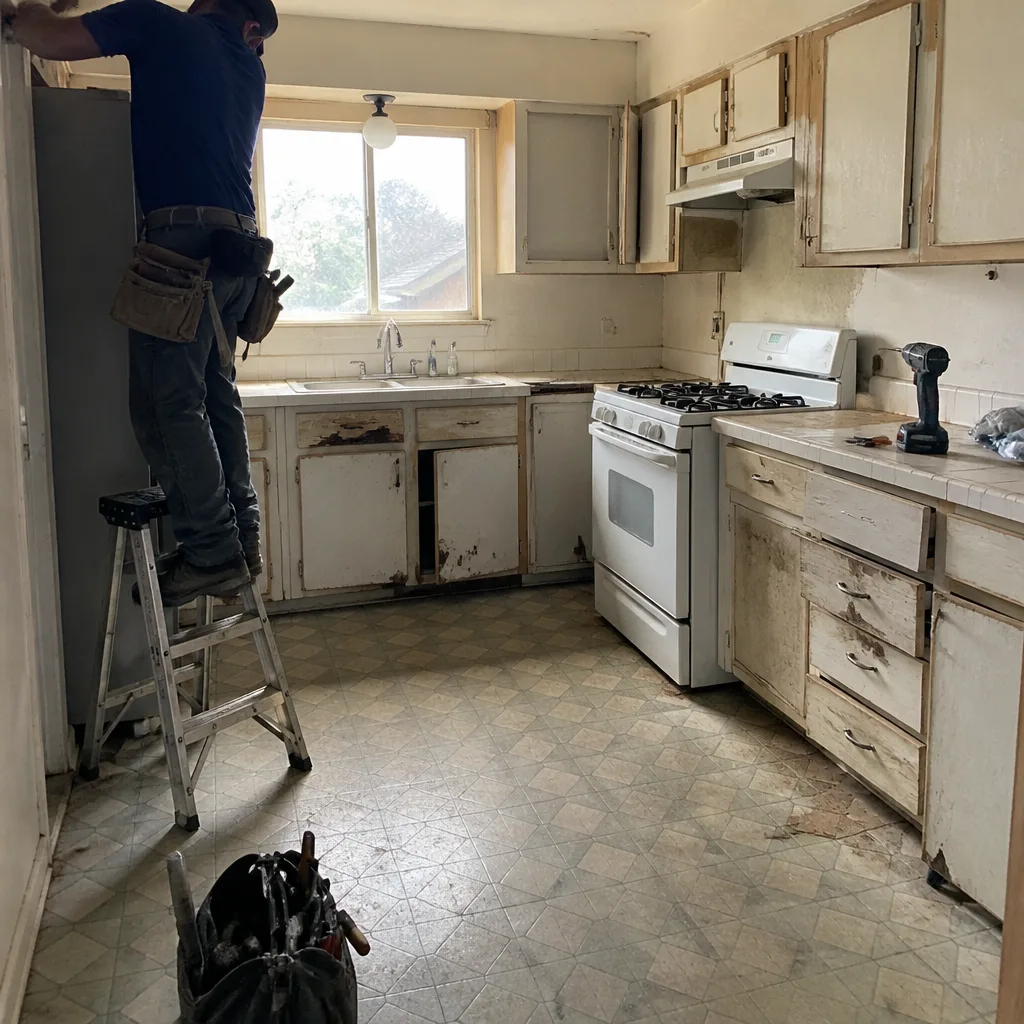 Before
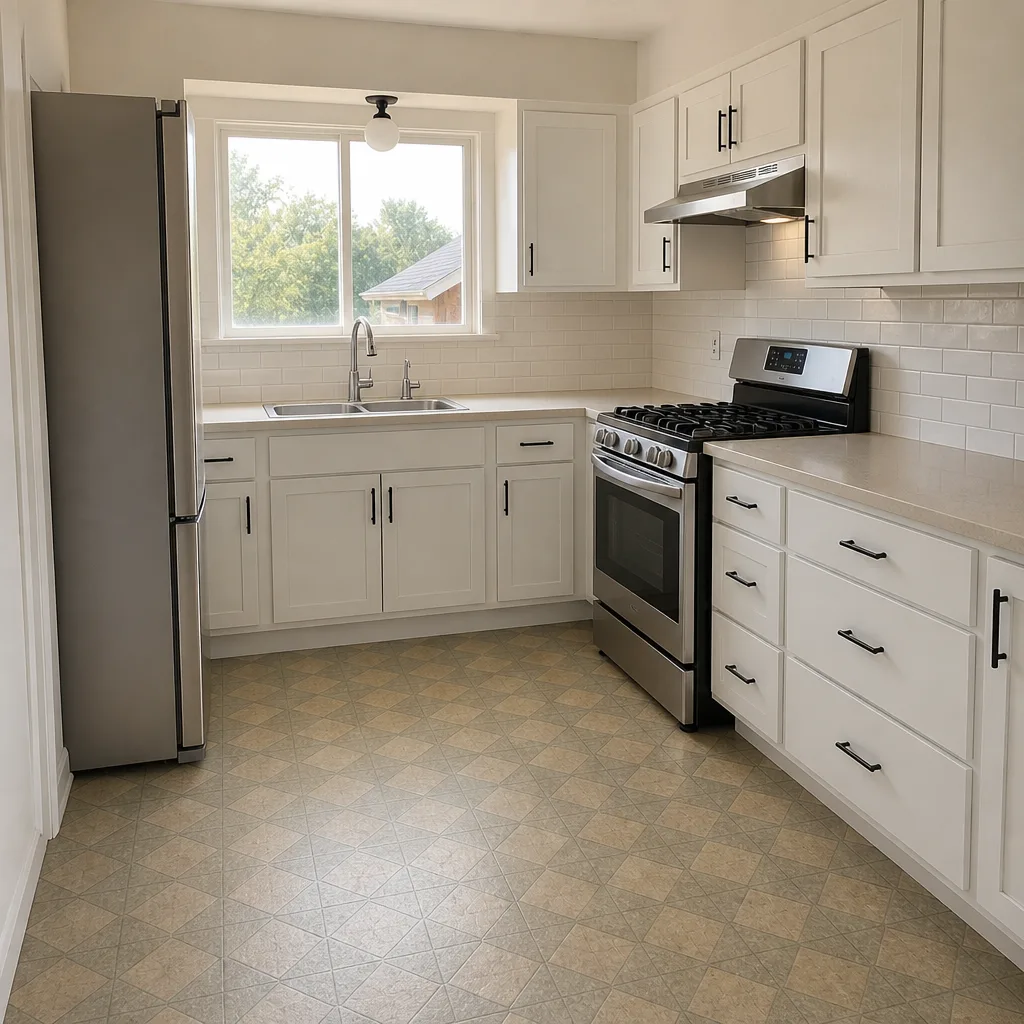 After
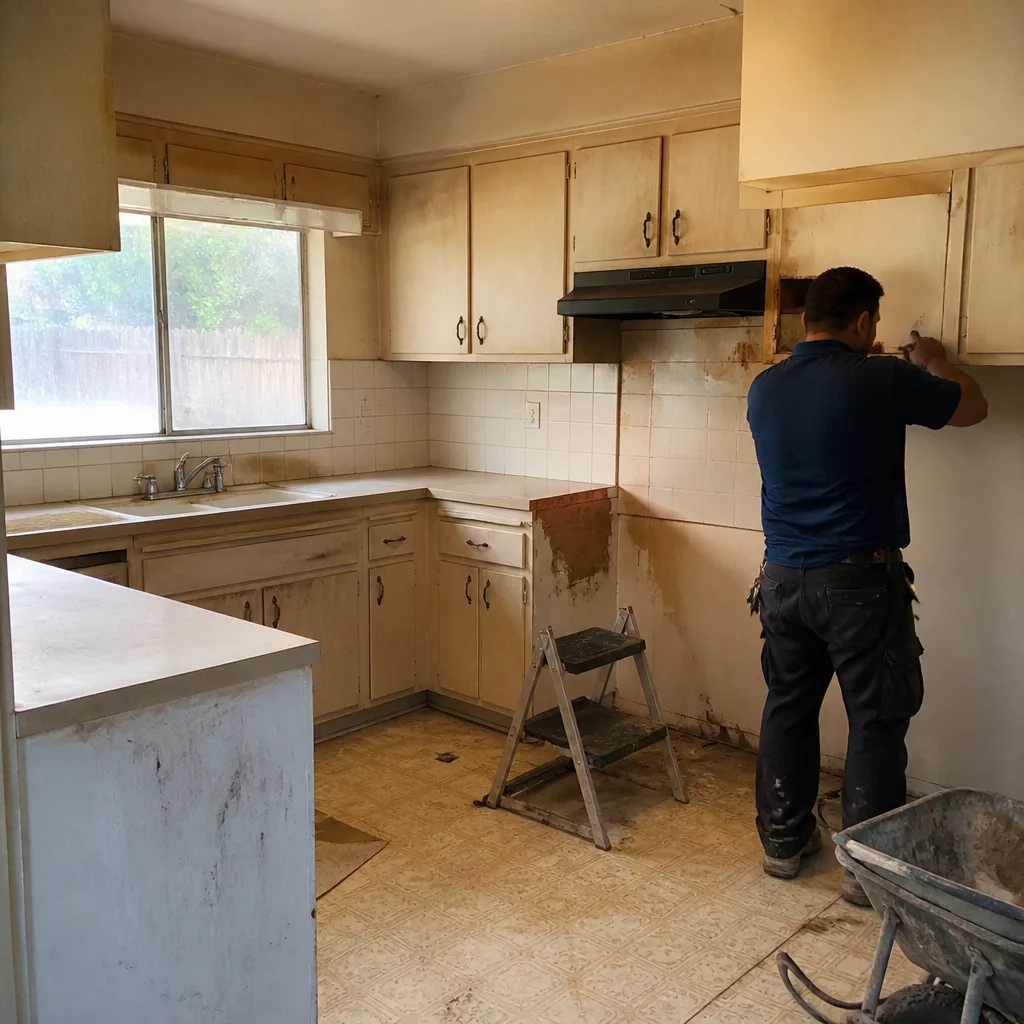 Before
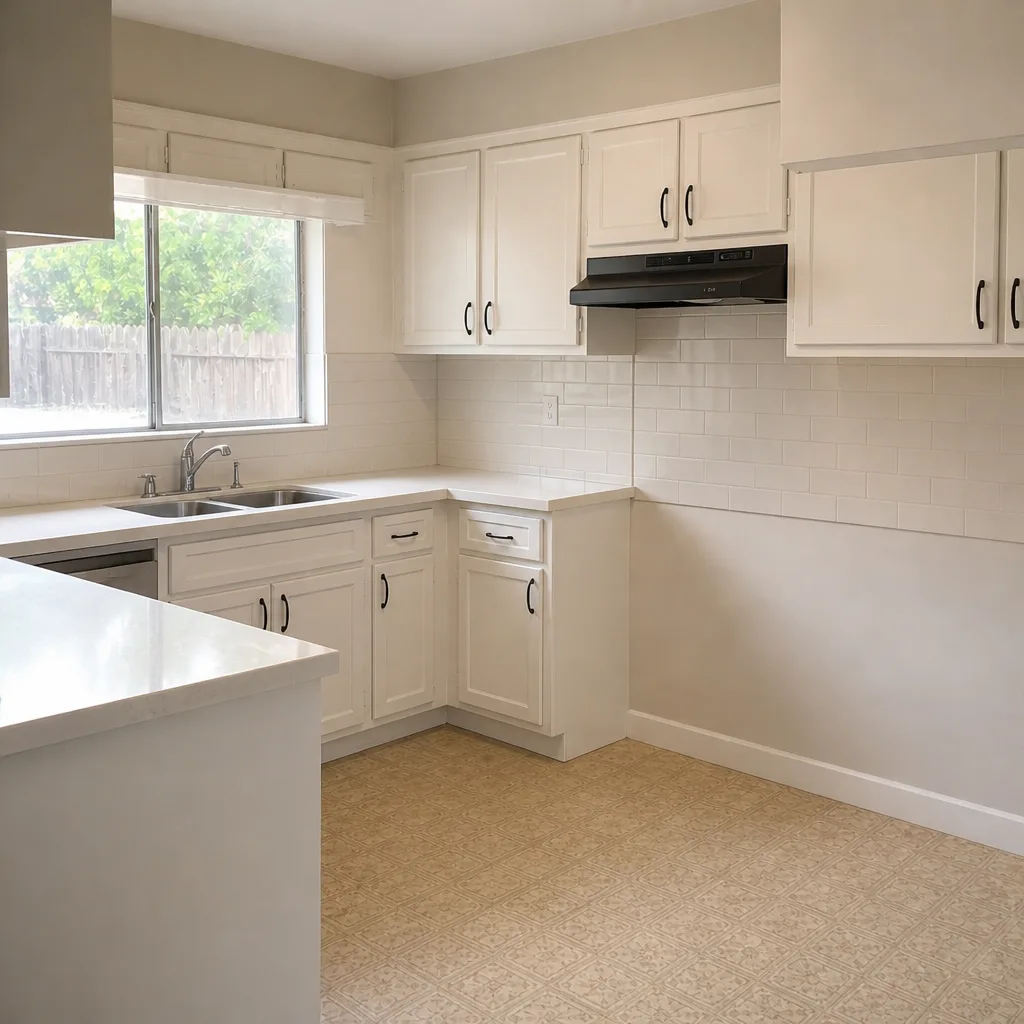 After
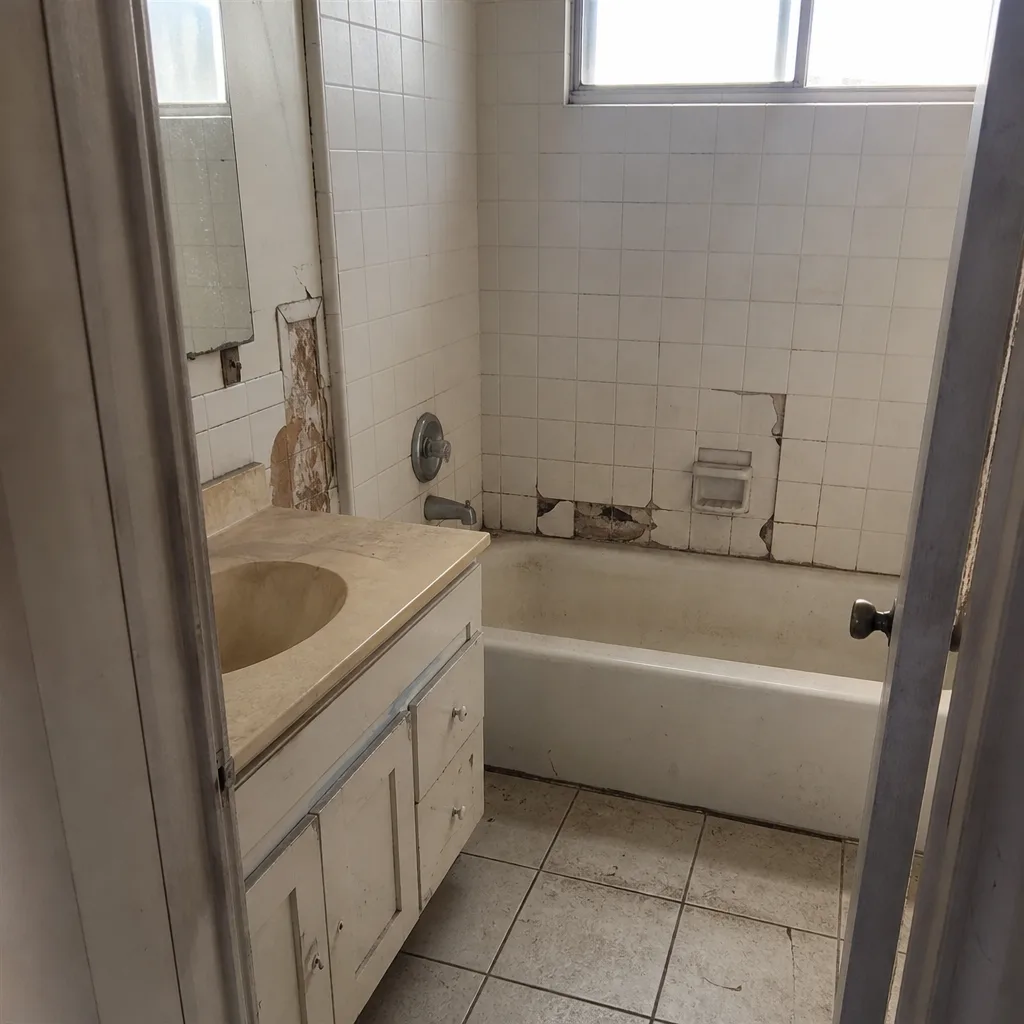 Before
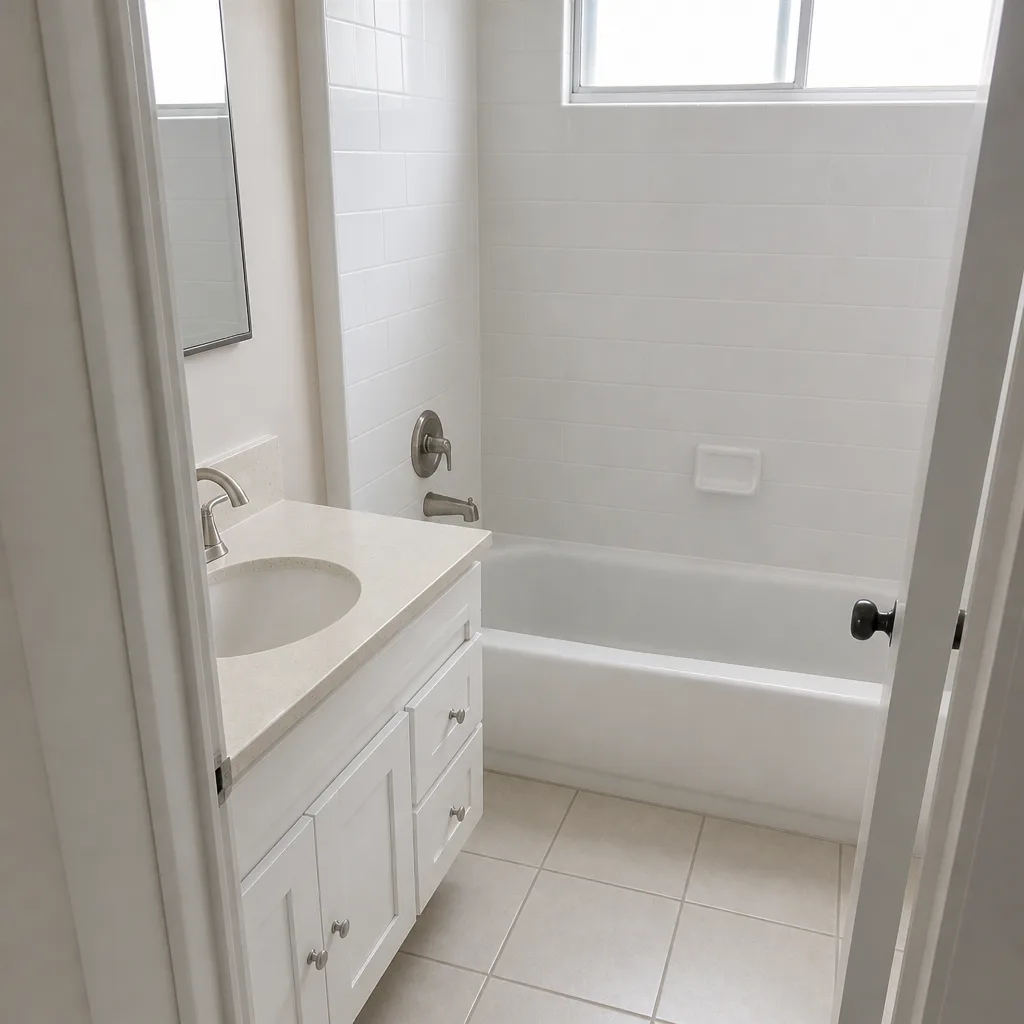 After
When to Call a Professional
Call a professional fence contractor when your property line isn’t obvious, when your HOA has architectural-review requirements, when the fence is over six feet and needs a City of Orange permit, when the ground holds water in the rainy season and footings need to be engineered against it, or when a prior install is leaning and you need to know whether the posts or the footings failed. Removing and resetting posts is a different job than a fresh install, and getting it wrong means starting over. Rowan Construction Group Orange offers free estimates in Orange – call (844) 320-7508. The quote is written, the scope is written, and the number doesn’t change because of a phone call.
Frequently Asked Questions
Yes, in most cases. The City of Orange requires a fence permit for structures over three feet in front yards and over six feet elsewhere. A legitimate bid will name the permit, the fee, and who pulls it. Call (844) 320-7508 for an exact quote – estimates are free.
Residential fence installation in Orange typically runs between $35 and $75 per linear foot for wood privacy fencing, and $55 to $110 per linear foot for ornamental steel or composite, depending on material, height, and gate count. A 100-foot privacy fence with one gate usually lands in the $4,500 to $7,500 range once permit and haul-away are included. Call (844) 320-7508 for a written line-item quote.
Not without a signed change order. Any modification to the scope – extra gates, taller posts, swapped hardware – should be written and signed before it’s built. If your contractor doesn’t have a change-order process, the price is a suggestion. Call (844) 320-7508 to schedule your free estimate.
Ask them to list the permit as a line item on the written bid, with the fee stated. If it’s not on the page, it’s not being pulled by them. You can verify the permit yourself through the City of Orange building department once the application is filed.
A 100- to 150-foot residential privacy fence usually takes two to four working days once materials are on site and the permit is issued – permit lead times in Orange vary from a few days to a couple of weeks depending on the season. Call (844) 320-7508 for a written timeline with your estimate.
A written scope, the post gauge and board grade, concrete bag count per post, footing depth, permit responsibility, payment milestones, the change-order process, the license number, and a workmanship warranty. If any of those are missing, the bid isn’t ready to sign. Call (844) 320-7508 for a bid you can audit line by line.
The Bottom Line
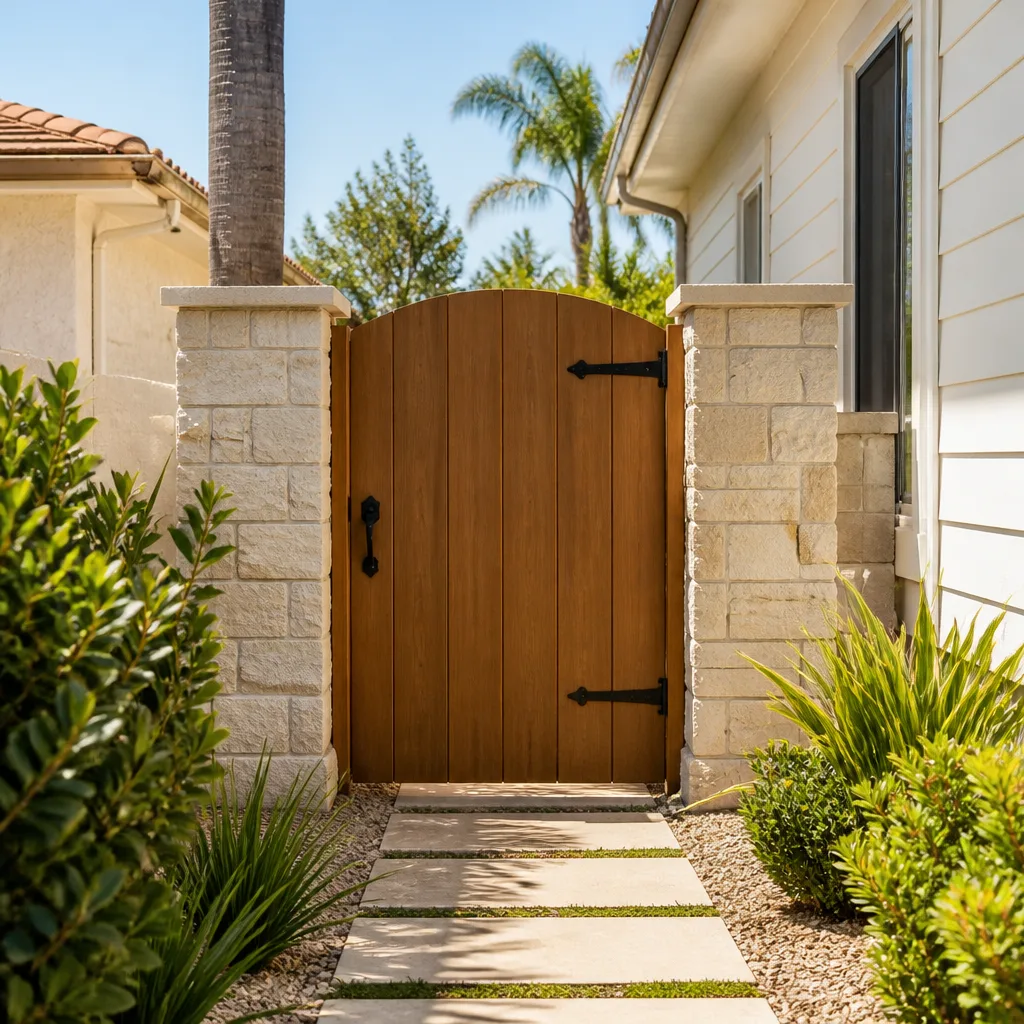
The warning signs in a fence installation show up before the first shovel, and they’re always in the paperwork. Permit language, material specs, footing depth, payment terms under the 10% or $1,000 California ceiling, a written change-order process, and a crew you can verify – those six pages tell you whether the fence gets built right, and whether you’re still covered when the ground shifts. Bring us any written estimate and we’ll review it line by line for free as a second opinion. Every quote from Rowan Construction Group Orange is a flat written price, with a documented photo record on every visit and the 365-Day Done Right Promise printed on the page. Call (844) 320-7508 for a free estimate.
Written by the team at Rowan Construction Group Orange.