





Free written scope consultation - allowances, timeline, and change-order rules on paper before a single trade is scheduled
Styles & brands we work with
- Kitchen remodeling
- Bathroom remodeling
- Home additions & ADU
- Roofing
- Windows & doors
- Driveway & pavers
- Fence
See the difference
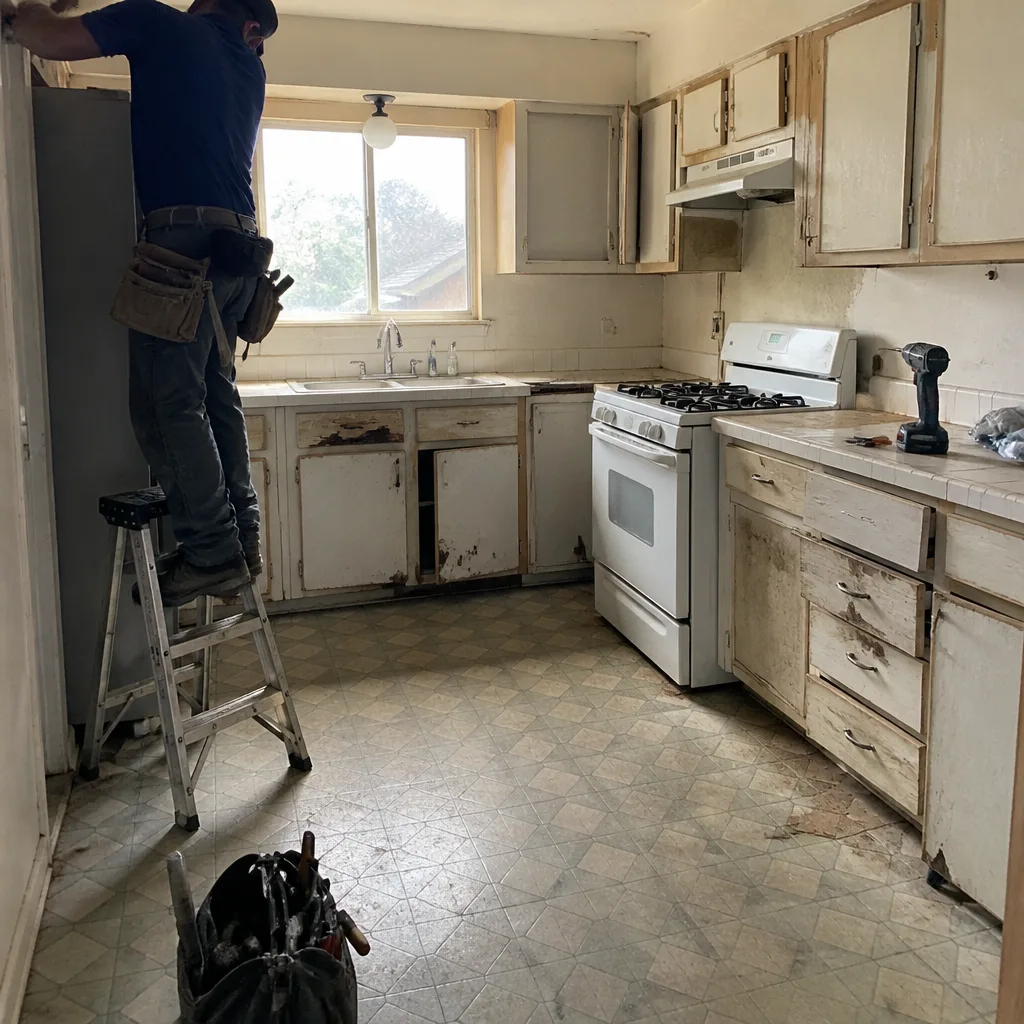 Before
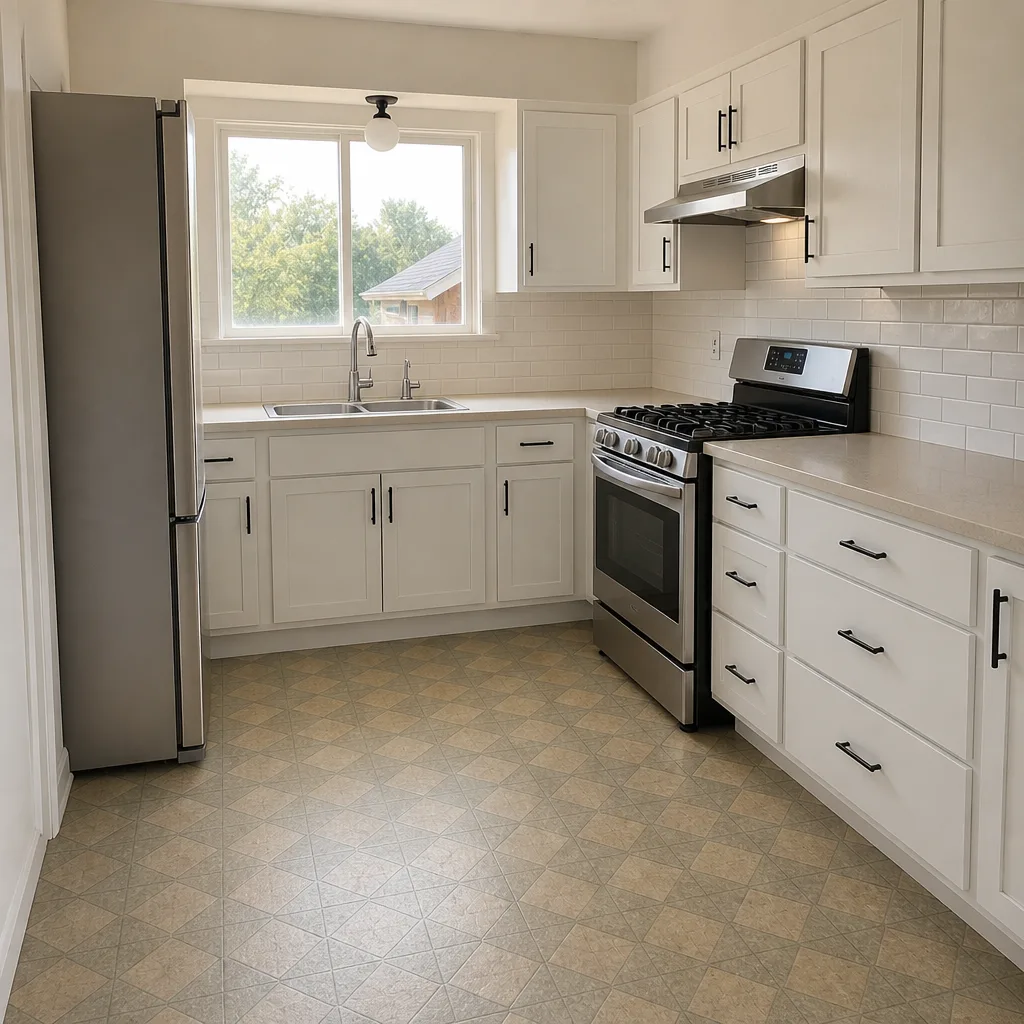 After
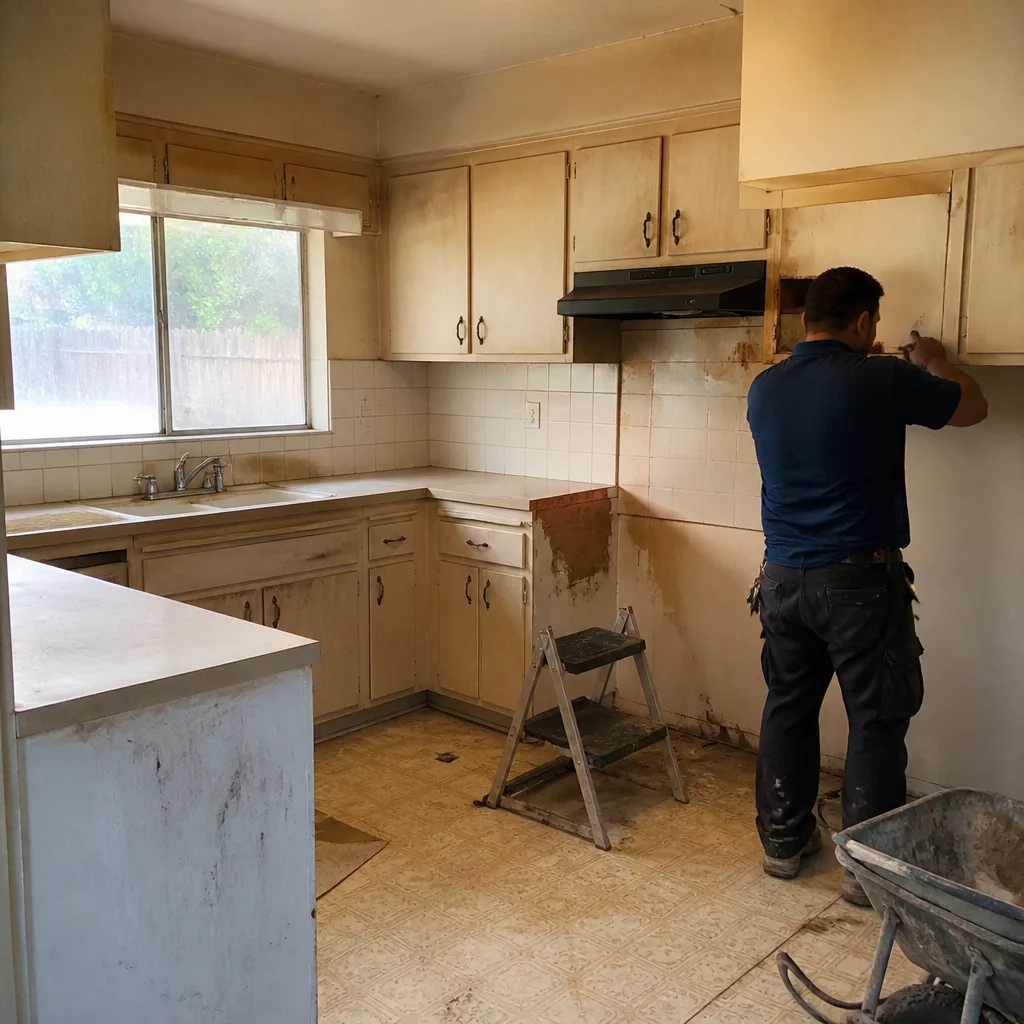 Before
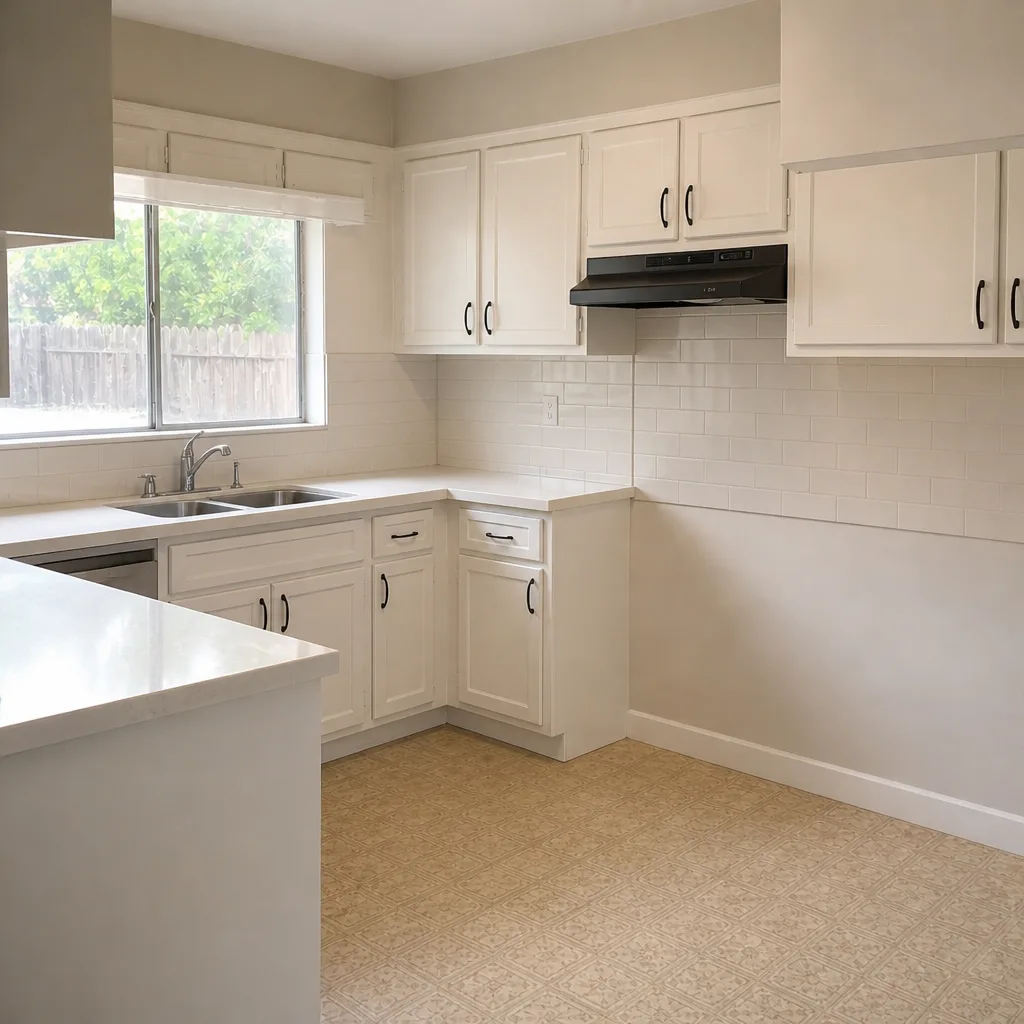 After
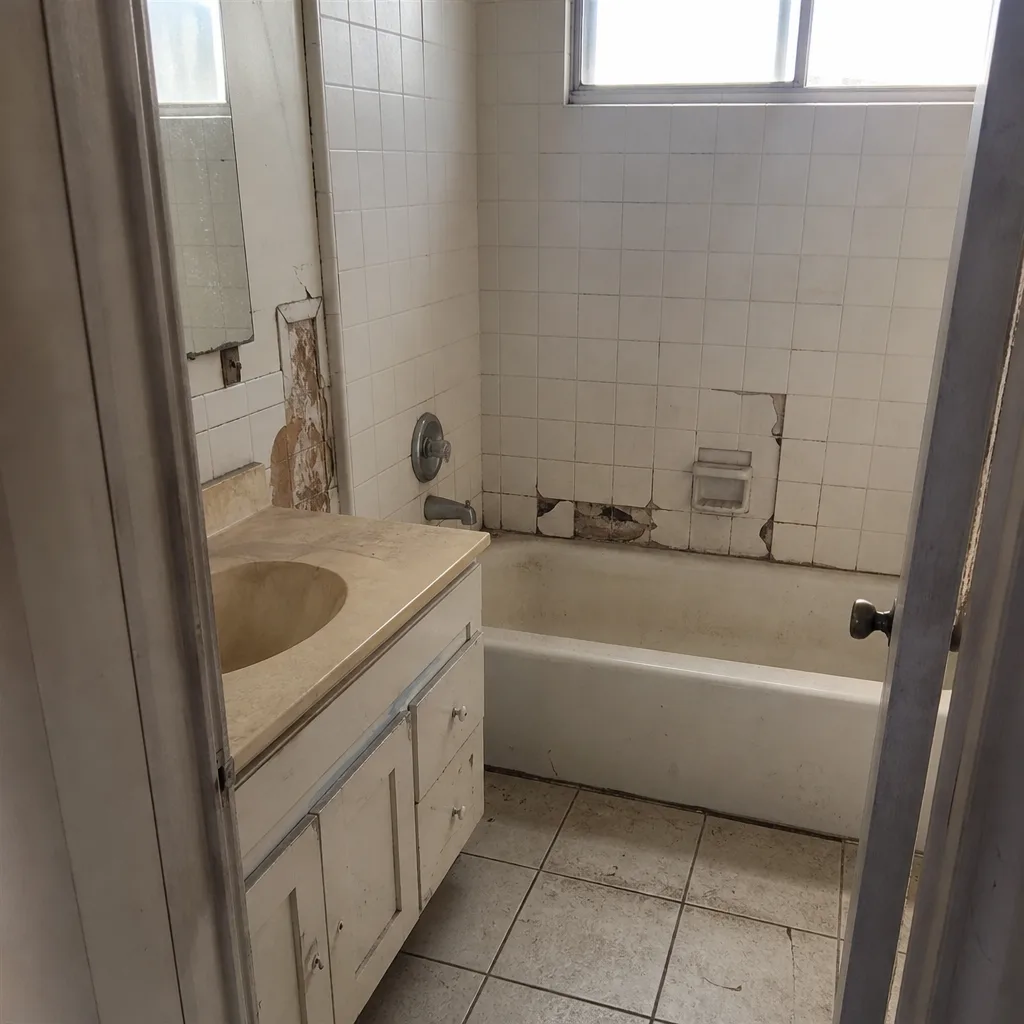 Before
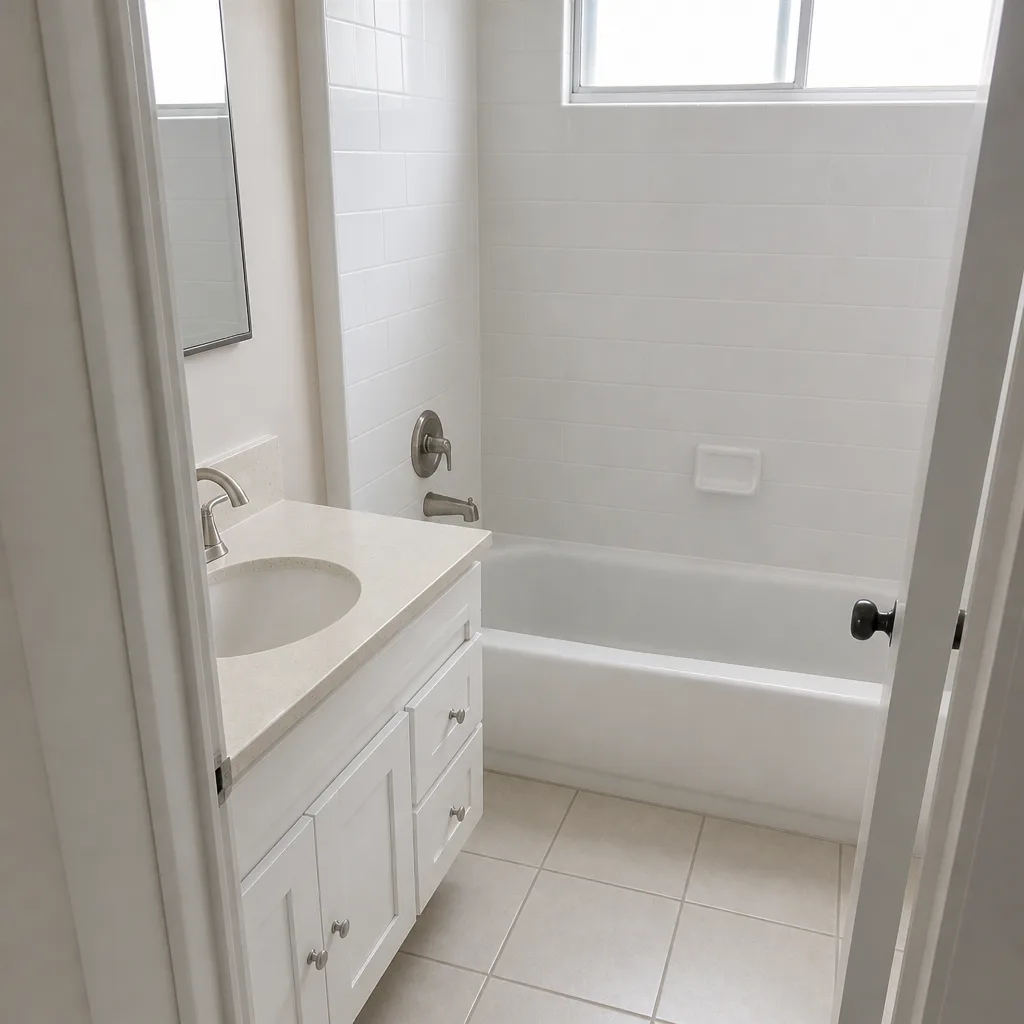 After
General Contractor vs Handyman in Orange, CA: Which One Do You Actually Need?
Choose a licensed general contractor for anything structural, electrical, plumbing, or over $500 in combined labor and materials - and choose a handyman only for small, non-permitted fixes like patching drywall, hanging a door, or replacing a faucet cartridge. Under California Business and Professions Code Section 7048, an unlicensed handyman can legally take on jobs only under that $500 line. Cross it and the work is illegal, even if the result looks fine - and the homeowner who hired them carries part of the exposure. If you’re unsure which side of the line your project sits on, call (844) 320-7508 and we’ll tell you straight, with no charge for the answer.
The reason this matters more in Orange than a lot of people expect comes down to the housing stock. Old Towne Orange holds one of the county’s largest concentrations of pre-1920 Craftsman and Victorian homes, and a century of DIY and unpermitted additions has left a lot of those properties carrying undocumented work in the walls. The rest of the city is mostly 1950s-70s tract housing where mid-century renovations often need new electrical and plumbing anyway. Either way, the paper trail - or the lack of one - is what surfaces at resale.
Why the Permit Record Matters More Than the License Tier
The usual comparison stops at “a general contractor has a license and a handyman doesn’t.” Useful, but not the part that costs Orange homeowners real money. The part that costs money is what happens at escrow. A 1962 tract home sold in 2023 on the east side of town, and the buyer’s inspector caught a bathroom addition the seller had done ten years earlier without permits. The original job ran about $6,200. The remediation requirement in escrow came in at roughly $14,000 - the current owner had to correct work someone else did a decade prior, at their expense, before the sale could close.
That is the whole argument in two numbers. A handyman keeps the first number low. A general contractor keeps the second number from ever existing. When permits are pulled, the job gets inspected, the inspection gets recorded with the city, and the finished work is documented in a way a future buyer’s title company can find and verify. Unpermitted work leaves no such record - which is exactly why a bank or buyer’s attorney treats it as an encumbrance.
In Old Towne proper, the stakes run one layer deeper. The historic district triggers design review for visible details - window profiles, exterior materials, even paint schemes in some cases - so a material choice that’s routine in a neighboring city might get rejected unless it matches the neighborhood’s period character. A licensed general contractor knows how to route plans through that review. A handyman can’t pull the permit that would start the process. Routinely, that gap is how unpermitted additions happen in Old Towne in the first place.
Side by Side: What Each One Can Legally Do in Orange
Here is the practical breakdown, with the licensing language spelled out. A general contractor operating on an active California Class B license can self-perform most structural work and directly subcontract the specialty trades. A handyman, by contrast, cannot legally pull permits at all above that $500 threshold. The trades that matter most in a mid-century Orange remodel are the ones a handyman cannot touch.
| Work type | Licensed general contractor | Handyman |
|---|---|---|
| Load-bearing walls, additions, ADUs | Yes, with permits and engineering | No |
| Electrical (C-10 trade) | Yes, directly or via licensed subcontractor | No above $500 in combined labor + materials |
| Plumbing (C-36 trade) | Yes, directly or via licensed subcontractor | No above $500 |
| HVAC (C-20 trade) | Yes, directly or via licensed subcontractor | No above $500 |
| Permitted bathroom or kitchen remodel | Yes | No |
| Drywall patch, faucet swap, door hang, caulking | Yes (usually overkill) | Yes |
| Workmanship guarantee enforced by a license body | Yes, backed by the CSLB | No |
That last row is the one most homeowners skim past. A handyman can promise a one-year guarantee in a text message. But there’s no state licensing board standing behind that promise, so if they disappear, you have a written text and not much else. A licensed contractor’s guarantee is enforceable through the Contractors State License Board - the CSLB can suspend, fine, or revoke a license for non-performance. That enforcement backstop is what makes Rowan Construction Group Orange’s 365-Day Done Right Promise more than a slogan: if we don’t do it right, we make it right, and there’s a licensing body on the other end of that commitment.
What the Documentation Looks Like When a Licensed Contractor Runs the Job
Pricing transparency is the first thing people see. Under the first clause of The Haven Standard - the discipline Rowan has operated under since 2007 - every project gets a written price and a written scope before anyone picks up a tool. No “call for a quote.” No verbal estimates that shift after demolition. Kitchen and bathroom remodels, additions, roofing, windows, fencing, driveways: the number is on paper, in dollars, before the crew does anything.
The documentary record goes past the quote, though. Every visit - whether it’s the first measure or the final walkthrough - includes photos of what we found and what we did, provided as a standard deliverable. That record matters later if a permit inspector wants to see the sequence of a wall opening or a future buyer’s inspector questions how a beam was tied in. It’s also why we run background-checked, uniformed technicians and answer the phone with a live person around the clock - not because it’s the marketing story, but because a company structured for accountability behaves differently when a problem shows up at 8 p.m. the night before inspection.
Here are the current Orange price ranges for the work that most often trips over that $500 handyman line:
- Bathroom remodel in Orange: $9,000-$28,000 (small bath $5,000-$12,000)
- Walk-in shower installation: $4,500-$12,000
- Tub-to-shower conversion: $3,500-$10,000
- Kitchen remodel: $14,000-$45,000 (small kitchen $9,000-$20,000)
- Cabinet installation: $4,000-$13,000
- Home addition: $45,000-$130,000
- ADU construction: $90,000-$220,000
- Garage conversion: $30,000-$80,000
- Roof replacement: $8,000-$20,000 (repairs $400-$1,800)
Material choices move those numbers. On a roof, we work in IKO, Atlas, and Tamko shingle lines; the difference between the base shingle and the architectural grade is typically a few hundred dollars on a 2,000-square-foot roof, and it changes the wind rating. Santa Ana wind events that hit Orange in fall and winter are exactly when that rating earns its keep. If you’re considering a paver installation for an Old Towne driveway, small lots with tight staging access will push sequencing and cost in ways an open lot twelve miles out won’t.
One offer worth knowing about: a free second opinion on any written estimate. Bring the handyman’s quote or another contractor’s bid and we’ll review it line by line, no charge. If the number looks honest and the scope covers what it needs to, we’ll say so.
FAQs About Hiring in Orange
Yes, if the project involves moving plumbing, adding electrical, or the cost exceeds $500 in combined labor and materials - which nearly every bathroom remodel does. A licensed general contractor pulls permits, arranges inspection, and provides a workmanship warranty enforced through the Contractors State License Board. A handyman cannot legally pull those permits. For a bathroom remodel in Orange, the permit record is what protects you at resale.
Typically two to three times the original job’s price, because the correction involves opening walls to inspect, retrofitting to current code, and then obtaining a permit for work that was supposed to have one. The 1962 tract-home example we mentioned earlier - $6,200 original, $14,000 corrected - is representative. Escrow doesn’t wait; the seller covers the remediation before closing.
No. A waiver doesn’t change what California Business and Professions Code Section 7048 permits, and it doesn’t shield the homeowner if the work later causes a safety issue or a resale problem. The contract’s illegality sits with both parties. If a handyman offers to “skip the permit to save you money,” that’s the moment to call a licensed contractor instead.
Verify the license on the CSLB’s public lookup at cslb.ca.gov using the license number the contractor provides in writing. Ask for the number before you sign anything. A licensed contractor provides it without hesitation; an unlicensed one deflects. For any job over $500 in Orange, this check is the cheapest insurance you can run.
What We’d Recommend If You’re Weighing Both
If your project is a faucet, a patch, a rehang - a handyman is the honest answer. If it needs a permit, touches electrical, plumbing, HVAC, structure, or crosses $500 in materials and labor combined, it’s a licensed general contractor job, and that’s not a sales line, it’s a legal threshold. Rowan Construction Group Orange works across seven residential trades and fifty-plus vetted material brands - KraftMaid and Wellborn cabinets, Cambria and Caesarstone counters, GAF and Owens Corning roofing, Belgard and Techo-Bloc pavers - which lets us quote honest numbers instead of inflated ones. Our technicians have up to 19 years of experience and are background-checked and uniformed.
If you’d rather have it looked at, Rowan Construction Group Orange offers a no-pressure assessment in Orange - call (844) 320-7508 for a free estimate, and we’ll put the price in writing before anyone starts.
Written by the team at Rowan Construction Group Orange, serving Orange, CA.