
Free written scope consultation - allowances, timeline, and change-order rules on paper before a single trade is scheduled
Styles & brands we work with
- Kitchen remodeling
- Bathroom remodeling
- Home additions & ADU
- Roofing
- Windows & doors
- Driveway & pavers
- Fence
See the difference
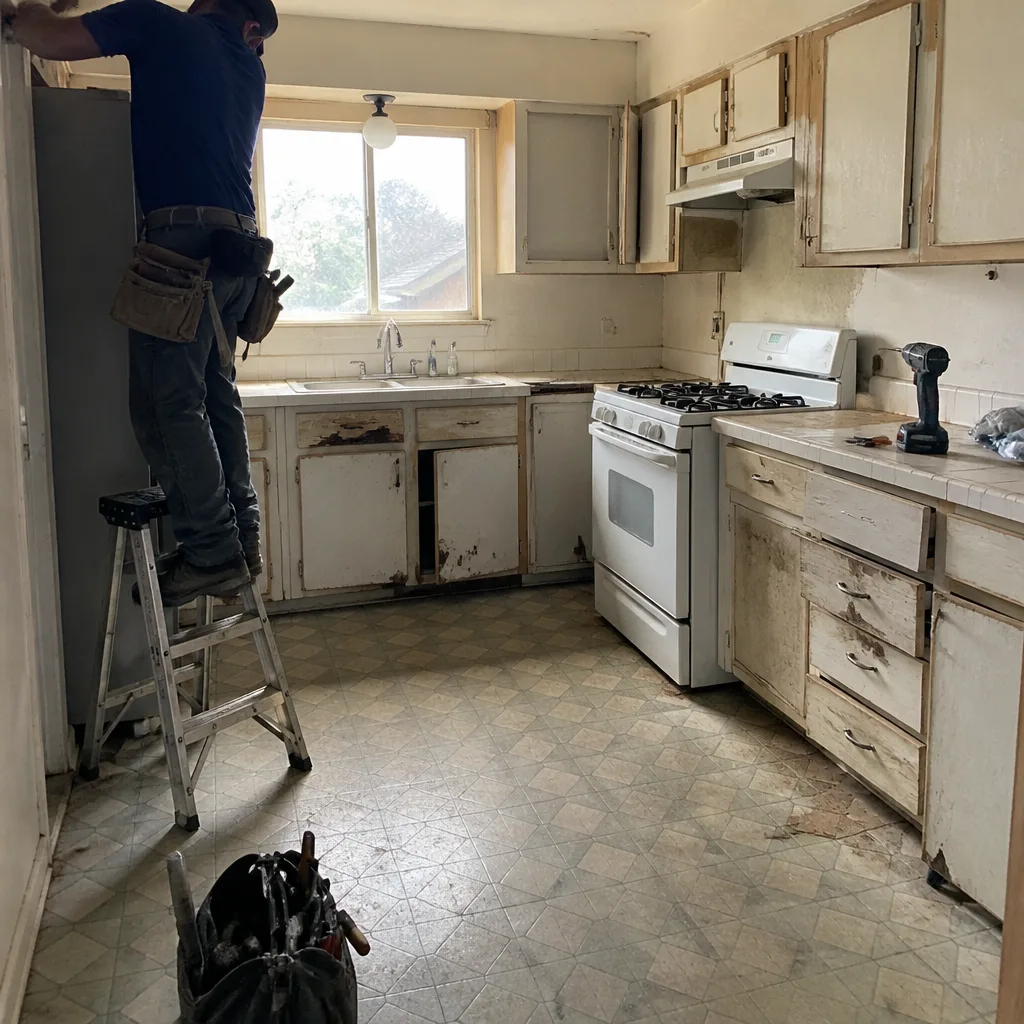 Before
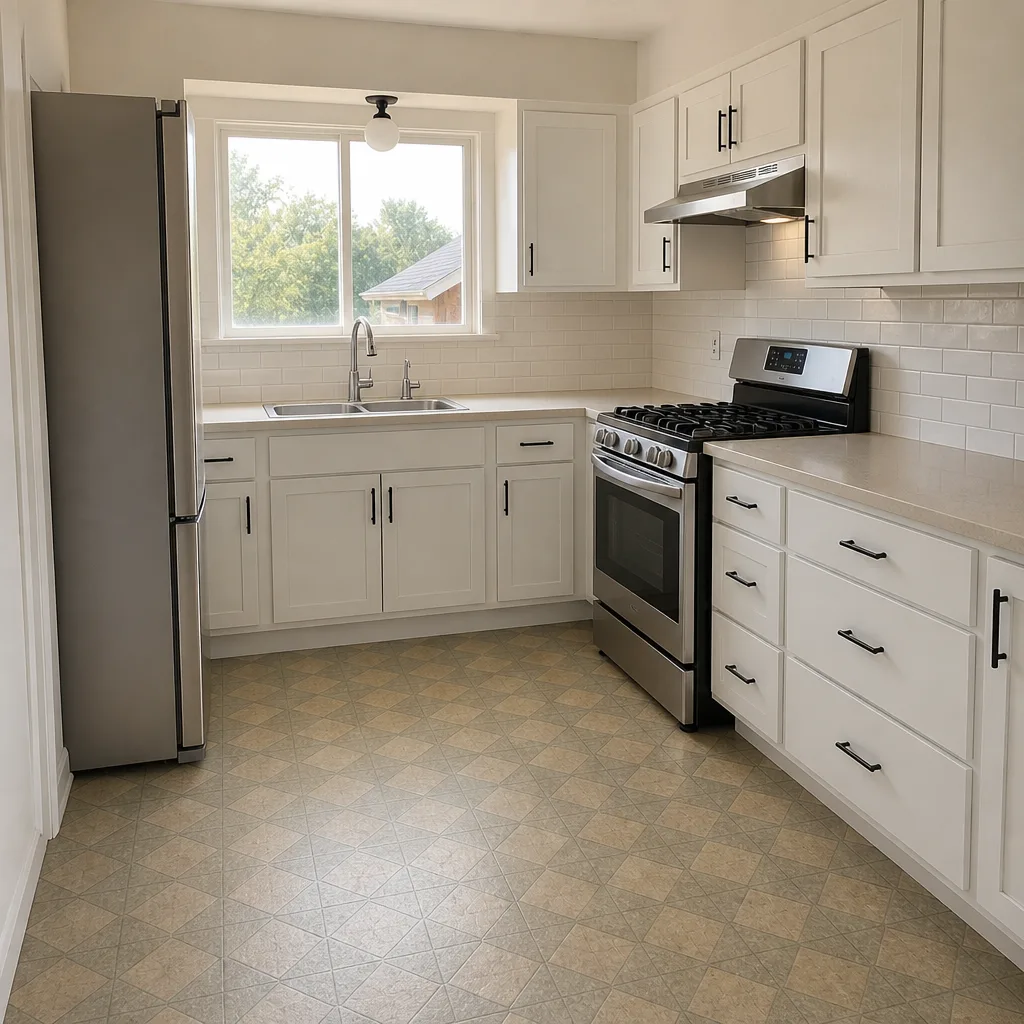 After
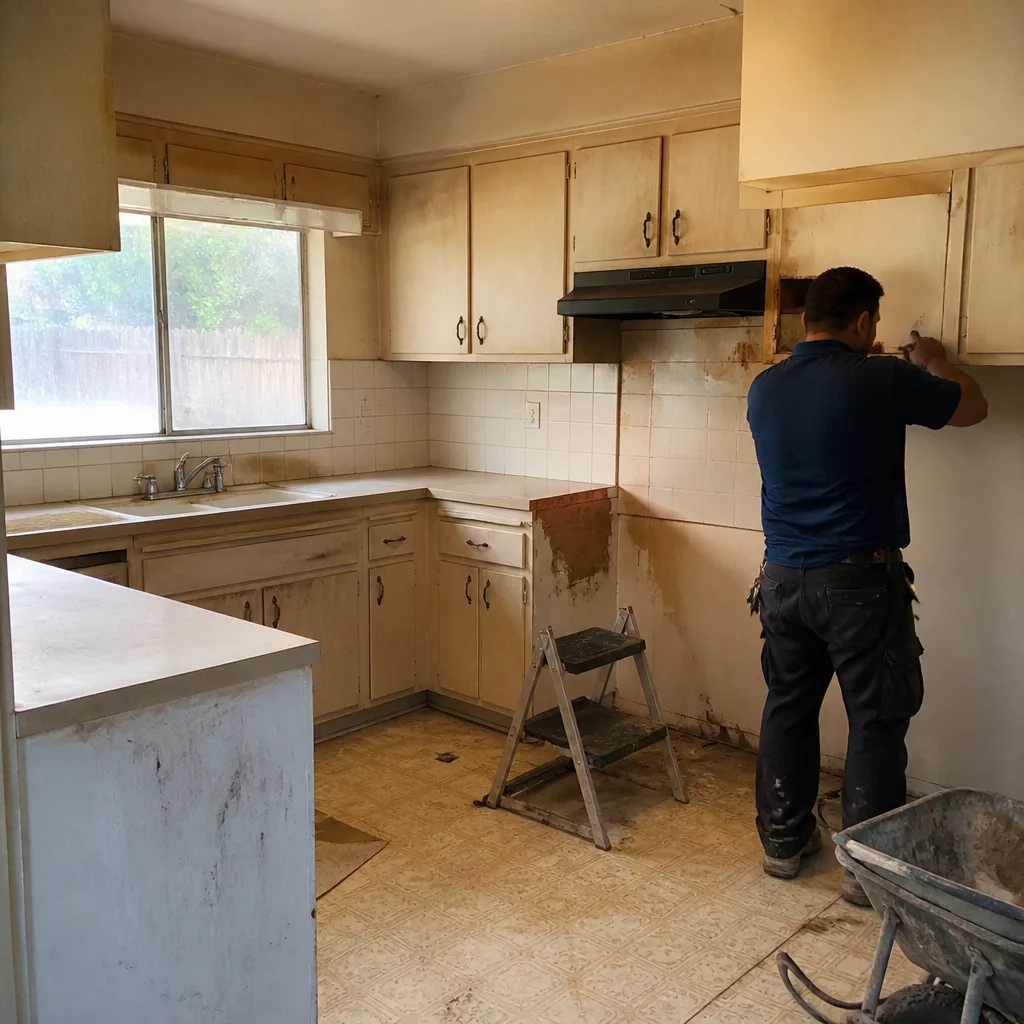 Before
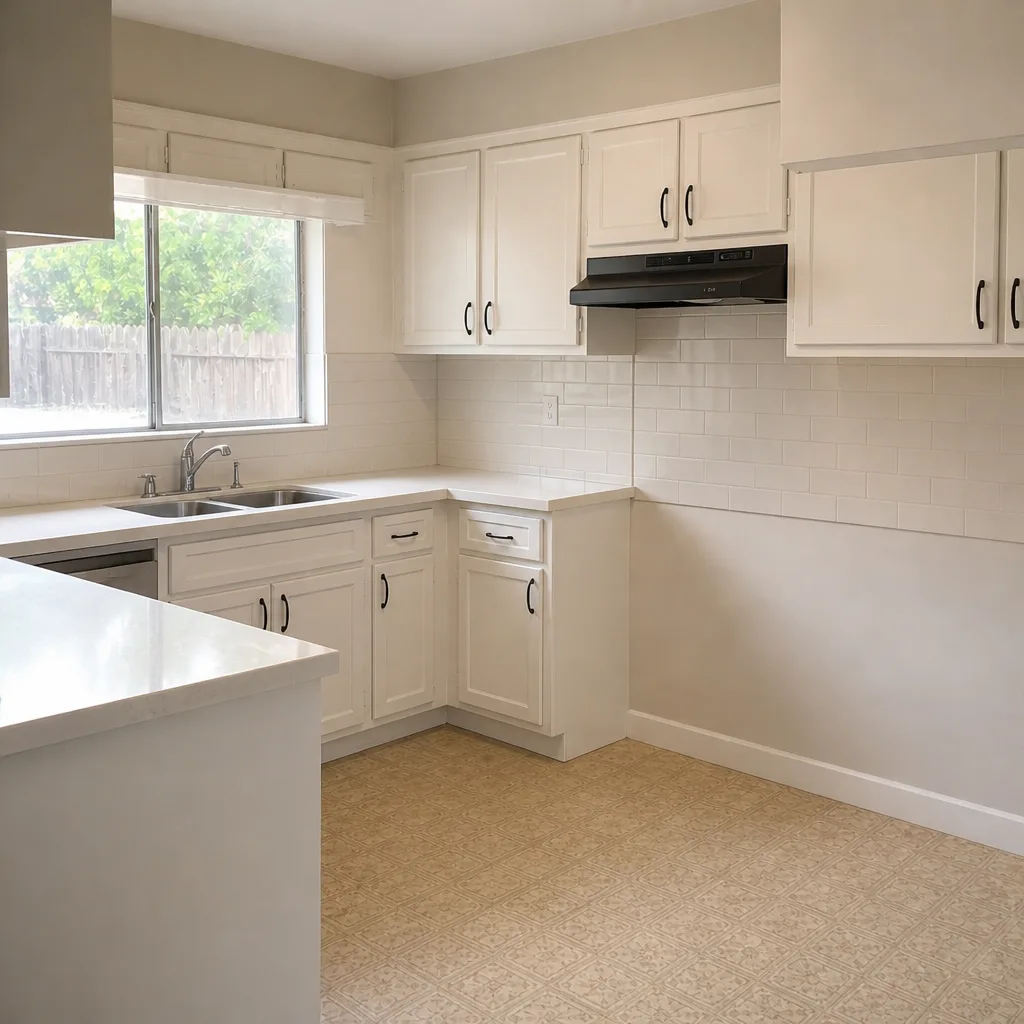 After
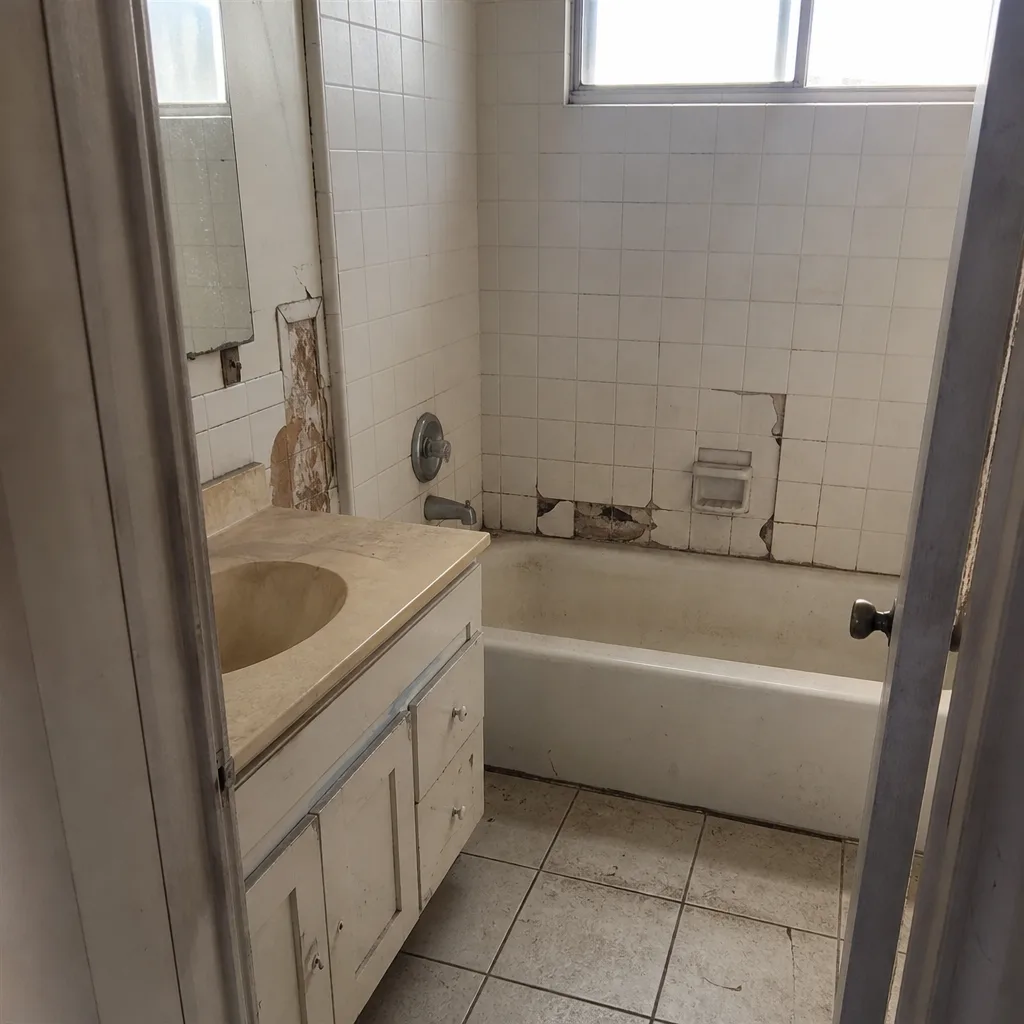 Before
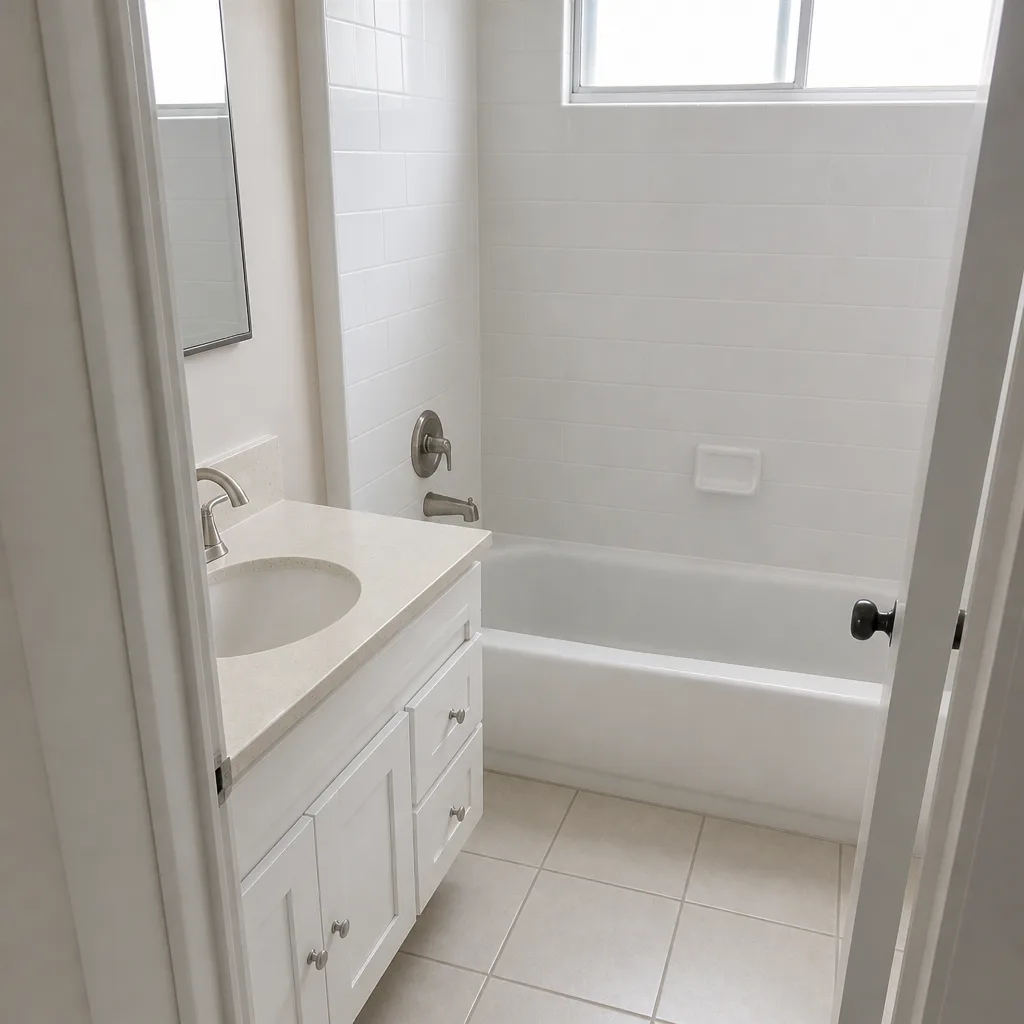 After
What Is the First Step in a Kitchen Remodel in Orange, CA?
The first step in a kitchen remodel is determining whether your scope requires a permit from the City of Orange. That single answer sets your budget range, your timeline, which contractors are qualified to take the job, and what the finished kitchen is legally worth at resale. In Orange, a full kitchen remodel typically runs $14,000-$45,000, and the permit question is what decides whether your number lands near the bottom or the top of that spread. If you want that determination made before you spend anything on design, call Rowan Construction Group Orange at (844) 320-7508 for a written assessment.
Most homeowners begin by scrolling cabinet photos. That’s the wrong order. Pick the cabinet line before you know whether the wall behind it can carry a new circuit, and you’ve chosen a finish for a room that isn’t ready for one yet. Orange makes this sharper than most cities. Old Towne Orange holds one of the last real historic cores in Orange County, packed with pre-1920 Craftsman and Victorian homes, and a kitchen remodel there can trip a design review path that has to start before a permit is even submitted. We’ll get to that.
Key Takeaways
- Permit determination comes before design selection, not after demo.
- Electrical, gas, plumbing rough-in, structural, and envelope changes trigger permits in Orange; paint, flooring, refacing, and in-place countertops usually don’t.
- A written conditions assessment (circuit capacity, pipe material, framing type) belongs before you pick a style.
- Old Towne properties may need historic-district review initiated first.
- A legitimate written price names the brands, the permit line item, and the change-order triggers before you sign.
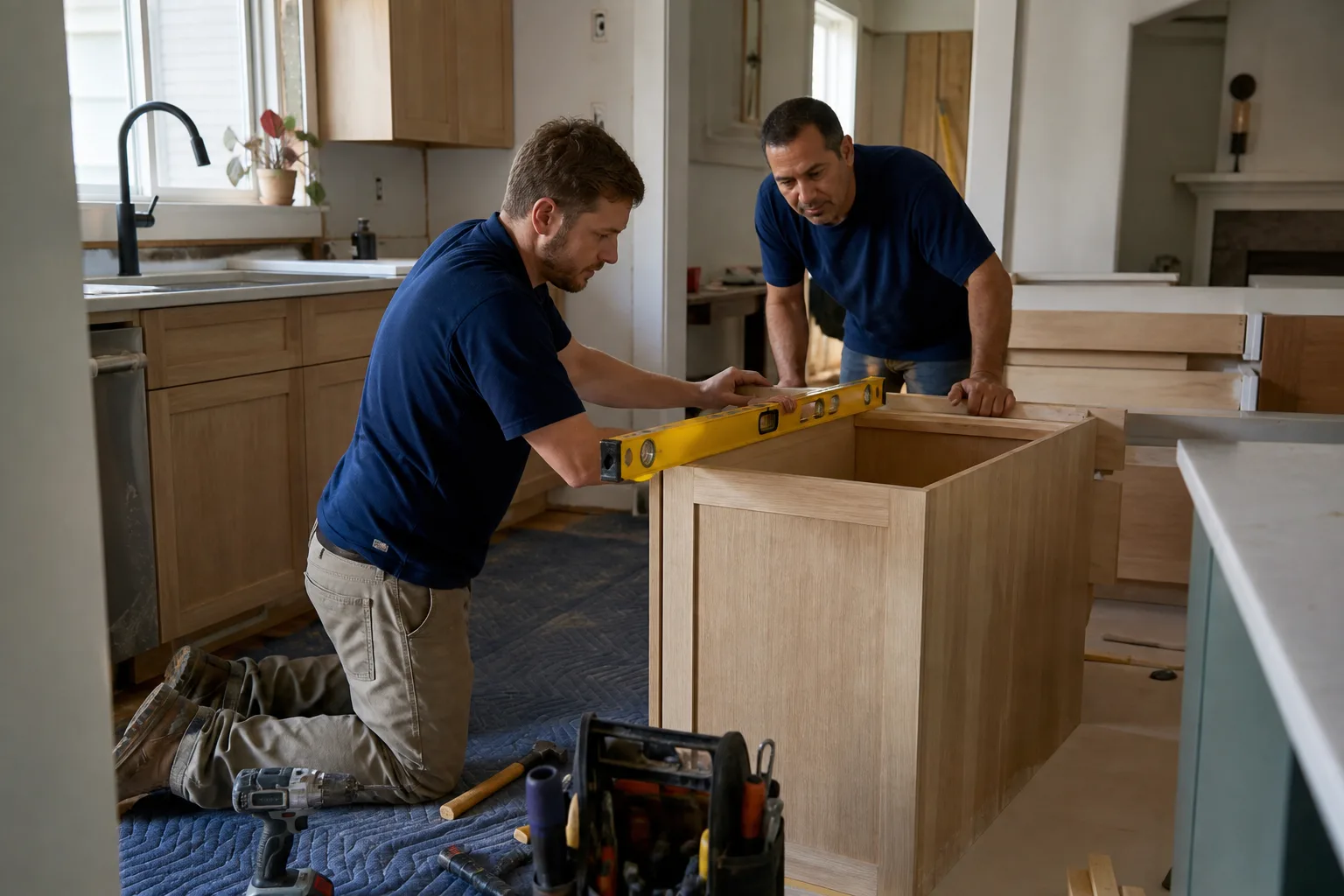
Which Kitchen Scopes Require a Permit in Orange?
New electrical circuits and panel upgrades, gas appliance relocations, plumbing rough-in changes, structural wall removal, and any change to the building envelope all require a permit in Orange. Cosmetic work such as paint, flooring, cabinet refacing, and countertop replacement in the same footprint typically does not. The line between those two lists is where your project’s real cost lives.
A permit-pulling scope usually means inspections at rough-in and final, an expanded timeline, and a contractor who is set up to pull and manage permits. A cosmetic scope can proceed faster with less paperwork. Neither is automatically better; they’re different jobs with different realities. What’s not acceptable is a contractor who discovers mid-demo that a permit was needed all along, because by then your wall is open and the schedule resets.
The Documentation Step That Belongs Before Design
Before you pick a style, you need a written assessment of what’s actually in the room: circuit capacity and panel headroom, the location and condition of supply and drain lines, the wall framing type, and, in older homes, whether knob-and-tube wiring or galvanized supply pipe is still present. Those findings change the remodel’s cost before any design choice is made. In Old Towne, knob-and-tube wiring and galvanized pipe turn up regularly, and either one can shift your scope from “refresh” to “rewire and repipe” on day one.
This is why Rowan’s first-step process is a documented site assessment that produces a written price before any commitment. The permit determination is made as part of that assessment, not discovered after demo. Under Clause 1 of the Haven Standard, the price is written before anyone starts, on every trade from Kitchen Remodeling through additions. If you’d rather compare first, we offer a free second opinion on any written estimate you bring us, reviewed line by line at no charge.
Why Orange’s Housing Stock Changes the First Step
Orange is split between an Old Towne core of tightly packed pre-1920 homes and a wider field of 1950s-70s tract housing with newer infill, and the first step looks different on each side of that line. On an Old Towne lot, tight access and limited staging shape how a remodel gets sequenced, so the assessment has to account for where materials land and how crews move. In the mid-century tract homes, the common finding is an undersized panel or a 1950s-era circuit layout that won’t safely carry a modern kitchen’s appliance load.
Old Towne Orange Specifically
For any kitchen remodel that’s part of a project affecting exterior appearance, the first step includes confirming whether the property is a contributing structure in the Old Towne Orange Historic District. That determination triggers a design review path that must be initiated before permit submission, and the review can dictate visible details like window profiles and exterior materials. A material choice that’s routine in Irvine or Tustin may get rejected in Old Towne unless it matches the neighborhood’s period character. Knowing which path your property is on is the difference between a smooth approval and a stopped job.
The climate adds a wrinkle too. Orange sits in a semi-arid Southern California climate with hot, dry Santa Ana wind events in fall and winter, so projects here can run near year-round without the seasonal shutdowns of colder regions, but exterior-facing details on additions and window replacements get chosen with ember resistance in mind. That’s a consideration we raise at assessment, not after material orders are placed.

What a Legitimate Written Scope and Price Look Like
A legitimate written scope and price names the materials, lists the permit line item, and identifies which conditions could generate a change order, so you understand what’s fixed and what’s conditional before you sign. Anything less is a conversation you can’t hold a contractor to.
- Named materials: the cabinet line (KraftMaid or Wellborn, for example), the countertop series (Caesarstone or Cambria), and the fixtures (Kohler or Toto).
- A permit line item: a real number, not “permits as required.”
- Change-order triggers: the conditions, like hidden knob-and-tube wiring or a failed subfloor, that could legitimately change the total.
- A written warranty and the photo record: both standard, not upgraded.
Here’s what those scopes typically cost in Orange’s market, so you have a number to screenshot and compare:
| Scope | Typical Orange Range |
|---|---|
| Full kitchen remodel | $14,000-$45,000 |
| Small kitchen remodel | $9,000-$20,000 |
| Cabinet installation | $4,000-$13,000 |
| Countertop installation | $2,000-$6,500 |
| Backsplash installation | $800-$2,500 |
| Kitchen island installation | $3,000-$10,000 |
No change proceeds until the change order is signed. That administrative discipline is why projects finish within a few percent of the number the customer agreed to. Under Clause 1, the price is written before anyone starts, and the 365-Day Done Right Promise backs it: if it isn’t done right, Rowan makes it right, with terms on the page rather than an asterisk. Crews are background-checked and uniformed, a live person answers calls around the clock, and every visit includes a documented photo record as a standard deliverable. Our technicians have up to 19 years of experience, and they know how a 1950s panel and an Old Towne Craftsman each want to be handled.
Common Local Scenarios
These are the patterns we see most often when assessments turn up something the homeowner didn’t expect.
- Old Towne Craftsman, cosmetic refresh only: refacing and a new countertop land inside a cosmetic scope, but galvanized supply pipe behind the wall can pull part of the job into permit territory.
- 1950s tract home, appliance upgrade: a double oven and induction cooktop usually need a panel assessment before the appliance order goes in.
- Wall removal for an open plan: structural scope, which means engineering and permit review before demo, not after.
- Corner lot facing the historic core: an exterior door or window change can trigger design review that must begin well before permit submission.
For the full picture of how each trade fits together, see our home page, and for nearby projects our Bathroom Remodeling and Home Additions guides follow the same written-price discipline.
FAQs
You need a permit if your scope touches electrical circuits or the panel, gas appliance locations, plumbing rough-in, structural walls, or the building envelope. Cosmetic work like paint, flooring, refacing, or an in-place countertop swap typically doesn’t require one. Call (844) 320-7508 and we’ll confirm your specific scope in writing.
Get a written conditions assessment first: circuit capacity, pipe material, framing, and whether older wiring or galvanized supply is present. Those findings change the cost before any design is chosen, and in Old Towne they can change whether a historic-district review is required. A no-pressure written assessment from us settles it.
A full kitchen remodel in Orange typically runs $14,000-$45,000, with a small kitchen in the $9,000-$20,000 range and cabinet installation alone at $4,000-$13,000. Your permit scope and existing conditions move you within that range. Call (844) 320-7508 for an exact written quote; estimates are free.
It can if your property is a contributing structure in the Old Towne Orange Historic District and your project affects exterior appearance, because the design review has to be initiated before permit submission. Confirming that status is part of the first-step assessment. Call (844) 320-7508 to have it checked before you commit to a design.
If you’d rather have it looked at, Rowan Construction Group Orange offers a no-pressure assessment in Orange: we confirm your permit scope, assess the existing conditions, and hand you a written price before anyone picks up a tool. Call (844) 320-7508 for a free estimate.
Written by the team at Rowan Construction Group Orange, serving Orange, CA.