Last updated November 18, 2026
Free written scope consultation - allowances, timeline, and change-order rules on paper before a single trade is scheduled
Driveway & Pavers Maintenance Schedule: What to Do and When
The most common paver mistake we see in Orange isn’t neglect. It’s good intentions applied in the wrong month. Specifically, sealing a driveway in October, right before the November-to-March rain season, which traps moisture in the bedding sand and pushes it back out all winter as white mineral staining called efflorescence. A paver driveway here needs four separate actions spread across the year, in a fixed order. This guide lays out the month-by-month schedule built around Orange’s actual rainfall calendar, including sand top-off math, sealer recoat windows for specific products, and what owner-performed maintenance really costs per year.
Quick Answer
A paver driveway in Orange needs four maintenance actions per year: a post-summer inspection in September, joint sand top-off and re-leveling in late fall, a pre-seal window in April and May once soils have dried out, and an edge restraint check every spring and fall. Sealing runs every 3 – 5 years with a penetrating sealer, or every 2 – 3 years with a film-forming one. Sequence matters more than frequency: never seal over wet joints or un-swept sand.
Styles & brands we work with
- Kitchen remodeling
- Bathroom remodeling
- Home additions & ADU
- Roofing
- Windows & doors
- Driveway & pavers
- Fence
Table of Contents
- Why Orange’s Climate Rewrites the Standard Schedule
- The Month-by-Month Paver Calendar for Orange
- The September Post-Summer Inspection
- Joint Sand Top-Off: Depth Loss and Polymeric Sand Math
- Sealer Selection and the April – May Recoat Window
- Annual Edge Restraint Inspection Checklist
- What Paver Maintenance Costs Per Year in Orange
- Common Mistakes to Avoid
Why Orange’s Climate Rewrites the Standard Schedule
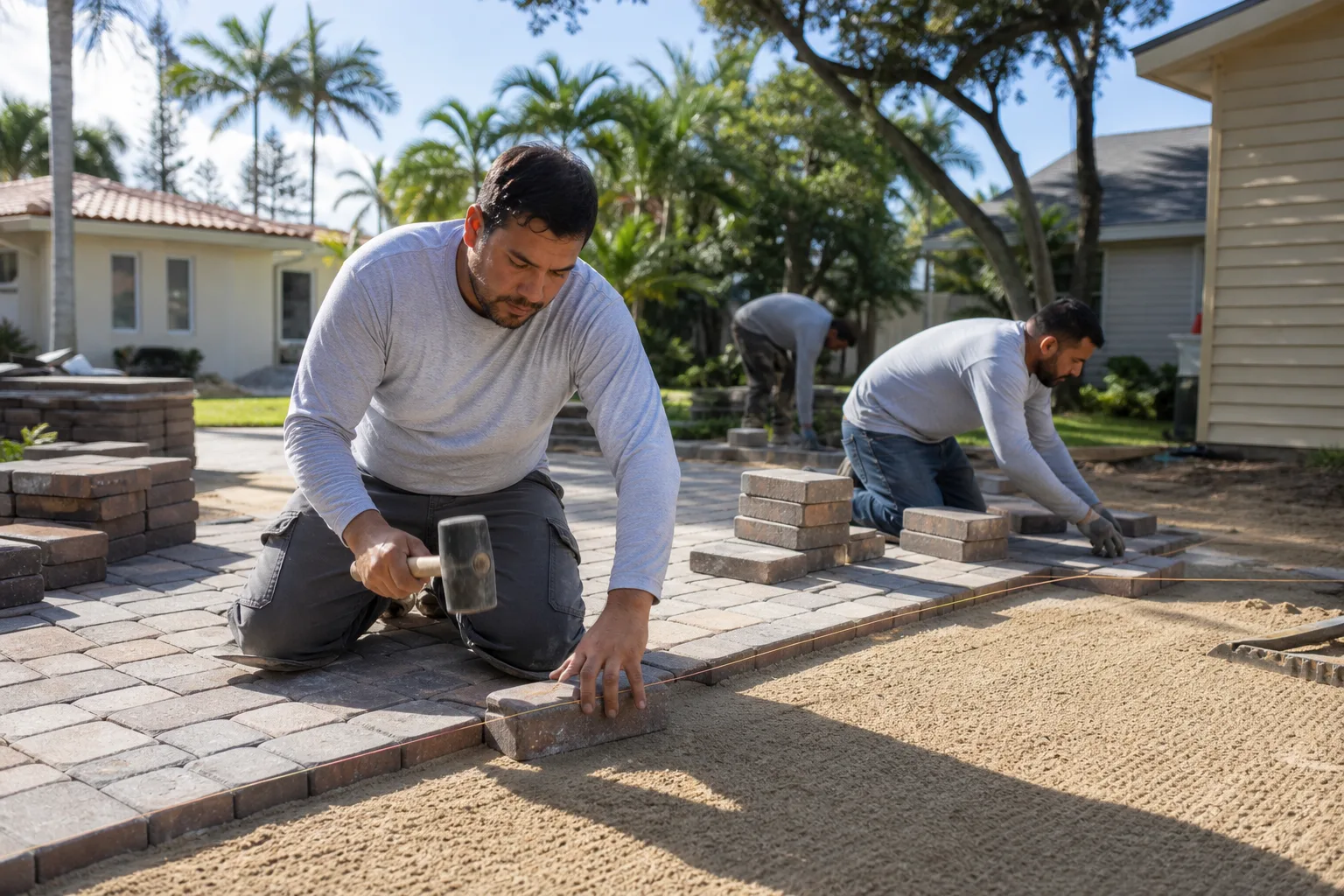
National paver guides are written for a four-season climate with a deep winter freeze and a wet spring. Orange doesn’t have that. Orange runs on a Mediterranean cycle: dry from May through October, wet from November through March, with an average annual rainfall around 13 inches concentrated almost entirely in that five-month window. That split changes everything about the maintenance year.
In a freeze-thaw market, the enemy is ice expanding in the joints. In Orange, the enemy is water sitting in the joints and bedding layer for months, then mineralizing out as efflorescence on the surface. Pavers themselves handle the rain fine, whether the driveway is Belgard or Techo-Bloc or something installed before the homeowner bought the house. The vulnerable layers are underneath: the bedding sand, the joint sand, and the compacted base.
There’s a second local factor. Orange soils tend to be clay-heavy in the older neighborhoods closer to the Plaza and the tree-lined streets off Chapman, which drain slowly. After the last real rain in March or April, that clay stays saturated well into spring. Sealing too early means sealing moisture in. That’s why the schedule below puts the seal window in April and May with a soil-dryness gate, not a fixed date.
Orange also has summer heat that pushes 95°F on the inland side of town during August and September, which bakes the surface and stresses the polymeric sand binder. A driveway that looked perfect in May will show joint loss by September. That’s the trigger for the fall inspection.
The Month-by-Month Paver Calendar for Orange
Here’s the whole year in one view. Print it or screenshot it.
- January – March: Hands off. Rain season. Don’t sweep aggressively, don’t power-wash, don’t apply anything. Let the driveway drain. Clear debris from the low corner so water doesn’t pond.
- April – May: Pre-seal window. Once the base has dried (two weeks with no rain, plus a dry-touch test on the joint sand), do any re-sanding, then seal. This is the only correct seal window in Orange.
- June – August: Watch and monitor. Check for joint sand loss after each heat wave. Spot-treat weeds in the joints with a targeted tool rather than herbicide until you know what’s underneath.
- September: Post-summer inspection. Full walk, joint depth check, edge restraint check, efflorescence scan. Log what you find.
- October: Order polymeric sand and any replacement pavers before the rain season. Do NOT seal.
- November – December: Post-rain assessment. Check for settling, reset any rocking pavers once the ground has firmed up between storms.
If you’re also maintaining fencing or a walkway on the same property, the timing overlaps with the work we do on Fence Installation in Orange, which shares the same seasonal rain calendar and edge-restraint concerns.
The September Post-Summer Inspection

September is the most useful inspection month in Orange because it follows the hardest stretch on the pavement. Here’s what to walk for, in order, in about 20 minutes.
- Joint sand depth: Take a flat-head screwdriver and press it vertically into a joint. If the sand surface sits more than 1/4 inch below the paver chamfer, you’ve lost joint sand and need to top it off before the rain.
- Efflorescence: Scan the shaded north-facing sections of the driveway first. White haze there is the first sign of moisture migration. Efflorescence is a symptom, not a disease: it tells you water is moving through the bedding layer.
- Rocking pavers: Stand on each paver at the edge. Any movement means a base problem, not a surface problem.
- Edge restraint: Look at the outer perimeter and the driveway apron. If the edge paver has shifted outward even 1/8 inch, the spike or adhesive restraint has started to fail.
- Drainage path: Confirm water still exits at the same low point. If a nearby planting bed has grown in and blocked flow, water will pond and that’s the source of most winter problems.
Write down what you find. Every fall we see Orange homeowners re-seal a driveway that didn’t need sealing while missing a swelling edge that needed a $40 fix and turned into a $600 reset.
Joint Sand Top-Off: Depth Loss and Polymeric Sand Math
Joint sand is the sacrificial layer. It’s what moves water out of the joints and keeps pavers from locking together too tight and cracking. In Orange it needs topping off roughly every two years after the summer heat, sometimes annually on the sun-exposed west-facing section of a driveway.
How much polymeric sand to order: a standard 50-pound bag covers roughly 100 square feet of a paver joint at 1/8-inch width, at typical joint depth. If your driveway is 600 square feet, order 7 bags, not 6. The half-bag you have left over is useful for spot work after the first rain. Use a joint width measurement first: joints under 1/8 inch take very little, joints over 1/2 inch need a coarse-grain sand or a pre-mixed stiffener.
The step most owner-installers skip is tamping. After you sweep the sand into the joints, you compact the surface with a plate compactor or a hand tamper for small jobs, working in two directions. This packs the polymeric sand down into the joint and eliminates the hollow pockets that open up in the first rain. Without tamping, the sand looks done and washes out in November.
One more Orange-specific note. Polymeric sand needs to be activated with water (typically a light mist), and the installer must wait until the joint sand has fully absorbed before the mist. Doing this in April when the overnight temperatures are still cool can leave the binder unset; late April and May are the safest activation window.
Sealer Selection and the April – May Recoat Window
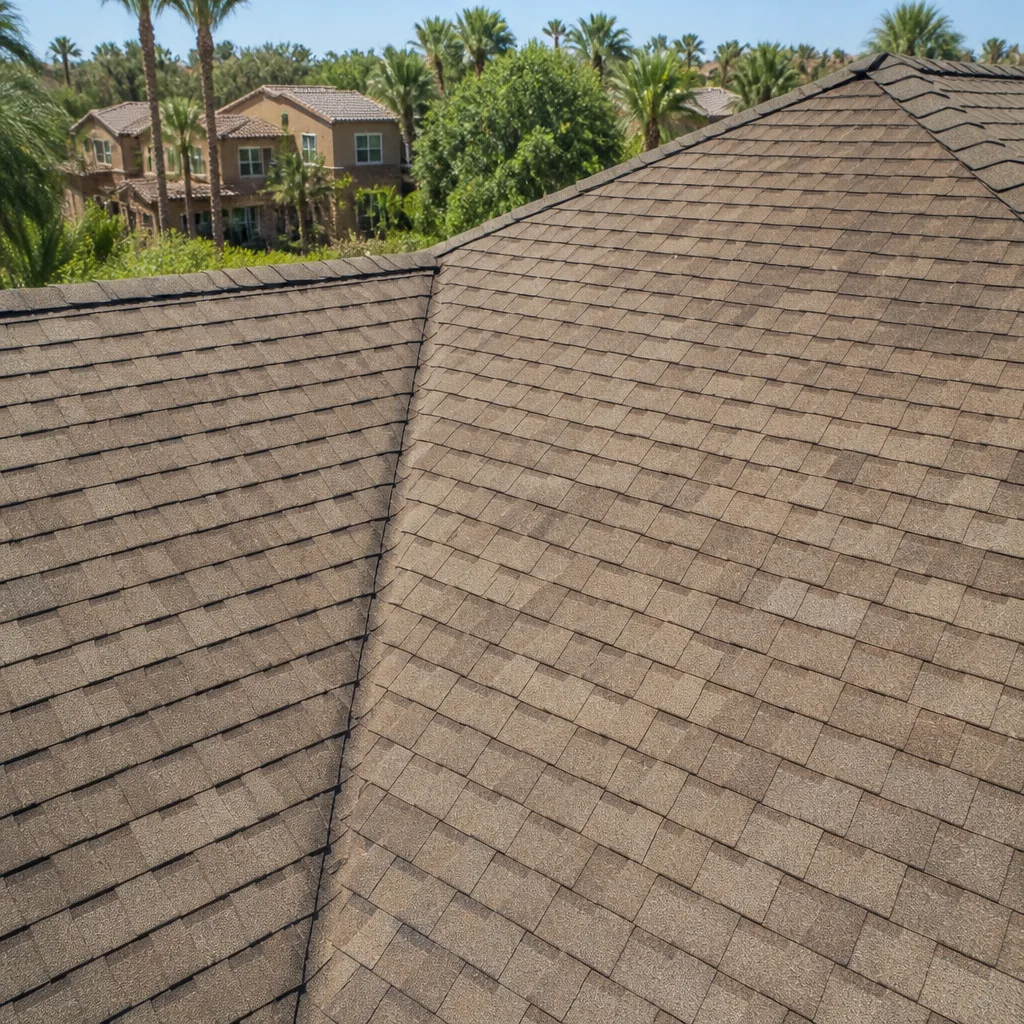
Sealer choice is the decision that eats the most time at the kitchen table, so here’s the short version for an Orange driveway.
Penetrating sealers soak into the paver surface and the joint sand without forming a coating. They last roughly 3 – 5 years, don’t peel, don’t trap moisture if the surface is dry, and leave a natural matte finish. Products in the Siloxa-Tek family and comparable solvent-based penetrating sealers are the ones most often specified for Orange driveways. Recoat window: 3 – 5 years from the initial application, checked at the spring inspection.
Film-forming sealers sit on the surface, usually acrylic or polyurethane, and create a sheen or wet look. They last roughly 2 – 3 years, but they’re more demanding: they must go down on perfectly dry joints, they can trap efflorescence under the film if applied before the base is dry, and they need a proper strip before recoating. If a homeowner wants the wet look, the film-forming route is fine, but the April – May dry window matters even more.
The single sentence that should govern the decision: if you seal in April and May, after two weeks of no rain and a dry-touch joint test, you don’t have to think about the seal again for at least a couple of years. If you seal in October, you’ll be dealing with white mineral staining through January.
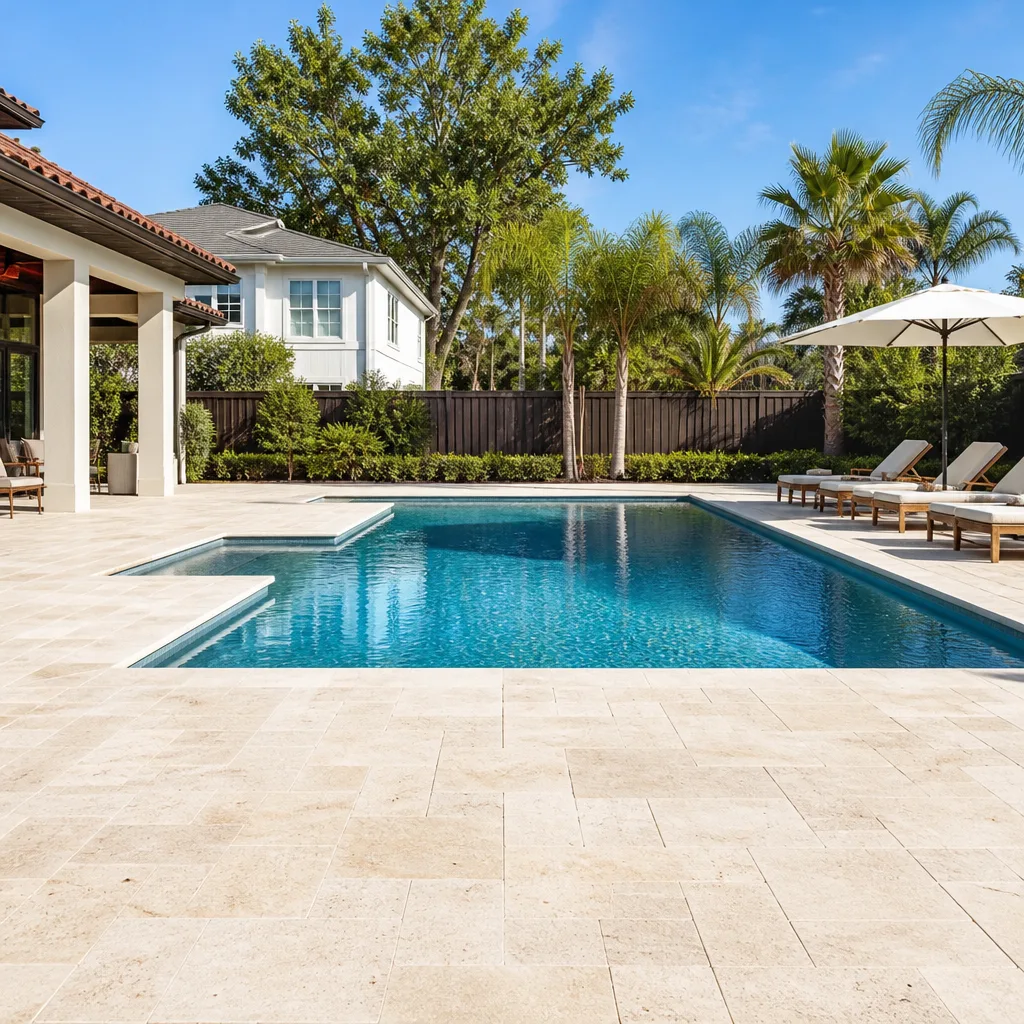
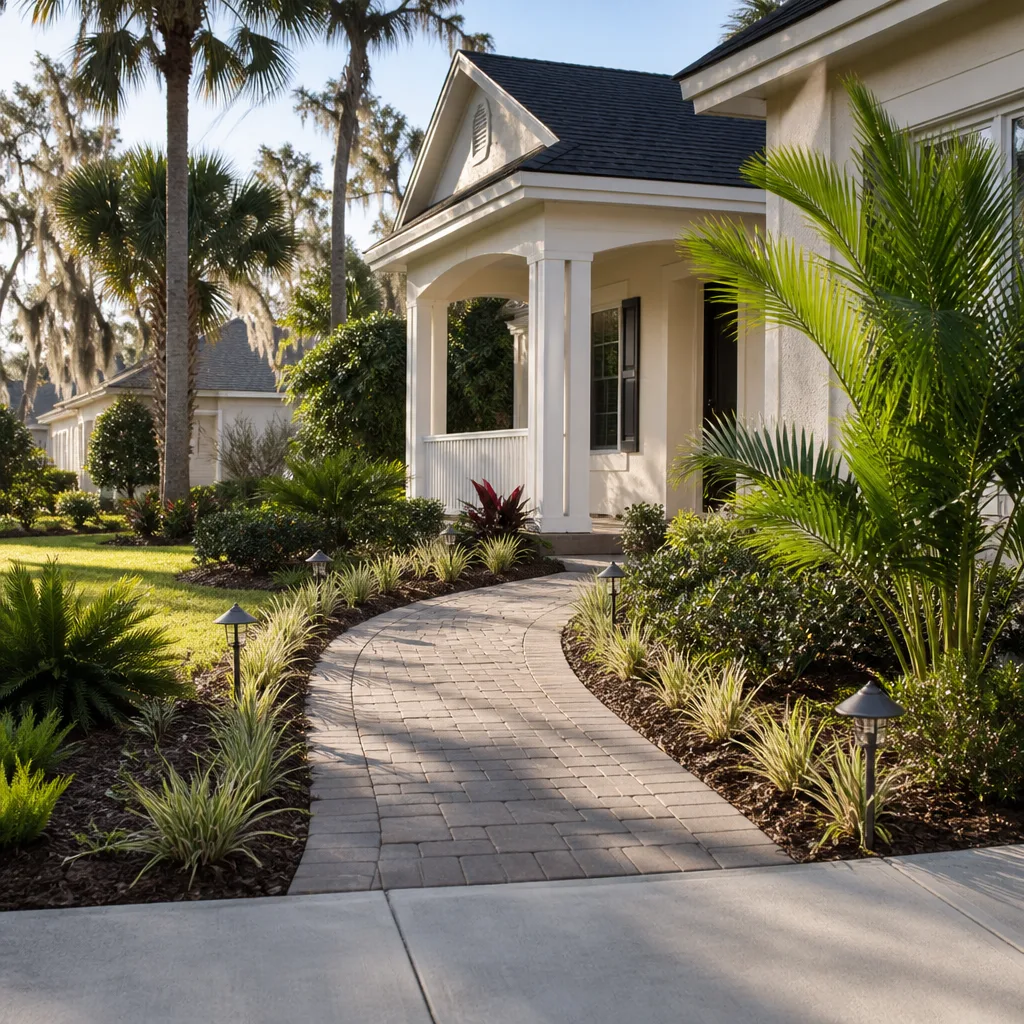
See the difference
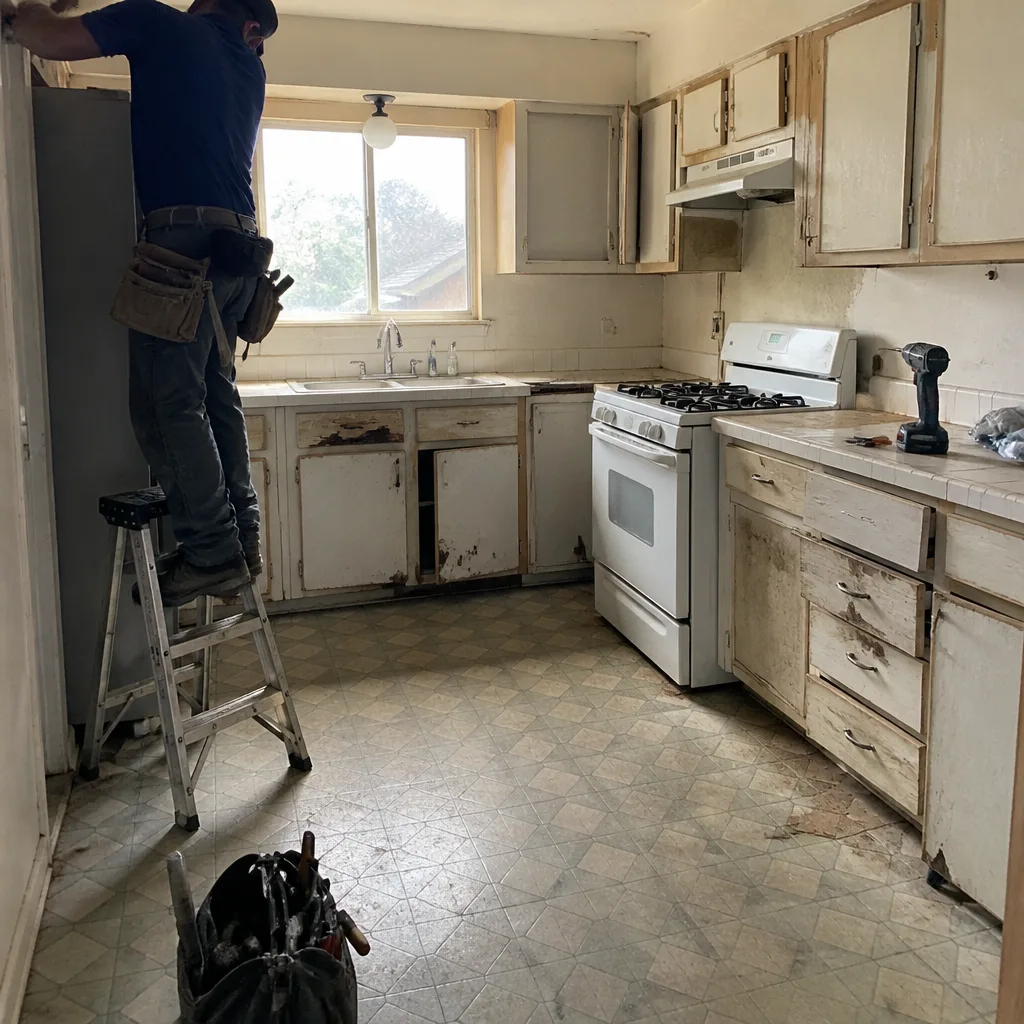 Before
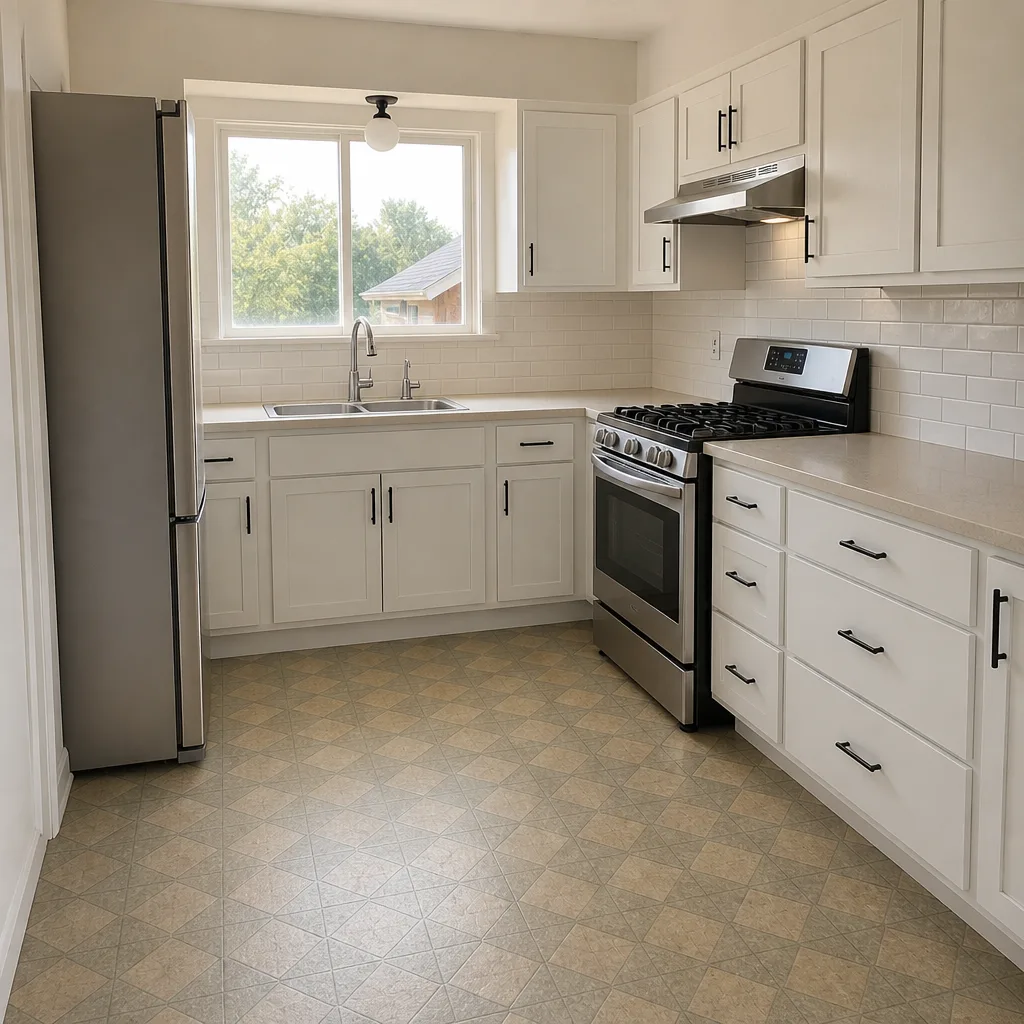 After
 Before
 After
 Before
 After
Annual Edge Restraint Inspection Checklist
Edge restraint is the invisible part of a paver driveway and the biggest cause of visible failures. In Orange, the restraint on the street apron and along the planting strip is the first element to fail because it takes the heaviest water and vehicle loading. Here’s what to check every spring and fall.
- Spike displacement: Look for spikes that have backed out even 1/4 inch. That’s the earliest sign. Get a flashlight and look at the outer edge of the paver run.
- Edge bowing: Once spikes lift, the restraint lifts, and the edge pavers start to move outward. If the edge line isn’t straight, the failure is underway.
- Adhesive failure: On restraint systems that use construction adhesive instead of spikes, check for gaps between the restraint and the paver. Gaps mean water is getting behind the edge.
- Settlement: The outer edge of the driveway against a planting bed or fence line can settle if water has been running off the drive and under the edge.
- Apron transition: The seam between the driveway and the street apron is the highest-risk joint in the whole system. Inspect it first.
If you catch edge restraint failures early, the fix is usually under a few hundred dollars per run. If you don’t, the edge pavers can shift enough to require resetting that entire row, which is a weekend job with a pro and a shovel.
What Paver Maintenance Costs Per Year in Orange
Here are honest annual ranges for both routes. These are Orange-area numbers, not national averages, and they’ll vary by driveway size and current condition.
- Owner-performed maintenance: $20 – $45 per year for polymeric sand top-off on a standard two-car driveway, plus $0 – $60 for a plate compactor rental if you go that route. Sealer costs $120 – $300 per application, amortized to $30 – $100 per year over the recoat interval. Total out-of-pocket, roughly $50 – $150 per year, not counting your own labor.
- Professional maintenance contract: $400 – $900 per year for inspection, sand top-off, edge restraint check, and efflorescence treatment. Sealing is usually quoted separately at $0.90 – $2.50 per square foot for a driveway in the Orange area.
- Cause-related repairs: a single reset paver or edge row, $150 – $650 depending on what’s underneath. A larger base repair, $800 – $2,500.
A homeowner with a 600-square-foot Belgard or Techo-Bloc driveway, a compactor rental, and two hours every April and September will spend perhaps $100 a year and get 15 years out of the surface. A pro-maintained driveway costs more annually but catches the edge failures and efflorescence early, which is where the real money sits.
Common Mistakes to Avoid
- Sealing in October or November. Orange’s rain season starts in November, so sealing then is the single most reliable way to create efflorescence. Wait until April.
- Sealing before the joint sand is dry. The dry-touch test isn’t optional. A drive that’s been rained on within the last two weeks is not ready, even if the surface looks dry.
- Skipping tamping during sand top-off. The most common reason fresh polymeric sand washes out in the first Orange rain is that the joints weren’t compacted.
- Power-washing the joints aggressively. High-pressure water blasts the joint sand out of the driveway faster than any winter rain. Wash at low pressure at the surface, and consider a dedicated paver cleaner product instead.
- Waiting until an edge visibly bows before inspecting the restraint. Once you can see the bow, you’re into a repair, not a maintenance call.
- Using sand-cement mix instead of polymeric sand between pavers. It cracks in Orange’s heat swings and dumps grit into the storm drain every rain. Polymeric is the appropriate material.
- Treating efflorescence as a stain to scrub. It’s a moisture symptom. Scrubbing the white residue off without addressing the moisture underneath puts it right back in two weeks.
When to Call a Professional
Most of this schedule is genuinely owner-maintainable on a small driveway. Call a pro when the failure is structural rather than cosmetic: rocking pavers in the middle of the run, a visibly bowed edge restraint that’s more than cosmetic, efflorescence that returns within a month of treatment, joint sand that won’t hold more than a season, or any drainage issue that has left standing water near the foundation. Those point to base problems, and re-laying on a bad base just repeats the problem. Rowan Construction Group Orange offers free estimates in Orange – call (844) 320-7508. Under Clause 1 of The Haven Standard, the price is written before any work starts, which means you’re comparing a real number, not a phone quote. If you already have a written estimate from another contractor, we’ll review it line by line at no charge as a free second opinion. If the driveway sits next to an addition or ADU project you’re planning, we schedule the two together – see Home Additions & ADU in Orange for the coordination details.
Frequently Asked Questions
Every 3 – 5 years with a penetrating sealer, or every 2 – 3 years with a film-forming sealer, and only during the April – May dry window. Sealing outside that window traps moisture and causes efflorescence all winter. Call (844) 320-7508 for a written quote on a seal and re-sand.
Late September or early October, before the November – March rain season, so the polymeric sand has time to fully cure. Do not re-sand and seal in the same week; the sand needs to settle and be tamped first.
That’s efflorescence, a mineral salt pushed to the surface by water moving through the bedding layer. It’s a moisture symptom, not a surface stain. The fix is to correct the moisture source (joint sand depletion, edge failure, drainage) before treating the surface. Call us if it keeps returning – (844) 320-7508.
Yes, at low pressure and at the surface. High pressure blasts the joint sand out and shortens the life of the driveway faster than any winter rain. Use a wide fan tip and keep the nozzle at least 12 inches from the surface.
Sealing runs $0.90 – $2.50 per square foot in the Orange area. A standard 600-square-foot driveway is typically $540 – $1,500 for the seal, plus re-sand if the joints need it. Call (844) 320-7508 for an exact written price, not a phone estimate.
Penetrating sealers don’t add a film and don’t meaningfully change surface friction. Film-forming sealers can be slippery when wet, so if you have a slope in the driveway, a penetrating sealer is usually the better choice in Orange.
The Bottom Line
Four actions, four windows, in order: September inspection, October sand top-off, April – May sealing once the base dries, and edge restraint checks every spring and fall. Sealing is the last step in that sequence, not the only step, and the timing is set by Orange’s rain calendar rather than a national template. Owner-performed maintenance runs roughly $50 – $150 per year if the driveway is small and the joints are holding. Anything structural (rocking pavers, bowing edge, recurring efflorescence) is a pro job. For a written paver maintenance or repair price before any work starts, call (844) 320-7508. For the full paver service scope, see Driveway & Pavers in Orange, and start at the Rowan Construction Group Orange home to see how the seven trades fit together.
Written by the team at Rowan Construction Group Orange.