Last updated November 18, 2026


Free written scope consultation - allowances, timeline, and change-order rules on paper before a single trade is scheduled
Fence Installation Troubleshooting: Common Problems and How to Fix Them
A leaning fence panel looks like a panel problem. In our experience across Orange, it’s a post problem roughly nine times out of ten. And the geometry is unforgiving: a post that has leaned 2 inches at the top has usually lost enough footing-to-soil contact that the window for concrete injection has already closed. The only structural fix left is a full re-set. This guide teaches you to diagnose which failure mode you actually have – footing failure, above-grade rot, gate hinge wear, vinyl expansion pressure – before you spend a dollar on repair. Diagnose first, then decide whether to fix or replace.
Quick Answer
Most fence failures in Orange trace back to the post, not the panel, and repair versus replace depends on three tests: how many degrees the post has leaned, whether the concrete footing is cracked or the surrounding soil has migrated, and how deep rot has reached at grade line. If a post leans more than about 5 degrees or the footing fails a probe test, re-setting the post is the fix. If rot penetrates more than an inch into the post core, replacement is the honest answer.
Styles & brands we work with
- Kitchen remodeling
- Bathroom remodeling
- Home additions & ADU
- Roofing
- Windows & doors
- Driveway & pavers
- Fence
Table of Contents
- How to Measure Fence Lean and What the Number Means
- Assessing Concrete Footing Condition Without Digging It Up
- Gate Sag: Three Different Causes, Three Different Fixes
- Identifying Wood Rot at the Post Base
- Panel Warping in Vinyl Versus Wood
- Why Orange Soil and Sun Accelerate Fence Failure
- Repair or Replace: The Decision Framework
How to Measure Fence Lean and What the Number Means
Before you can fix a lean, you need to quantify it. Eyeballing “a little crooked” tells you nothing about whether the footing has failed or the post is bending above grade. The measurement takes five minutes with a 4-foot level and a tape.
- Set the level vertically against the post face, plumb-bob style, with the bottom edge resting at grade line.
- Read the bubble gap. On a standard 4-foot level, each 1/8 inch of gap at the top edge equals roughly 1.5 degrees of lean.
- Measure the top offset. A post that has moved 2 inches at the top over an 8-foot run is leaning about 1.2 degrees – and that’s already past the concrete-injection window.
- Check the whole line. If one post leans but the panels stay straight, the post is rotating in its footing. If the panel top bows while the posts stay plumb, you have above-grade bending or impact damage.
The distinction matters because rotating posts mean footing failure – the concrete has lost grip or the soil has migrated away – while bending posts usually mean rot just above grade or a vehicle strike. One needs a re-set. The other might need a sistered post or a new post entirely. In Orange, where summer soil shifts as the water table drops, we see rotating posts most often on fences installed along property lines where drainage runs toward one side.
Assessing Concrete Footing Condition Without Digging It Up
You don’t need to excavate a footing to know if it has failed. Two field tests – a probe rod and a water test – tell you what’s happening six inches below grade.
The probe rod test. Push a 1/4-inch steel rod or a long screwdriver straight down alongside the post, about 2 inches out. In firm soil, the rod resists and stops within 6 to 8 inches. If it sinks 12 inches or more with light pressure, the soil has washed out or settled away from the footing – a classic sign of poor drainage slope at install time. That void is why the post rotates.
The water test. Pour a quart of water at the base of the post. If it puddles and drains slowly, the concrete has sealed against the soil on that side, meaning water can’t escape – and freeze-thaw or expansion pressure has likely cracked the footing. If it drains instantly into a void, the footing has separated from the soil.
Either result points to the same thing: the footing has failed. A footing poured without a slope away from the post, or without drainage gravel underneath, will fail in Orange’s clay-heavy soils within a decade. If the footing has cracked, the post has to come out and be re-set in a new footing – not patched. If the footing is intact but the concrete is fine, the use of galvanized post sleeves on steel posts matters, since alkaline soil eats untreated steel for breakfast. Our fence installation in Orange crews check footing drainage before every pour.
Gate Sag: Three Different Causes, Three Different Fixes
A sagging gate is the most misdiagnosed fence problem because the symptom looks the same whether the hinge is worn, the post has leaned, or the anti-sag cable was never installed properly. The fix is completely different for each, so identify the cause first.
- Hinge failure: The gate hangs low on one side but the post is plumb. Look for a hinge plate pulled out of the wood, a bent pin, or a screw that has spun in the hole. The fix is re-hanging or replacing the hinge – a small job.
- Post lean: The gate binds at the latch side and the post holding the hinge has rotated. Measure with the level. If the post leans, the gate will always drag until the post is re-set. Hinge repairs won’t hold.
- Missing or badly tensioned anti-sag cable: The gate frame has twisted diagonally. On a properly built gate, a steel cable runs corner to corner under tension. If there’s no cable, or it’s loose, the gate will sag under its own weight every time. The fix is adding a tensioned diagonal brace, not adjusting the hinges.
In Orange gates, we most often see all three at once on builder-installed fences past the 12-year mark: the post has leaned, the hinges have pulled, and there was never a cable. That combination usually means the gate section is ready for a full rebuild.
Identifying Wood Rot at the Post Base
Rot at the post base hides well because the failure happens at grade line, below the surface you can see. The test isn’t a visual glance – it’s a probe.
Surface checking versus soft-probe failure. Surface checking is the fine cracking along the grain you see on the face of any weathering post. That’s cosmetic – it doesn’t compromise structure. Soft-probe failure is different: press a screwdriver into the wood about 1 inch above grade. If the tip sinks in easily, or if the wood feels soft and fibrous with no resistance, the post has rotted from the inside.
The depth-of-rot test. If the probe sinks less than 1/4 inch, the rot is surface-deep and a post-saver sleeve – a metal collar that slides over the base and keeps moisture out – can add years. If the probe sinks between 1/4 and 1 inch, the sleeve is marginal at best. If it sinks more than 1 inch, or you can drill a 1/8-inch bit in easily, the post core is gone and no sleeve will save it. Full replacement.
In Orange, wood posts set directly in soil almost always rot at grade line first, because the soil stays moist from irrigation and the wood wicks water upward. It’s why we set posts on a gravel base with a protective sleeve from day one. It’s the same reason a driveway and pavers project in Orange starts with base prep: the things you bury determine whether the surface holds. When rot has gone past the sleeve threshold, replacement is the honest answer – and that’s the point at which a vinyl or composite material may be worth pricing.
Panel Warping in Vinyl Versus Wood
Vinyl and wood warp for different reasons, and that changes whether the warp is reversible.
Vinyl warping almost always traces to improper expansion gap at install. Vinyl expands and contracts with temperature, and it needs a gap of about 1/4 to 3/8 inch at each end of every panel to move. If a crew nailed or screwed panels tight to the posts, the panel has nowhere to move – so it buckles and warps in the heat. Once vinyl has warped this way, the fix is disconnecting the fasteners, re-establishing the gap, and re-securing with slotted hardware. If the warp has creased the material, that panel is a replacement. Improper install is the cause; the fix is re-doing it properly.
Wood warping is moisture-related, and it’s usually reversible for a lower cost. Wood warps when one side dries faster than the other – the face in the sun dries faster, the shadowed side stays wet, and the board cups. The fix is to let it dry naturally, then re-secure the boards with fasteners that allow movement. If the cupping is severe, replacing the individual board is a small fix. The guiding rule: wood warping responds to moisture correction, vinyl warping responds to gap correction. Neither responds to simply “tightening” it back in place – that makes it worse.
Why Orange Soil and Sun Accelerate Fence Failure
Fence installation in Orange faces a specific set of pressures most of the country never sees: alkaline soil, a dry season that shrinks clay and pulls concrete away from post footings, and intense summer sun that pushes vinyl to its expansion limits. The combination explains most fence failures here.
- Alkaline soil eats unprotected steel. Orange soil runs alkaline, which corrodes steel posts and brackets faster unless the steel is set in galvanized sleeves or is fully hot-dip galvanized. We see steel posts pitted and losing section after a decade when installed without protection.
- Clay-heavy soil expands and contracts. In the wet season the clay swells against footings, and in the dry season it shrinks and pulls away. Footings poured without depth or drainage gravel rock themselves loose over time – the classic rotating post.
- Sun drives vinyl growth. Summer sun can push vinyl panel expansion past 1/4 inch per 8-foot panel. Without proper expansion gaps, panels bulge and warp by August.
- Irrigation concentrates moisture. Sprinklers that hit fence posts keep the base constantly wet, which is precisely where wood rot starts. Keep irrigation heads at least 12 inches from post lines.
Materials selection handles part of this, and installation detail handles the rest. The brands a contractor deals with matter less than whether the footings are deep enough and the posts are sleeved. In our experience across Orange, the boring details – depth, drainage, sleeve – decide the outcome more than the panel brand does.
Repair or Replace: The Decision Framework
Once you’ve diagnosed the failure type, decide whether to repair or replace. In most cases the decision breaks down along these lines.
- Post leans, footing intact: re-set the post in a new concrete footing. The panel is usually reusable. Half a day’s work.
- Post rot past 1 inch: replace the post. If more than 20% of the posts show rot, replace the whole fence – the failures will continue.
- Gate sags, post plumb, hinges intact: adjust or add the anti-sag cable. Small job.
- Gate sags, post leaned: re-set the post first, then align the gate. If the gate has separated at the joints, it may need a full rebuild.
- Few boards warped or damaged: replace the individual boards. Keep-the-line cost.
- Fence line is over 15-20 years old, multiple failures: replacement usually costs less over the next decade than repeated repairs, and a new fence with a new post system resets the clock.
A written, line-item repair quote separates the cheap fixes from the expensive ones before anyone picks up a tool. A fence install in Orange with new footings, sleeves, and expansion gaps done correctly avoids most of these failures in the first place. For related long-term planning, the same logic applies to a home addition or ADU in Orange: the structural system built at the start decides whether you have to revisit it later.
Common Mistakes to Avoid
- Replacing the panel when the post has failed. A new panel on a rotated post will sag within a year. Fix the footing first.
- Patching a cracked footing. Skipping a footer re-set saves a day but doesn’t fix the cause. The crack returns.
- Skipping the expansion gap on vinyl. Tight fastening guarantees warping in an Orange summer. Leave 1/4 to 3/8 inch.
- Setting steel posts without galvanized sleeves. The most common cause of steel failure in Orange’s alkaline soil, and the cheapest thing to get right.
- Ignoring drainage away from the post. A footing with no drainage gravel and no slope eventually rocks loose, regardless of material quality.
- “Tightening” a warped panel. Over-tightening vinyl or wood makes the warp worse. Correct the gap and moisture, not the tension.
See the difference
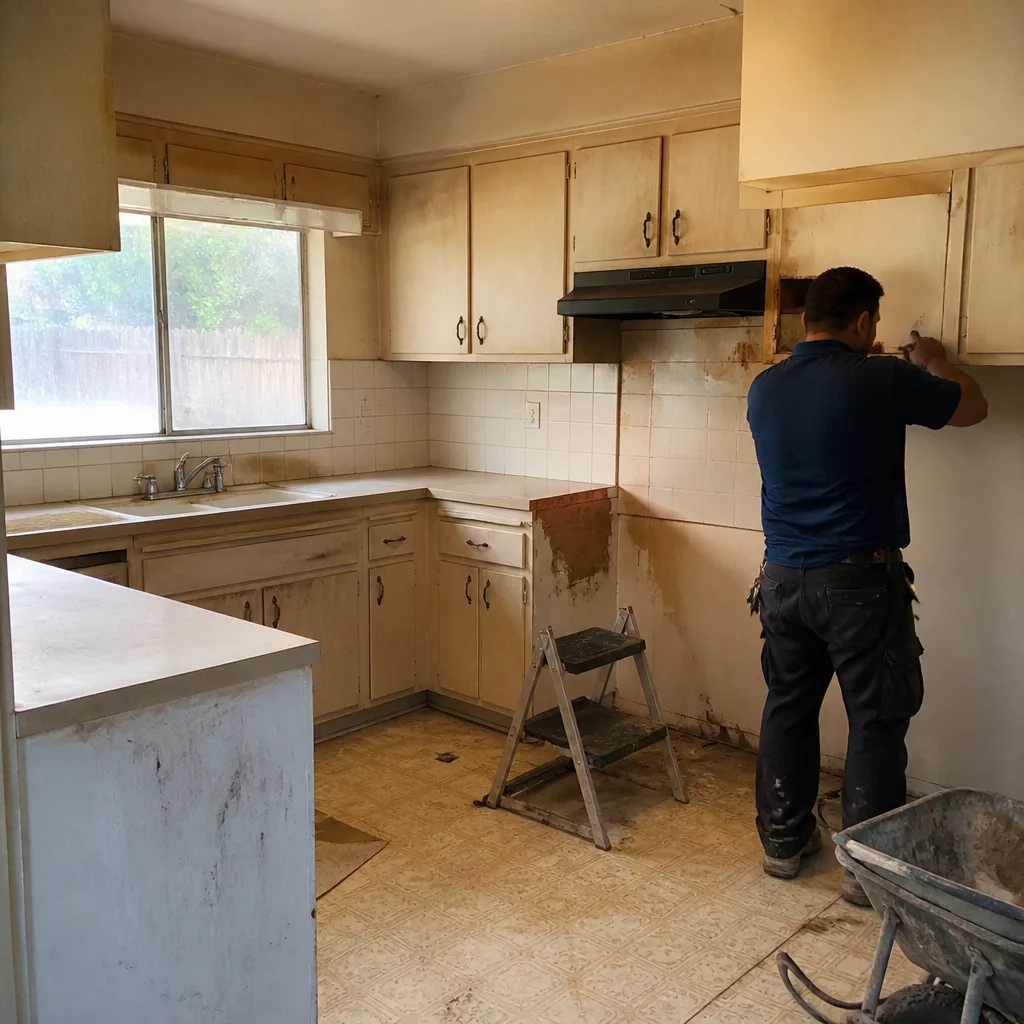
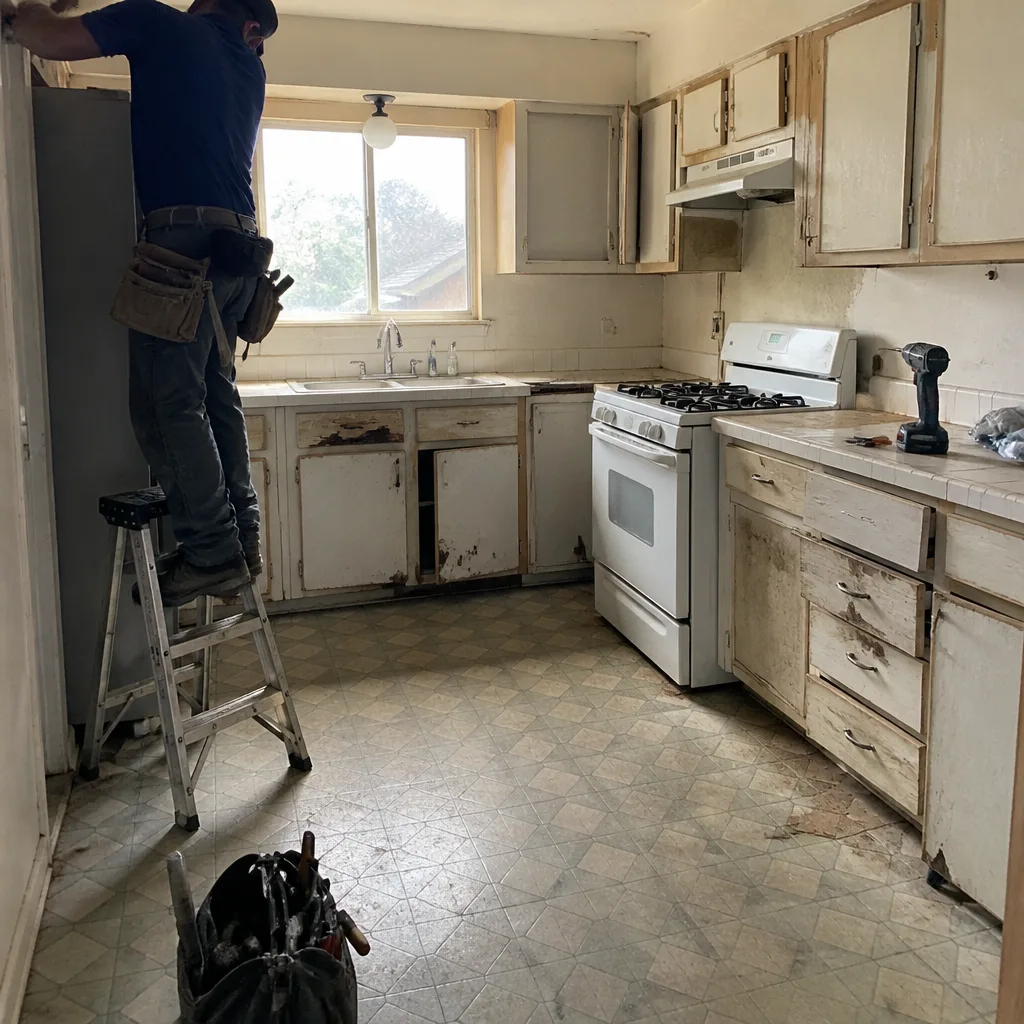 Before
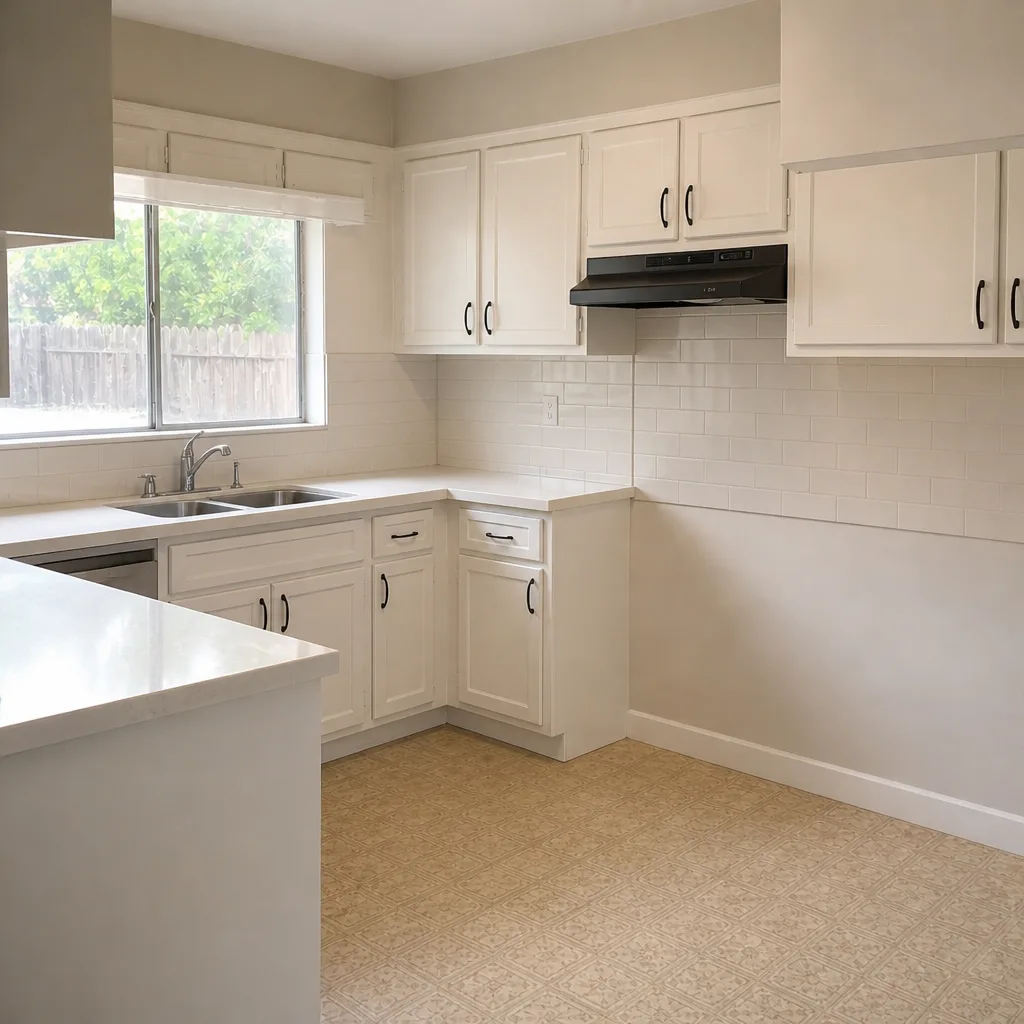
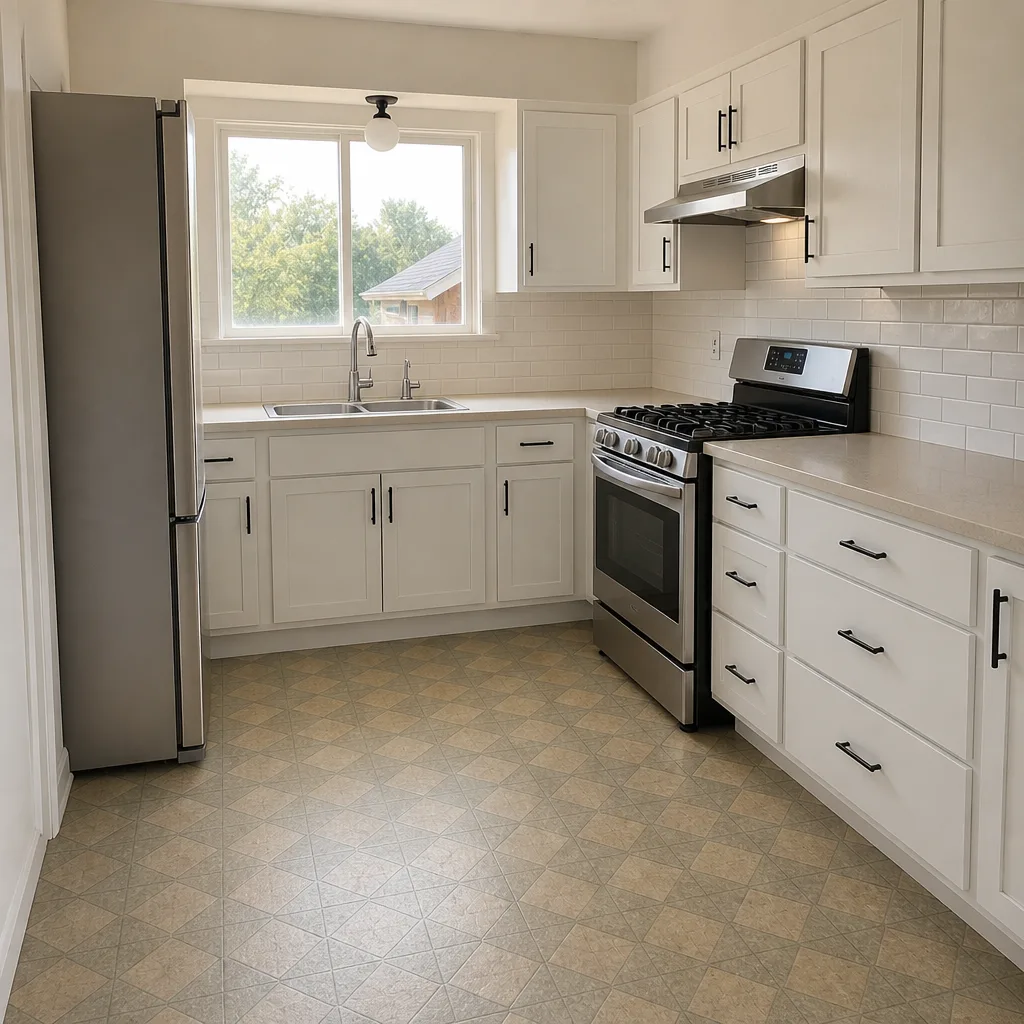 After
 Before
 After
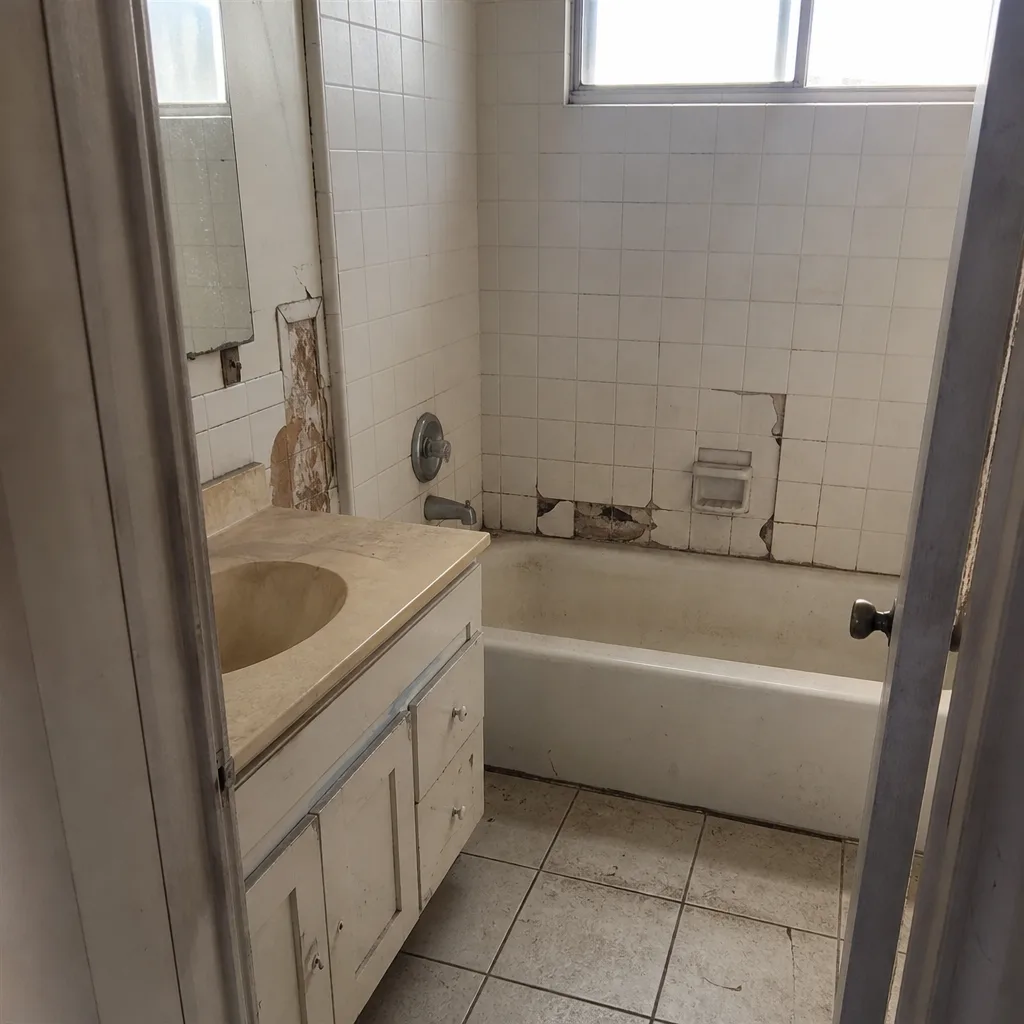 Before
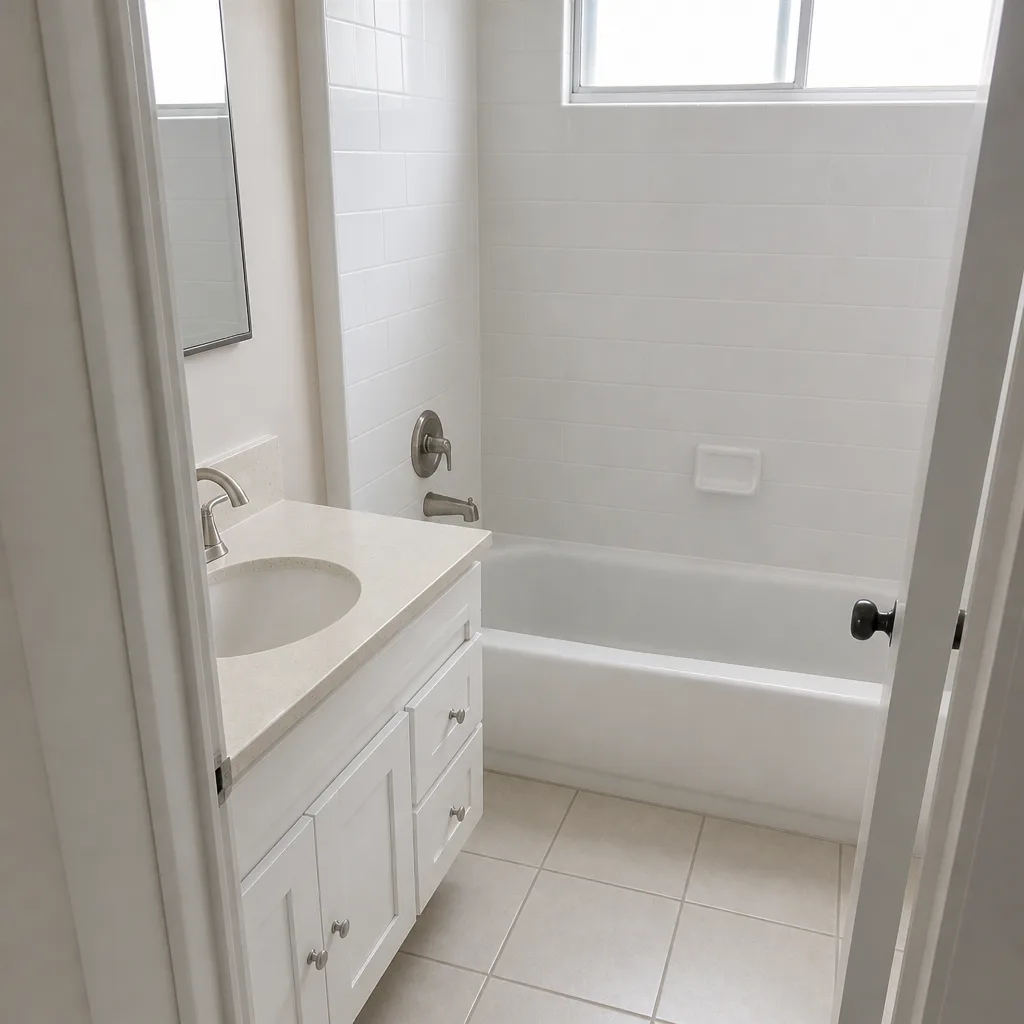 After
When to Call a Professional
Some fence failures are safe to fix yourself, and some aren’t. A full post re-set means excavating a footing, breaking out old concrete, and setting a new post plumb with a proper depth and drainage bed – a job where a mistake re-creates the failure in a single season. Any time a gate carries load, a fence sits on a property line, or the failure originated at a footing, call a professional. Gates with a heavy frame or a self-closing mechanism should be re-hung by someone with the right hardware. Our technicians have up to 19 years of experience diagnosing these failures, and Rowan Construction Group Orange offers free estimates in Orange – call (844) 320-7508.
Frequently Asked Questions
Post re-set typically runs about $150 to $400 per post, and gate rebuilds about $250 to $600, depending on access and how much concrete has to be broken out. Replacement of an entire fence line is priced separately, so get a written line-item quote that separates post repair from panel replacement. Call (844) 320-7508 for an exact quote – estimates are free.
Summer heat and the dry season shrink Orange’s clay soil and pull it away from the footings, so posts that were partly loose in spring rotate further by August. If a post has moved 2 inches at the top, the concrete-injection repair window has usually closed and a full re-set is the fix. Call (844) 320-7508 to have the lean measured.
Measure the post, not the panel. Set a 4-foot level vertically against the post with the bottom edge at grade line, and read the gap at the top. If the post is plumb and the panel bows, the problem is the panel. If the post is leaning, the problem is the footing at the base – the panel is fine. In most Orange failures it’s the post.
Only if the rot is surface-deep. Probe the wood at grade with a screwdriver: if the tip sinks less than 1/4 inch, a sleeve can add years. If it sinks more than 1 inch, the post core is gone and replacement is the honest answer. A sleeve never fixes rot that has already hollowed the post.
Almost always because the installer didn’t leave an expansion gap. Vinyl needs 1/4 to 3/8 inch of gap at each end of every panel so it can move in the heat. When it’s nailed or screwed tight to the posts, the panel buckles. The fix is to re-establish the gap and re-secure with slotted hardware. Call (844) 320-7508 to price the correction.
Failed post footings, caused by three installation errors: insufficient footing depth, concrete poured without a drainage slope, or steel posts set without galvanized sleeves in alkaline soil. Getting those three details right at install prevents most failures. Call (844) 320-7508 and we’ll look at your fence line.
The Bottom Line
Fence failures start at the post, not the panel. That single fact reorders the whole repair decision: measure the lean angle, probe the footing, test the rot depth, inspect the gate hinges separately from the post, and correct the expansion gap before replacing vinyl. The failures that look urgent are usually the ones with a clear physical cause and a clear fix. The ones that look minor – a slight lean, a soft spot at grade – are the ones that fail next season if ignored. Diagnose first. Then decide. If you’d like a second opinion on any written estimate, Rowan Construction Group Orange will review it line by line at no charge. That’s the same discipline behind all seven trades we offer through Rowan Construction Group Orange home, from fence work to full additions.
Call (844) 320-7508 to schedule your free estimate with Rowan Construction Group Orange.
Written by the team at Rowan Construction Group Orange.