

Free written scope consultation - allowances, timeline, and change-order rules on paper before a single trade is scheduled
Styles & brands we work with
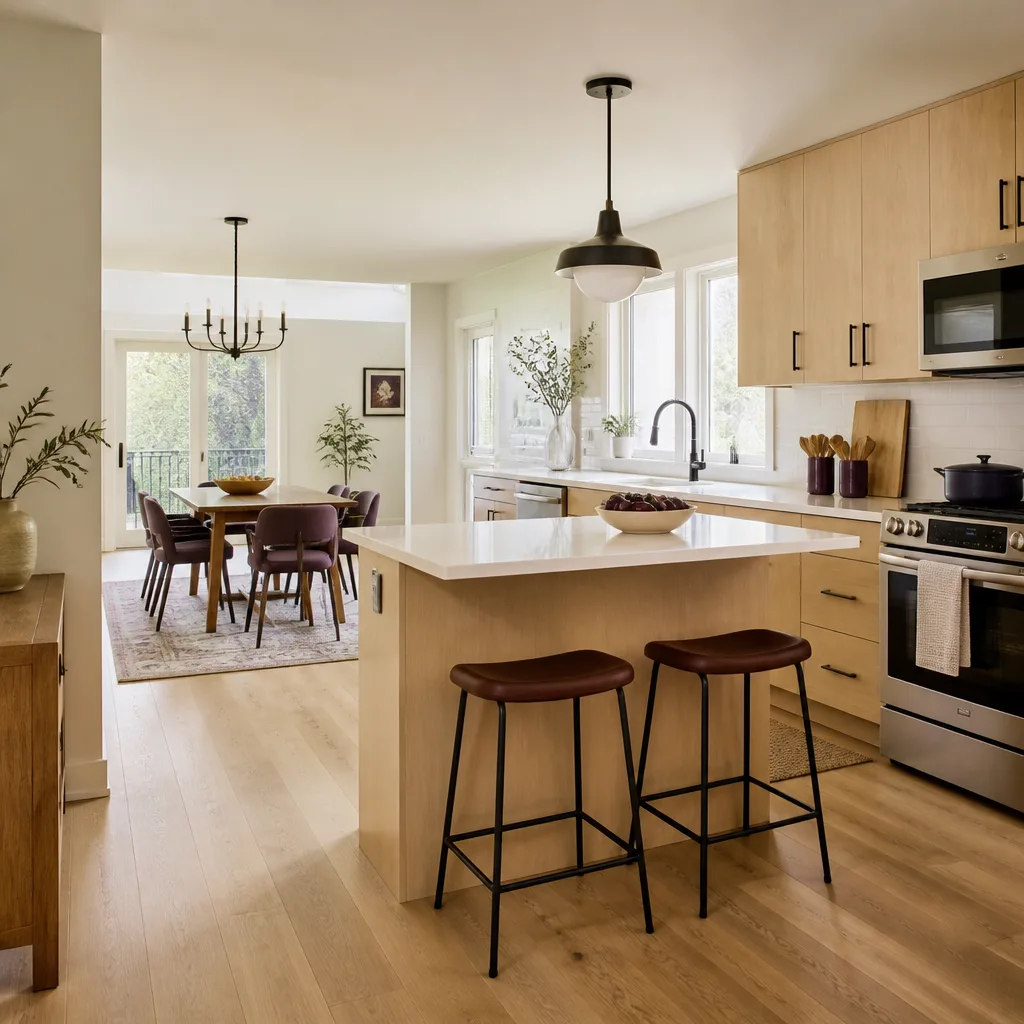
- Kitchen remodeling
- Bathroom remodeling
- Home additions & ADU
- Roofing
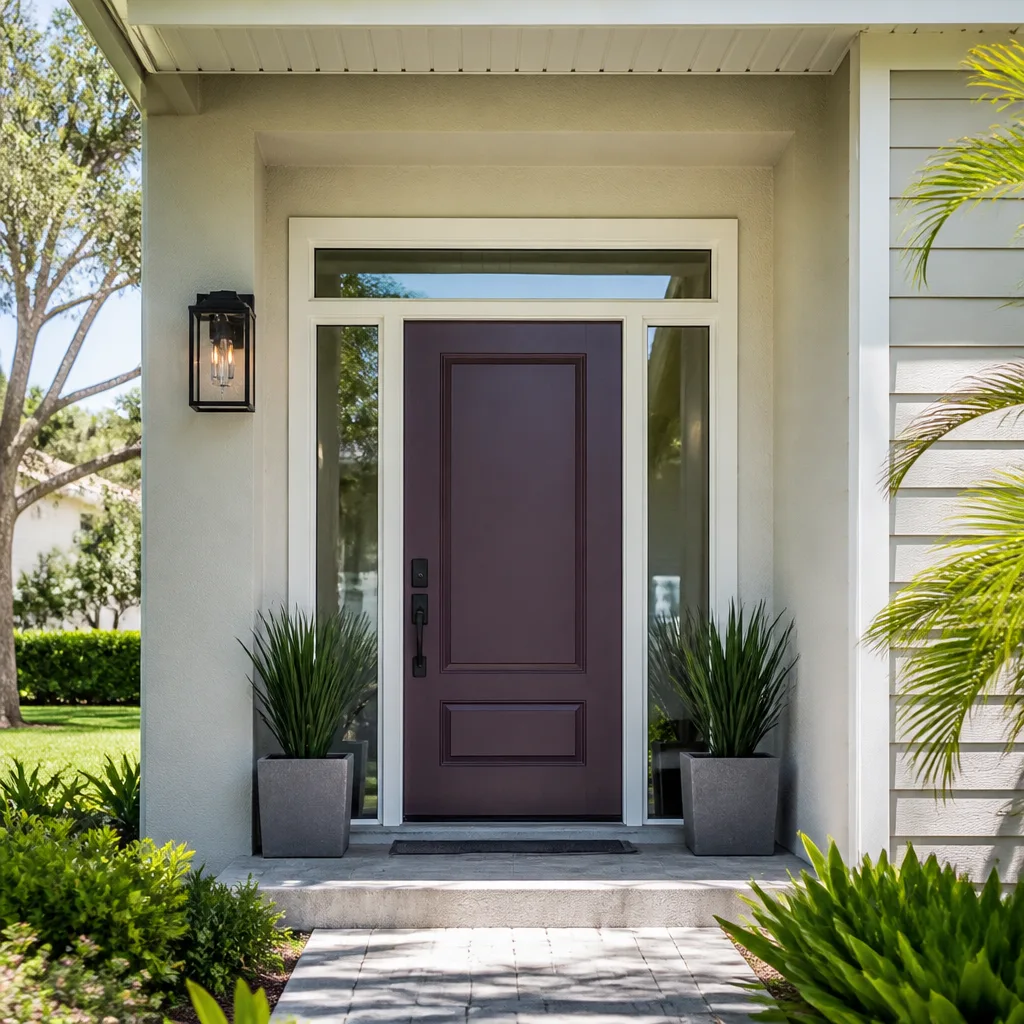
- Windows & doors
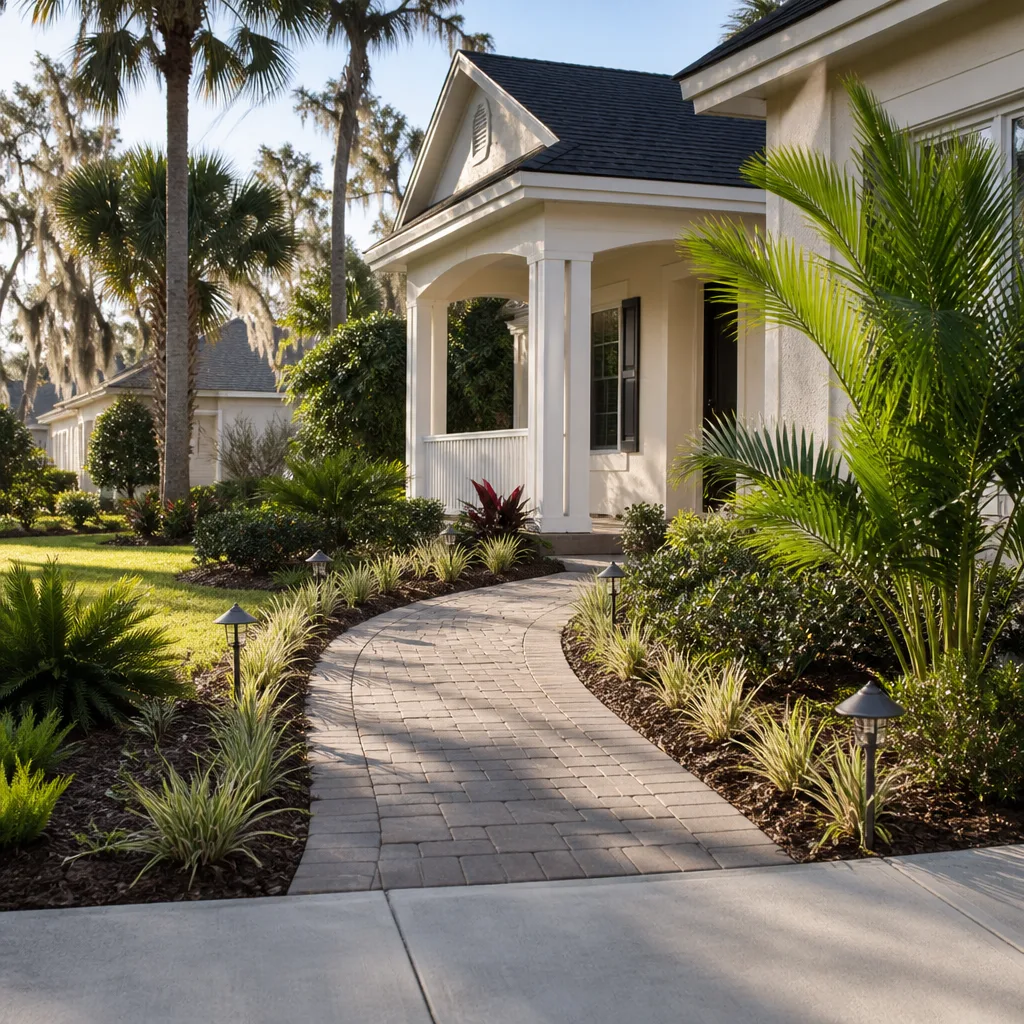
- Driveway & pavers
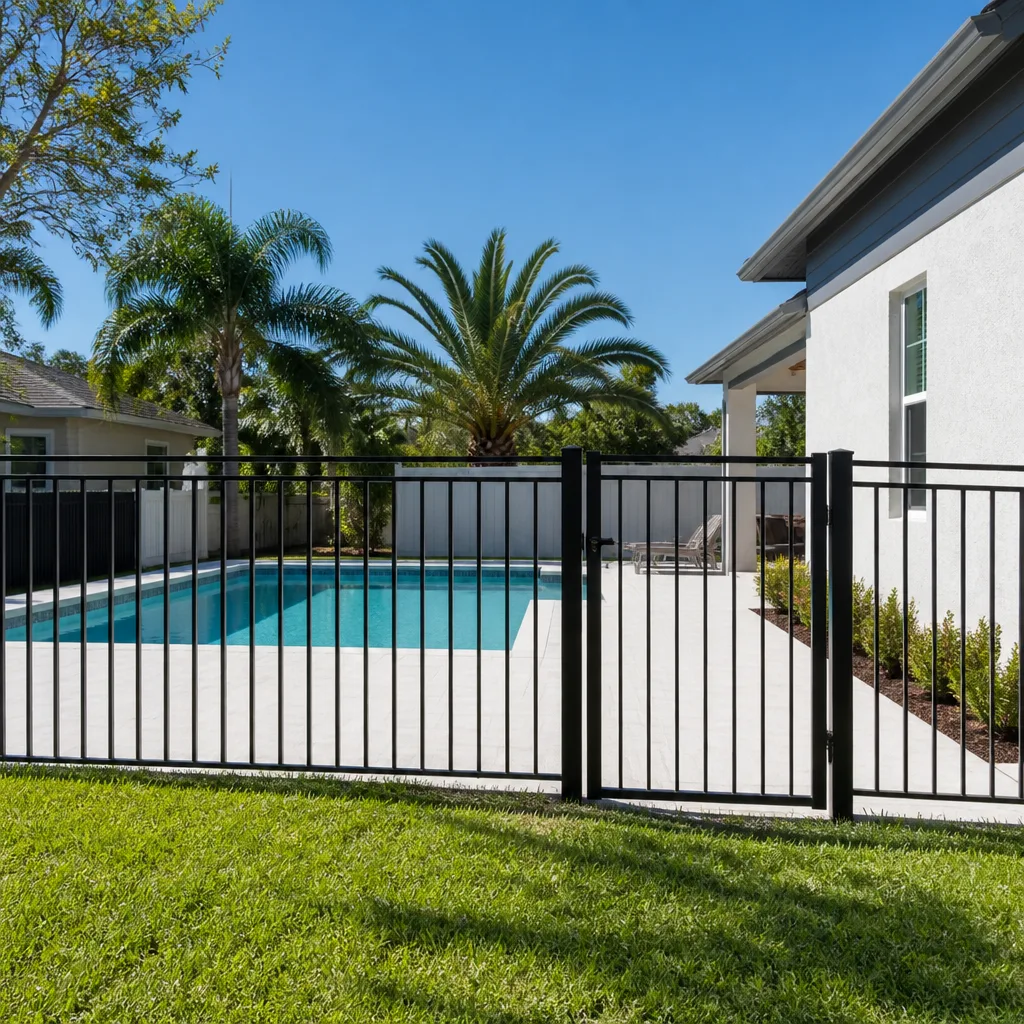
- Fence
See the difference
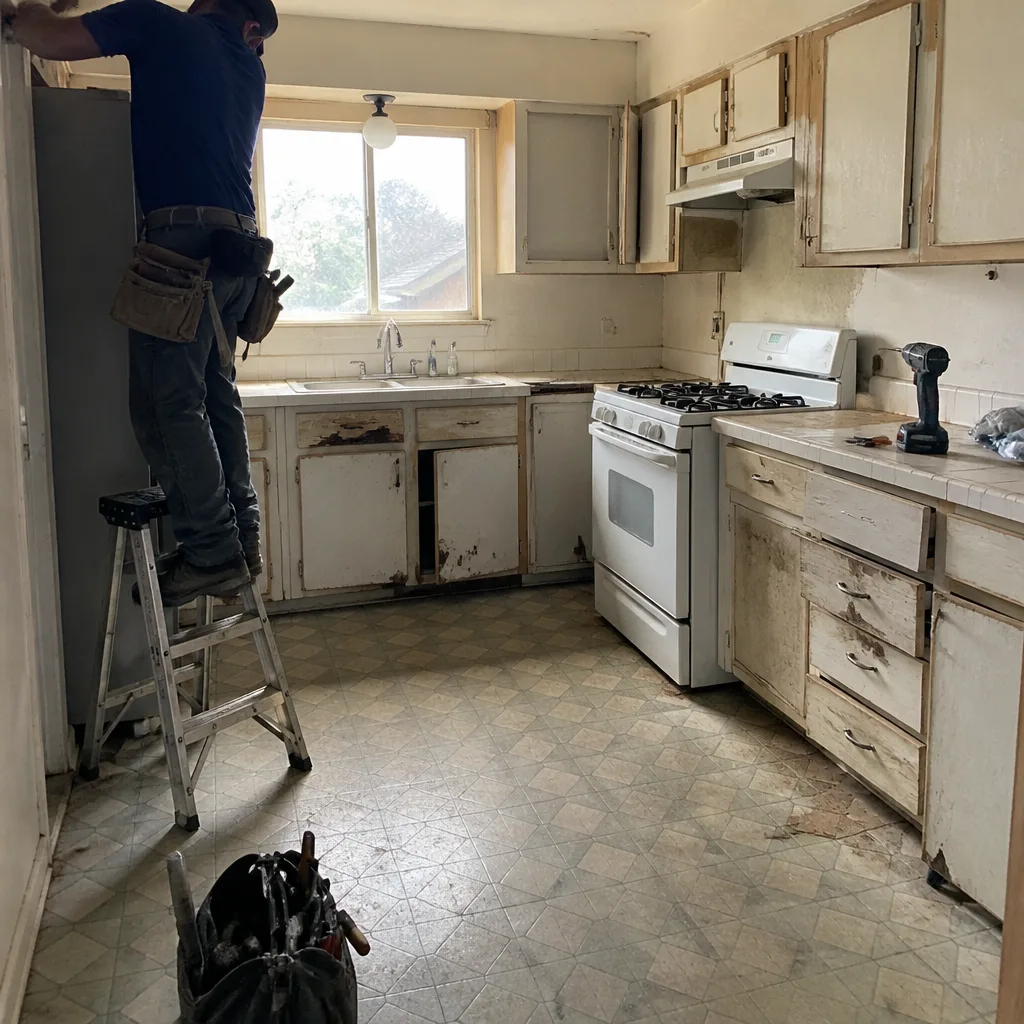 Before
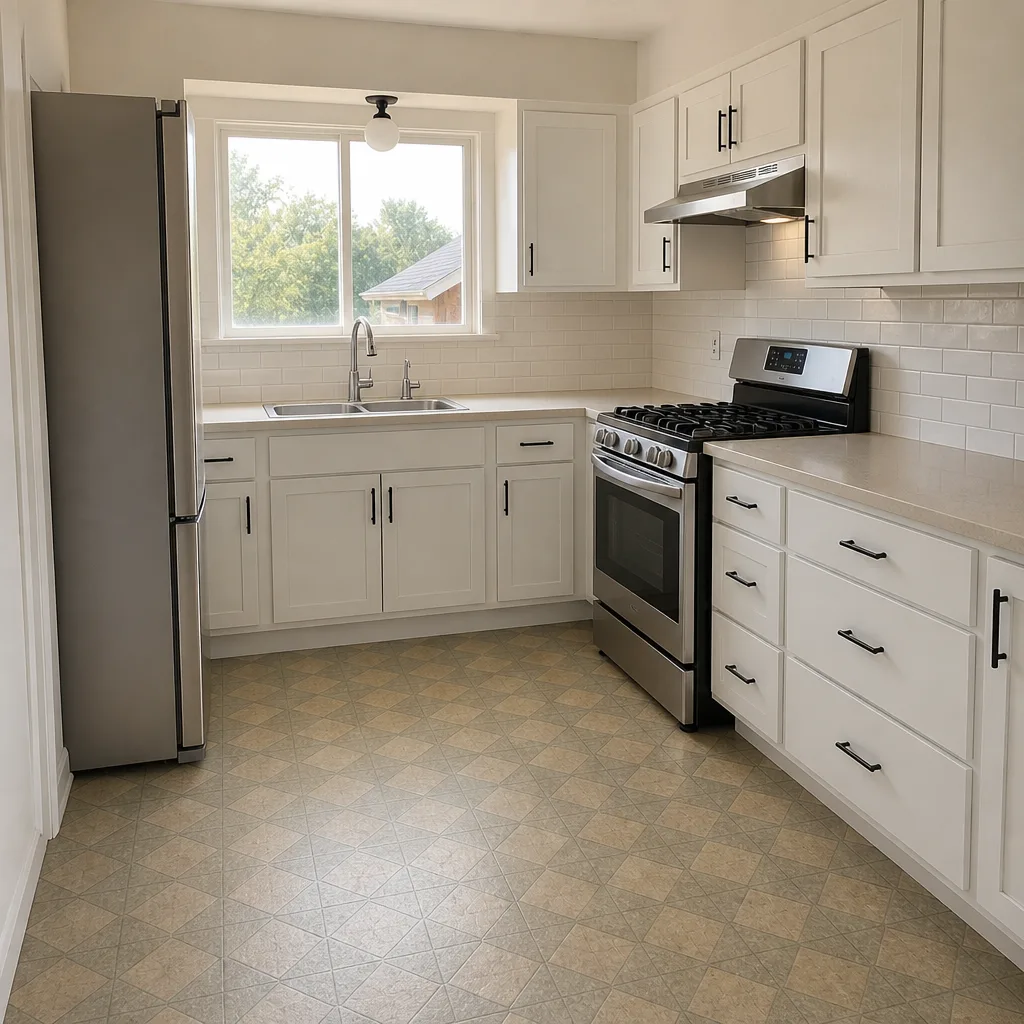 After
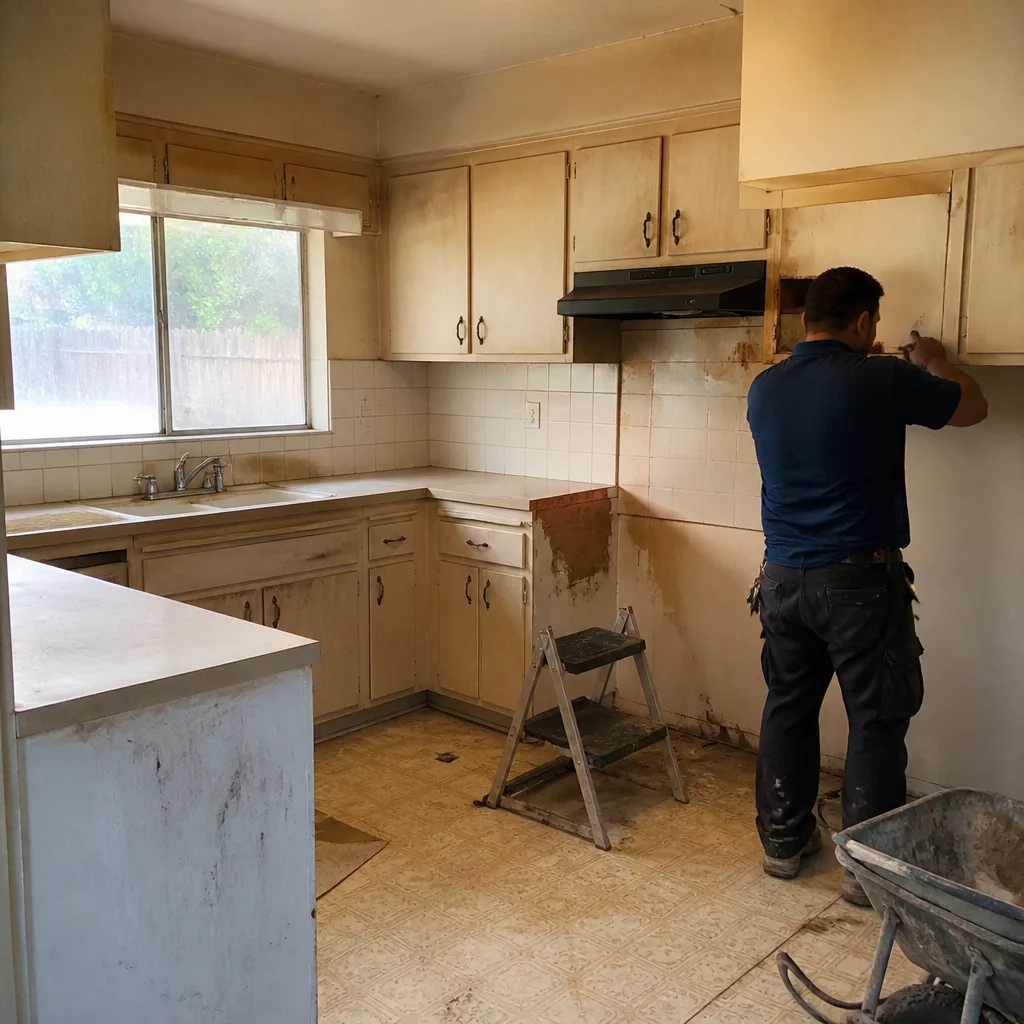 Before
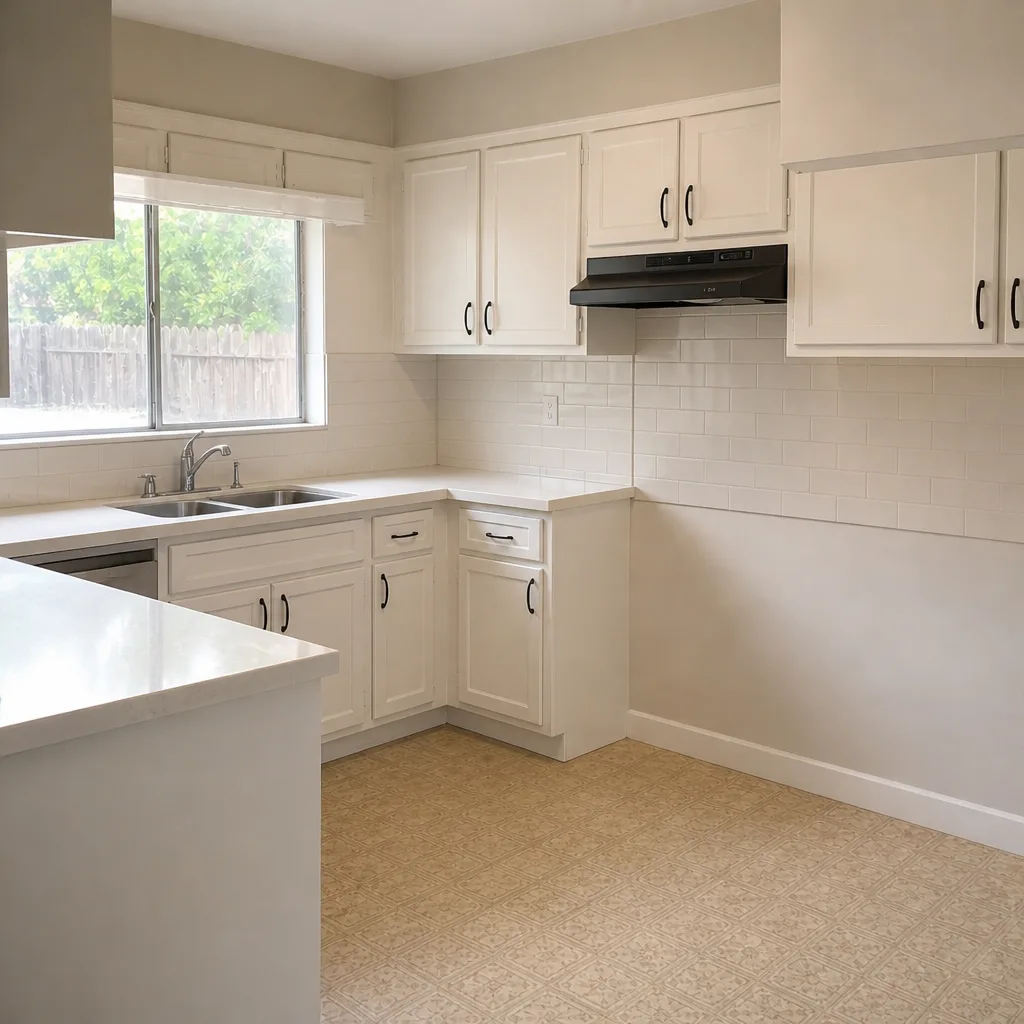 After
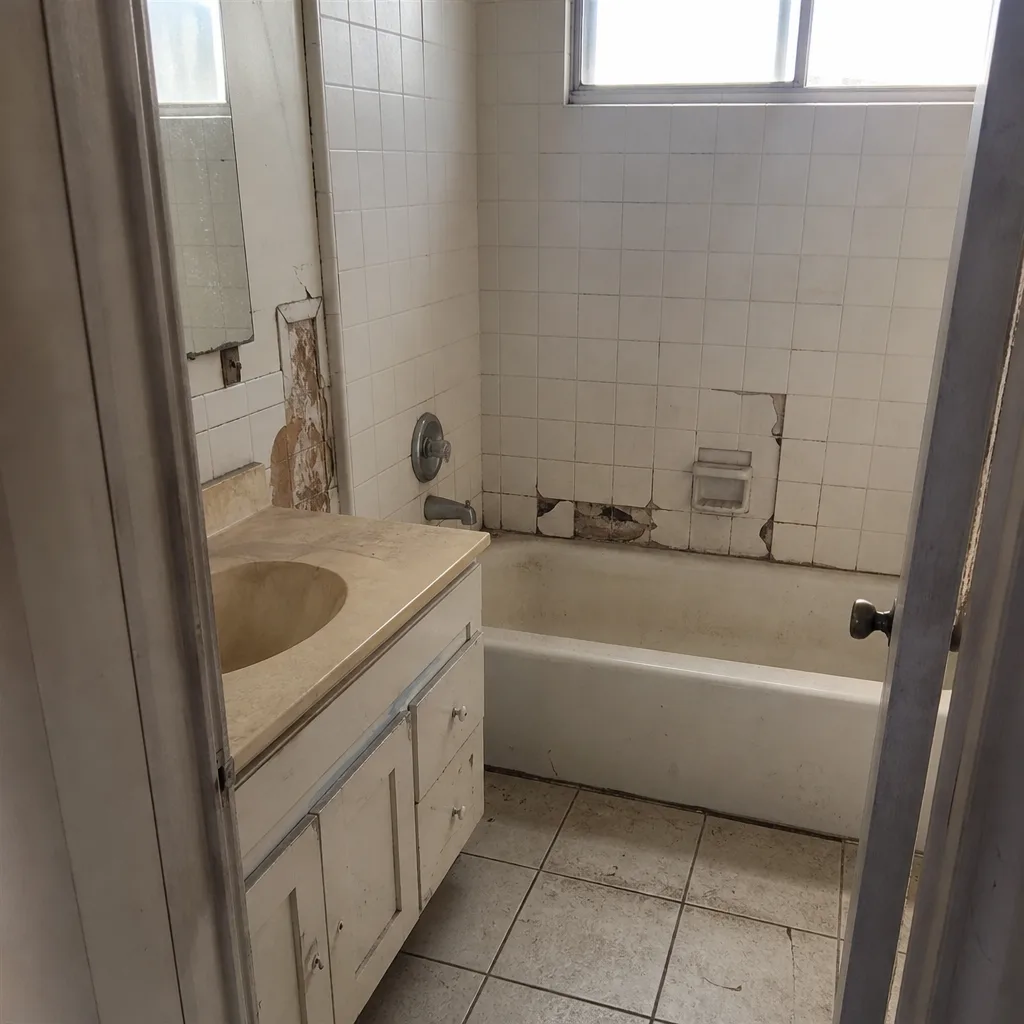 Before
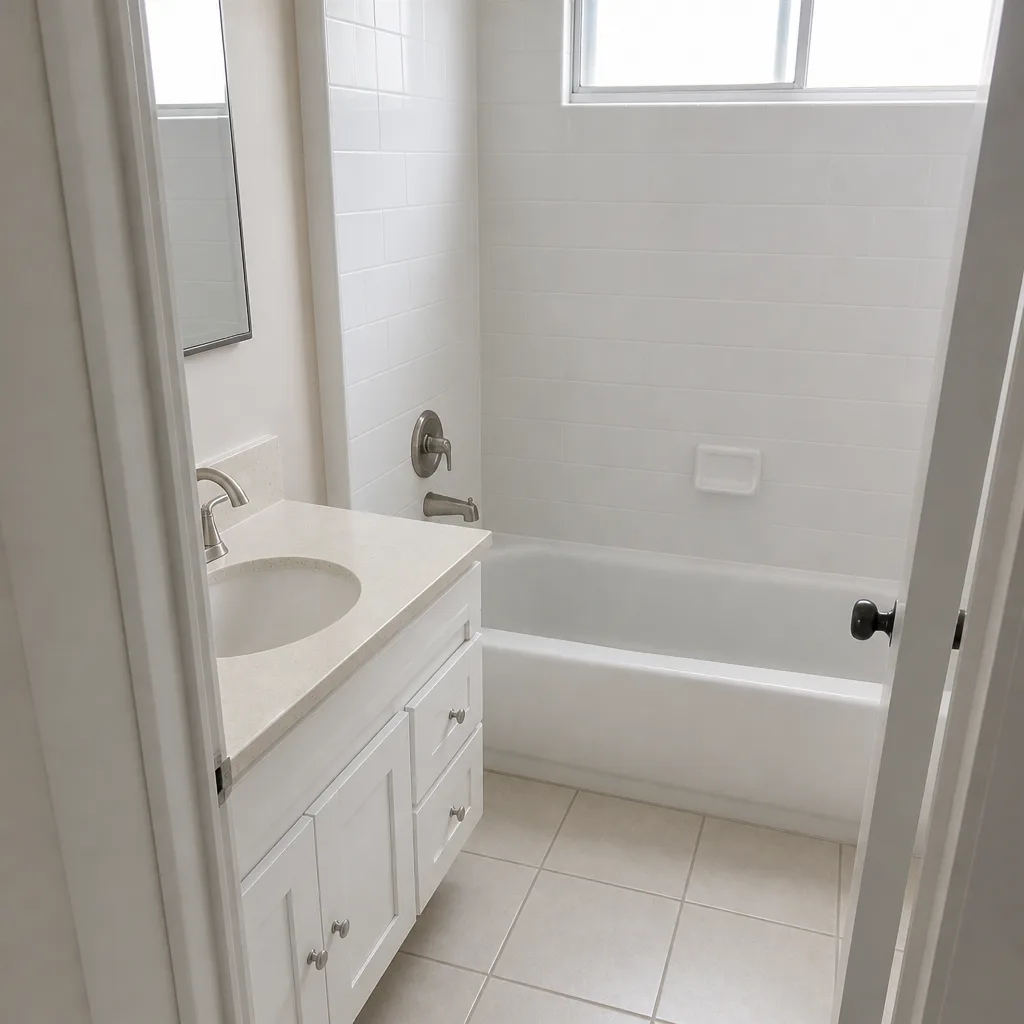 After
What Does a General Contractor Do in Orange, CA? The Three Layers Most Homeowners Never See
A general contractor (GC) is the professional who turns a set of drawings and a homeowner’s wish list into a permitted, inspected, finished project. On a residential job here, that means running three layers of work simultaneously: pre-construction (defining scope, pulling permits, taking bids from trade subcontractors, and delivering a written price), construction (daily site coordination, inspection scheduling, material sequencing, photo documentation), and post-construction (punch-list closeout, permit finaling, and warranty activation). The visible part is the crew on the jobsite. The part that determines whether you pay what you agreed to is administrative. Call (844) 320-7508 for a free written price on any project.
Most homeowners in Orange don’t learn that the second job exists until something goes wrong. The change order that was never priced in writing. The subcontractor whose scope crept by a line item every week. The inspection that got rescheduled three times and pushed the final by six weeks. Those events are what separate a project that closes at $180,000 from one that closes at $210,000 on the same original number.
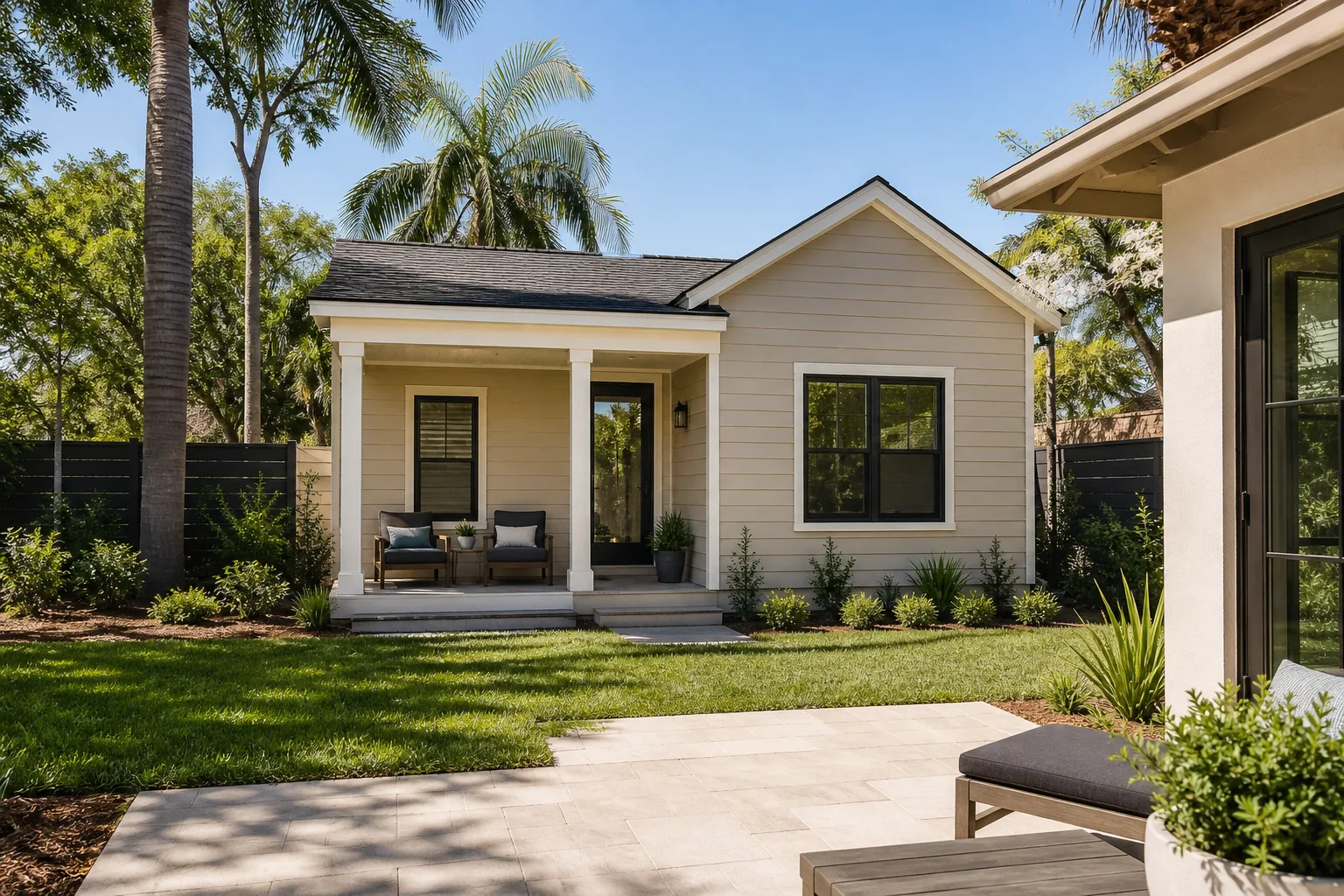
The three functional layers of a GC, in plain terms
Orange is a rare Orange County city that still holds a real historic core. Old Towne’s concentration of pre-1920 Craftsman and Victorian homes means construction here regularly sits at the intersection of historic-district design review and modern renovations, not the tear-down-and-rebuild pattern of Irvine or Tustin. That local fact shapes every one of the layers below.
1. Pre-construction: scope, permits, bids, and a written price
Before a hammer swings, a GC defines what is and isn’t in the project, submits documents to the city, and collects bids from trade subcontractors who will actually perform the work. “Pulling a permit” in Orange means submitting construction documents to the City of Orange Building Division, responding to plan-check corrections (most projects see one to three review cycles), and receiving the permit that authorizes work. Plan-check alone typically takes four to ten weeks before day one of construction. On top of that, Old Towne projects with visible exterior changes also run through the city’s historic-district design review, where the preservation officer can dictate window profiles and exterior materials. That’s a separate approval timeline, and a GC either runs it in parallel with building permit or watches it add weeks.
Subcontractor bidding is the second pre-construction function most homeowners underestimate. A GC with a deep bench of vetted material sourcing, things like Kohler fixtures or Moen valve bodies, has fewer bidding surprises and more honest numbers. The written price delivered at the end of pre-construction is what a project is measured against. Rowan Construction Group Orange puts that number on paper before any work starts, always, because a verbal estimate is a wish and a written one is a contract.
2. Construction: coordination, inspections, sequencing, and photo documentation
Once work begins, the GC’s job becomes logistics. Trades arrive in the correct order, inspections get scheduled at the correct intervals (rough, framing, and final), and materials show up before crews need them, not after. On tight Old Towne lots, that sequencing is compressed further by staging constraints. There is nowhere to park a material delivery for three days; it arrives when it’s used or it blocks the alley.
Documentation is part of construction, not an afterthought. On every Rowan site visit, the crew takes photos of the substrate, the shingle layer count, the tile membrane, whatever the day’s work revealed. The customer leaves with evidence of what was found and what was done, not a summary paragraph. That photo record also becomes the reference document when a warranty question comes back two years later. Our technicians have up to 19 years of experience, and background-checked uniformed crews show up on time to produce that record on every job.
3. Post-construction: punch list, permit final, warranty activation
Post-construction is where amateur GCs disappear. The punch list gets walked, corrections get made, the permit gets finaled with the city before the project is called complete, and the written warranty activates. A permit that isn’t finaled is a problem that follows the homeowner to resale. A GC who closes the file properly avoids that.
- Pre-construction deliverables: written scope, written price, permit submission, design-review coordination, subcontractor bids
- Construction deliverables: daily site coordination, inspection scheduling, material sequencing, documented photo record on every visit
- Post-construction deliverables: punch-list closeout, permit finaling, written warranty activation, 365-Day Done Right Promise coverage
Change-order management: the invisible job that controls the final invoice
Every project encounters field conditions that differ from the original scope. Unexpected framing in a pre-1920 Old Towne wall cavity. Buried utilities under a driveway being replaced. A cabinet line that gets substituted. Those changes are normal. What separates two GCs is whether each change gets documented, priced, and signed off in writing before anyone acts on it.
The alternative is a verbal instruction from a well-meaning subcontractor to a homeowner, followed six weeks later by a disputed invoice line. Under Rowan’s Haven Standard, no work proceeds on a change until the change order is signed. That single administrative discipline is the reason projects finish within a few percent of the agreed cost across thousands of jobs, and it’s something a homeowner should ask every GC about before signing.
The same discipline applies to subcontractor contract management. A GC who holds trade crews to written scope terms, verifies insurance, and requires background-checked crews produces a different inspection pass rate and a different warranty call-back frequency than one who calls the same unlicensed handyman on every job. Ask a GC how they manage it.
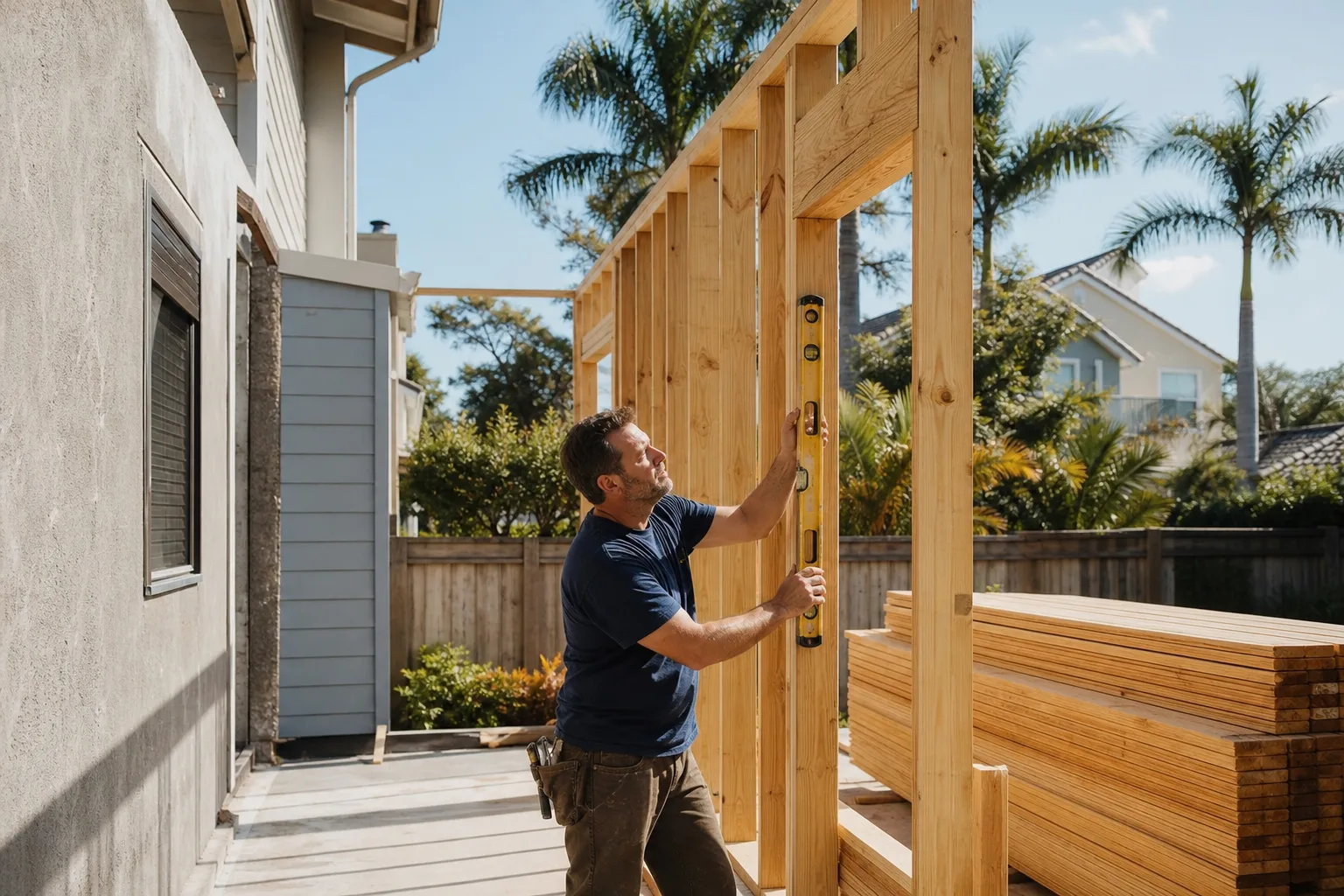
What does the process cost in Orange?
Project pricing depends on trades, square footage, and finish level, but the ranges below reflect what Orange-area work actually runs. Every Rowan project gets a flat written price at this stage, with a written scope and written warranty attached, because “call for a quote” isn’t a number a homeowner can screenshot and compare.
| Project | Typical Orange range |
|---|---|
| Kitchen remodel | $14,000-$45,000 |
| Bathroom remodel | $9,000-$28,000 |
| Roof replacement | $8,000-$20,000 |
| Window replacement | $4,500-$15,000 |
| Fence installation (vinyl / aluminum) | $3,500-$10,000 |
| Paver driveway | $7,000-$18,000 |
| Home addition | $45,000-$130,000 |
| ADU construction | $90,000-$220,000 |
Notice what isn’t on that list: the administrative layer of pulling permits, coordinating historic design review, sequencing inspections, and managing subcontractor contracts. Those functions are included in every Rowan written quote. They’re also where a cheaper bid quietly recoups its number later, through change orders, schedule extensions, or unfinished closeout. Return to our home page for a full picture of what a written Rowan price covers.
FAQs
A general contractor pulls permits, coordinates multiple licensed trades, manages inspections, and documents the entire project in writing - a handyman does not. The GC is legally the party responsible for a permitted job being built to code and passing final inspection. That leverage is what protects the homeowner when a subcontractor’s work fails inspection or a change arises mid-project.
In most cases, yes. A kitchen remodel nearly always involves plumbing, electrical, and often structural changes, each of which requires its own permit and its own licensed trade. A GC coordinates all three, sequences the inspections, and holds each trade to a written scope. Kitchen remodels in Orange run $14,000-$45,000 depending on size and finish level, and a written price at the start of the job is the only reliable way to know where you’ll land.
There’s no separate “GC fee” line on a properly structured Rowan quote - the written price is the price. What varies is the project itself: an ADU construction project sits at $90,000-$220,000, a home addition at $45,000-$130,000, and a garage conversion at $30,000-$80,000. Those ranges reflect the actual scope and permit complexity of Orange work, not a national average. For an exact quote on your project, call (844) 320-7508 - estimates are free.
Yes, but only if the GC has specific experience with the city’s historic-district design review. Old Towne projects that alter visible exterior details run a dual-track approval: standard building permit through the City of Orange Building Division alongside historic preservation review, where materials and window profiles must match the neighborhood’s period character. A GC who runs both timelines in parallel avoids the weeks that a serial approach adds. If your project is in the historic core, ask any GC what their Old Towne experience looks like before signing.
Talk to a Rowan team about your Orange project
If you’d rather have your project looked at by someone who puts the number on paper before work begins, Rowan Construction Group Orange offers a no-pressure assessment - call (844) 320-7508. Bring a competitor’s written estimate and we’ll review it line by line at no charge.
Written by the team at Rowan Construction Group Orange, serving Orange, CA.