Last updated November 18, 2026


Free written scope consultation - allowances, timeline, and change-order rules on paper before a single trade is scheduled
DIY vs Professional Construction: The Orange Homeowner’s Decision Guide
The math on DIY looks simple until you sell. A homeowner who swaps out their own water heater saves $400 in labor and creates an unpermitted installation that a buyer’s inspector will flag, potentially requiring a licensed plumber and a re-inspection before close of escrow. In Orange, where a large share of the housing stock predates the 1990s and buyers order full inspection reports as a matter of course, that unflagged swap can cost more at closing than the labor ever saved. This guide walks through the three factors that actually change the DIY-vs-professional calculation for Orange homeowners who plan to sell within ten years: permit exposure, insurance liability, and whether the work survives a home inspection. You’ll learn California’s owner-builder rules, a trade-by-trade risk matrix, the real cost of common DIY rework, and a five-question framework that produces a defensible answer for any project.
Quick Answer
For most Orange homeowners planning to sell within ten years, the DIY question is not “can I do this?” but “can this work survive a buyer’s inspection and a lender’s appraisal without a disclosure problem?” Painting, landscaping, and demolition are low-risk DIY territory. Electrical, gas, structural, and roofing work that requires a permit carries legal and insurance exposure that usually outweighs the labor savings once resale is in play. The safest rule: if the job needs a permit in California, or touches a licensed trade, price out the professional version before you pick up a tool.
Styles & brands we work with
- Kitchen remodeling
- Bathroom remodeling
- Home additions & ADU
- Roofing
- Windows & doors
- Driveway & pavers
- Fence
Table of Contents
- What California’s Owner-Builder Permit Actually Permits
- The Owner-Builder Disclosure at Sale – What Buyers See
- How Lenders Treat Owner-Built Work in Appraisals
- Trade-by-Trade DIY Risk Matrix for Orange Homes
- Insurance Gap Analysis: HO-3 Policy Language and DIY Work
- The Real Cost of DIY Mistakes in Orange’s Market
- The Five-Question Decision Framework
- When to Call a Professional
What California’s Owner-Builder Permit Actually Permits
California allows a homeowner to pull a permit as an “owner-builder” under Business and Professions Code section 7044, but the scope is narrower than most people assume. The owner-builder exemption lets you perform work on a property you occupy as your principal residence without holding a contractor license. It does not let you build a rental unit you don’t live in, it does not transfer to a buyer, and it does not shield you from the requirement that the work still be inspected by the local building department.
What the exemption specifically does:
- Allows a resident-owner to act as their own general contractor on work to their own home.
- Requires that any work you hire out be done by a licensed contractor in that trade (a licensed electrician for electrical, a licensed plumber for plumbing, a licensed roofing contractor for roofing).
- Keeps you responsible for pulling the permit, scheduling the inspections, and meeting every code requirement the plan reviewer flags.
What it does not do:
- Remove the requirement that the work meet the California Building Code and any Orange-specific amendments.
- Allow an unlicensed individual to perform work on someone else’s property for pay.
- Eliminate the disclosure requirement at sale (covered below).
In our experience across Orange remodels, the owner-builder exemption is most often misused on ADU projects. The rules for building a detached unit on your own property as an owner-builder are strict, and the plan-check process in Orange is not forgiving of a homeowner who assumed the exemption covered everything. If you’re considering an ADU, read the Home Additions & ADU in Orange guide before you commit to a scope – the permit sequence is more involved than a kitchen or bath.
The Owner-Builder Disclosure at Sale – What Buyers See
Here’s the piece most Orange homeowners don’t learn until they’re listing: California requires an owner-builder to disclose on the transfer of the property that certain work was performed without a licensed contractor. The standard Transfer Disclosure Statement and the associated owner-builder notice can trigger buyer questions, re-inspection requests, or credits at closing.
In practical terms, a buyer’s agent reading a disclosure that says the previous owner built the addition or converted the garage as an owner-builder will typically do two things: order a permit history pull from the city, and ask their inspector to look harder at that scope. If the work was permitted and finaled, the pull is a non-event. If it wasn’t, you’re negotiating from a defensive position, and in a market like Orange where comparable homes trade on documented square footage, an unpermitted addition is often appraised at its permitted footprint, not its actual footprint.
Our advice on documentation: treat the final inspection card and the signed change order as part of the asset, the same way you’d treat the title. When the work is done professionally, the paper trail is the deliverable. A buyer’s lender wants to see the finaled permit; the buyer’s inspector wants to see the photo record. That’s why Rowan Construction Group Orange includes a documented photo record on every visit as standard, not an upgrade – so the resale file is complete on day one.
How Lenders Treat Owner-Built Work in Appraisals
A lender’s appraiser is not there to admire your tile work. The appraiser is there to establish a value the lender can underwrite against. Unpermitted work creates two problems the appraiser must resolve: the marketability question (will a typical buyer accept this?) and the insurability question (will a standard carrier write a policy on it?).
Three scenarios come up repeatedly in Orange:
- Permitted and finaled work: the appraiser adds the value as part of the home’s documented condition. No issue.
- Unpermitted but safe and code-conforming: the appraiser may give it contributory value with a caveat, or may exclude it entirely. Either way, the lender sees the caveat, and the underwriter can ask for corrections before funding.
- Unpermitted and non-conforming: the appraiser usually excludes the square footage, and the lender may decline the loan or require the work be corrected before close.
If you’re financing the project, an unpermitted scope performed by the prior owner – or by you – becomes a condition on the loan of your own refinance. That’s an unforgiving outcome. A written quote before work starts, backed by permits pulled and inspections passed, keeps the appraisal file clean. That’s the operating standard at Rowan under The Haven Standard: the price is written before anyone picks up a tool, and the permit paper follows the work in the customer’s hands.
Trade-by-Trade DIY Risk Matrix for Orange Homes
Permit and liability risk varies enormously by trade. Here’s the matrix we walk Orange homeowners through when they ask us where DIY is reasonable and where it isn’t.
Low risk – DIY is usually a good trade
- Interior painting: no permit, no licensed trade, minimal resale impact if the prep is done properly.
- Landscaping (planting, sod, irrigation reset): no permit for most planting; be careful with retaining walls over roughly 4 feet, which do require engineering.
- Tile demolition: tenant-improvement style demo is straightforward as long as you’re not cutting into a slab or a load-bearing wall.
- Cabinet hardware, fixtures, outlet covers: swap-level work with no structural or code exposure.
Medium risk – depends on scope and resale timeline
- Cabinet and countertop replacement: permits aren’t always required, but plumbing rough-in and electrical relocation during a kitchen reset absolutely trigger them.
- Drywall and patching: fine for small patches; risky if you’re cutting into a wall that contains plumbing, gas, or a shear panel.
High risk – the work touches a licensed trade or a permit threshold
- Electrical: any new circuit, panel work, or wiring change requires a permit and a licensed electrician. Improperly sized wire gauge (an undersized 14-gauge run on a 20-amp circuit is a common DIY error) is a fire hazard, not a code technicality.
- Gas line work: gas lines and appliances must be run by a licensed plumber or contractor. Gas leaks are a genuine safety issue, not a resale wrinkle.
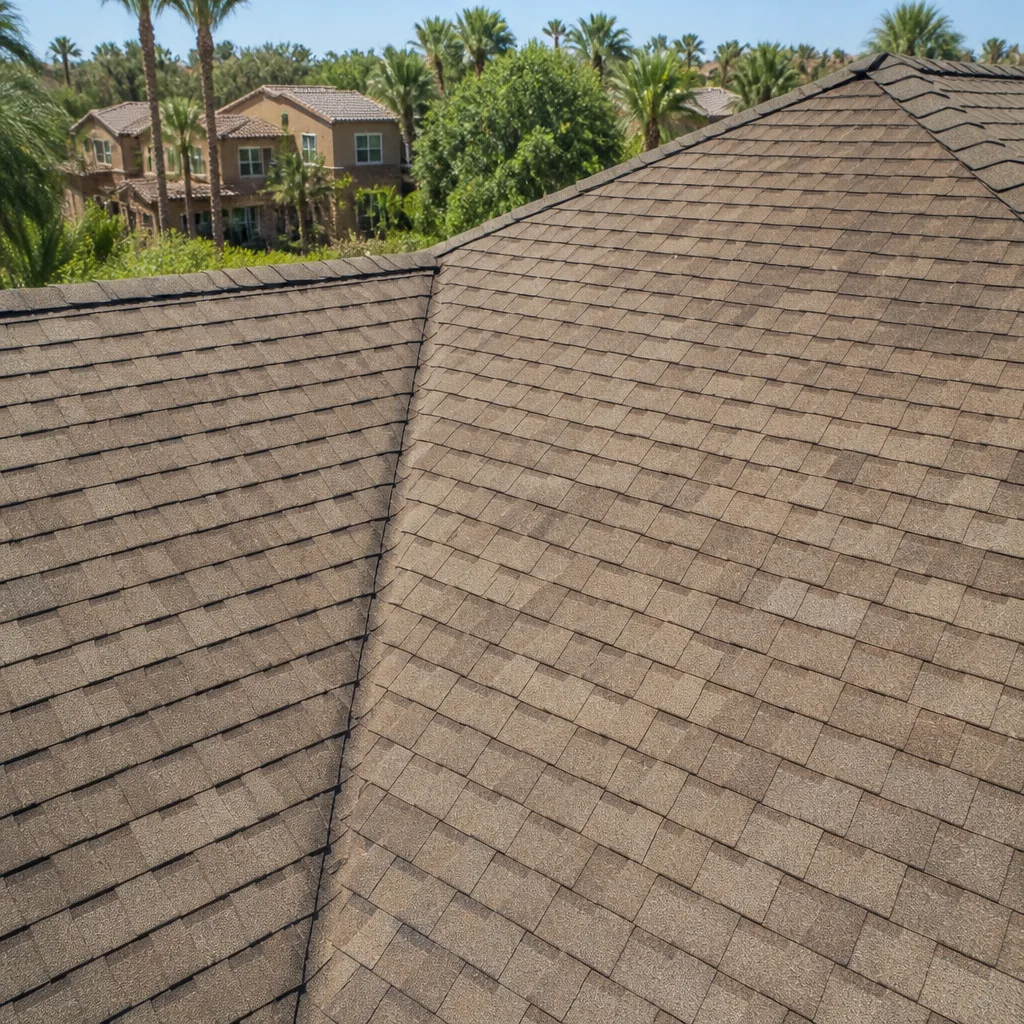
- Roofing: flashing, underlayment, and the layer count of the existing roof all require a trained eye. Improper flashing is the single most common cause of the water intrusion we’re called to fix in Orange.
- Structural: joist notching, beam sizing, and shear panel work are engineering decisions, not carpentry decisions. An incorrectly notched joist can fail an inspection and require a header rework.
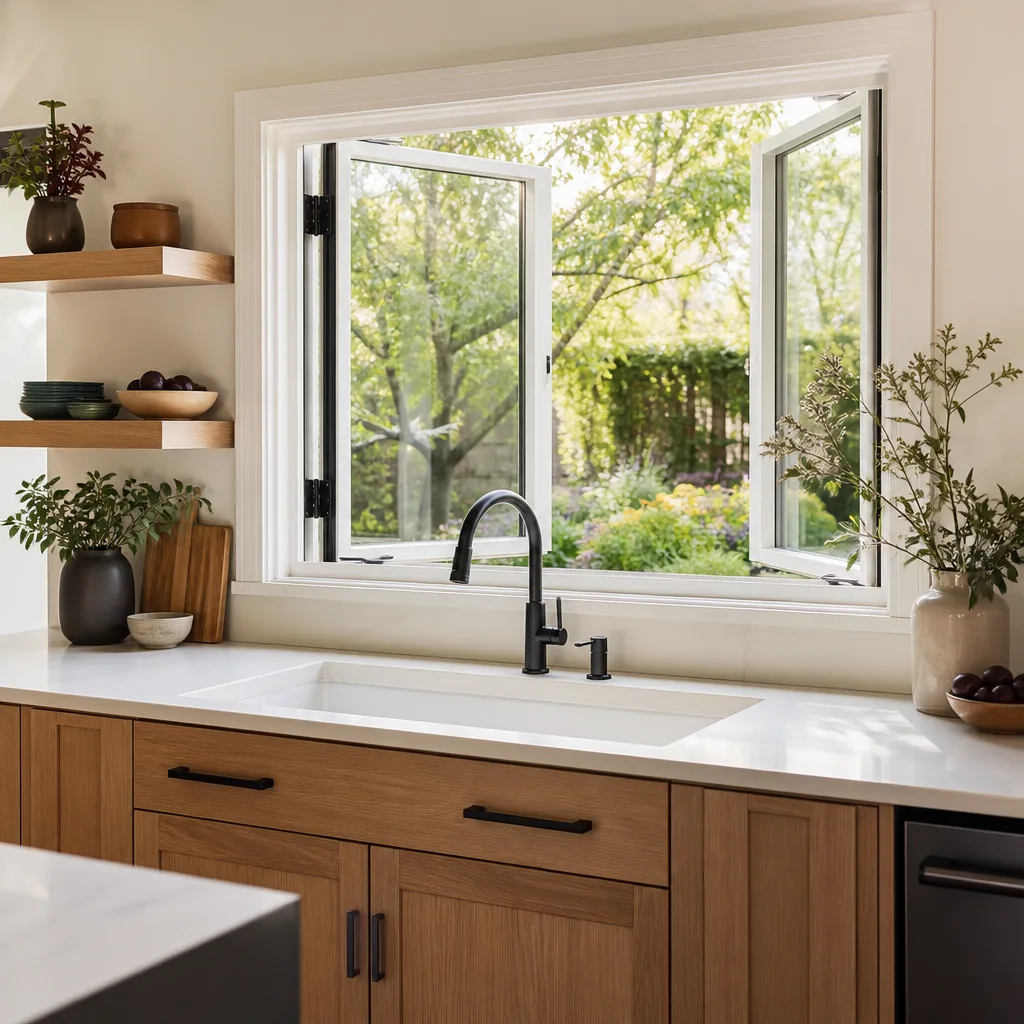
- Windows and doors: replacement in Orange usually triggers a permit and a Title 24 energy compliance check. That’s not a scope to guess at.
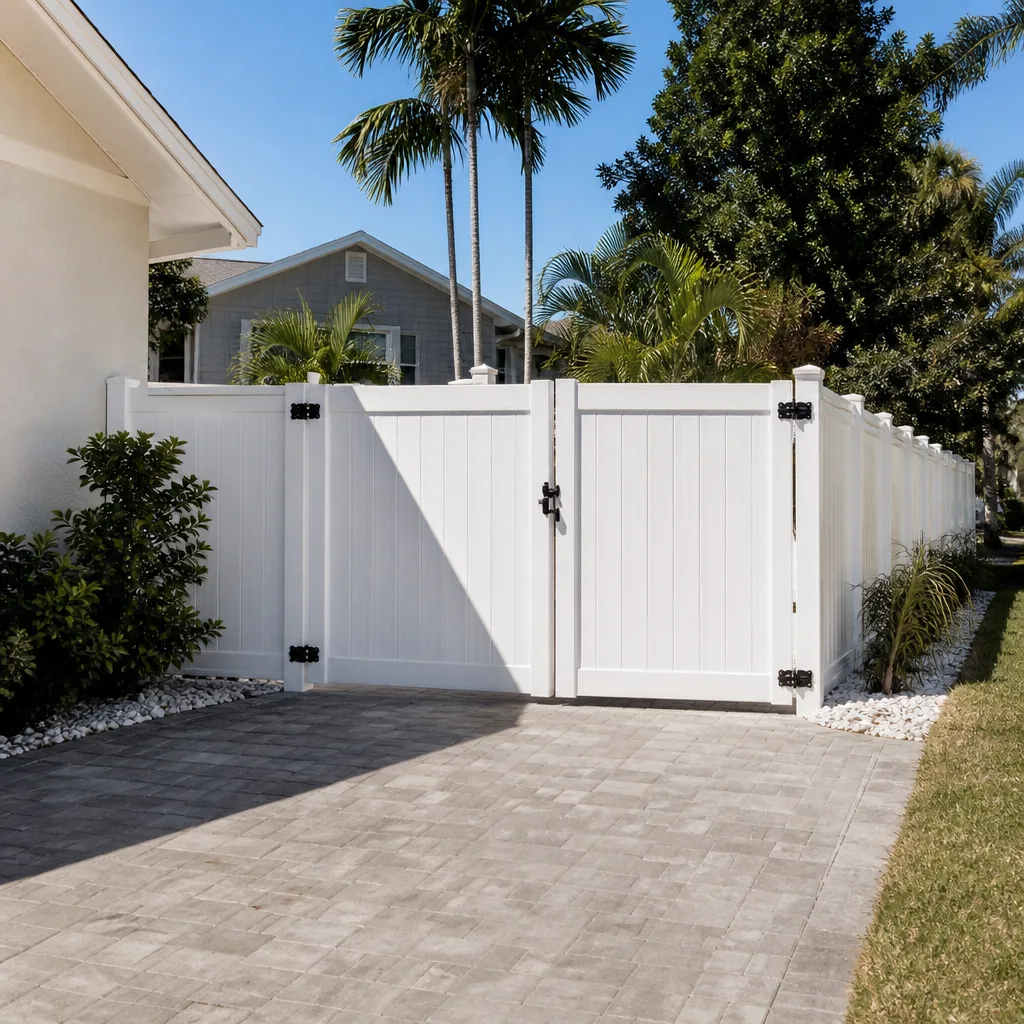
For the exterior trades, the picture is more forgiving but not free. A wood privacy fence installed to code rarely needs a permit and rarely raises a resale issue; the same can’t be said for a driveway that alters the drainage path across a property line. If you’re weighing these, the Fence Installation in Orange and Driveway & Pavers in Orange guides lay out the boundary-scope specifics – including which brands (Barrette, Master Halco, Ameristar, Belgard, Techo-Bloc) hold resale value versus which don’t.
Insurance Gap Analysis: HO-3 Policy Language and DIY Work
The most common misconception we hear is that a homeowner’s policy covers work the homeowner performed. Read the exclusions on a standard HO-3 policy carefully and the picture sharpens:
- Faulty workmanship exclusion: damage caused by your own faulty workmanship is typically excluded. If your DIY shower pan leaks and rots the subfloor, the resulting water damage may not be covered because the cause was your own installation, not a sudden event.
- Contractor-work coverage: damage caused by a licensed contractor’s faulty work is usually covered under the contractor’s liability policy, and your carrier can subrogate. Your carrier recovers its costs, you’re made whole for the resulting damage, and you don’t carry the loss.
- Unpermitted work: many carriers will deny a claim tied to unpermitted construction. Even where the policy doesn’t specifically say “permit,” the standard is that the work meet applicable building codes; unpermitted work fails that test.
- The third-party injury gap: if a helper is injured on your property during a DIY job, your homeowner’s policy may cover medical payments but not lost wages or the liability exposure a contractor’s policy and workers’ comp would absorb.
The practical translation: the time to check policy language is before you decide, not after a leak. A written price from a licensed contractor is not just a labor quote – it’s an insurance layer your HO-3 doesn’t provide.
The Real Cost of DIY Mistakes in Orange’s Market
We get called to correct DIY work on a regular basis, and the correction costs are consistent enough to quote. Here’s what we’ve seen in Orange over the past several years:
- Incorrect joist notching: a notched joist that fails an inspection typically requires sistering or a header replacement. Correcting one joist bay often runs $800-$2,200 depending on access and finish damage, before drywall repair.
- Undersized wire gauge on a 20-amp circuit: correction is $350-$800 for a licensed electrician to re-run the circuit, plus the inspection and permit fee. Not a large number, but the fire risk during the weeks it’s in service is.
- Improper roof flashing at a chimney or skylight: the leak shows up months later. Correcting the flashing and repairing the interior water damage commonly runs $1,400-$4,500 depending on how much drywall and insulation was saturated in the interim.
- Water heater installed without permit: a licensed plumber re-pull and re-inspection typically runs $200-$450 for the correction plus the permit, and the buyer’s inspector will still flag the original install on the seller’s disclosure.
- Unpermitted bathroom remodel: the worst case, where the tile and shower waterproofing must be removed to expose the rough-in for inspection. Correction typically runs $3,500-$9,000 depending on whether the shower pan and tile can be salvaged.
In Orange specifically, our older housing stock means the substrate behind the tile you’re demoing is often pre-1990 and doesn’t match what a modern waterproofing system expects. A scope that reads fine on paper runs into unexpected framing or plumbing once the wall opens. That’s the case for a written quote with a scope, rather than a phone estimate that’s revised when the crew is already on site – one of the reasons Rowan’s projects finish within a few percent of the number the customer agreed to.
The Five-Question Decision Framework
Before you pick up a tool, run any project through these five questions in order. The first answer that lands on the “yes” side for the professional routes the project there.
- Does this project require a permit in Orange? Check the city’s building department scope list. If yes, plan the permit into the timeline and budget regardless of who performs the work.
- Does this project touch a trade California licenses? Electrical, plumbing, gas, and roofing are licensed trades. A licensed contractor is required for that portion; the owner-builder exemption does not remove that requirement.
- Will this work show up on a seller’s disclosure within the next ten years? If the answer is yes – and it is for almost every permit-required scope – then the “saves labor cost” column collapses once you price the disclosure risk.
- Does my HO-3 policy exclude faulty workmanship caused by me? It almost certainly does. Package the work with a licensed contractor and the resulting damage falls under the contractor’s liability.
- Can I document this work to an inspector’s standard? A finaled permit card, a photo record, a signed change order. If not, the resale file has a gap a buyer’s inspector will find.
If any answer lands on the professional side, get a written quote before you commit to labor. That’s what the Rowan Construction Group Orange home page lays out clause by clause under The Haven Standard – a written price, a written scope, and a signed change order on every project.
Common Mistakes to Avoid
- Assuming the owner-builder exemption covers hired help. It doesn’t. If you hire someone to perform the work, they must hold a license in that trade, regardless of who pulled the permit.
- Skipping the permit because “it’s a small job.” Water heater replacements, electrical panels, and even a bathroom fixture swap often require a permit in Orange. The permit fee is cheap; the unpermitted disclosure at sale is not.
- Reading the insurance policy after the leak. The faulty workmanship exclusion should be checked before you begin, not when you’re filing a claim.
- Buying materials without pricing the trade labor. Homeowners routinely save 15-20% on materials through a big box store and lose that gain on the rework a fresh pair of hands causes on an unfamiliar system.
- Mixing a permitted scope with an unpermitted one. If you permit the addition and DIY the electrical under the same project, the inspector will see both, and the whole scope fails the pull.
- Underestimating Orange’s older plumbing and framing once the wall is open. Pre-1990 stock means the substrate you uncover often triggers a scope change. A written quote with a signed change order handles this without the surprise.
- Ignoring the Title 24 angle on window and door replacements. Even a door swap that seems minor can trigger an energy compliance check that a homeowner isn’t set up to perform.
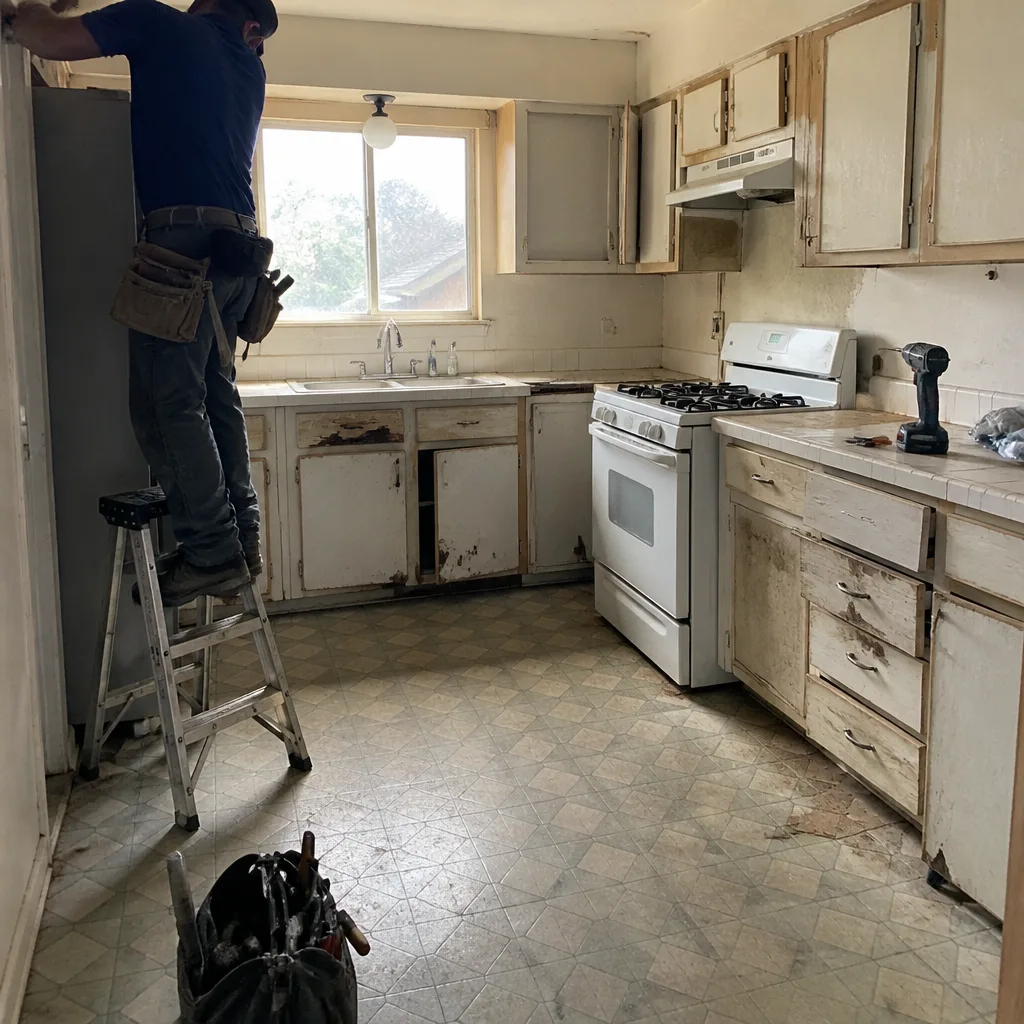
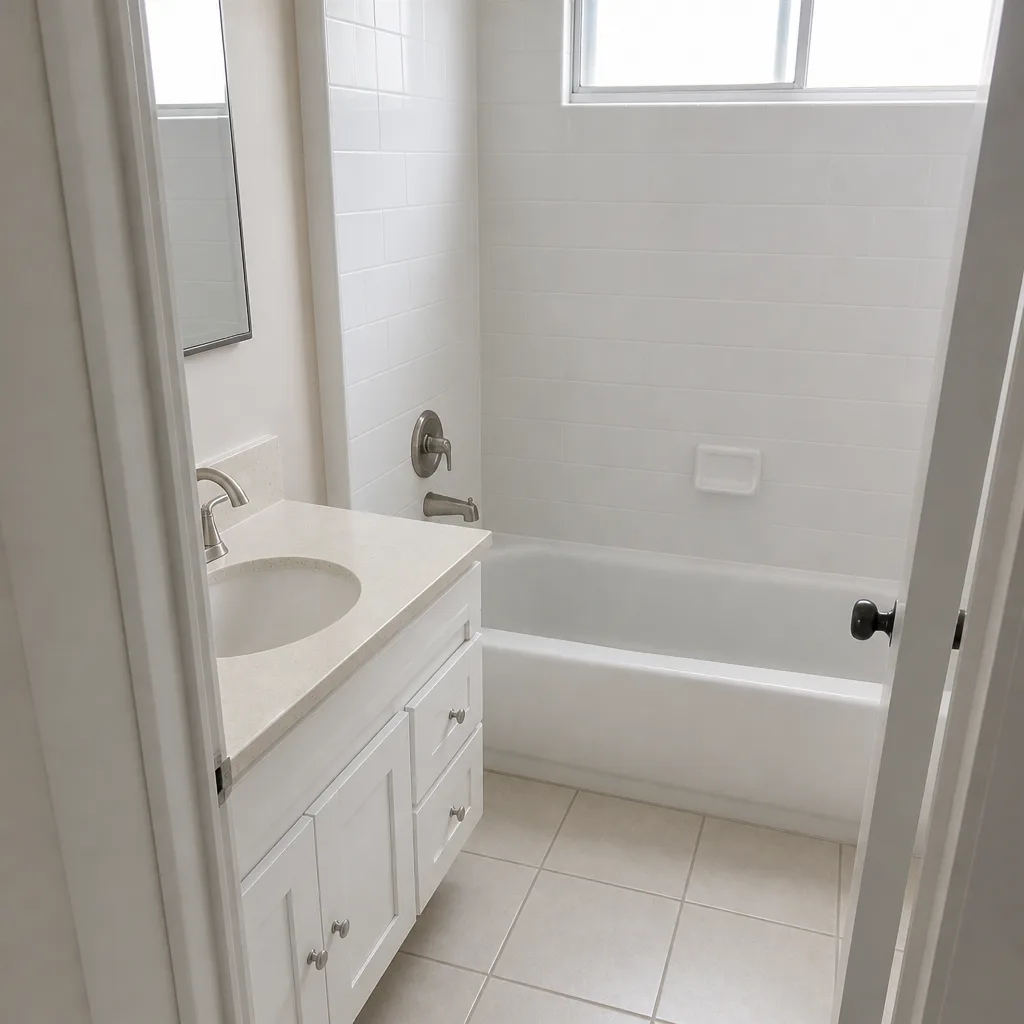
See the difference
 Before
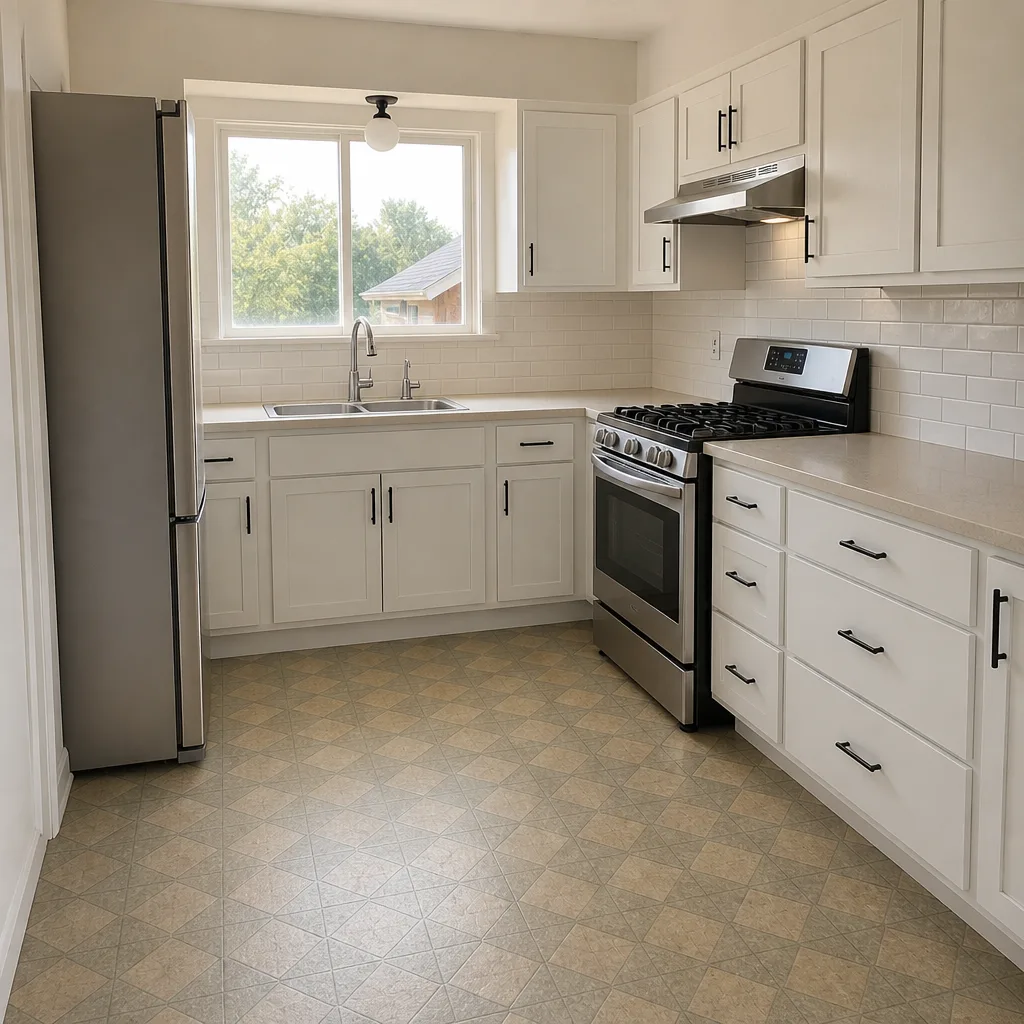 After
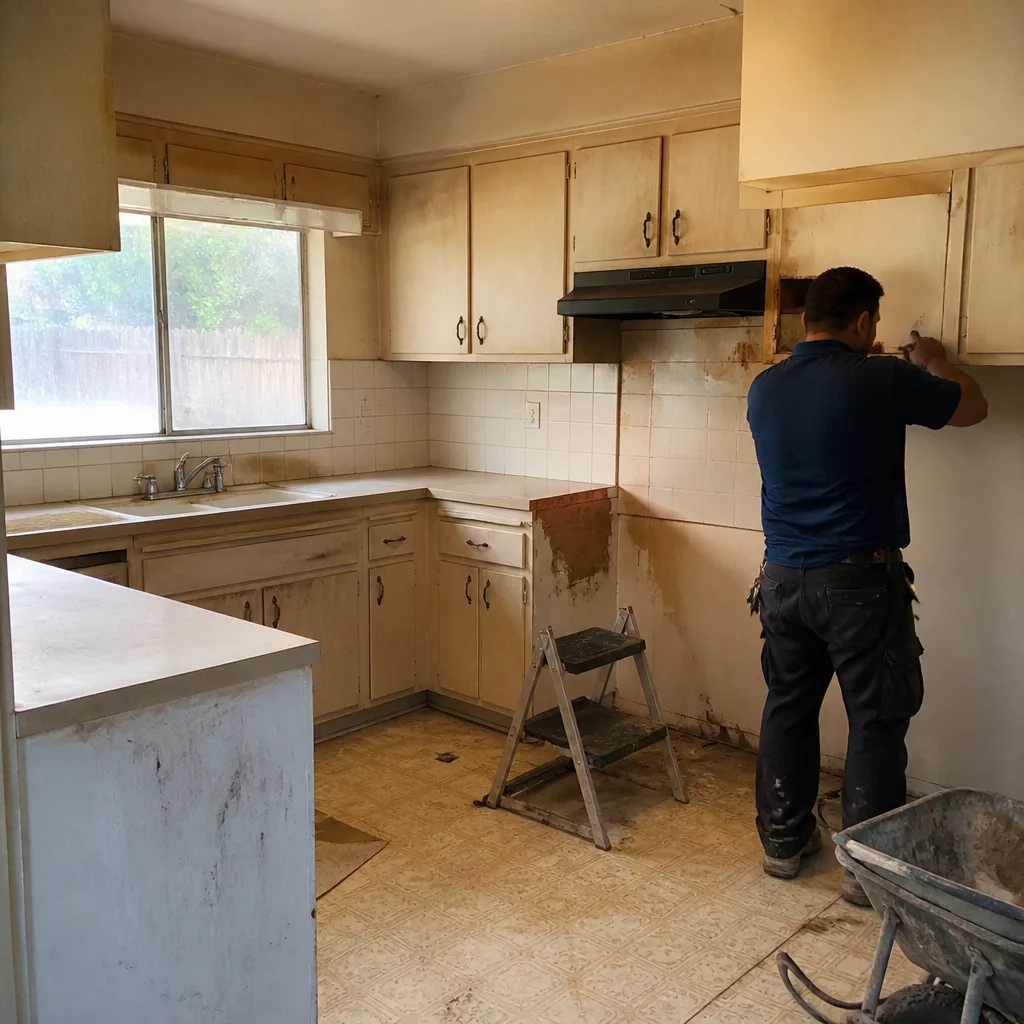 Before
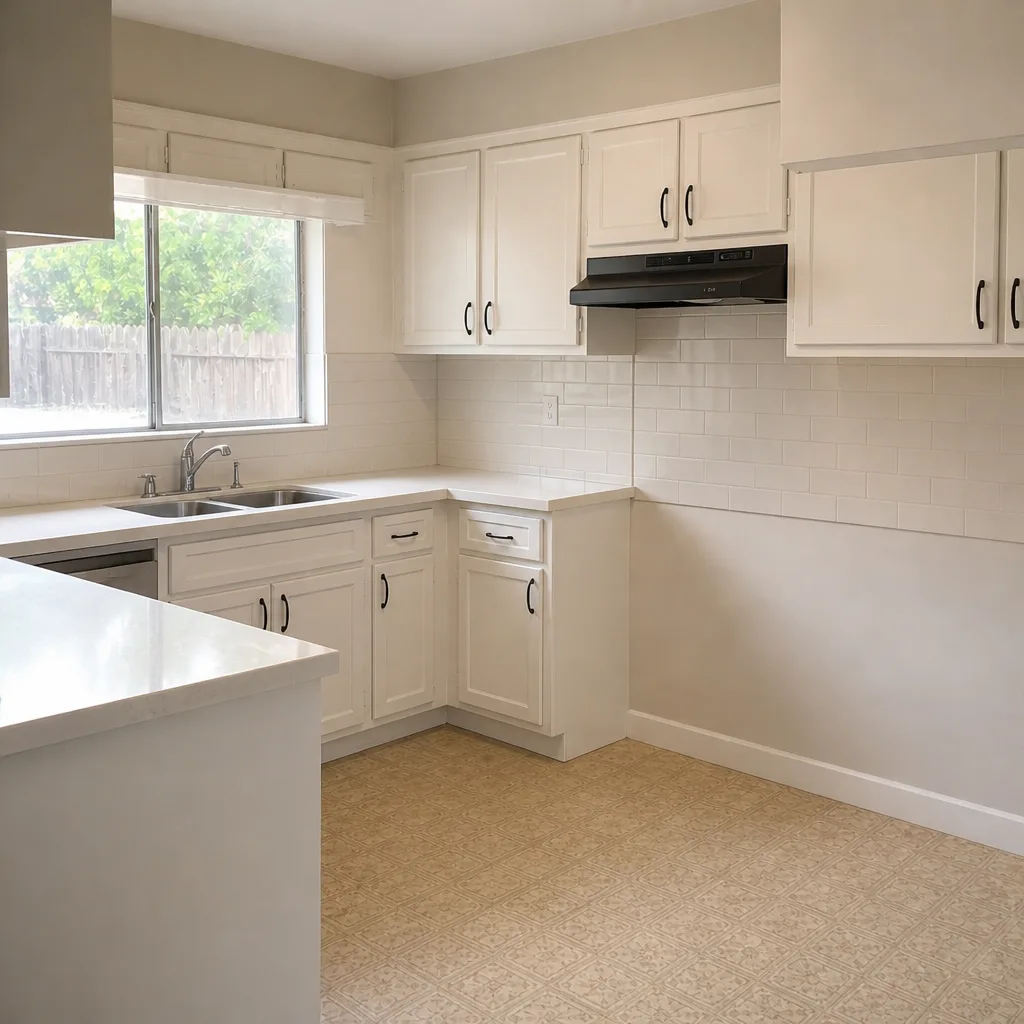 After
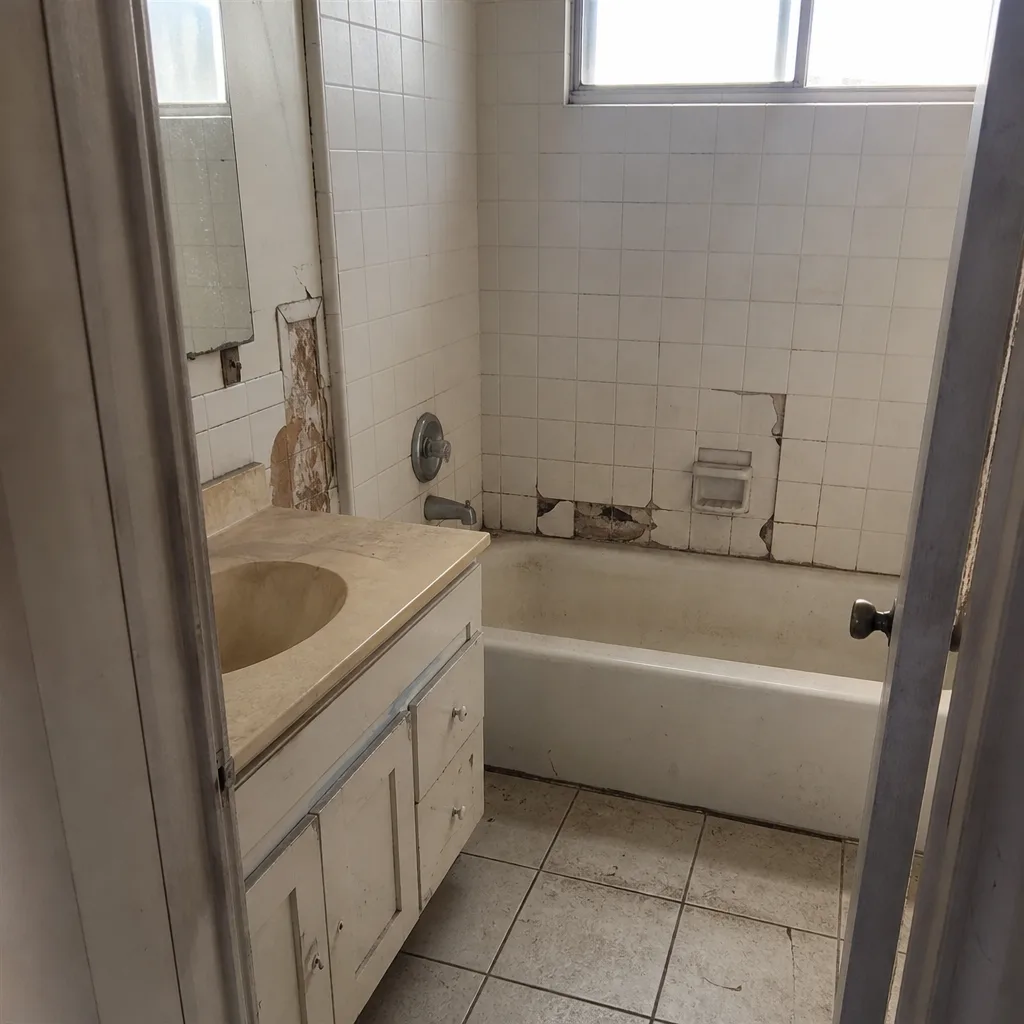 Before
 After
When to Call a Professional
Call a professional the moment the project crosses any of these lines: it requires a permit in Orange; it touches an electrical panel, gas line, or structural member; it involves roof flashing, a skylight, or a layer-count decision on an existing roof; it involves window or door replacement that triggers Title 24; or it changes the footprint or square footage of the home in a way that will be disclosed at sale and appraised by a lender. For anything short of those, DIY is a reasonable trade. For anything on those lines, the labor savings rarely match the permit, insurance, and resale exposure the work creates. Rowan Construction Group Orange offers free estimates in Orange – call (844) 320-7508 for a written price on any of the seven trades we cover.
Frequently Asked Questions
Only on a property you occupy as your principal residence, and only within the owner-builder exemption’s scope – which still requires you to pull the permit and pass the inspection, and doesn’t let you hire unlicensed help. For any panel change, new circuit, or wiring run that will be inspected, we strongly recommend a licensed electrician; the fire risk and resale exposure outweigh the labor savings. Call (844) 320-7508 for an exact quote – estimates are free.
Common corrections range from $350-$800 for an undersized wire gauge re-run up to $3,500-$9,000 to open a shower rough-in for re-inspection after an unpermitted bathroom remodel. Improper roof flashing corrections typically run $1,400-$4,500 once interior water damage is factored. Call (844) 320-7508 for a free second opinion on any written estimate – we’ll review it line by line.
Standard HO-3 policy language typically excludes damage caused by your own faulty workmanship, while damage caused by a licensed contractor’s faulty work is usually covered under the contractor’s liability. Before you start a project, check the exclusions section – not after the leak. A written quote from a licensed contractor is effectively a layer of insurance the policy doesn’t provide.
Often, yes. Lenders and appraisers typically reduce or exclude unpermitted square footage from the appraised value, and some carriers will deny claims tied to unpermitted construction. If you’re planning to refinance or sell within ten years, treat the permit paper as part of the asset. Call (844) 320-7508 to schedule a free estimate with the permits pulled and inspections passed in the scope.
Interior painting, planting and landscaping (below the retaining wall engineering threshold), tile demolition that doesn’t touch a slab or load-bearing wall, and hardware swaps. These carry minimal permit and liability exposure in Orange, and the resale impact is neutral to positive if the prep is done well.
Wood fencing is often a reasonable DIY scope, but the property line and drainage path matter more than the labor math. A driveway that alters stormwater flow across a property line is a dispute waiting to happen, and in Orange’s older neighborhoods with mixed grading, that comes up more than you’d expect. The Driveway & Pavers in Orange guide lays out the boundary-scope specifics, and if the scope is uncertain, call (844) 320-7508 for a free estimate before you buy material.
The Bottom Line
The DIY vs professional question is not about skill. It’s about permit exposure, insurance liability, and whether the work survives a buyer’s inspector three to ten years from now. In Orange, where pre-1990 housing stock is common and buyers order full inspections as a matter of course, the DIY math usually loses once resale is in the picture. Painting and landscaping stay in your hands; electrical, gas, structural, and roofing go to the licensed trade. Run any project through the five-question framework before you pick up a tool, and when the answer lands on the professional side, get a written price before anyone starts.
Written by the team at Rowan Construction Group Orange.
Ready for a written price on your next project? Call Rowan Construction Group Orange at (844) 320-7508 for a free estimate. Every quote is a flat written price with a written scope and a written warranty, backed by the 365-Day Done Right Promise and the Free Second Opinion offer on any competitor’s estimate.