Last updated November 18, 2026
Free written scope consultation - allowances, timeline, and change-order rules on paper before a single trade is scheduled
DIY vs Professional Driveway & Pavers: What’s Safe to Do Yourself
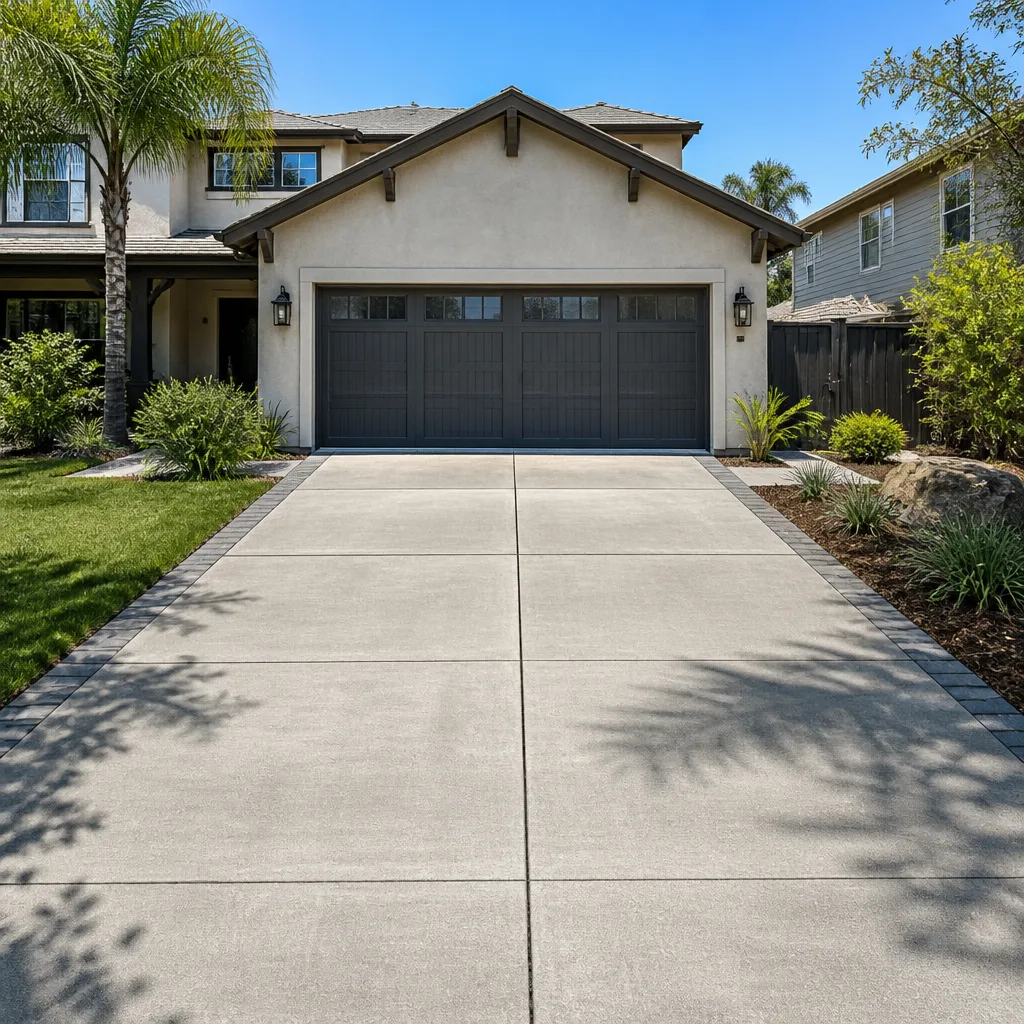
The paver-laying itself, the part that looks hard, is the easiest step. The base excavation, grading to a 1.5% drainage slope, and hitting 95% compaction in lifts no deeper than 4 inches are what actually determine whether the project survives a decade of Orange winters and dry summers, and none of that work is visible in the finished driveway. This guide breaks down the real equipment math behind a 400-square-foot driveway in Orange, with rental prices, permit triggers, and a side-by-side cost comparison so you can decide which scope makes sense for your body and your budget.
Quick Answer
Laying pavers in a pattern, making straight cuts, and sweeping in joint sand are safe and reasonable homeowner tasks. Base excavation, compaction verification, and edge restraint on sloped driveways are not. The dividing line is equipment: a plate compactor, wet saw, and laser level cost $280 – $380 to rent in Orange County for a weekend, which changes the math on any project smaller than roughly 400 square feet.
Styles & brands we work with
- Kitchen remodeling
- Bathroom remodeling
- Home additions & ADU
- Roofing
- Windows & doors
- Driveway & pavers
- Fence
Table of Contents
- The Equipment Math: What Renting Actually Costs in Orange
- Tasks That Are Genuinely Safe to DIY
- Where Professional Equipment Pays for Itself
- When a Driveway Project in Orange Requires a Permit
- Full DIY vs Partial DIY vs Full Professional Install
- Why 95% Compaction Is the Number That Matters
- Common Mistakes to Avoid
- When to Call a Professional
The Equipment Math: What Renting Actually Costs in Orange
The three tools that decide whether a paver driveway lasts are a plate compactor, a wet saw, and a laser level. Renting all three for a weekend in Orange County runs $280 – $380 before you buy a single paver. That number is the honest starting point for any DIY decision, and most homeowner calculators skip it.
Here is what current rental pricing looks like at Home Depot and Sunbelt Rentals across Orange County for a 400-square-foot driveway project:
- Plate compactor: $80 – $110 for a 24-hour rental, plus $15 – $25 for the pad. A compactor is the only way to reach the 95% compaction that paver base requires. A hand tamper or a rented truck tire is not a substitute.
- Wet saw (masonry or paver blade): $65 – $90 per day, blade included at most Sunbelt branches. You need this for every cut that is not a straight full-paver run, which on a 400 SF driveway averages 30 to 50 cuts.
- Laser level with tripod: $45 – $70 per day. Necessary for grading to a 1.5% slope away from the garage and for checking base flatness across the width of the driveway.
- Hand tamper and hand tools: $30 – $50 to rent or buy. Fine for edge work, not for the base.
- Delivery of rental equipment: $40 – $75 if you cannot transport a plate compactor in your vehicle.
Add it up and the weekend rental tab alone is $280 – $380 in Orange. If the job stretches to two weekends because of weather or the learning curve, that number roughly doubles. This is the calculation most DIY guides leave out, and it is the one that decides whether the partial-DIY route is a real cost saver or a false economy.
Tasks That Are Genuinely Safe to DIY
There are specific steps in a paver install where a careful homeowner with the right tools does work as competent as a crew’s, and where the consequences of a mistake are cosmetic and fixable. Here is what we tell Orange homeowners is reasonable to take on themselves:
- Pattern layout and setting out the border. Laying out a herringbone or running bond on a finished base is geometry, not heavy equipment work. Get it wrong, pull the pavers, try again.
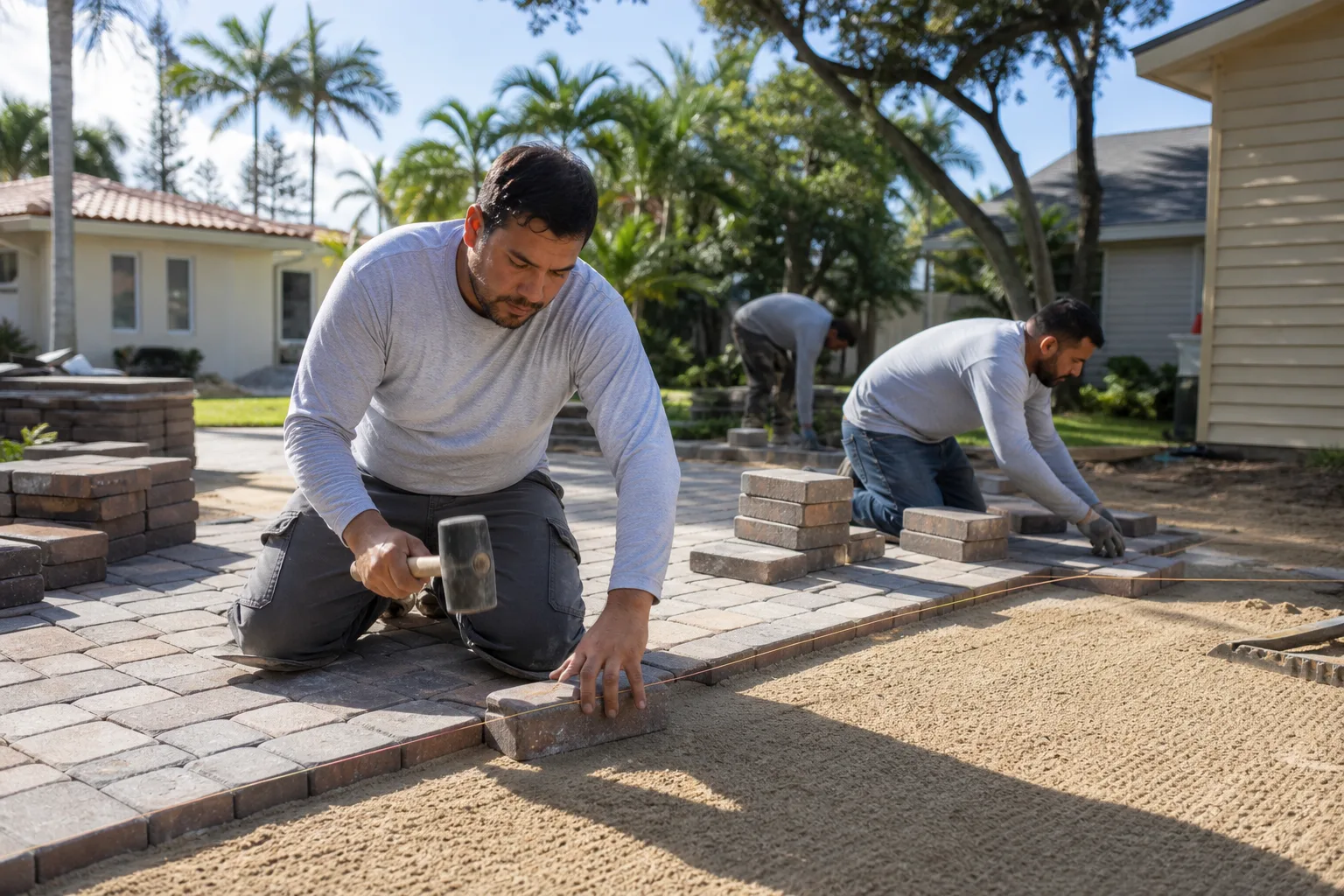
- Placing pavers on a properly prepared and compacted base. If the base is already there and verified, setting pavers is a rhythm task. Two people can lay 400 SF in a long day.
- Straight-run cuts. With a rented wet saw you can handle any cut along a rectangular edge or a straight border. Curved cuts are where the pros separate, but straight cuts are fair game.
- Joint sand installation. Sweeping polymeric or regular joint sand into the gaps and compacting it in is a homeowner task. Quikrete and Techniseal both publish clear instructions.
- Sealing. Applying a paver sealer after the joint sand has cured for the manufacturer’s recommended cure window is straightforward. Do it on a dry, cool morning, not in direct July sun.
None of those tasks involve a gas-powered compactor over freshly excavated subgrade, or a slope where a compacted base that fails will slide the whole driveway. Those are the dividing lines. On a 400 SF Orange driveway, the DIY-appropriate scope is roughly 40% of the labor hours and about 25% of the risk of a failed install.
Where Professional Equipment Pays for Itself
Three jobs on a paver driveway cannot be done properly without professional equipment, and no rental contract fixes that gap. They are base excavation to grade, compaction verification, and edge restraint installation on a sloped driveway. Here is why each one is different from a homeowner task:
Base excavation to grade means cutting the existing soil down to the depth required by the paver thickness plus the bedding layer plus the base aggregate (typically 4 to 6 inches of crushed stone for a residential driveway). That is a plate compactor on the subgrade, a laser level to hit a consistent plane, and often a walk-behind trencher or mini-excavator. The compaction on a residential subgrade happens in lifts no deeper than 4 inches, which means you run the compactor over the same base four, five, or six times in passes. On a 400 SF driveway, that is a full day of compaction alone.
Compaction verification is where the professional equipment separates from rental gear. A rented plate compactor will reach 95% Standard Proctor density on a properly moistened base, but only if the operator is checking with a nuclear density gauge or a proof-rolling approach. Most homeowners rent the compactor and assume it reached spec. A crew verifies it.
Edge restraint on slopes. A driveway in Orange’s hills or on a grade away from the garage needs a properly anchored edge restraint (usually a spike-down PVC or steel edge) because the whole field of pavers is held in place by the perimeter. Get this wrong and the pavers creep downhill over two or three seasons. Belgard and Techo-Bloc both publish edge restraint specs that a trained crew follows almost by reflex.
The tool gap explains why an experienced paver crew finishes a 400 SF driveway in two days and a well-prepared homeowner finishes the same job in five or six. Our technicians have up to 19 years of experience, and the reason we can quote a flat price on a driveway is because we know exactly how many lifts, passes, and cuts it takes before anyone starts. Under Clause 1 of the Haven Standard, that price is written before work begins.
When a Driveway Project in Orange Requires a Permit
A driveway project in Orange requires a City encroachment permit whenever work touches the public right-of-way, which almost always means the apron between the sidewalk and the curb. That permit is required regardless of whether you or a contractor does the work. The permit itself is not a professional secret, but the process for getting one, the inspection timing, and the curb-cut specs are where Orange homeowners lose weekends.
Here is the short list of triggers we watch for on any Orange driveway project:
- New curb cut or widening an existing driveway approach: City encroachment permit required. The City of Orange Transportation Division reviews the driveway approach specs.
- Replacing the apron or the concrete between the sidewalk and the street: Permit required, because the apron is in the right-of-way.
- Changing the surface material of the driveway itself (concrete to pavers) behind the sidewalk: Usually no city permit, but check HOA covenants and CC&Rs in neighborhoods like Old Towne Orange, where the historic district overlay adds its own review.
- Adding or extending a driveway where none existed: Permit required, and the city reviews sight lines and sidewalk protection.
- Installing permeable pavers or a drainage system that discharges to the street: Grading and drainage review, typically tied to the encroachment permit.
Under Clause 1 of the Haven Standard, the written price we deliver includes the permit pulls and inspection scheduling, so the number you see is the number that covers the whole job. If you are pulling the permit yourself as a homeowner, plan on two visits to the permit counter and inspection callbacks that can add a week to the timeline. Call (844) 320-7508 and we will walk through the specific permit situation on your property before you commit to any scope.
Full DIY vs Partial DIY vs Full Professional Install
Here is the side-by-side comparison for a 400-square-foot driveway in Orange, using current material and rental pricing. These are the three real paths, and the middle one is where most Orange homeowners end up once they see the numbers.
Full DIY (homeowner does everything)
- Pavers (Cambridge Pavers or Oldcastle, mid-grade): $1,400 – $2,200
- Base aggregate and bedding sand: $400 – $600
- Edge restraint and spikes: $150 – $250
- Joint sand and sealer: $120 – $180
- Equipment rental (compactor, wet saw, laser level, delivery): $280 – $380
- Permit (if right-of-way work applies): $250 – $600
- Materials and rentals total: $2,600 – $4,210
- Homeowner labor: 60 – 80 hours across two to three weekends
Partial DIY (homeowner does surface, contractor does base)
- Base excavation, grading, compaction verification, and edge restraint (professional): $1,800 – $2,800
- Pavers, sand, sealer (homeowner purchases): $1,600 – $2,400
- Equipment rental for surface work (wet saw at minimum): $65 – $90
- Permit: $250 – $600
- Total: $3,715 – $5,890
- Homeowner labor: 20 – 30 hours across one weekend
Full professional install
- Turnkey paver driveway including base, pavers, edge, sand, sealer, and permit handling: $6,500 – $9,500
- Homeowner labor: zero
- Written price, written scope, and written warranty delivered before work begins
The honest read on those numbers: full DIY saves between $2,300 and $6,900 compared to professional install, but only if you value your weekends at zero and the base was already correct. Partial DIY usually saves $1,500 to $3,500 and delivers a base you can trust. If your time is worth $75 an hour and you spend 70 hours on a full DIY job, the labor value alone is $5,250, which puts DIY above professional install on a true-cost basis.
For homeowners comparing written quotes, Driveway & Pavers in Orange walks through what each line on a professional estimate covers. Our free second-opinion review on any written estimate is a useful check if you have a bid in hand and want it line by line.
Why 95% Compaction Is the Number That Matters
Ninety-five percent compaction is the density a paver base must reach to hold up to traffic without settling. That number is set by the Interlocking Concrete Pavement Institute and adopted by essentially every paver manufacturer, from Techo-Bloc to Cambridge Pavers. It is measured against a Standard Proctor test on the specific aggregate being installed. Miss it, and the pavers sink, tip, and heave within two winters.
The mechanics that matter, in plain terms:
Lift depth. Base aggregate must be placed and compacted in lifts no deeper than 4 inches. If you dump 8 inches of base at once and run a compactor over the top, the bottom 4 inches stay loose. The compactor’s vibration does not reach through undisturbed aggregate. This is the most common DIY failure, and it does not show up until two seasons of rain have moved the loose material around.
Moisture. Aggregate compacts best at near-optimal moisture. Too dry and the particles will not interlock. Too wet and the aggregate pumps under the compactor. In Orange’s dry inland climate, base aggregate off the truck typically needs a light watering before compaction, and the amount is a feel thing that comes from running a compactor for years.
Passes. A plate compactor needs four to six passes over the same area to reach spec. A homeowner unfamiliar with the tool averages two or three before moving on. The difference between three passes and six passes on a 400 SF driveway is two hours of work, and most homeowners just do not know to do it.
Verification. Professional crews verify compaction with a nuclear density gauge or by proof-rolling with the compactor to check for soft spots. This is the step where the trade vocabulary earns its keep: the crew is not guessing. When we do a driveway in Orange, the photo record we deliver includes the lift depths and compaction passes so the homeowner can see what went in.
If you take nothing else from this guide, take this: the paver is the visible product, and the base is the product. The base is what you are actually buying.
Common Mistakes to Avoid
- Skipping the permit because “it’s just pavers.” Any work in the right-of-way triggers a City of Orange encroachment permit. Homeowners who skip it find out when the city flags the job at resale or when a curb section fails and the city charges back the repair.
- Compacting base in one deep lift. Base aggregate placed more than 4 inches at a time stays loose at depth. The fix is a full excavation and re-lay, which costs more than the original professional install would have.
- Grading flat or toward the garage. The paver surface must drain away from the house at roughly a 1.5% slope, which is about 1.5 inches of fall across a 100-inch run. A flat driveway in Orange directs water under the garage door frame through every winter storm.
- No edge restraint on a sloped driveway. Pavers on an incline with no properly anchored edge restraint creep downhill. The whole field is held by the perimeter, and losing it means pulling the entire driveway.
- Laying pavers directly on sand with no compacted aggregate base. Old-school sand-set pavers work for footpaths, not for cars. A driveway needs the aggregate base.
- Sealing too soon. Paver sealer applied before joint sand cure traps moisture and hazes the surface. Follow the manufacturer’s cure window, usually 30 to 90 days after install depending on the sealer.
- Renting a compactor without a pad. A bare plate compactor will mark the pavers or the subgrade surface. The pad is not optional.
When to Call a Professional
Call a professional when any of these apply: your driveway is on a slope of more than 2%, the base needs excavation deeper than 4 inches, you are replacing the apron in the right-of-way, your driveway is over 500 square feet, or you have not done a paver install before. Also call if you have narrowed down to a paver choice and want a written scope, a permit plan, and a compaction methodology you can hold a crew to. Rowan Construction Group Orange offers free estimates in Orange and pulls the permits as part of the written price. Call (844) 320-7508 and we will look at the site, take measurements, and deliver a flat written scope before anything starts. Our teams work in Orange neighborhoods from Old Towne to the Chapman Avenue corridor and out toward the hills, so the grading and permit quirks are already familiar. If you are also planning to surround the driveway with a new perimeter, our Fence Installation in Orange teams often quote both together to keep the site open one time.
See the difference
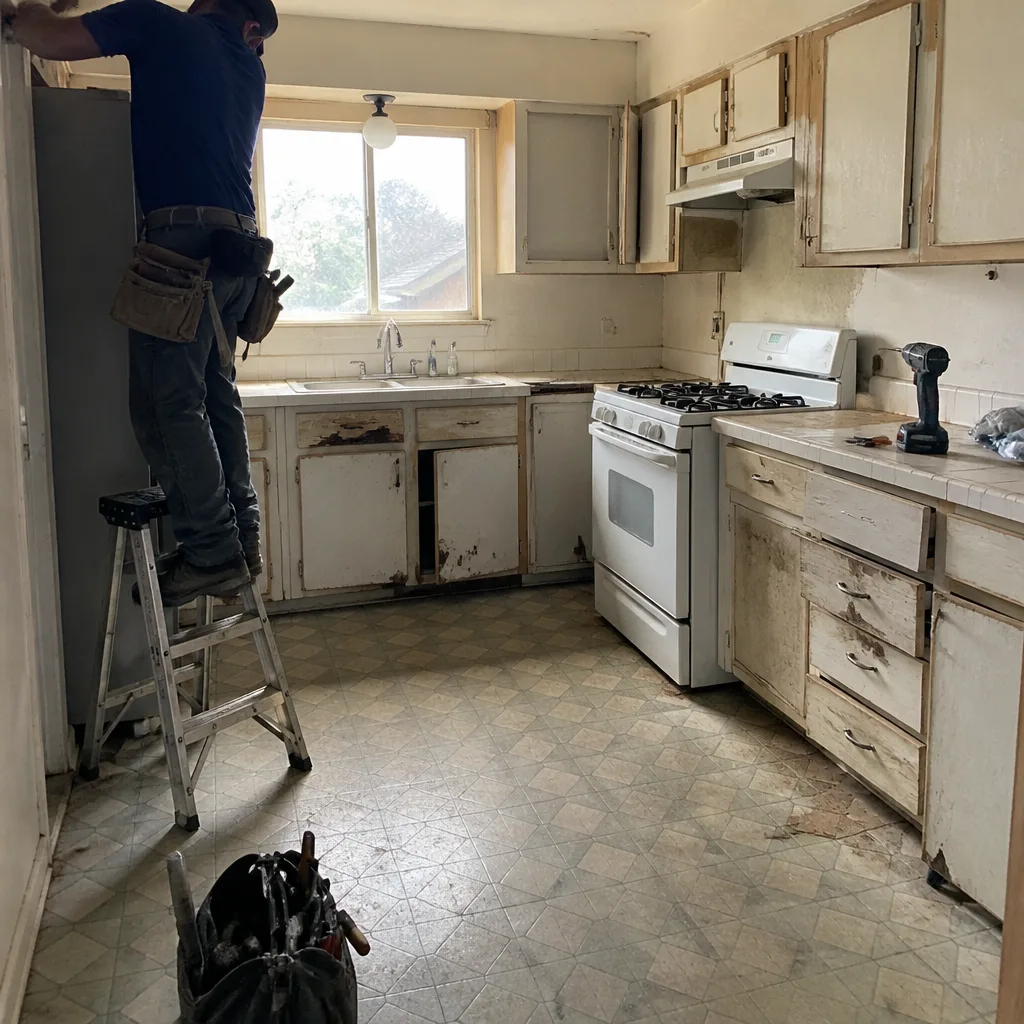 Before
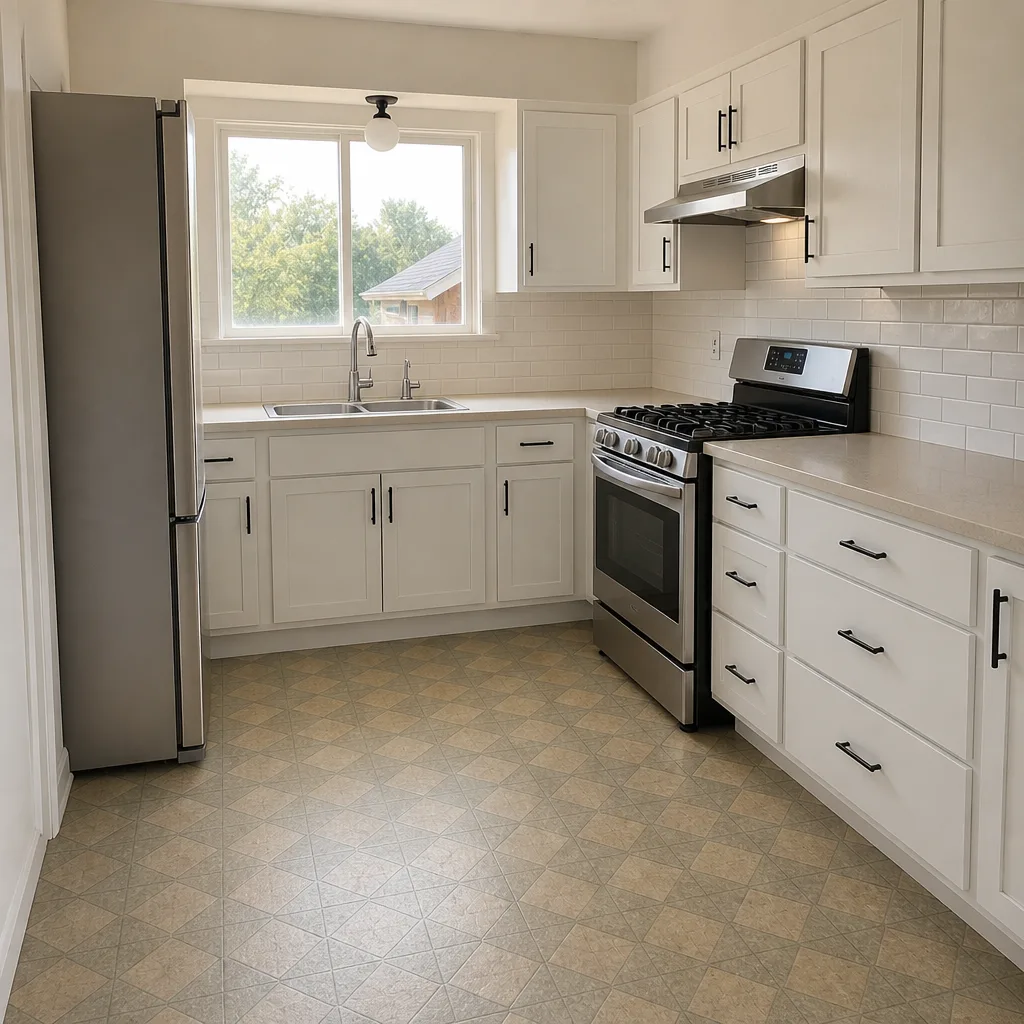 After
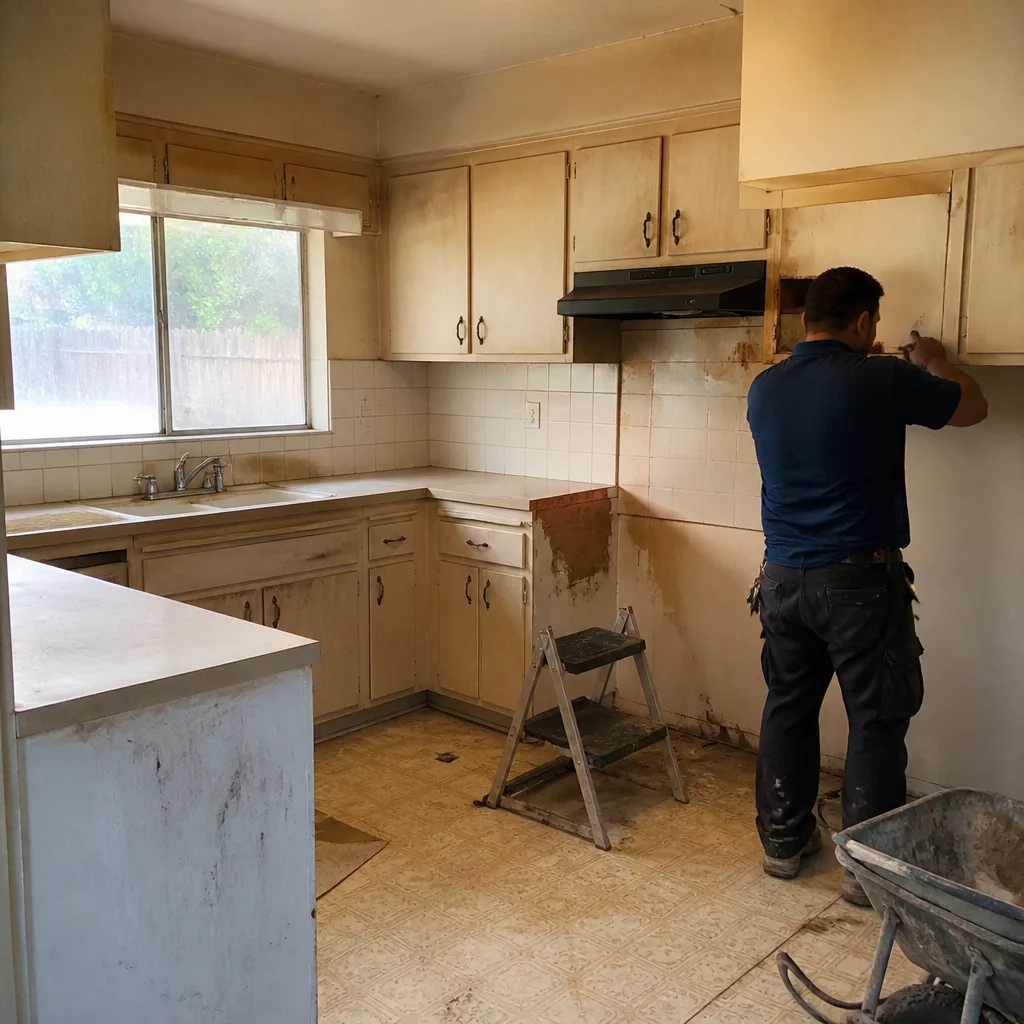 Before
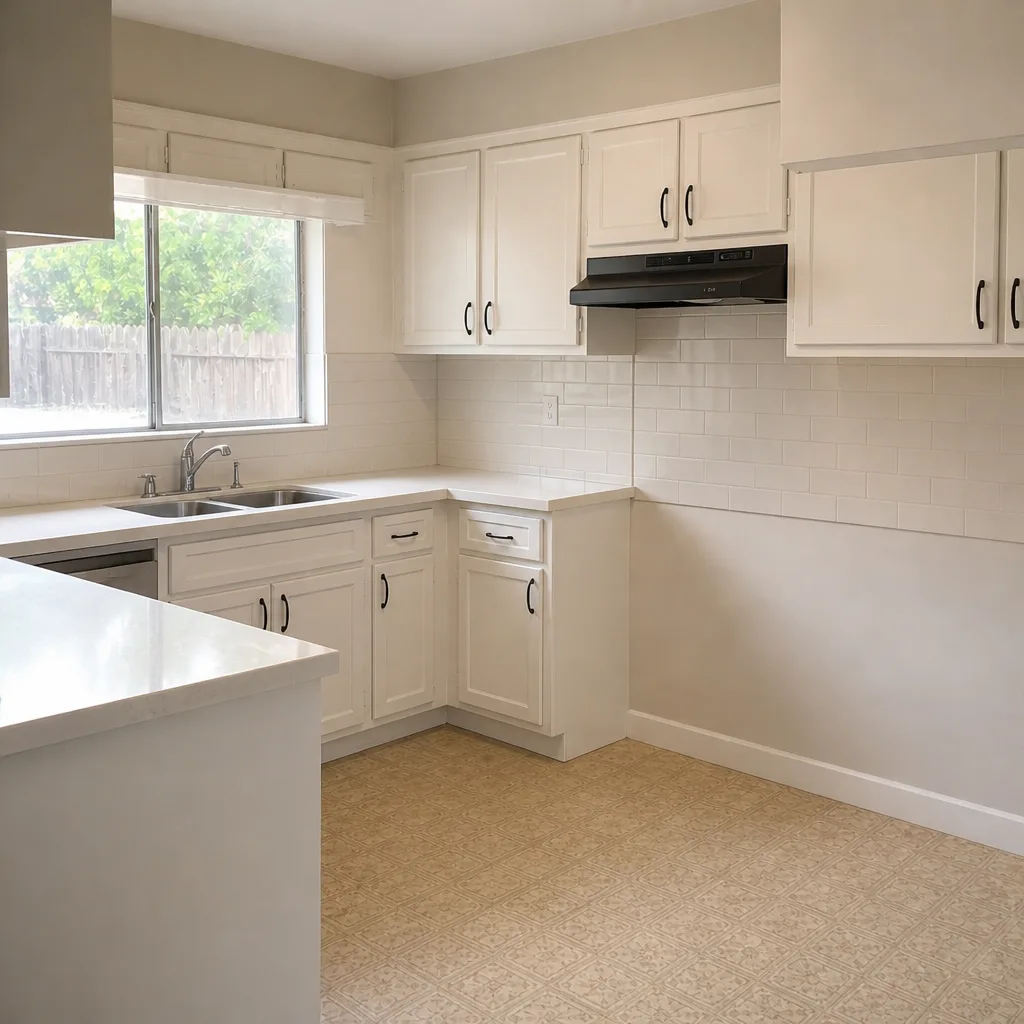 After
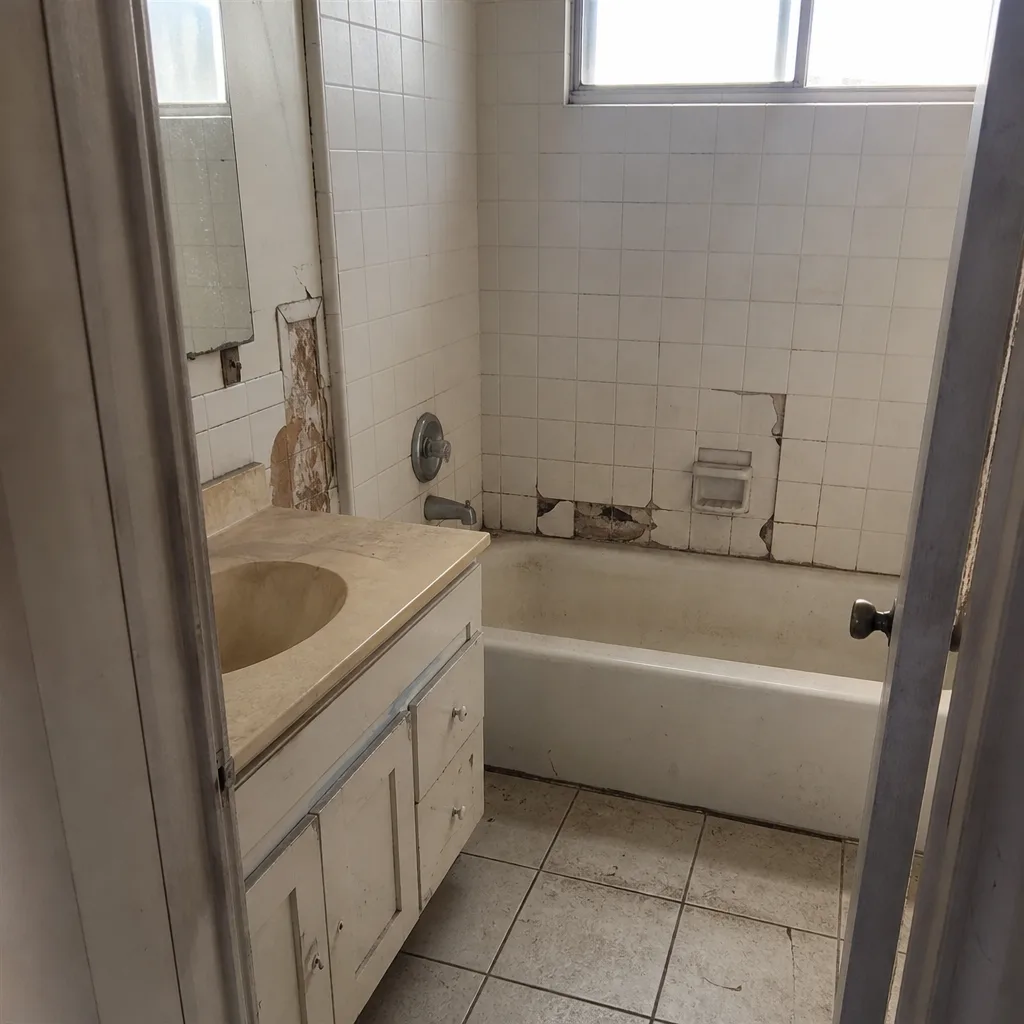 Before
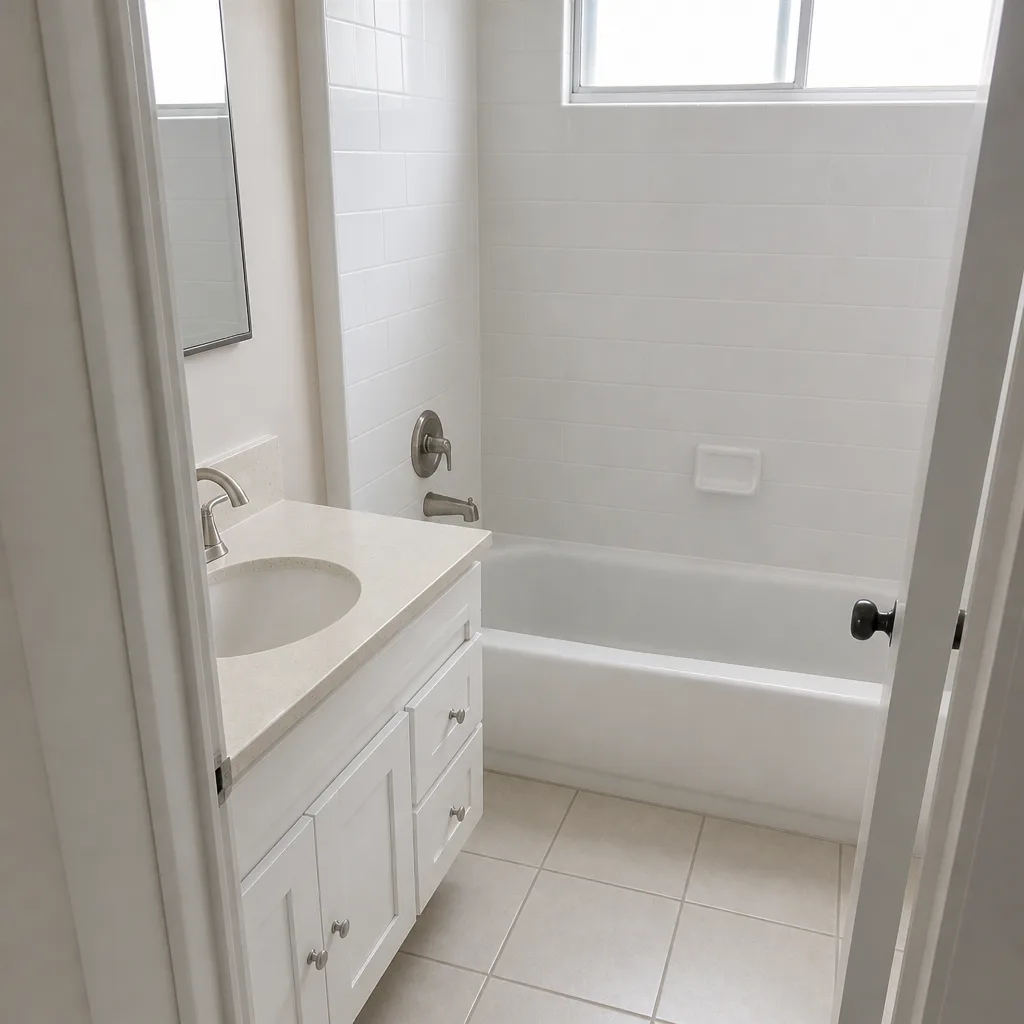 After
Frequently Asked Questions
A full professional install on a 400 SF paver driveway in Orange runs $6,500 – $9,500 turnkey, including base, pavers, edge restraint, joint sand, sealer, and permit handling. Materials-only for the same driveway with you as the labor is $2,600 – $4,200. Call (844) 320-7508 for an exact quote on your property, with the price in writing before anything starts.
You can rent a plate compactor and excavate a base yourself, but you will not verify compaction to 95% spec without either a nuclear density gauge (rarely rented to homeowners) or a proof-rolling routine that takes years of habit to trust. For a driveway under 300 SF on flat ground, the risk is manageable. For anything larger or on a slope, the base belongs in a professional’s hands.
Yes, if the work touches the public right-of-way, including the apron between the sidewalk and the curb or any curb-cut modification. Pavers behind the sidewalk on private property usually do not need a City permit, but the historic district overlay in Old Towne Orange adds its own review, and HOA covenants can restrict material and color. Call (844) 320-7508 and we will confirm what your specific property triggers before you order materials.
No, if you choose Rowan. Under Clause 1 of the Haven Standard, the price and scope are written before any work starts, and no change proceeds without a signed change order. That discipline is why our projects finish within a few percent of the number the customer agreed to, and it applies to driveways the same way it applies to Home Additions & ADU in Orange projects.
A 400 SF paver driveway typically takes a professional crew two working days, weather permitting: one day for excavation, base, and compaction, one day for pavers, edge, sand, and cleanup. Sealer is applied 30 to 90 days later once the joint sand has cured. DIY schedules on the same scope run five to six weekend days.
We source across more than fifty vetted material brands, and for driveways in Orange that most often means Belgard, Techo-Bloc, and Cambridge Pavers, with Oldcastle and Quikrete products for base and joint sand. Bring a competitor’s written estimate and we will review it line by line at no charge as part of our free second-opinion service. Call (844) 320-7508 to schedule.
The Bottom Line
The paver-laying is the visible work and the easy work. The base compaction, the grading, and the edge restraint are the invisible work that decides whether the driveway is still flat in 2035. Full DIY can save real money on a flat 400 SF driveway if your weekends are free and you do the compaction passes honestly. Partial DIY usually offers the best trade between cost and risk. Full professional install is the only path that comes with a written price, a written warranty, and a compaction methodology someone else is accountable for. If you want a written scope to compare against your own math, call us at (844) 320-7508 for a free estimate, and bring any competing bid for a line-by-line review. If the driveway is part of a broader exterior plan, our Rowan Construction Group Orange home page lays out the seven trades we cover and how they overlap.
Written by the team at Rowan Construction Group Orange.