Last updated November 18, 2026


Free written scope consultation - allowances, timeline, and change-order rules on paper before a single trade is scheduled
Fence Installation Maintenance Schedule: What to Do and When
Here’s the counterintuitive truth about fence maintenance in Orange: the timing most homeowners choose is the timing that does the least good. Applying stain in July, when the summer heat peaks, means you’re sealing wood that has already spent weeks drying and checking under harsh UV, so the surface is at its least receptive and the coating sits on top rather than soaking in. A wood fence in Orange lives through a marine-layer wet season from October through April and a dry 90°F stretch from June through September, and that two-part stress cycle calls for two maintenance windows a year, not one. The fall window, in October, is the one nearly everyone skips. This guide lays out the whole schedule, month by month, so you know what to check and when.
Quick Answer
Maintain a wood fence in Orange on a two-window schedule: apply stain or sealant in April, about two weeks after the last significant rain, and run a full inspection plus hardware tightening in October before the soils saturate. Clean and check vinyl and aluminum quarterly, and probe the base of every wood post annually for below-grade rot. Miss the October inspection and you’ll likely discover a fence problem in February, when the wet season has already done its damage.
Styles & brands we work with
- Kitchen remodeling
- Bathroom remodeling
- Home additions & ADU
- Roofing
- Windows & doors
- Driveway & pavers
- Fence
Table of Contents
- Why Orange Needs Two Maintenance Windows, Not One
- The April Window: Post-Rain Stain and Seal
- The October Window: Pre-Rain Inspection and Repair
- How to Probe the Base for Below-Grade Rot
- Hardware Maintenance by Material Type
- Vegetation Clearance: The 2-Inch Rule
- Vinyl and Aluminum: Different Rules Entirely
- Common Mistakes to Avoid
Why Orange Needs Two Maintenance Windows, Not One
Orange sits in a climate that swings hard between wet and dry. From October through April, marine-layer moisture rolls in off the coast and keeps wood fence boards damp for days at a stretch. From June through September, the same boards bake under dry heat that pushes past 90°F and pulls moisture out of the wood fast. That back-and-forth is the mechanism behind most of the fence problems we see: the wood swells in the wet months, shrinks in the dry ones, and every cycle works nails loose and opens small checks in the grain.
A single annual maintenance pass can’t cover both halves of that cycle. What’s needed is sequenced work: one window to protect the wood before the wet season, and one window to repair the small failures that the dry season and the previous winter set in motion. Timing those two windows to Orange’s actual weather is the difference between a fence that lasts its full service life and one that needs a full replacement years early.
The April window protects. The October window catches problems while they’re still cheap. If you reverse them, or skip one, you’re doing half the job. Homeowners in Orange who ask why their fence boards cup and split after a few seasons are usually the ones who only ever thought about stain in the summer.
When a fence has gone past maintenance and needs replacement, the schedule matters there too. A new install framed and hung in the right season beds down more evenly than one installed in the middle of a wet stretch. That’s part of why we plan installation timing carefully on every Fence Installation in Orange project.
The April Window: Post-Rain Stain and Seal
April is the correct month to apply stain or sealant to a wood fence in Orange, and the reason is moisture. Wood needs to be dry enough to accept a penetrating finish but not so dried out that the grain has closed and checked. Two weeks after the last significant rain, boards have shed their surface moisture but haven’t yet been through the June-through-September bake. They’re at their most receptive.
Split the work into a short sequence:
- Wait for a dry stretch. Two weeks after the last meaningful rain, and confirm no rain is forecast for the next 48 hours. April in Orange usually gives you that window.
- Clean the surface. Wash off dirt, pollen and any green growth with a stiff brush. Skip the pressure washer at high settings, which drives water into the grain and furs the wood.
- Let it dry fully. Two to three dry days before any finish goes on. A board that feels dry to the touch can still hold moisture inside.
- Apply the finish. With the grain, thin coats, following the product’s coverage rate. A penetrating oil-based stain soaks in; a film-forming sealer sits on top. Either is fine, but pick one and stick with it.
- Record the product and the date. Note the brand, the color and the date on paper. Future maintenance decisions depend on knowing what’s already on the wood.
Skip the July application. Applying to wood that’s spent two months drying under peak UV means you’re sealing a closed, checked surface, and the finish wears off far faster than the same finish applied in April. If you want a professional to handle the timing and the application, that’s a standing free-estimate service in Orange.
The October Window: Pre-Rain Inspection and Repair
The October window is where most homeowners fall down. Before the marine layer settles in and the ground saturates, a wood fence in Orange needs a full pass for the small failures that the summer set in motion: boards that swelled and checked, nails that backed out, hinges that loosened. Fixing them in October costs very little. Discovering them in February, after a wet season has worked into every gap, costs a lot more.
Here’s the October checklist:
- Walk the line and push on every board. A board that moves more than a quarter inch at the bottom is loose and needs a new fastener or a replacement.
- Check every nail and screw. Protruding heads from summer expansion are normal; back them out, add a fresh fastener alongside, and don’t rely on the old hole alone.
- Replace split or badly checked boards. A board with a visible split down its length traps water and rots faster than a sound one. Swap it in October so it can be finished in next April’s coat.
- Inspect posts and rails. The posts and rails carry the load; a wobble at the post is a structural issue, not a cosmetic one.
- Tighten every hinge and latch. Hardware loosens over a dry summer. A loose gate hinge loads the post unevenly all winter.
- Probe the base of every post (details below).
If the October inspection turns up a repair beyond simple maintenance, that’s the right moment to get it priced in writing before the wet season puts it out of reach. Our Rowan Construction Group Orange home page lays out how every job here gets a flat written price before anyone starts, and that applies to fence repair as much as anything else.
How to Probe the Base for Below-Grade Rot
Below-grade rot is the most expensive fence problem that starts invisibly. A wood post rots from the ground up, and by the time the wobble shows, the post is usually gone. Probing the base annually is how you catch it in the first stage, when the fix is a repair, not a re-set. The correct annual timing is October, before the wet season.
Here’s the procedure:
- Clear the soil line. Brush back dirt and mulch at each post to see the actual base. Burying a post base deeper hides the problem, it doesn’t prevent it.
- Probe with a screwdriver. Push the tip into the wood at the soil line, all four faces. A screwdriver that sinks in more than a quarter inch with light pressure is finding soft wood.
- Read the first-stage finding. Stage one is a small soft patch at the soil line with sound wood below. Stage two is soft wood more than an inch up from the soil line and the post rocking under hand pressure. Stage one can be treated; stage two means the post needs replacement, because a post that depends on a rotted base to carry the fence’s weight is a structural risk.
- Watch for the water trap. A hairline gap where the post meets a concrete footing holds water and accelerates rot. If you see a gap, note it and plan a repair before the rains.
Stage-two findings usually need a professional, because the fix means re-setting the post and potentially a run of fence along with it. That’s a job worth pricing in writing first. A straight-line install detail like this is the same one we use across our Driveway & Pavers in Orange work, where foundation and drainage decisions decide how long the structure lasts.
Hardware Maintenance by Material Type
Hardware is the part of a fence that fails first in Orange’s climate, and material choice decides what kind of maintenance it needs. Galvanized hardware is the standard for wood fences here, and stainless is the upgrade worth specifying on gates and coastal-adjacent installs. The two need different care.
Galvanized hinges and latches: the zinc coating is a sacrificial layer. Once it’s gone, the steel underneath starts to rust. Check for the rust bloom in October and April, and either touch up with a zinc-rich coating or replace the piece before the rust spreads.
Stainless hardware: doesn’t rust the way galvanized does, but it can still pick up dirt and grime. Stainless needs a clean, not a coat. Use fresh water and a soft cloth; skip abrasive pads that scratch the surface film.
Lubrication in dusty Orange County conditions: the wrong lubricant attracts dust that turns into paste in the hinge barrel. A dry-film or PTFE-based lubricant is the right choice; a wet grease or oil-based spray collects grit and wears the hinge faster. Apply in April and October, and work it into the hinge pin.
If a gate has started to drag, the fix is a hinge or post issue, not a lubricant one. Get it looked at before the drag wears through the latch.
Vegetation Clearance: The 2-Inch Rule
Two inches is the threshold, and it goes both ways: minimum ground clearance for the bottom edge of the fence boards, and minimum branch clearance to any panel face. That’s because wood wicks water and dew, and any point of contact holds moisture against the surface for longer than the surrounding wood can dry. In Orange, where the marine layer keeps fences damp for days at a time from October through April, a fence board resting against soil or a shrub holds water on its bottom edge and starts to soften long before the rest of the board.
The standard to build and maintain against:
- Ground clearance for wood boards: at least 2 inches above the soil line at every point along the run. If the ground has heaved or you’ve added mulch, clear the bottom edge back to 2 inches.
- Branch clearance for panels: at least 2 inches of clear air between any branch and the face of the fence. A branch touching the panel transfers moisture and, in a wind, strips the finish off in one season.
- Shrub setback: at least 6 inches from the panel face, so the shrub’s root zone doesn’t push on the base and its canopy doesn’t trap moisture against the boards.
- Drainage clear: no soil piled against a board or a post. Add a shallow swale or grade away if you’re getting standing water at the fence line.
Trim in October, before the wet season, not in June when the moisture is gone and the growth is at its peak. An October trim means the fence line is clear when it matters.
Vinyl and Aluminum: Different Rules Entirely
Vinyl and aluminum fences in Orange need less maintenance than wood, but they need different maintenance. Wood is about moisture and finish; vinyl and aluminum are about sun, dirt and – for aluminum – the salt-laden marine air that reaches coastal-adjacent Orange neighborhoods like Orange Park Acres and the older pockets closer to the coast.
Vinyl and UV oxidation: white vinyl chalks as UV breaks down the surface film. Chalking is the powdery white residue that rubs off on your hand. That’s surface oxidation, not damage, and the fix is a wash, not a new fence. Clean with a soft brush and a mild detergent once each quarter and the vinyl holds up well. Only when the chalk resists a wash do you compound, and then only on the visible face, never on the whole run. Repeating the compound too often thins the surface layer.
Aluminum corrosion near the coast: salt-laden air accelerates corrosion at the joints and at any cut edge. Watch for a white powdery bloom at the hinge points and the base caps. That’s early-stage corrosion. Clean and touch up with a suitable coating before it moves into the base metal. Inland Orange properties see far less of this, but the closer you are to the marine influence, the more frequent the check. A quarterly wipe-down with fresh water, plus a post-rain clean, covers the coast-adjacent areas.
Whether you’re maintaining a vinyl fence or planning a new one, the brand and product matter at install. We specify known brands, and on our home improvement work that’s the same standard we apply to cabinets like KraftMaid or siding like James Hardie. Maintenance is easier when the product was right from the start.
Common Mistakes to Avoid
- Staining in July. The most common mistake in Orange. Applying stain to wood that’s already dried and checked in peak heat wastes the product and the work. Wait for April.
- Skipping the October inspection. The wet season is where the damage happens, but October is when you can fix it cheaply. Skip October and you pay for it in February.
- Pressure-washing at high settings. A high-pressure blast drives water into the grain and furs the surface, making it unable to absorb finish. Use low pressure, and let it dry fully.
- Letting mulch pile against the boards. A fence board resting on soil holds water, and that’s where rot starts. Keep 2 inches of clearance, always.
- Oiling a hinge with the wrong lubricant. Oil and grease attract Orange County dust. A dry-film lubricant is the correct choice and lasts longer.
- Assuming vinyl is maintenance-free. Vinyl chalks under UV. Wash it quarterly and you’re fine; ignore it and the surface oxidizes visibly.
- Watching the posts and ignoring the base. A fence post rots below grade. The wobble comes long after the rot starts, so probe the base every October.
See the difference
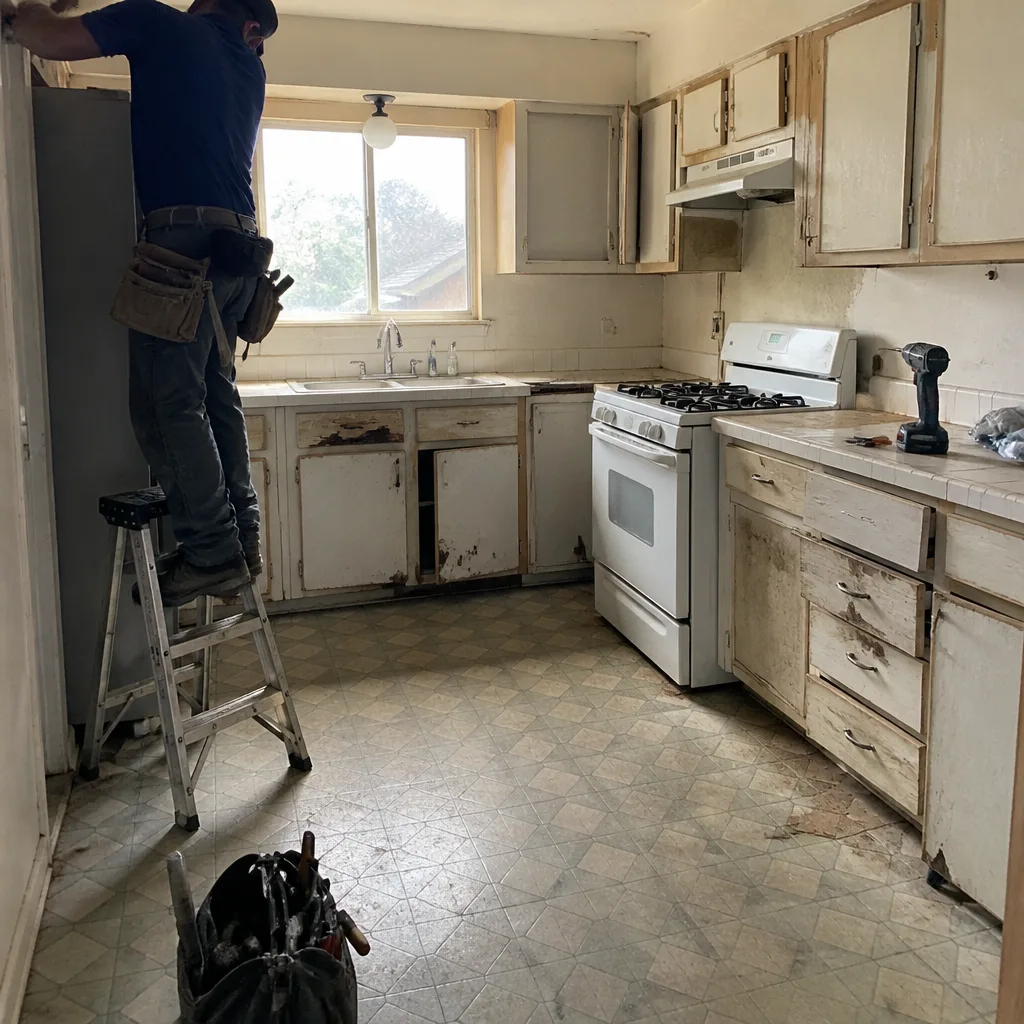 Before
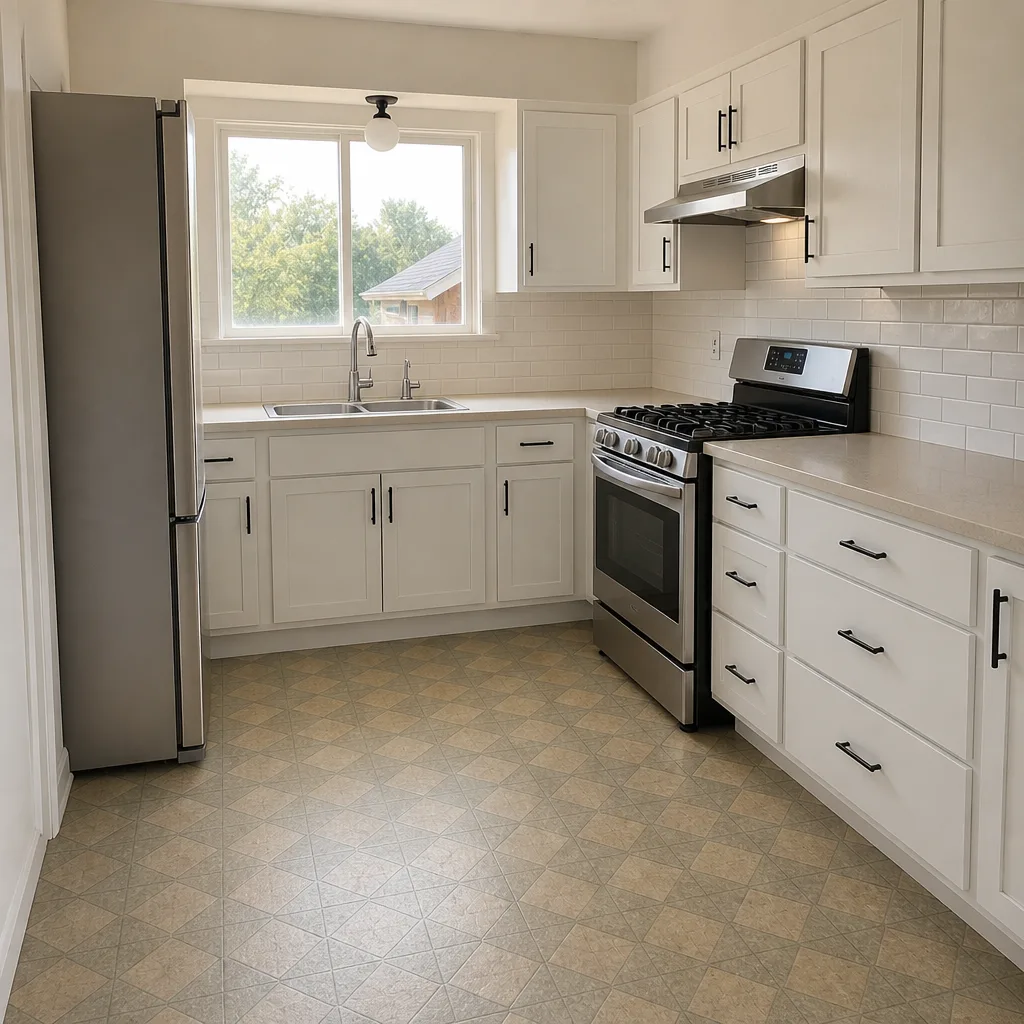 After
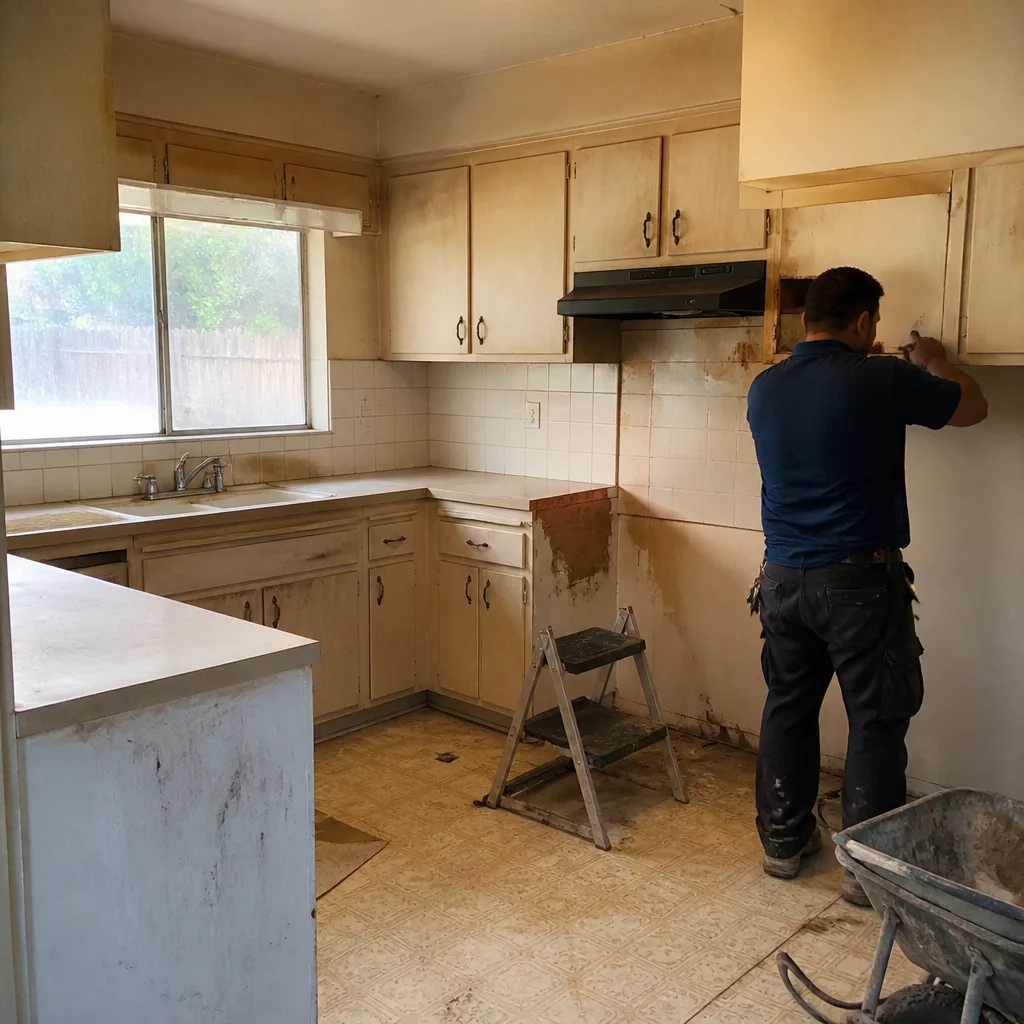 Before
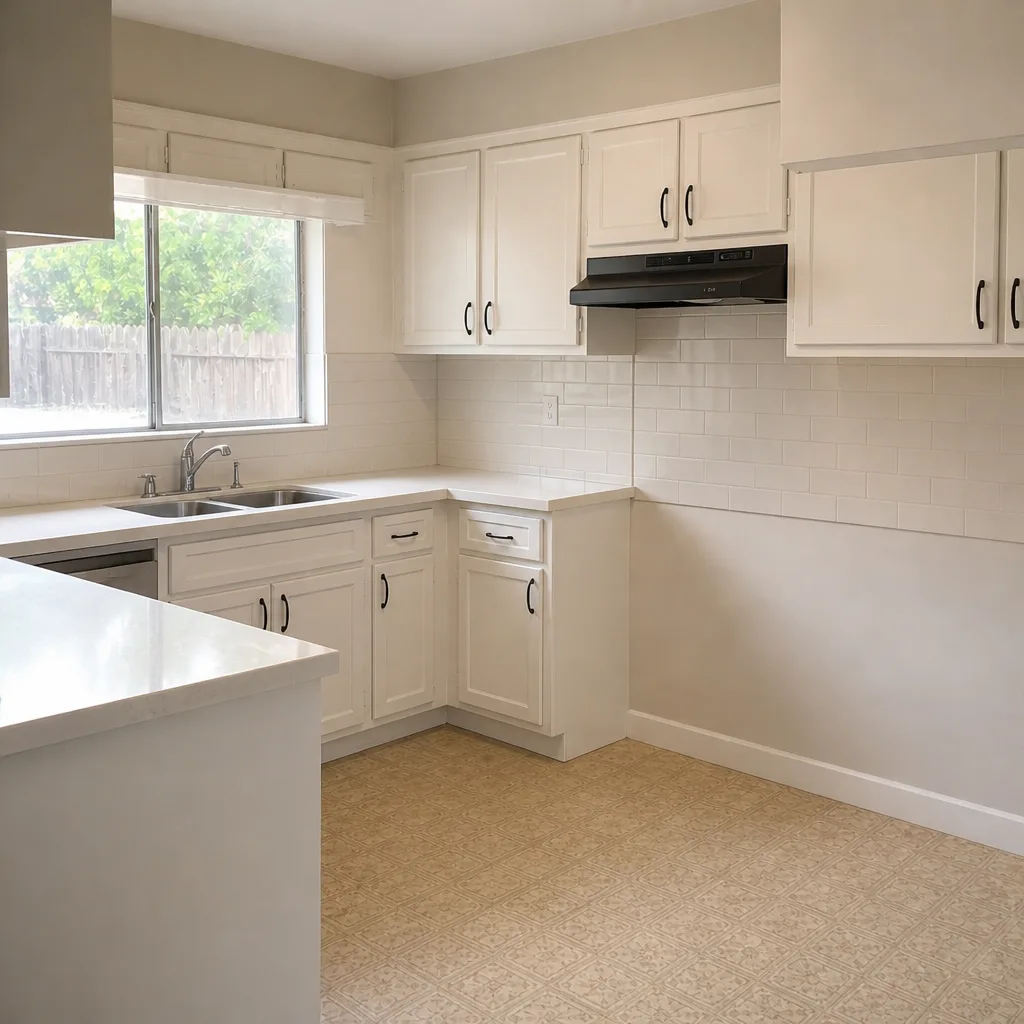 After
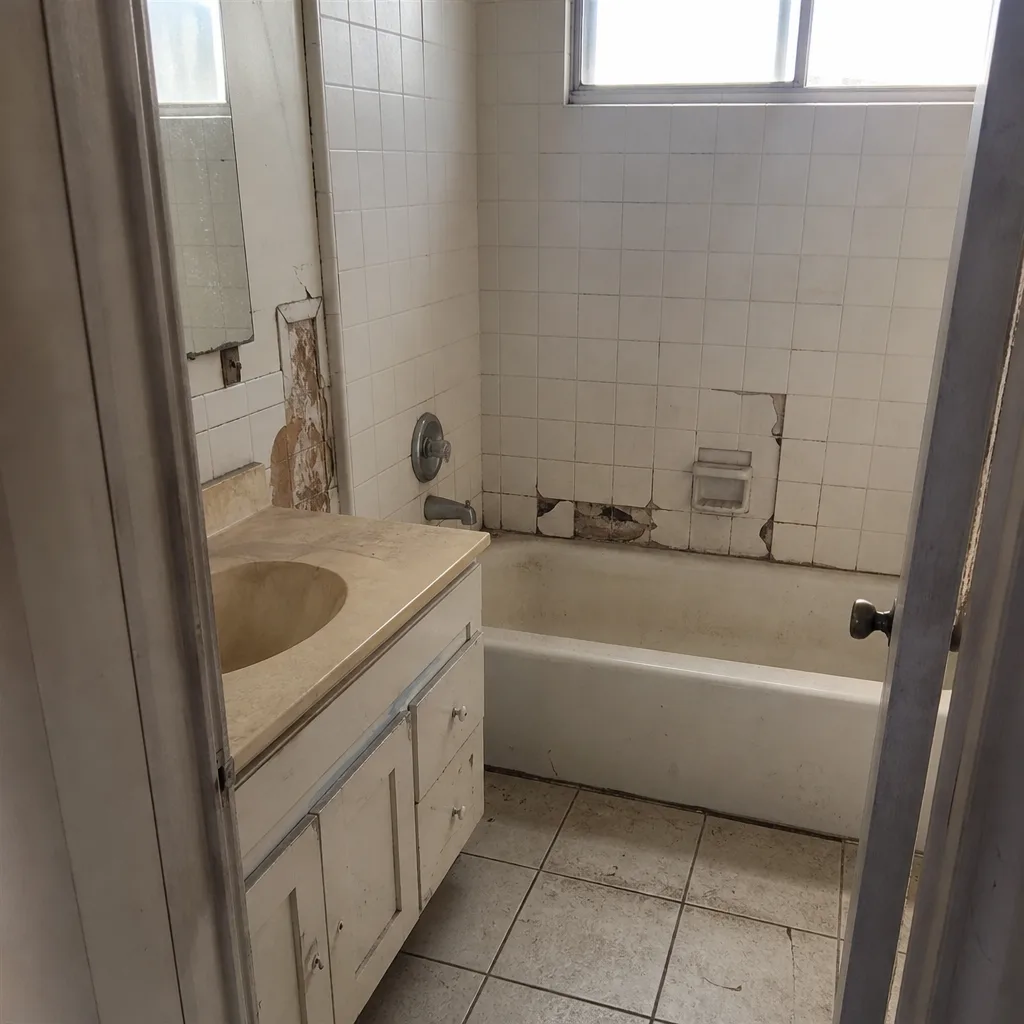 Before
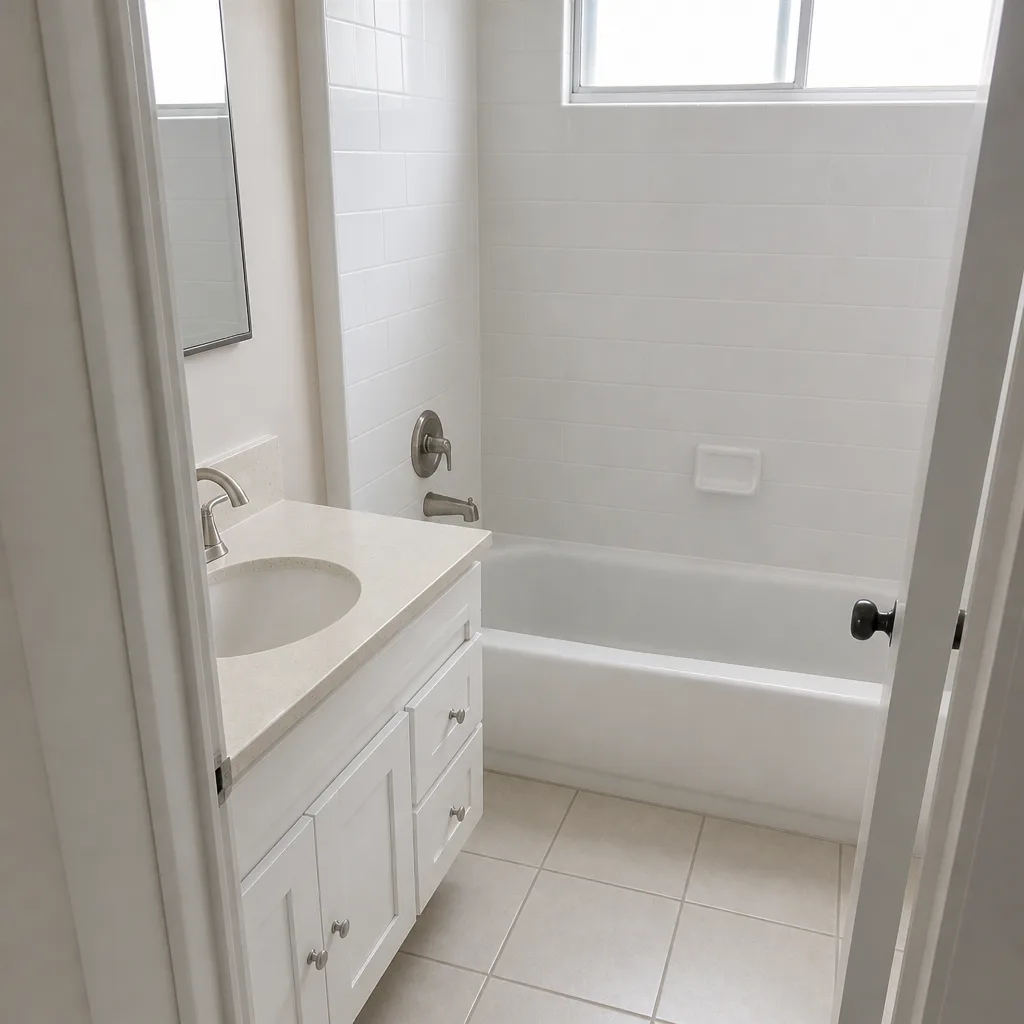 After
When to Call a Professional
Keep the schedule yourself where it’s simple: the April wash and stain, the October walk-and-tighten, the quarterly vinyl clean. Call a professional when the finding is structural. A post that rocks under hand pressure, a run of fence leaning into a neighbor’s property, a gate that won’t close because the post has moved, or any below-grade rot that’s progressed past a small patch at the soil line. Call us too if you’re facing a repair list longer than one afternoon, or if you want the full schedule built into a written maintenance plan. Rowan Construction Group Orange offers free estimates in Orange, and every one comes as a flat written price with a written scope before any work starts. Call (844) 320-7508 to schedule yours.
Frequently Asked Questions
Once a year, in April, about two weeks after the last significant rain. A penetrating stain applied to receptive wood in April lasts longer than the same product applied in July, when the wood has already dried and checked. Call (844) 320-7508 for an exact quote on stain and repair, and estimates are free.
Two windows, not one. April is the staining and sealing window, and October is the inspection, tightening and repair window. The October window catches small problems before the wet season turns them into structural ones, which is why it’s the one homeowners most often skip.
Push a screwdriver into the wood at the soil line on all four faces. If it sinks more than a quarter inch with light pressure, you’re finding soft wood. A small patch at the soil line is early-stage rot and can usually be treated; soft wood more than an inch up the post means the post needs replacement.
Washing, staining and sealing a typical wood fence run is a modest per-foot cost, and an October inspection with minor hardware and board repair runs lower still. The exact number depends on linear feet, fence height, and what the inspection turns up. Rowan Construction Group Orange quotes a flat written price with a written scope before any work, so you have the number in hand before deciding. Call (844) 320-7508 to schedule a free estimate.
Yes, less than wood but not none. White vinyl chalks as UV breaks down the surface, and a quarterly wash with a soft brush and mild detergent keeps it clean and slows the oxidation. Clean first and compound only if the chalk resists a wash, because repeated compounding thins the surface layer.
Rinse the aluminum quarterly with fresh water, and more often after a stretch of salt-laden marine air, especially if you’re in a coastal-adjacent Orange neighborhood. Watch for a white powdery bloom at the joints and cut edges, which is early-stage corrosion. Clean and touch up with a suitable coating before it reaches the base metal.
Ours doesn’t, because the price is written before anyone starts and no change proceeds without a signed change order. That’s the discipline behind the guarantee on every job, and it’s how 4,000-plus projects have stayed within a few percent of the agreed cost. Call (844) 320-7508 for a free second opinion on any written estimate you’ve already received.
The Bottom Line
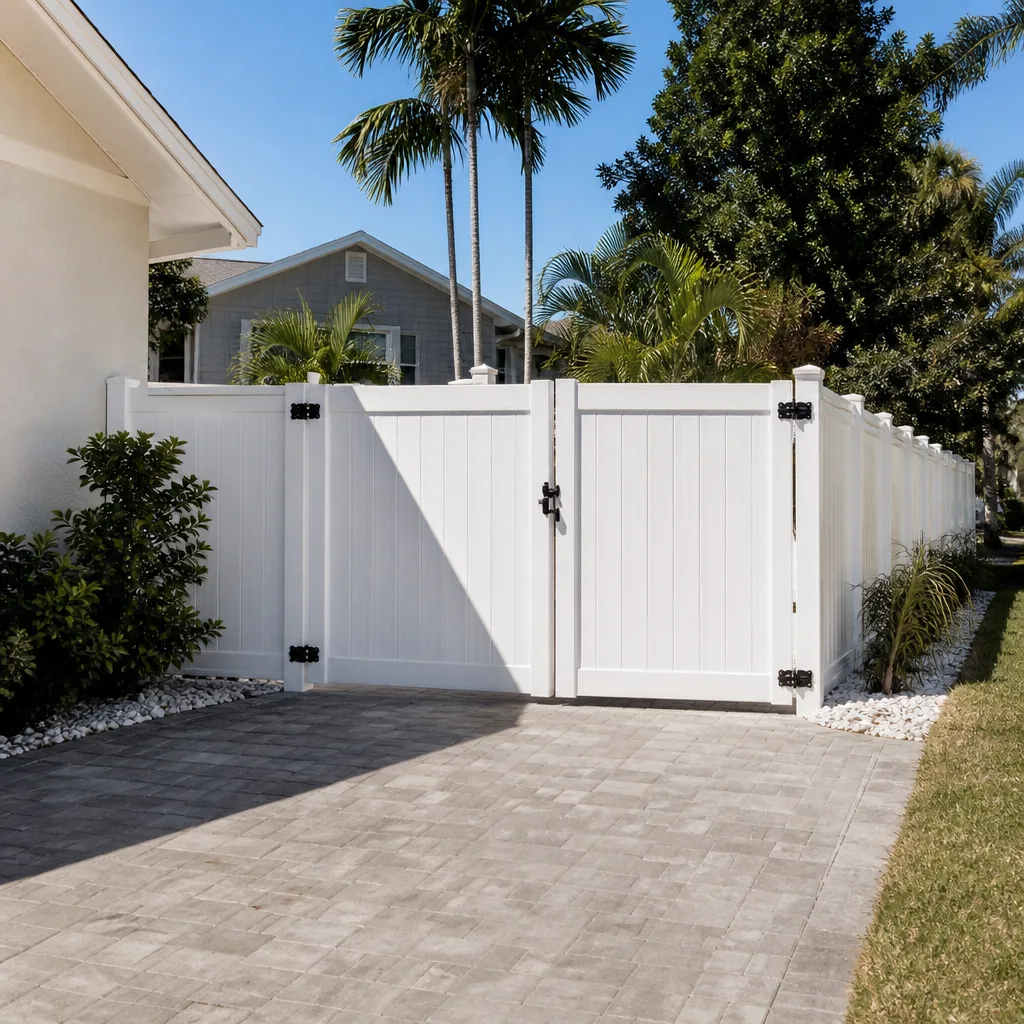
A fence in Orange is not a set-and-forget structure. The climate runs a two-part stress cycle each year, and the maintenance schedule has to match it: stain in April, inspect and repair in October, probe the base annually, and keep 2 inches of clearance at the ground and at every branch. Get the timing right and a wood fence lasts its full service life; get it wrong, or skip the October window, and the wet season will find the weak point for you. When a finding goes past ordinary maintenance, get a written price before the wet season puts it out of reach. If you’re planning a new fence or an addition that changes the property line, our Home Additions & ADU in Orange team sees the same install and drainage details on every build, and the same written-price discipline applies.
Call (844) 320-7508 to schedule your free estimate with Rowan Construction Group Orange, and we’ll walk the fence line with you and put the maintenance plan in writing.
Written by the team at Rowan Construction Group Orange.