Last updated November 18, 2026
Free written scope consultation - allowances, timeline, and change-order rules on paper before a single trade is scheduled
How Long Does Windows & Doors Take? Timelines and What to Expect
A single Marvin Elevate casement window in a non-stock size carries a 6 to 10 week factory lead time. A contractor who quotes a “two-day installation” without mentioning that lead time has given an accurate but incomplete answer. That gap between installation time and total project time is where most window and door schedules fall apart. In this guide we break the timeline into its real parts: factory lead time, permit issuance, installation day count, inspection holds, and the weather windows that matter in Orange. You’ll learn which phases you control and which you don’t, and what to ask for so the schedule you’re quoted is the schedule you actually get.
Quick Answer
Most window and door projects take 8 to 14 weeks from order to final inspection, even though the installation itself takes only 1 to 5 days. The long pole is factory lead time (4 to 10 weeks depending on brand and whether the unit is stock or custom), followed by permit issuance (2 to 4 weeks in Orange) and inspection scheduling (3 to 7 days after installation). A contractor who quotes installation days alone has answered a different question than the one you asked.
Styles & brands we work with
- Kitchen remodeling
- Bathroom remodeling
- Home additions & ADU
- Roofing
- Windows & doors
- Driveway & pavers
- Fence
Table of Contents
- Lead times by window type and brand
- The Orange permit timeline
- Installation day counts by project scope
- Weather holds and seal cure in Orange
- The sequence that determines when your house is exposed
- Door installation timelines, including rough framing
- What you control and what you don’t
- Common mistakes to avoid
Lead Times by Window Type and Brand
Lead time is the single biggest factor in your schedule, and it varies more than most homeowners expect. A stock vinyl slider at a big-box store might be sitting in a warehouse today. A custom wood-clad casement might be eight weeks out. The brand and the size you choose decide which end of that range you’re on, and nothing the installer does can compress factory time.
Here’s how the categories typically shake out as of this writing:
- Stock vinyl (common sizes, standard colors): 1 to 3 weeks. If it’s in a regional warehouse, sometimes days. Limited sizes, limited colors, limited glass options.
- Custom vinyl and fiberglass: 4 to 7 weeks. Non-standard sizes, upgraded glass packages, and color matching push you past the stock shelf.
- Wood-clad and premium wood (Marvin Elevate, Marvin Essential, Andersen 400 Series): 6 to 10 weeks. The Elevate line runs on a factory schedule that starts the clock when the order is confirmed, not when you sign the estimate.
- Impact-rated and specialty units: 10 to 16 weeks. Impact glass is increasingly common in Southern California, and the demand has stretched factory capacity.
- Custom doors (entry, patio, French): 8 to 14 weeks. Doors carry more components than windows: hinges, thresholds, multipoint hardware, sidelights, and transoms all have their own lead times that stack.
Two things to ask for when you get a quote: the specific factory lead time in writing, and confirmation that the order will be placed within a stated number of days of signing. Some contractors bundle orders and wait for a batch, which adds weeks you didn’t plan for. Our written price includes the lead time as a line item so you can hold the schedule to something.
The Orange Permit Timeline, Application to Sign-Off
A residential window replacement permit in Orange typically takes 2 to 4 weeks from application to issuance, assuming plans are clear and no plan check comments come back. Add the inspection on the back end and the permit portion of your schedule can run 3 to 5 weeks total.
Here’s how that window usually breaks down:
- Application submission (day 1): Contractor submits scope, product specs, and U-factor values. Incomplete submissions get kicked back, which resets the clock.
- Plan check (days 3 to 15): The city reviews for code compliance, egress requirements, tempered glass where required, and Title 24 energy compliance. Most standard replacements clear without comment; anything touching a structural opening or a non-conforming condition will draw a correction.
- Issuance (days 14 to 28): Permit is issued and work can be scheduled. This is the date that matters for your installer’s calendar.
- Inspection (3 to 7 days after install): You call for inspection after the units are set, flashed, and sealed. The inspector checks attachment, flashing details, and egress. Sign-off follows.
The inspection hold is the part homeowners most often forget to build into their mental schedule. Between install day and final sign-off, you’ve got a week or so of waiting where the house is functionally done but the paperwork isn’t. If you’re coordinating a sale or a rental turnover, that week matters. Ask the contractor which inspection path they’ll use and whether the permit will be pulled under their license or left to you.
Installation Day Counts by Project Scope
Once the permit is in hand and the materials are on site, installation runs fast. Here’s what to expect per scope:
| Project scope | Installation days | Notes |
|---|---|---|
| Single window replacement (like for like, existing opening) | 1 to 2 hours on site | Usually same-day, sometimes folded into a half-day visit if trim and stucco repair are minimal |
| 2 to 4 windows in one elevation | 1 day | Includes removal, setting, flashing, interior and exterior finish |
| Full-house window replacement (10 to 15 units) | 2 to 4 days | Depends on stucco repair scope and whether interior trim is being refinished |
| Door replacement (like for like) | 4 to 6 hours | Patio sliders and entry doors; trim and threshold work included |
| New door with rough framing (new opening) | 2 to 3 days | Framing, flashing, header, stucco patch, and paint cure |
| Whole-house windows plus doors | 4 to 6 days | Add 1 to 2 days if exterior is stucco and needs matching |
Note that these day counts assume no surprises behind the wall. In Orange homes built before 1980, we regularly find framing that’s been notched, shimmed, or undersized during a prior remodel, which adds a day of reframing to what looked like a simple swap. That’s not a reason to pad every quote; it’s a reason to have a written change order process for when it happens.
Weather Holds and Seal Cure in Orange
Southern California doesn’t have much weather, but what it has matters. Two patterns in Orange affect installation schedules and the durability of the sealant that goes around your units:
June gloom (late May through early July): Coastal marine layer pushes morning humidity into the 70s and daytime temperatures stall near 65°F. Most exterior sealants need 24 to 48 hours above 50°F with no precipitation, and high humidity slows the skin-over that protects the seal while it cures. A crew that installs and seals at 7 a.m. during June gloom can trap moisture under the sealant bead. We schedule exterior sealing for the 10 a.m. to 4 p.m. window during that period, and we don’t seal in a drizzle.
Santa Ana wind events (typically October through January): Dry offshore winds, gusting 30 to 60 mph, drive dust into every gap and pull moisture out of uncured sealant. The bigger problem is that crews working on scaffolds and second-story windows get grounded for wind safety, which pushes the install by a day or two. If your project happens during a Santa Ana cycle, expect a possible 1 to 3 day weather hold.
The reason this matters for callbacks: a seal that cures under bad conditions can fail within 12 to 18 months, showing up as water intrusion at the sill or fogging between panes. We carry the Orange install calendar with a weather buffer because we’d rather add a day than come back twice.
The Sequence That Determines When Your House Is Exposed
Here’s the part that matters more than any lead time: how long your house sits with open framing. A well-run window project moves from removal to sealed unit in a single day, per opening. Frame-out, flashing, unit set, sealant, trim back on. By end of day, that opening is closed.
What that sequence looks like on the schedule:
- Morning: Remove interior trim and old unit. Inspect framing and rough opening.
- Mid-morning: Repairs to framing if needed. Sill pan and flashing installed at the rough opening.
- Midday: New unit set, shimmed, and attached per manufacturer spec (nailing fin or block-frame as appropriate).
- Afternoon: Exterior sealant, stucco patch or siding repair, and interior trim reinstall.
- End of day: Opening is weather-tight. Interior is clean. Documentation photos taken.
Every unit should follow that same day cycle. What you should ask for: the photo record showing the flashing detail before the unit went in, the sealant around the perimeter after, and the finished condition. The photo record is standard on every Rowan visit, included not added. If a contractor can’t produce photos of the flashing sequence, you don’t know whether your house was exposed for an afternoon or two days during the install – and that’s the detail that separates a 20-year window from a 5-year one.
Door Installation Timelines, Including Rough Framing
Doors take longer than windows, in part because they carry more components and in part because a door replacement often reveals framing that needs attention. A like-for-like patio slider in an existing opening is a half-day job. A new entry door in a new opening is a 2 to 3 day job with a permit and an inspection.
Where the time goes on door replacements:
- Prehung entry door, like for like: 4 to 6 hours. The rough opening stays; the unit swaps; hardware transfers.
- Entry door with sidelights, replacing an existing single door: 1 to 2 days. Widening the rough opening requires a header, which requires a permit and inspection.
- New opening in an exterior wall (patio door, French door): 2 to 3 days plus a 7 to 14 day cure on stucco and paint. This work often coordinates with a larger exterior project; if you’re already redoing the back patio surface, see our Driveway & Pavers in Orange page for sequencing that alongside door work.
- Sliding glass door replacement (larger opening, generally aluminum frame): 6 hours to 1 day. Glass weight and door operation are the schedule drivers.
Door hardware lead time is easy to miss. A custom multipoint locking system or a specific handle finish can add 2 to 4 weeks to the door order. Ask to see the hardware spec alongside the door spec so nothing lands later than the door itself.
What You Control and What You Don’t
Half of the timeline is on the contractor and the factory. The other half is on you. Knowing which half is which prevents the schedule pressure that leads to rushed installs and skipped flashing.
What you control:
- Material choice. Stock vinyl versus Marvin Elevate is a 6 to 8 week swing. Choosing a material with a shorter lead time is the single biggest lever on the total schedule.
- Product options. Glass packages, color matching, and hardware finish each add lead time. Simpler spec, faster delivery.
- Approval speed. Sign the written quote and approve the final specs the same week you receive them. Every week of indecision adds a week to the total.
- Interior access. Clear furniture, blinds, and wall art before install day. A crew that spends 90 minutes moving furniture loses an opening or two from the day’s schedule.
What you don’t control:
- Factory production time. Named brand lead times are published and rarely negotiable.
- City of Orange plan check duration. A clean submission helps; the review queue is the city’s.
- Inspection scheduling. You can call for inspection promptly; you can’t control the inspector’s calendar.
- Weather. June gloom and Santa Ana wind days are on the calendar.
- Framing conditions behind the wall. Unknown until the old unit comes out.
Common Mistakes to Avoid
- Booking installation before the permit is issued. Some contractors schedule the crew the day the application goes in, then discover a plan check comment forces a 2-week delay. Schedule from issuance, never from application. In Orange, the plan check turnaround has stretched as permit volume picked up, and a rushed install on an unpermitted job won’t pass final inspection.
- Quoting installation days without lead time. If the estimate says “2-day install” but doesn’t say when the install can happen, you can’t plan around it. Ask for the total schedule in writing.
- Skipping the flashing photo record. The flashing detail under the unit is invisible once installed. If you don’t have photos, you don’t know it was done correctly, and water intrusion in Orange often shows up first as interior wall staining below the sill.
- Scheduling exterior sealing during a Santa Ana event. Dry winds pull moisture from uncured sealant before it bonds. A 1-day weather hold costs less than a callback.
- Ordering hardware after the door. A custom handle finish or multipoint lock can land 3 weeks after the door. Order them together, or expect a door sitting in the garage waiting to open.
- Assuming old framing matches new. Pre-1980 Orange homes regularly need reframing around openings, which adds a day per opening. A written change order process protects you on the cost; a schedule that never planned for it protects no one.
- Forgetting the inspection hold. Between install and final sign-off, there’s a week of waiting. If you’re planning a sale, a rental turnover, or a refinance appraisal, that week is part of the schedule.
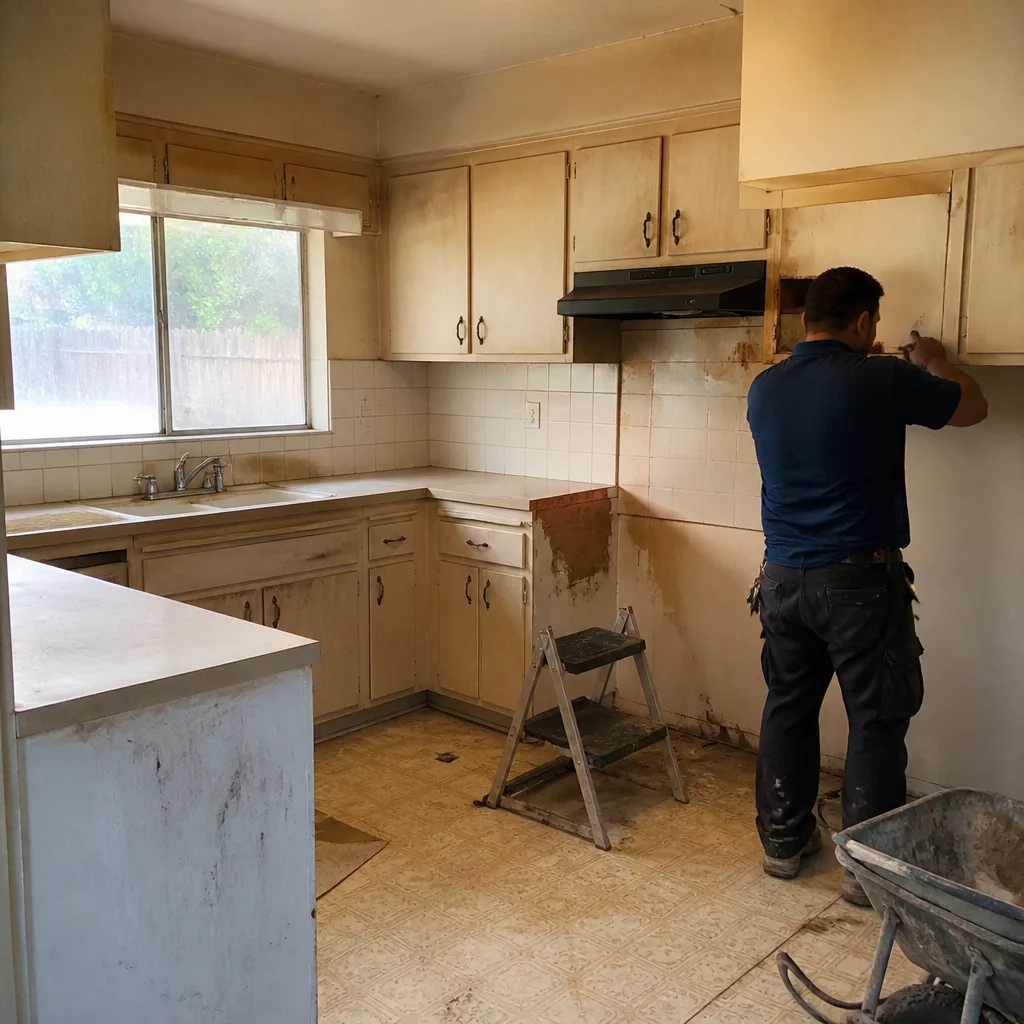
See the difference
 Before
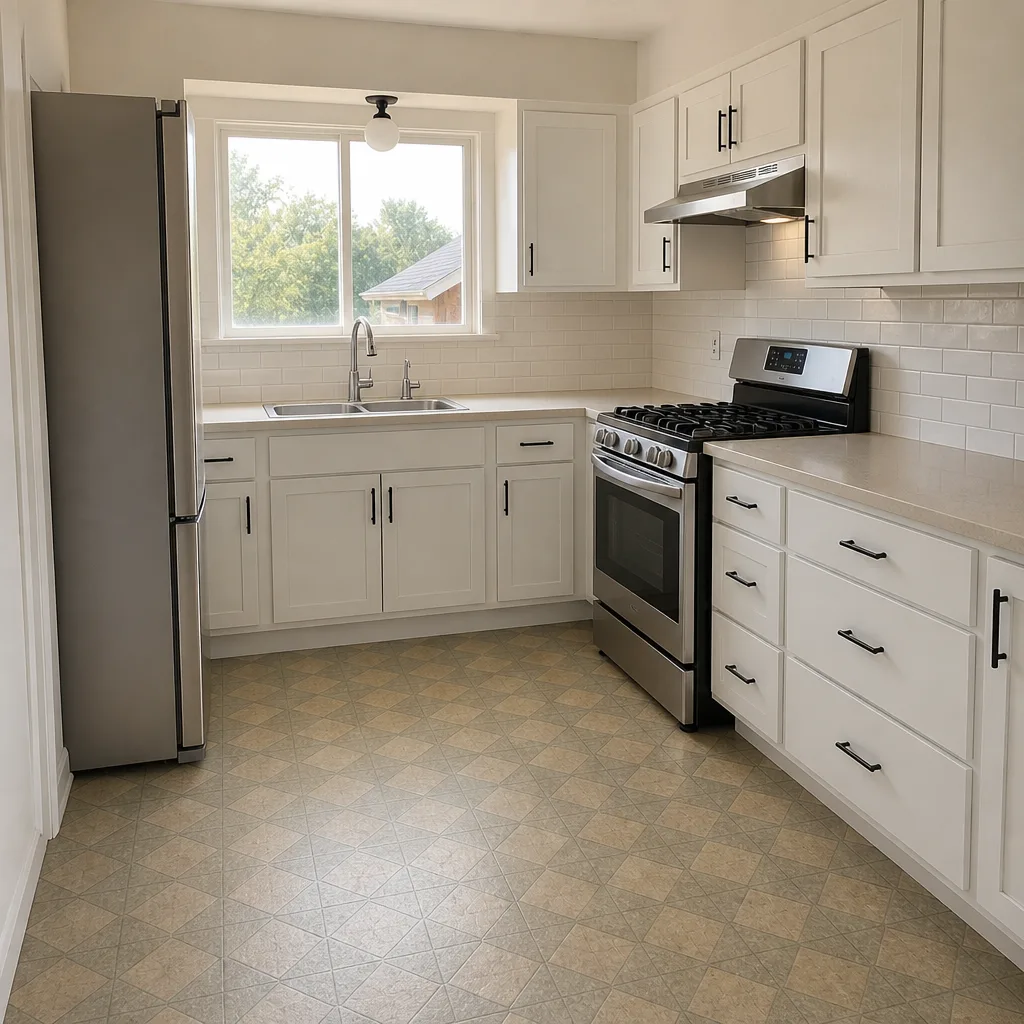 After
 Before
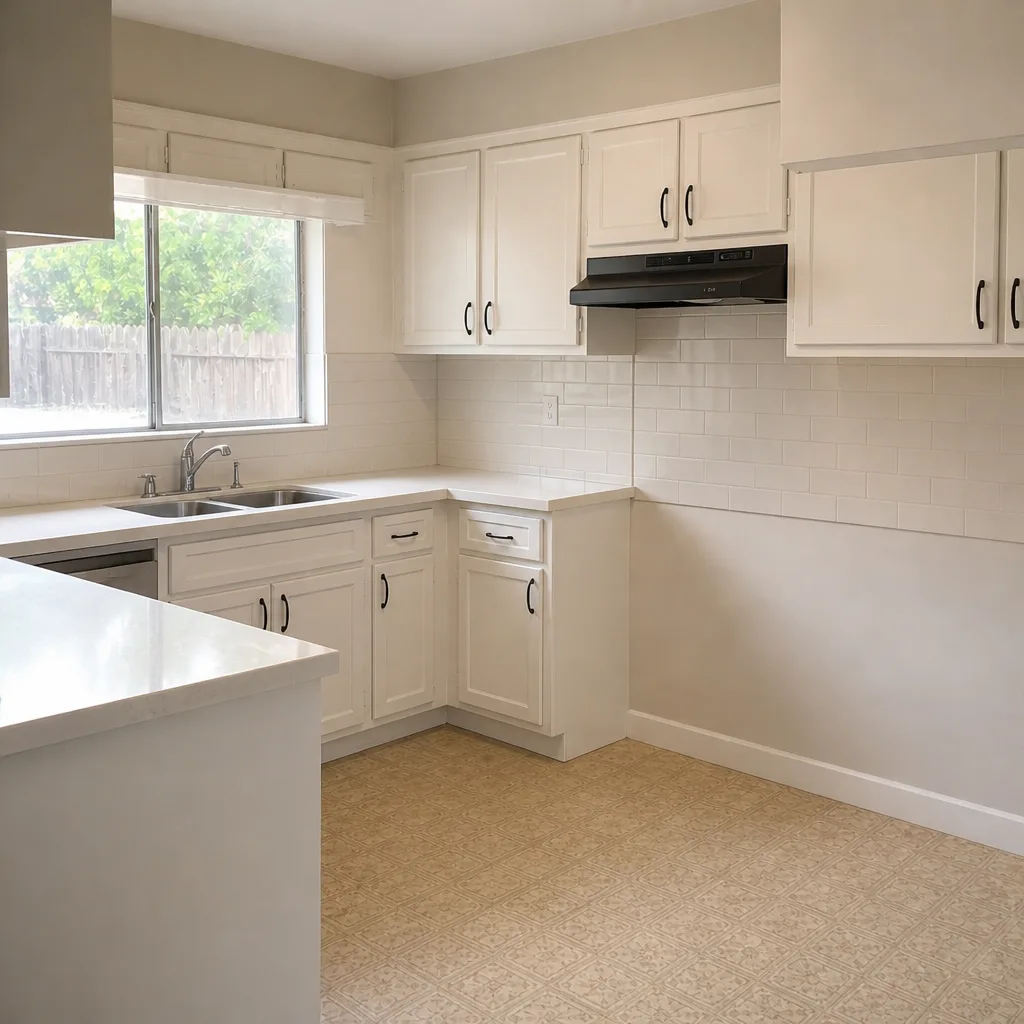 After
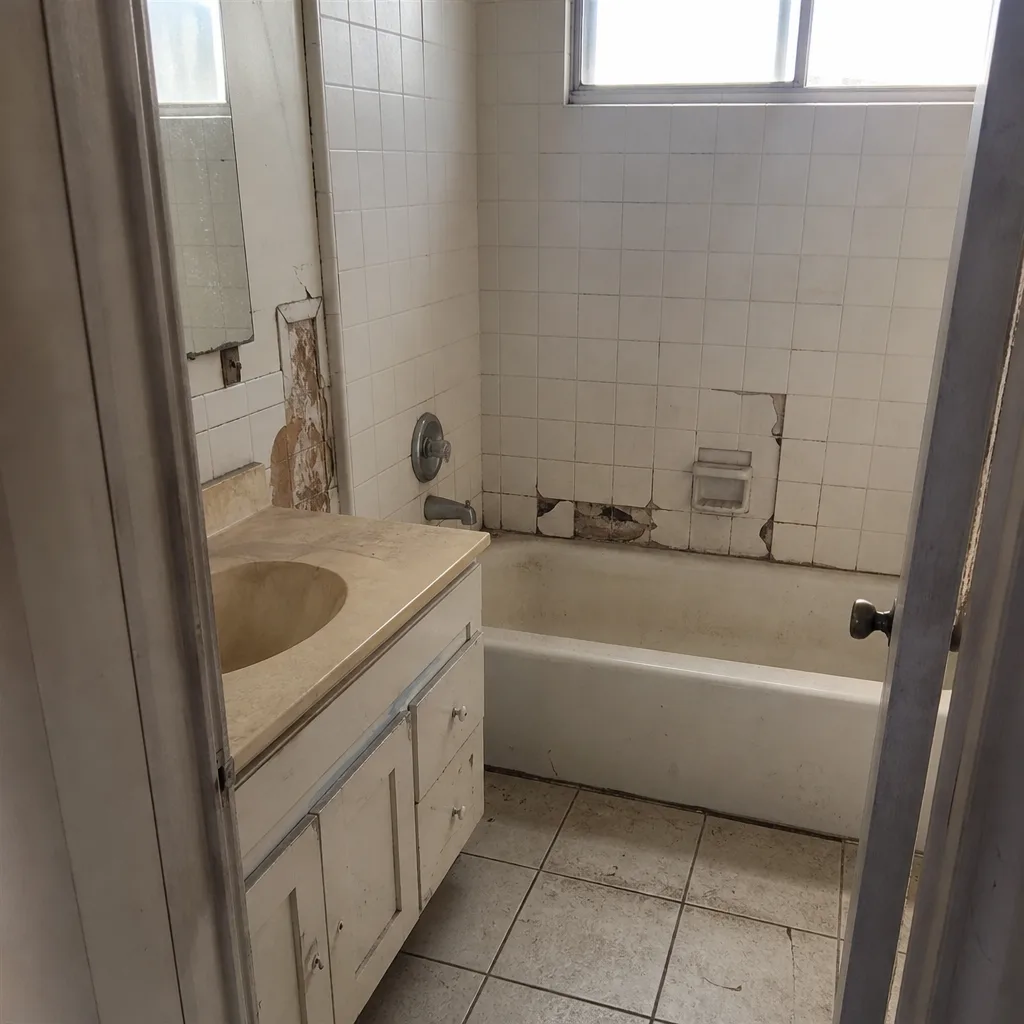 Before
 After
When to Call a Professional
Some window and door work is routine; some of it isn’t. Call a professional when a project touches the structural framing (new openings, widened rough openings, header replacement), when the unit is on a second story or higher (height work and fall protection are non-negotiable), when the existing flashing detail is uncertain, or when a permit is required and the previous install may have been unpermitted. Older Orange homes with stucco exteriors and original 1950s window installations are also worth a professional look before you commit to a like-for-like swap, because the conditions underneath don’t always match what the surface shows.
If you’re also planning adjacent work on the exterior, a coordinated schedule across trades saves days. Related guides: Fence Installation in Orange for backyard sequencing, and Home Additions & ADU in Orange for larger projects that include new windows or doors as part of the scope. Rowan Construction Group Orange offers free estimates in Orange – call (844) 320-7508.
Frequently Asked Questions
Most window replacement projects take 8 to 14 weeks total: 4 to 10 weeks of factory lead time, 2 to 4 weeks of permit issuance in Orange, 1 to 5 days of installation, and 3 to 7 days for inspection scheduling. The installation itself is the fastest part of the schedule. Call (844) 320-7508 for an exact quote on your project timeline.
Custom vinyl and fiberglass windows run 4 to 7 weeks; wood-clad units like Marvin Elevate run 6 to 10 weeks; impact-rated specialty units run 10 to 16 weeks. The brand and size you choose determine which range applies. Ask for the factory lead time in writing when you receive the estimate.
A full-house window replacement of 10 to 15 units takes 2 to 4 days on site. Stucco repair scope and interior trim refinishing push the schedule toward the higher end. Whole-house windows plus doors run 4 to 6 days. Add 1 to 2 days if the exterior is stucco and color matching is required.
Not without a signed change order. Under Clause 1 of the Haven Standard, the written price is fixed before any work starts, and no change proceeds until the change order is signed. The exceptions are genuine conditions opaque until the old unit is removed, like missing headers or rotted framing. Those are documented with photos and priced in writing before any additional work begins. Call (844) 320-7508 to see a written quote for your project.
Yes. The permit is pulled under the contractor’s license as part of the project, and the city inspection is scheduled by the contractor after install. The permit and inspection are line items in the written quote, not add-ons. A free second opinion on any written estimate is available if you want a second look at a competitor’s scope before signing.
June gloom pushes morning humidity high enough to slow exterior sealant cure, so we schedule sealing for the 10 a.m. to 4 p.m. window during late May to early July. Santa Ana wind events (October through January) can ground crews for safety, which may add 1 to 3 days of weather hold to the schedule.
The Bottom Line
The right answer to “how long does window replacement take” has three parts: factory lead time, permit issuance, and installation. Total it and you get 8 to 14 weeks for most projects, with installation itself measured in days not weeks. The homeowners who get the schedule they were quoted are the ones who asked for the lead time in writing, understood the permit holds, and had a documented change order process for surprises behind the wall. And when the flashing detail gets photographed before the unit goes in, you’ve got proof the seal will hold through the next June gloom and the next Santa Ana cycle.
Nothing on our projects starts until you have a written price, a written scope, and a written warranty in hand. That’s the way we’ve run every job since 2007 – 4,000-plus projects, each one with the number agreed before anyone picked up a tool. If it’s not done right in the first 365 days, we make it right under the Done Right Promise. Bring us any written estimate for a free second opinion, line by line, before you sign.
Call (844) 320-7508 to schedule your free estimate. A live person answers, every hour, every day. Start at the Rowan Construction Group Orange home page for the full trades list and current service area.
Written by the team at Rowan Construction Group Orange.