Last updated November 18, 2026
Free written scope consultation - allowances, timeline, and change-order rules on paper before a single trade is scheduled
The Complete Windows & Doors Guide for Orange Homeowners
A U-factor rating that meets code in Minnesota may not qualify under California Title 24 Section 6, and a window installed without that compliance can trigger a failed final inspection or a forced replacement before close of escrow. That single fact is why so many Orange replacement projects go sideways: homeowners shop the label that looks most energy-efficient, not the one that satisfies the permit. This guide fixes that. We’ll walk through what Orange’s climate actually demands from glass and frames, the Title 24 numbers that matter for this region, how the permit and inspection process works here, and the specific product lines that meet the standard without guesswork.
Quick Answer
For window and door replacement in Orange, California, you need products that satisfy Title 24 Part 6 requirements for Climate Zone 8 (the zone covering most of Orange County), which means a maximum U-factor of roughly 0.40 and a maximum SHGC of roughly 0.23 for residential fenestration, verified on the product’s NFRC label. ENERGY STAR certification alone does not guarantee compliance; Title 24 does. A building permit is typically required for replacement, and the final inspection checks the compliance documentation, not just the installation.
Styles & brands we work with
- Kitchen remodeling
- Bathroom remodeling
- Home additions & ADU
- Roofing
- Windows & doors
- Driveway & pavers
- Fence
Table of Contents
- Why Windows and Doors in Orange Are a Different Problem
- California Title 24: What Zone 8 Actually Requires
- Frame Materials for the Orange Climate: Vinyl, Fiberglass, Aluminum-Clad Wood, and Composite
- ENERGY STAR vs. Title 24 Compliance: Why They’re Not the Same
- The Permit and Inspection Process for Window and Door Replacement in Orange
- Brand-Specific Product Lines Vetted for the Orange Climate
- Doors in Orange: Entry, Patio, and Sliding Door Considerations
- Common Mistakes to Avoid
Why Windows and Doors in Orange Are a Different Problem
Orange sits in a peculiar environmental pocket. The city is roughly 12 miles from the coast as the crow flies, close enough to pull marine air in the mornings and evenings, but far enough inland that summer afternoons regularly push into the high 80s and low 90s. That daily swing from cool and damp to hot and dry is what stresses a window assembly. The frame expands, contracts, and expands again, every single day. Seals that were fine in a milder climate begin to fail in year six or seven instead of year fifteen.
Direct sun exposure compounds the problem. Orange’s average of 279 sunny days a year is not a marketing statistic here; it’s a physical force. A west-facing window on a 1980s ranch house in the Orange Plaza Historic District takes more UV in a given afternoon than a shaded window in a cooler climate takes in a week. Vinyl frames that aren’t formulated for UV will yellow and eventually chalk. Glazing seals break down faster. Weatherstripping on doors dries and cracks.
Then there’s the code layer. California’s Title 24 energy standards are the strictest residential building code in the country, and Orange County is split across climate zones that force specific product choices. A window that meets code in a cooler part of the state may not meet it here, and a door that passes one inspection may fail the next because the wrong door type was substituted. We have seen homeowners in Orange buy beautiful imported doors off a showroom floor and discover at final inspection that the SHGC was nowhere near the required number.
The good news: this is a solved problem. The specs exist, the products exist, and once you understand the four or five numbers that actually matter, the shopping becomes straightforward.
California Title 24: What Zone 8 Actually Requires
Title 24 Part 6 is California’s energy code, updated every three years. The current 2022 standards are what your permit reviewer will pull up when they look at your address, and the numbers you need to hit depend on which climate zone your project falls in. Most of the city of Orange falls into Climate Zone 8 (the “Coastal” zone), with some inland pockets brushing Zone 9. Your permit will specify the zone; when in doubt, the plan checker confirms it before you buy anything.
For residential fenestration (windows and glass doors) in Zone 8, the 2022 residential compliance manual requires the following maximum values:
- Maximum U-factor: 0.40 (whole-window, not center-of-glass)
- Maximum SHGC: 0.23 (for west-facing windows a stricter figure often applies)
- Doors with glass: U-factor 0.40 and SHGC 0.23 unless prescriptive exceptions apply
Here is the number that trips people up: U-factor and SHGC are measured on the whole-window assembly, not just the glass. The NFRC label on the window lists them exactly. When you shop, ask for the NFRC-rated value, not the manufacturer’s center-of-glass marketing figure, because the two are not the same and only the NFRC number is what the permit reviewer accepts.
In practice this means single-pane windows are out (they’d be around U-1.0). Dual-pane with a low-E coating is the floor. Triple-pane units or dual-pane with a thermally broken frame get you comfortably under the threshold. If you’re considering a whole-house window replacement in Orange, the compliance paperwork will list every window on the project individually. Under our Rowan Construction Group Orange home process, that documentation gets assembled before the permit is filed, not after.
Frame Materials for the Orange Climate: Vinyl, Fiberglass, Aluminum-Clad Wood, and Composite
Frame choice affects thermal performance, lifespan in direct sun, and how much of your budget goes to the glass versus the frame. Here is how the four main options behave specifically in Orange:
Vinyl
Vinyl (uPVC) is the most common replacement window frame in Orange County, mostly because it’s the cheapest compliant option. A well-made vinyl frame from a reputable manufacturer – Milgard’s Tuscany series, for example – will deliver thermal performance in the U-0.30 to U-0.35 range with dual low-E glazing. The downside is UV. Basic vinyl chalks and yellows; UV-stabilized vinyl formulations last 20 to 25 years before visible deterioration. Look for the manufacturer’s UV-resistance claim in writing; if it’s not specified, assume standard vinyl.
Fiberglass
Fiberglass (pultruded) frames expand and contract at roughly the same rate as the glass they hold, which is why they hold seals better than vinyl in climates with big daily temperature swings. For Orange specifically, this is a meaningful advantage. Performance typically lands in the same U-0.25 to U-0.32 range as higher-end vinyl, but the frame material itself lasts 30 to 40 years in direct sun and doesn’t chalk. Price premium over vinyl is usually 20 to 30 percent. Marvin’s Essential line and Milgard’s Ultra series both use fiberglass construction.
Aluminum-Clad Wood
Wood cores with an extruded aluminum exterior combine excellent thermal numbers (U-0.22 to U-0.28 typical) with the traditional interior look older Orange homes often want. The aluminum cladding handles the sun and rain; the wood inside provides insulation and aesthetic. The trade-off is maintenance of the interior wood surfaces (paint or stain every 5 to 7 years) and a higher price band. Andersen’s E-Series and Marvin’s Signature line are both in this category. If you’re replacing windows in a historic property near the Plaza, this is often the only option that passes the city’s historic review board.
Composite
Composite frames (engineered wood-and-polymer mixes) deliver performance similar to aluminum-clad wood at a lower price, with better rot resistance and less maintenance. Pella’s Impervia line is the most established example in Orange. Lifespan runs 25 to 35 years. The limitation is color options – composites come in a narrower palette than clad wood.
For most Orange homes built between 1960 and 2005, fiberglass is the sweet spot: it handles the sun, holds the seal in the temperature swings, and slots under the Title 24 numbers without an exotic price tag. For newer homes or projects where aesthetics lead, aluminum-clad wood or high-end composite often wins.
ENERGY STAR vs. Title 24 Compliance: Why They’re Not the Same
This is the single most common point of confusion we see in Orange. ENERGY STAR and Title 24 are two different programs with different thresholds, and a window can be one without being the other.
ENERGY STAR is a national voluntary program administered by the EPA. There are different ENERGY STAR climate zones, and the Southern California coastal strip – including Orange – sits in the “South-Central” or “South” zone depending on the product category. ENERGY STAR’s requirements for that zone are directional and reasonably strict, but they don’t match Title 24 exactly, and they’re updated on a different cycle.
Title 24 is California law. It’s what your permit reviewer enforces. It applies to the specific climate zone of the address, and the numbers can be stricter or looser than ENERGY STAR depending on the specific zone and product category. For Zone 8, the Title 24 SHGC maximum of 0.23 is tighter than what ENERGY STAR requires, which means a window can carry the ENERGY STAR label and still fail a Title 24 permit review.
What to do:
- Ask the salesperson for the NFRC-rated U-factor and SHGC on the exact unit being quoted.
- Compare those against the Title 24 Zone 8 maximums (U-0.40, SHGC-0.23).
- Confirm in writing that the product meets Title 24; get the manufacturer’s compliance certificate.
- File that certificate with your permit application and keep a copy for your records and any future resale.
ENERGY STAR is a useful shorthand when shopping; Title 24 is the standard that matters for the permit. When those two goals conflict, Title 24 wins.
The Permit and Inspection Process for Window and Door Replacement in Orange
Replacing windows or doors is generally considered an alteration, and most replacements require a building permit in the city of Orange. The two exceptions are: replacement of glazing only (broken pane, same frame) and in-kind replacement of a window or door in a non-historic structure that doesn’t change the size, location, or opening dimensions. Anything that enlarges an opening, changes the header, or adds a new opening triggers a structural review.
How the process typically runs for a standard replacement project:
- Confirm the historic status. If the home is in or adjacent to the Orange Plaza Historic District or another locally designated historic area, the project requires historic review in addition to the building permit. This adds 2 to 4 weeks and typically requires aluminum-clad wood or an approved vinyl profile – no visible vinyl flanges.
- Pull the building permit. The application includes the NFRC certificates for every window and door being replaced, plus a Title 24 compliance form (CF1R) prepared by a certified energy consultant for the project.
- Plan check. The city reviews the application and issues comments if anything is missing. Expect 10 to 15 business days for standard residential projects.
- Installation. The crew installs per the approved scope. For a full home of 20 to 25 windows, this is typically 3 to 5 days.
- Inspection. The city inspector verifies that the installed units match the permit, checks flashing and weather sealing on the exterior, and confirms the compliance documentation matches the installed product. Keep copies of the NFRC labels or photographs of them; they’ll be requested.
- Final approval. Once the inspector signs off, keep the permit and compliance paperwork with the deed documents. Future buyers and future appraisers will ask for it.
One documentation point worth noting: many homeowners lose the compliance paperwork in the two years between installation and sale. Without it, a buyer’s lender or inspector can flag the windows as unpermitted upgrades, and the seller ends up paying for another inspection or, occasionally, replacement. Every Rowan job ships with a documented photo record of the installation and the paperwork filed on the homeowner’s behalf.
Brand-Specific Product Lines Vetted for the Orange Climate
The specific lines that meet Title 24 Zone 8 requirements and hold up under Orange sun, listed by category:
Milgard
The Tuscany series is the flagship vinyl line and meets Title 24 Zone 8 comfortably with dual low-E glazing (U-factor roughly 0.30, SHGC roughly 0.22 depending on configuration). The Ultra series is fiberglass and offers better long-term UV resistance and seal longevity. The Trinsic series is the modern, narrow-profile vinyl option for contemporary homes.
Andersen
The E-Series (aluminum-clad wood) is the standard choice for historic or high-aesthetic projects in Orange; it’s reviewed and approved by most local historic review boards and easily hits Title 24 with high-performance glazing. The 100 Series fiberglass line is a value alternative that performs well in sun exposure.
Marvin
The Essential collection (fiberglass) and the Elevate collection (aluminum-clad wood interior) both offer solid thermal performance; the Signature line is their top-tier clad wood product with the widest glazing options and the best Title 24 numbers. For Orange projects on older homes, Marvin’s narrower frame profiles often match original openings more closely than other brands.
Pella
The Impervia line (fiberglass) is the standout for the Orange climate – it’s engineered specifically for high-UV, high-temperature-swing environments and meets Title 24 Zone 8 with triple-pane options. The Reserve line (clad wood) is for projects where the interior aesthetic demands wood.
We source across these brands and others through a vetted supplier network that gives the written quote honest numbers rather than inflated ones; the brand recommendation depends on the specific opening, exposure, and framing in your home, not on a template.
Doors in Orange: Entry, Patio, and Sliding Door Considerations
Doors have their own Title 24 story and their own weather-exposure story. Glass in doors is measured on the same U-factor and SHGC scale as windows, but the numbers are usually easier to hit because door assemblies include less glass surface per unit of total area. The exception is full-glass patio doors and sliding glass doors, which function essentially as very large windows and need to hit the same targets.
The Orange-specific detail: door frames take more direct sun than window frames because they sit vertically, uncovered, on the exterior face for 30 to 40 years. Vinyl door frames on a west-facing entry will chalk within 10 to 12 years. Fiberglass or aluminum-clad wood are better choices for the front door specifically. For patio doors, an aluminum frame with a thermal break is the most durable choice in this climate, and sliding doors from Milgard, Andersen, and Marvin all offer Title 24-compliant configurations.
One more Orange-specific note on entry doors: many homes built in the 1990s and 2000s used wood-frame doors with sidelites. When replacing those, the new door needs to fit the existing rough opening without moving the header. If a new door requires enlarging the opening, that triggers structural review and adds 3 to 5 weeks to the permit timeline. Get that scoped before you order a door.
If your project scope touches fencing or exterior access points, the crews we work with handle those through Fence Installation in Orange and similar trade-specific crews. And if you’re considering a larger envelope upgrade that includes windows as part of an addition or ADU, that work connects to Home Additions & ADU in Orange.
Common Mistakes to Avoid
- Buying on ENERGY STAR label alone. A window can be ENERGY STAR certified and still fail Title 24 Zone 8’s SHGC-0.23 threshold. Always verify the NFRC numbers against the zone-specific code before purchase.
- Changing the specified product mid-installation. Substituting a different model or glazing package after the permit is pulled means the installed unit doesn’t match the approved permit, and the inspection fails. If a change is needed, file a revision – not a substitution.
- Skipping the historic review. Buying and installing windows in the Orange Plaza Historic District without historic review is a stop-work situation and can require removal. Confirm the parcel’s historic status before ordering.
- Installing vinyl on a west-facing entry. Vinyl works fine on shaded elevations; it does not hold up long-term in direct Orange sun on a west-facing front door. Match the material to the exposure.
- Losing the compliance documentation. The NFRC certificate and Title 24 CF1R are what a buyer’s inspector will want to see. Lose them and you may end up paying for a re-inspection or replacement during escrow.
- Assuming a “same-size” replacement doesn’t need a permit. In Orange, replacements that change glazing area, frame material, or U-factor typically require a permit even at the same opening size. Confirm with the city before skipping.
See the difference
 Before
 After
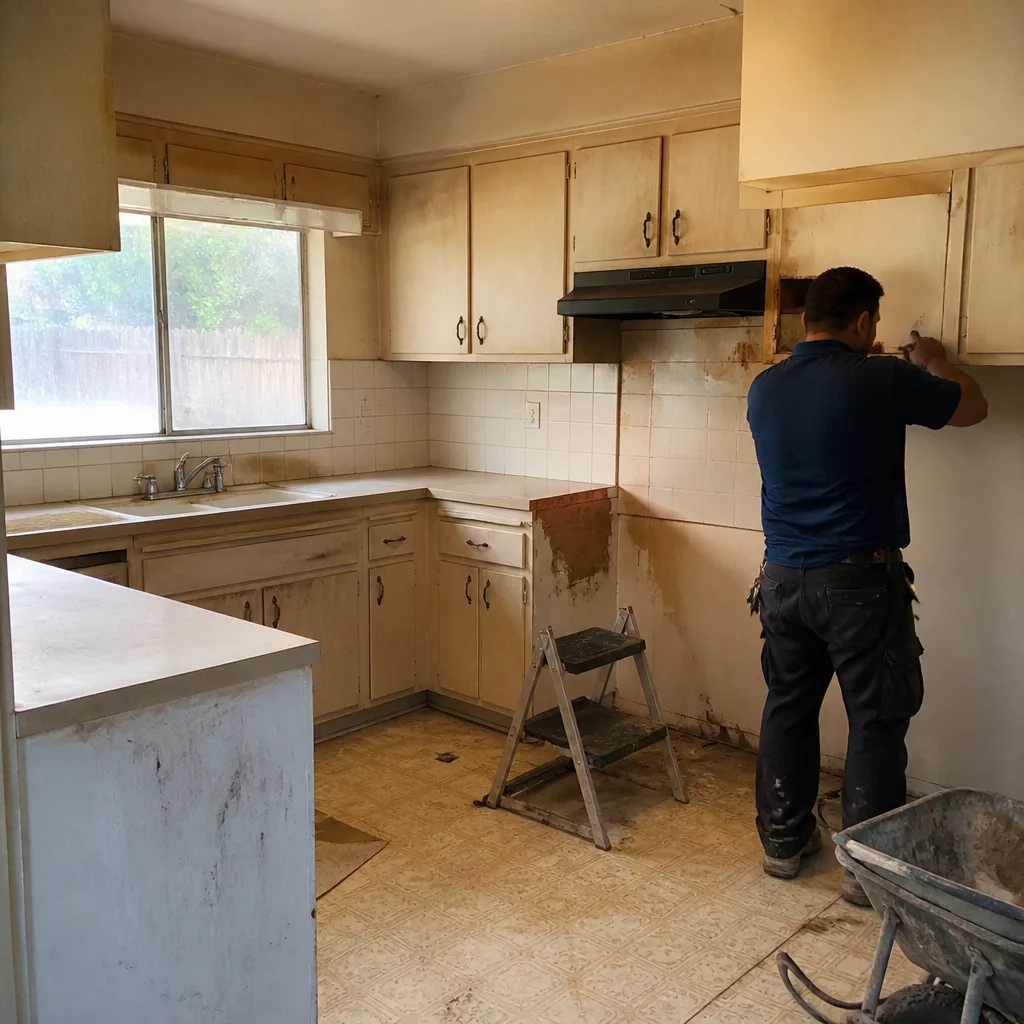 Before
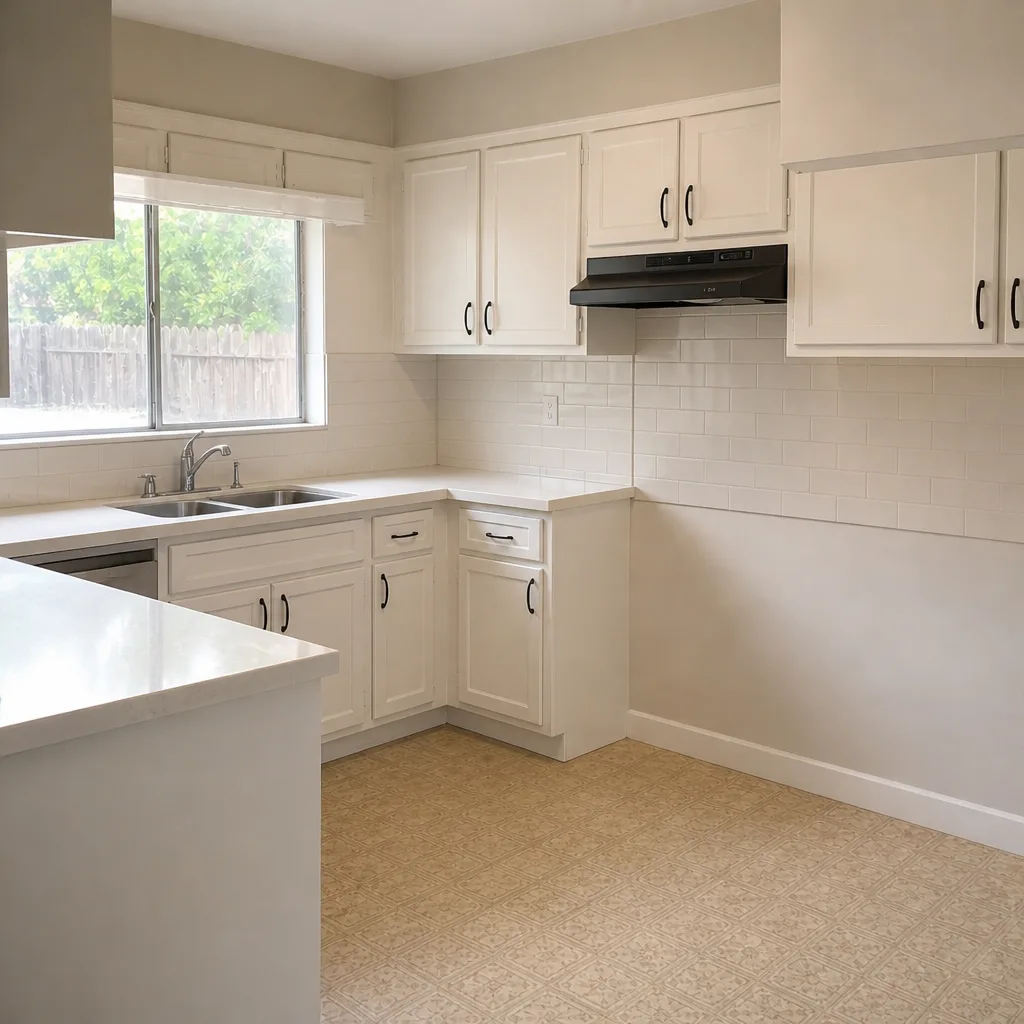 After
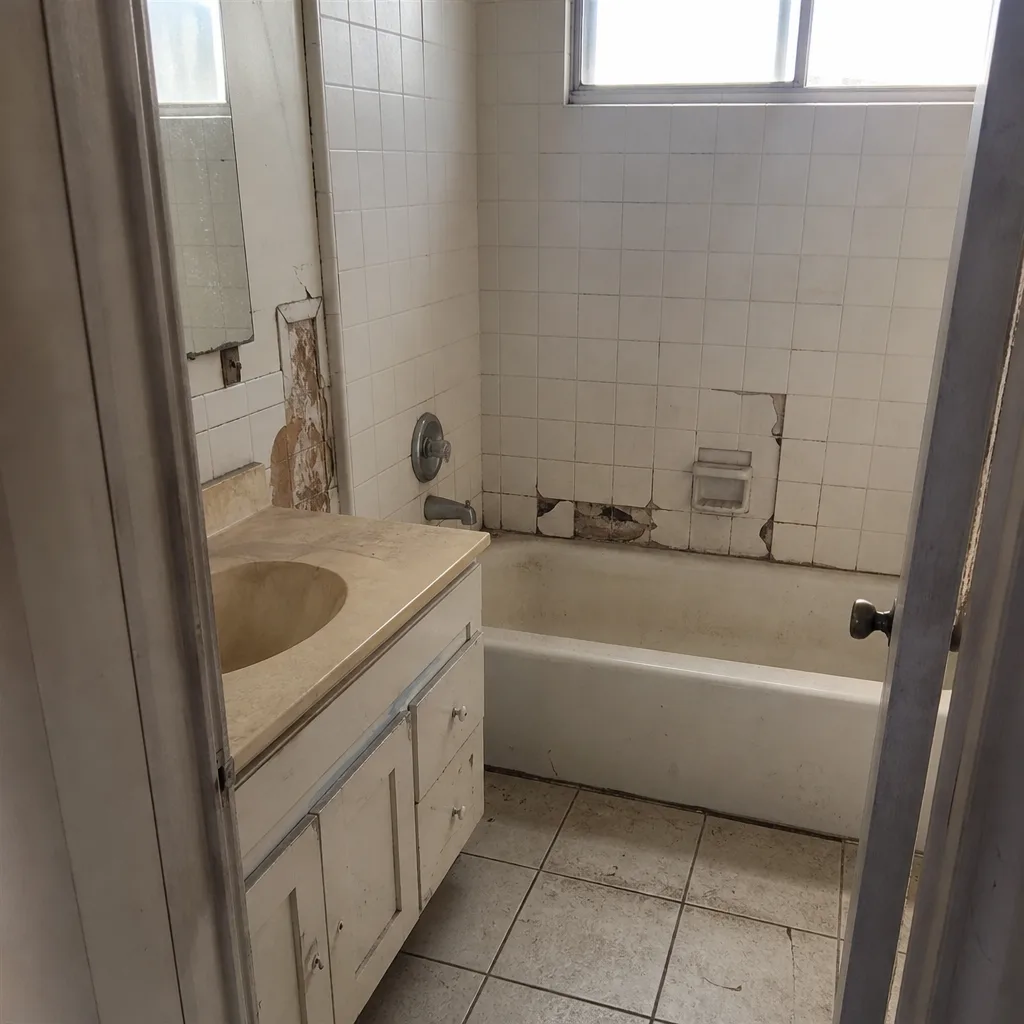 Before
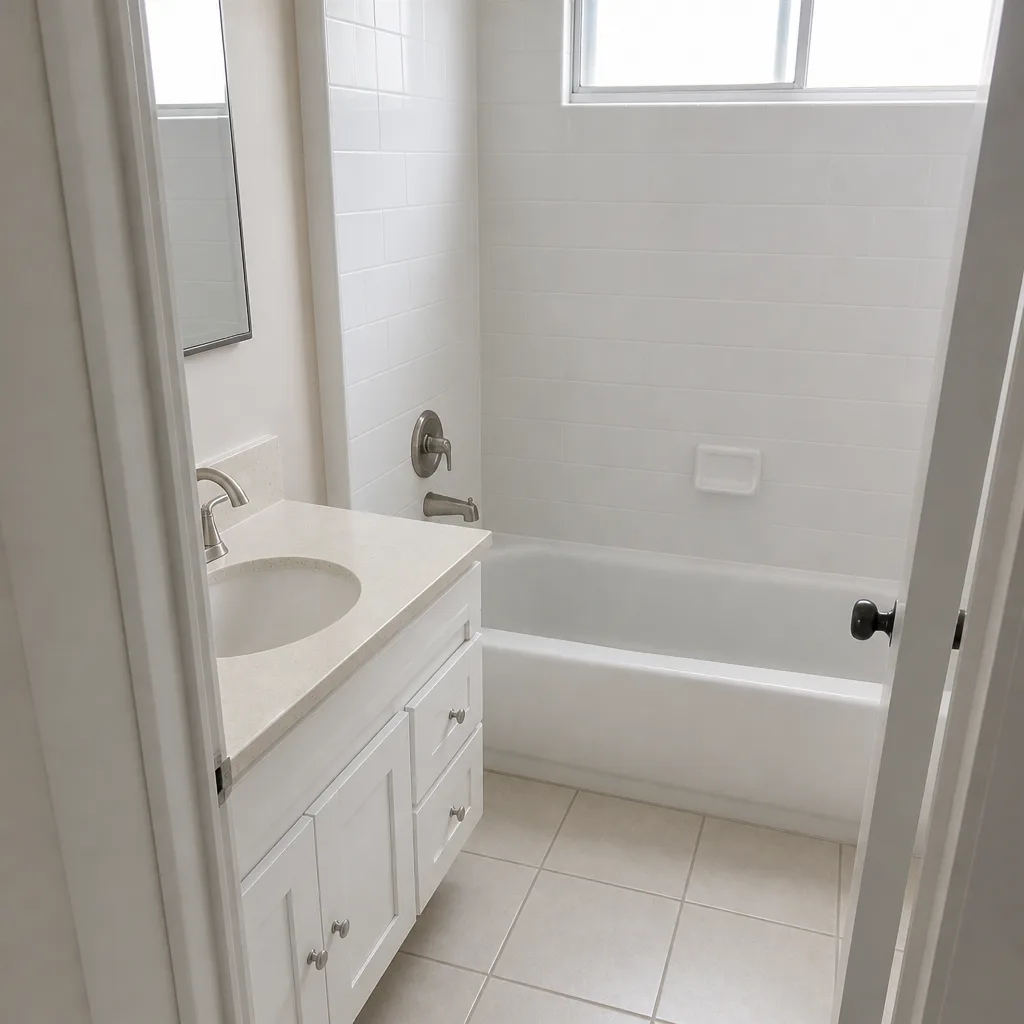 After
When to Call a Professional
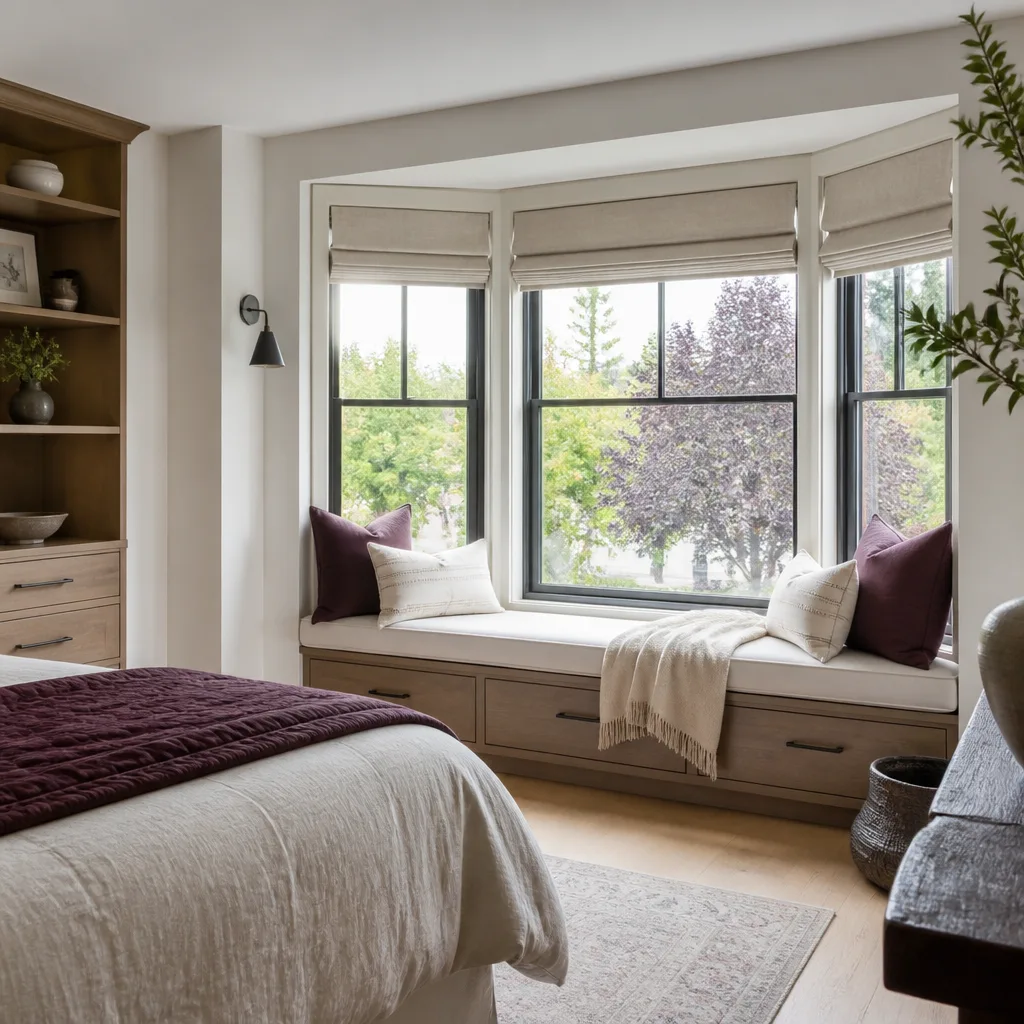
Window and door replacement crosses into “call a professional” territory faster than most exterior projects. Any project requiring a building permit, any historic property, any door or window that requires enlarging the rough opening, and any job where the existing frames are showing rot or water intrusion all belong with a licensed installer who can handle the compliance paperwork. Window and door work also involves the kind of structural loads and weather-sealing details where a DIY misstep is invisible until the first rainy season. We don’t recommend attempting the installation yourself once a permit is involved.
Rowan Construction Group Orange offers free estimates in Orange. We deliver a written price before any work starts, we pull the permit and handle the compliance documentation, and the crew is background-checked and uniformed. Call (844) 320-7508 to schedule your free estimate. If you already have a quote from another contractor, we’ll review it line by line at no charge.
Frequently Asked Questions
For a typical Orange single-family home, replacement windows run roughly $550 to $950 per window installed for vinyl, $800 to $1,300 for fiberglass, and $1,100 to $1,800 for aluminum-clad wood, depending on size, glazing package, and elevation exposure. A whole-house project of 20 to 25 windows lands between $14,000 and $26,000 for vinyl or fiberglass, and $22,000 to $40,000 for clad wood. Call (844) 320-7508 for an exact quote; estimates are free and written.
Usually yes. Most window and door replacements in Orange require a building permit, particularly when frame material or glazing changes or when the home is in a historic district. In-kind replacement of a window in a non-historic structure with no change in size or opening can sometimes proceed without a permit, but confirm with the city before assuming. The permit review is where Title 24 compliance is checked.
ENERGY STAR is a voluntary national program with climate-zone thresholds; Title 24 is California law enforced through your building permit. A window can be ENERGY STAR certified and still fail Title 24 Zone 8’s SHGC-0.23 maximum. Title 24 is the standard that matters for permits in Orange.
There’s no single best – it depends on exposure, historic status, and budget. For most Orange homes, fiberglass frames (Milgard Ultra, Marvin Essential, Pella Impervia) hold up best to direct sun and daily temperature swings. For historic properties, aluminum-clad wood (Andersen E-Series, Marvin Signature) is often required by the review board. For value-focused projects, high-end vinyl (Milgard Tuscany) meets code and performs well on shaded elevations.
Top-tier window replacement typically returns 60 to 70 percent of project cost at resale in Orange County, and the Title 24 compliance documentation is often worth more than the windows themselves during escrow because it prevents inspection holds. Houses in the Orange Plaza Historic District and neighborhoods like Old Towne see the strongest return on properly documented replacements. Call (844) 320-7508 for a written estimate that includes documentation scope.
Installation for a typical 20 to 25-window home runs 3 to 5 working days once the permit is issued. Permit review itself adds 10 to 15 business days for standard projects, and 4 to 6 weeks if historic review is required. Overall, plan for 5 to 9 weeks from order to final inspection on a standard Orange project. Estimates are free; call (844) 320-7508 to get yours on the calendar.
The Bottom Line
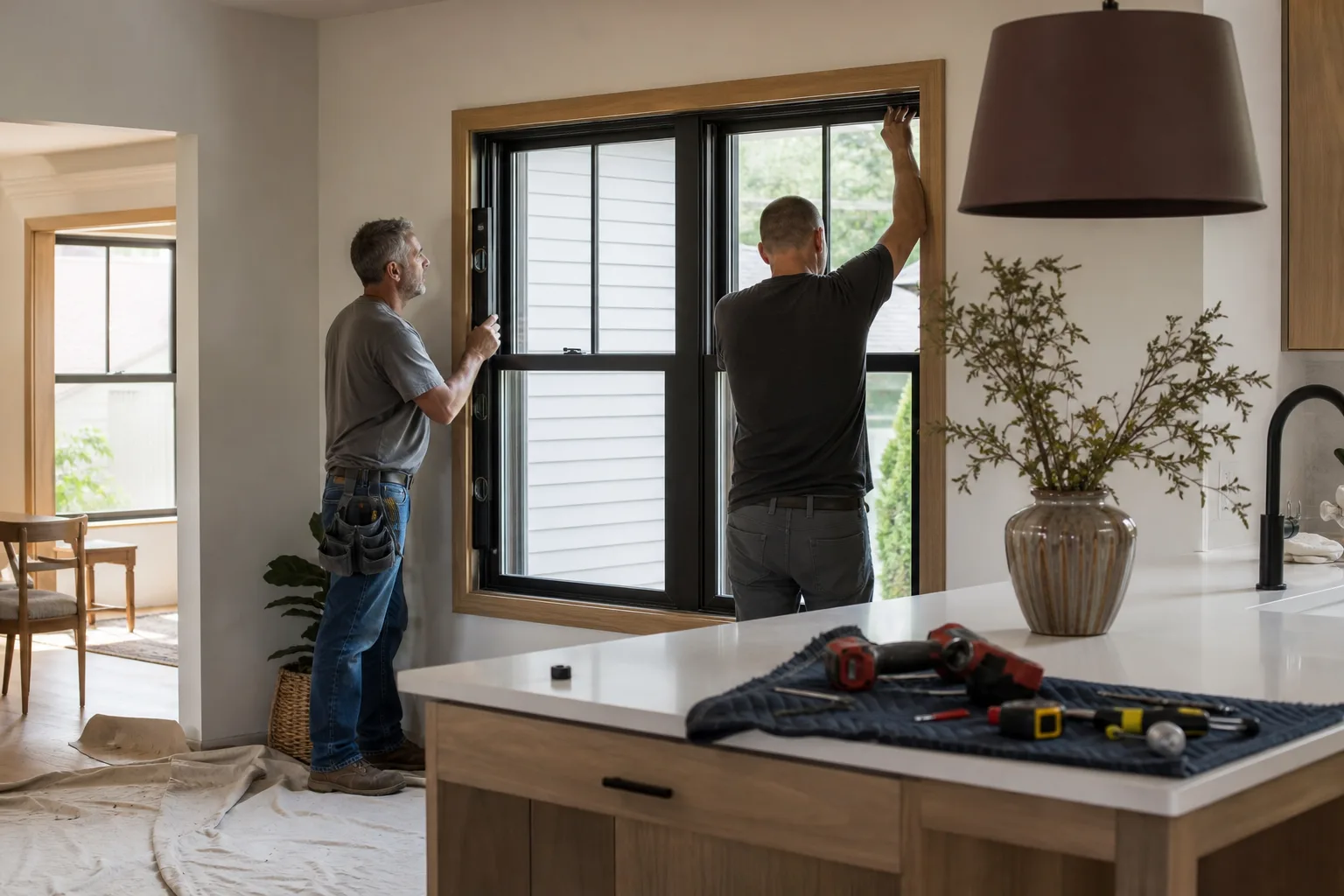
Windows and doors in Orange succeed or fail on documentation as much as on product quality. The wall assembly, the exposure, and the daily temperature swing demand fiberglass or clad wood on west-facing openings, and Title 24 Zone 8 demands specific U-factor and SHGC numbers on every unit’s NFRC label. Get those three things right – frame material matched to exposure, NFRC values verified against Zone 8, and compliance paperwork pulled and kept – and the rest is installation quality. Get any one wrong, and you’re looking at a failed inspection, a forced replacement, or an escrow hold that eats the savings you thought you were banking.
Rowan Construction Group Orange delivers a written price before any work starts, pulls and documents the permit, and stands behind every installation with the 365-Day Done Right Promise. If it isn’t done right, we make it right. Call (844) 320-7508 to schedule your free estimate in Orange.
Written by the team at Rowan Construction Group Orange.