
Last updated November 18, 2026








Free written scope consultation - allowances, timeline, and change-order rules on paper before a single trade is scheduled
Construction Warning Signs: An Orange Homeowner’s Reference Guide
A diagonal crack above a door opening is not the same problem as a horizontal crack in a stem wall. Both involve concrete. Both look alarming in a listing photo. But one is usually cosmetic, and the other can point to lateral soil pressure pushing against a foundation – a condition no amount of patching will fix. That distinction is the whole game. Most warning signs Orange homeowners notice are symptoms. This guide works backward from what you can see to the failure mechanism underneath, so you can tell whether you’re looking at a Saturday project or a call to a structural professional. We’ll cover cracks, water, flatwork, and fascia, plus how to document what you find.
Quick Answer
Construction warning signs in an Orange home fall into four categories: cracks (judged by width, direction, and location), water intrusion (judged by where stains and efflorescence appear), flatwork settlement (judged by differential gaps between slabs), and roof or fascia decay (judged by paint-blister patterns and soft wood). The rule of thumb: cracks under 1/16 inch that aren’t actively widening are usually monitor-only, while any crack over 1/4 inch, any horizontal crack in a stem wall, or any crack that changes width season to season warrants a professional evaluation. The location and orientation of a sign matters more than its size.
Styles & brands we work with
- Kitchen remodeling
- Bathroom remodeling
- Home additions & ADU
- Roofing
- Windows & doors
- Driveway & pavers
- Fence
Table of Contents
- Crack Taxonomy: Width, Orientation, and What Each One Means
- Water Intrusion Indicators in Orange Stucco and Drywall
- Hardscape and Flatwork: Reading Your Driveway and Garage Apron
- Roof and Fascia Warning Signs Visible From the Ground
- How to Document a Warning Sign and Talk to a Contractor
- Why Orange’s Climate Produces Specific Failure Patterns
- Common Mistakes to Avoid
- When to Call a Professional
Crack Taxonomy: Width, Orientation, and What Each One Means
A crack is a message written in physical form, and the writing has rules. In our experience across thousands of Orange County properties, the three variables that matter are width, orientation, and location. Get those right and you can classify almost any crack into one of four families: thermal movement, shrinkage, settlement, or structural loading.
Width thresholds. Hairline cracks up to 1/16 inch (about the thickness of a credit card edge) are almost always cosmetic. Cracks from 1/16 to 1/8 inch sit in the monitor zone – photograph them with a ruler in frame, date it, and check again in six months. Cracks from 1/8 inch to 1/4 inch deserve an evaluation if they’re in a foundation, stem wall, or exterior masonry. Anything wider than 1/4 inch, or any crack where one side has shifted out of plane with the other, moves straight to professional territory.
Orientation. Diagonal cracks radiating from the corners of door and window openings are the classic signature of differential settlement – one part of the foundation moving relative to another. Vertical cracks in a poured foundation wall are frequently shrinkage cracks and often benign. Horizontal cracks are the ones that alarm us. In a stem wall or retaining structure, a horizontal crack can indicate lateral soil pressure, and that is a structural concern, not a cosmetic one.
Location and movement. The most telling test is whether a crack changes. A crack that opens in late summer and closes in winter follows the shrink-swell cycle of clay soils – common in parts of Orange where expansive soils are present. A crack that only grows in one direction, season after season, is a different animal entirely. Measure it, date the measurement, and compare.
- Thermal movement: straight, often near expansion joints, opens and closes with temperature.
- Shrinkage: vertical or map-cracking in concrete, typically appears within the first year and stabilizes.
- Settlement: diagonal, radiating from openings, often accompanied by sticking doors or windows.
- Structural: horizontal in load-bearing elements, or any crack with out-of-plane displacement.
Water Intrusion Indicators in Orange Stucco and Drywall
Water leaves fingerprints, and in Orange’s stucco-clad housing stock those fingerprints are specific. The first is efflorescence – the white, powdery mineral bloom that appears on stucco when water moves through the wall and evaporates at the surface, carrying dissolved salts with it. A faint bloom near the base of a wall after a wet winter can be normal. Bloom that recurs in the same patch every year, or that comes with a darker ring around it and a chalky residue that won’t brush away, means water is moving through persistently and the source hasn’t been found.
Interior ceiling stains tell you where the water is coming from. A stain in a second-floor room near an exterior wall is usually a building-envelope problem – a roof or wall flashing failure, or wind-driven rain getting behind stucco at a window or penetration. A stain in the same second-floor ceiling but near the middle of the house, away from any exterior wall, is more often plumbing – a supply line, drain, or fixture seal. The distinction matters because one calls for a roofer or envelope specialist and the other calls for a plumber, and guessing wrong wastes money.
According to nationally recognized building science guidance, prolonged moisture in a wall cavity can support mold growth within days, so the timeline isn’t leisurely once you’ve identified active intrusion. Look for these companion signs:
- Stucco that sounds hollow or drums when tapped, compared to surrounding areas.
- Weep screed (the metal edge at the base of stucco that lets moisture escape) that’s buried in soil or blocked by hardscape.
- Paint or stucco bubbling in a horizontal band along a wall, often at window-head height.
- Musty odor in a room that worsens after rain, indicating trapped moisture in the cavity.
Hardscape and Flatwork: Reading Your Driveway and Garage Apron
The joint between a driveway and the garage apron is one of the most informative places on your property. If the two surfaces used to be flush and now one has dropped, you’re seeing differential settlement – the two slabs are riding on different subgrade conditions, or one was under-compacted at install. This is a flatwork issue when the gap is small and stable. It becomes a structural concern when the settlement continues, when the slab tilts toward the house and water pools against the foundation, or when you see the same dropping at the slab edge where it meets the garage wall.
Pooling water is the mechanism that turns a flatwork problem into a foundation problem. In Orange, where rain arrives in concentrated winter storms rather than steady drizzle, a slab that slopes toward the house directs a season’s worth of water against the foundation in a few events. That’s the connection between what Driveway & Pavers in Orange work addresses and the structural health of the home behind it – proper slope and drainage aren’t cosmetic upgrades, they’re part of keeping the foundation dry.
Fence and retaining walls deserve a separate look. A leaning fence post is common and usually just post rot or shallow embedment. But a retaining wall that’s bowing outward, showing horizontal cracks, or has soil visibly pushing at the base is doing structural work and failing at it. That’s a case where the fix has to address the load, not just the leaning face – which is why Fence Installation in Orange on sloped or terraced lots starts with what’s happening underground.
Roof and Fascia Warning Signs Visible From the Ground
You don’t need to get on a ladder to read a roof. The fascia – the board running along the edge of the roof, right behind the gutter – tells a story you can see from the ground with binoculars. The specific pattern to watch for is paint blistering in a horizontal band or clustered patch along the fascia. That’s not ordinary sun fade. Bubbled or blistered paint on fascia usually means moisture is trapped behind the paint and pushing out, which points to water getting behind the board – typically at the roof edge, flashing, or gutter attachment – and finding its way into the rafter tail behind it.
What’s at stake behind that fascia is the rafter tail: the end of the structural rafter that overhangs the wall. Soft, rotted rafter tails are a wood-destroying condition, and by the time the fascia paint blisters visibly, the rot has often been working for a season or two. Other ground-level roof signs:
- Sagging gutter runs – gutters pulling away from the fascia suggest rotted fascia board that no longer holds fasteners, or fastener failure from weight.
- Granule loss in gutters – a heavy accumulation of shingle granules in the gutter after a storm indicates shingles near the end of their service life.
- Curling or lifting shingle edges – visible at the rake or ridge, often a sign of attic ventilation problems or age.
- Daylight or staining at the soffit – the underside panel at the roof edge showing water tracks means intrusion above.
For a full-condition inspection rather than a spot check, a roofer can confirm what the fascia is telling you.
How to Document a Warning Sign and Talk to a Contractor
The gap between “we’ll take a look” and a useful answer is almost always documentation. A contractor who receives a clear photo with a scale, a location, and a written description can often tell you what they’re dealing with before anyone drives out. Here’s the format we recommend, and it’s the same format our own technicians use in the photo record they leave on every visit.
- Photograph with a scale. Place a ruler or a coin of known size beside the crack or stain. Shoot straight-on, not at an angle, so the measurement reads cleanly.
- Shoot a wide shot first. A close-up tells you the size; a wide shot tells you where it is relative to the room, wall, or roofline. Include both.
- Note the compass orientation and location. “North exterior wall, second floor, below the window” is precise. “The back of the house” is not.
- Write the history in one or two sentences. “First noticed after the January storms, appears to have widened about 1/16 inch since” is the kind of line that gets a precise reply.
- Date everything. The date on the photo lets a contractor compare against the drain or construction history of the property.
Send that set of photos to a contractor and ask a specific question: “Is this in the monitor-only range, or does it need an evaluation?” You’ll get a much better answer than “can you come look at a crack?” Under our Rowan Construction Group Orange home page, the full scope of services and the standard we hold crews to are laid out; the same documentation discipline applies whether the question is a crack or a full addition.
Why Orange’s Climate Produces Specific Failure Patterns
Orange’s climate is a long dry season punctuated by concentrated winter rain, and that rhythm drives most of the movement homeowners see. Soil that dries and shrinks through summer and swells when the rains arrive puts seasonal stress on foundations – which is why we tell homeowners to measure a crack, note the date, and measure again six months later. Movement that follows the season is usually benign. Movement that ignores the season is the one to flag.
Sun exposure matters too. South- and west-facing stucco takes the most thermal cycling, and that’s where you’ll see the most thermal movement cracks and the most paint failure. Ventilation matters in the opposite direction: an under-ventilated attic traps heat and moisture, which shortens shingle life and feeds fascia rot. When we evaluate a home for an addition, we’re reading these signals first – because Home Additions & ADU in Orange work has to integrate with the existing structure’s condition, and a warning sign that’s been ignored for years becomes a real constraint on the design.
Common Mistakes to Avoid
- Judging a crack by size alone. A 1/4-inch horizontal crack in a stem wall can be more serious than a much wider vertical shrinkage crack. Orientation and location outrank width.
- Painting over efflorescence without finding the source. The bloom will return, and the moisture that caused it keeps working behind the new paint. Find the water path first.
- Ignoring the driveway-to-garage joint. A growing gap there is easy to overlook because it’s underfoot, but differential settlement between those slabs is often an early sign of subgrade issues that affect the structure.
- Assuming a ceiling stain near an exterior wall is a roof leak. It often is – but a stain mid-ceiling is more likely plumbing. Guessing wrong sends the wrong trade out.
- Cleaning out a window well or weep screed that’s been buried. Burying the weep screed in soil or mulch traps moisture against the stucco and defeats the drainage system that’s supposed to protect the wall.
- Taking a single photo with no scale or date. A contractor can’t tell much from a face-on shot with no size reference. Shoot wide, shoot close, show a ruler, note the date.
- Letting a “cosmetic” problem drift for years. A cosmetic crack that’s stable stays cosmetic; one that’s slowly widening doesn’t, and the fix gets more expensive the longer it’s deferred.
When to Call a Professional
Call a professional when a crack exceeds 1/4 inch, when any horizontal crack appears in a stem wall or load-bearing element, when a crack changes width between seasons, when water intrusion is active and you can’t locate the source, or when a retaining wall is bowing. These are the conditions that move a sign from monitor-only to evaluate-now. For a chimney, high roof edge, or any inspection that requires more than a stepladder, don’t do the climb yourself – a fall from roof height is a serious injury every time, and a trained professional with proper fall protection can inspect the same area safely. Rowan Construction Group Orange offers free estimates in Orange – call (844) 320-7508 to schedule a walkthrough on your specific signs.
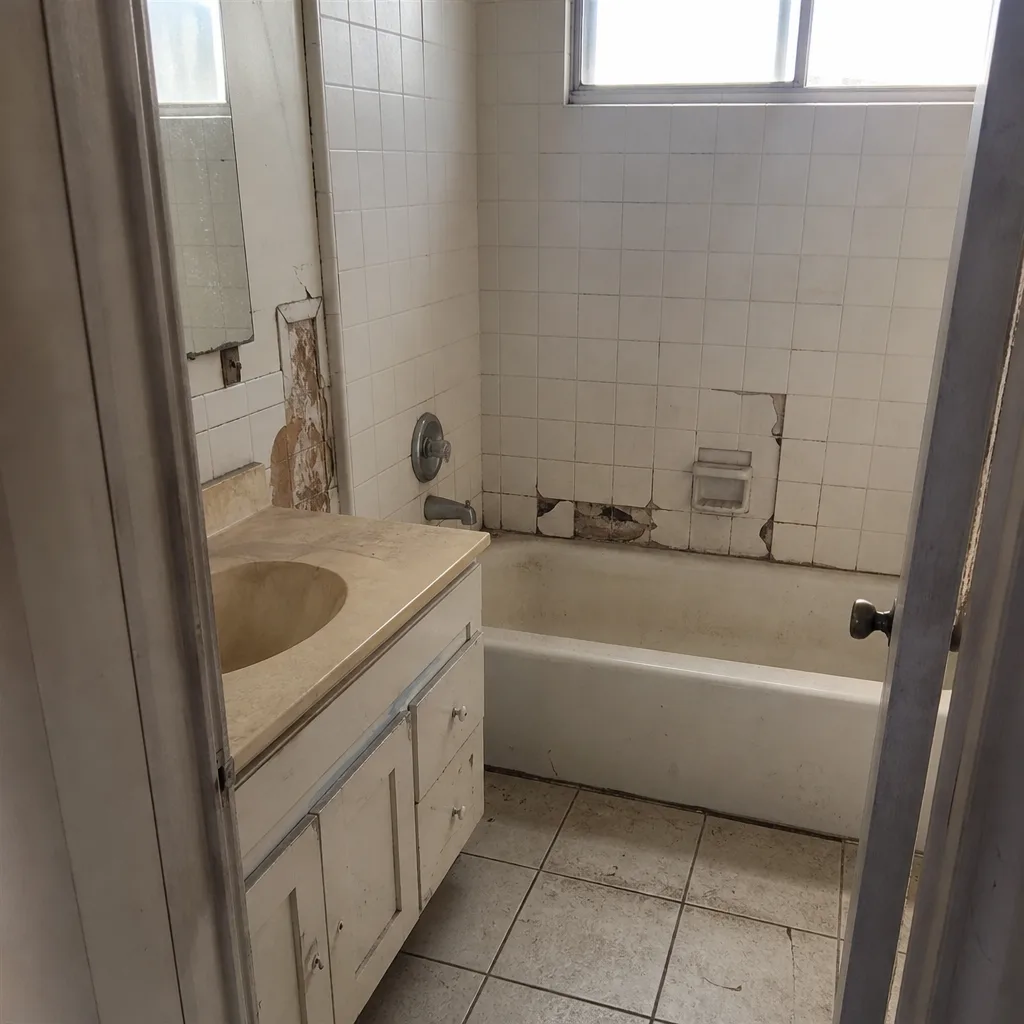
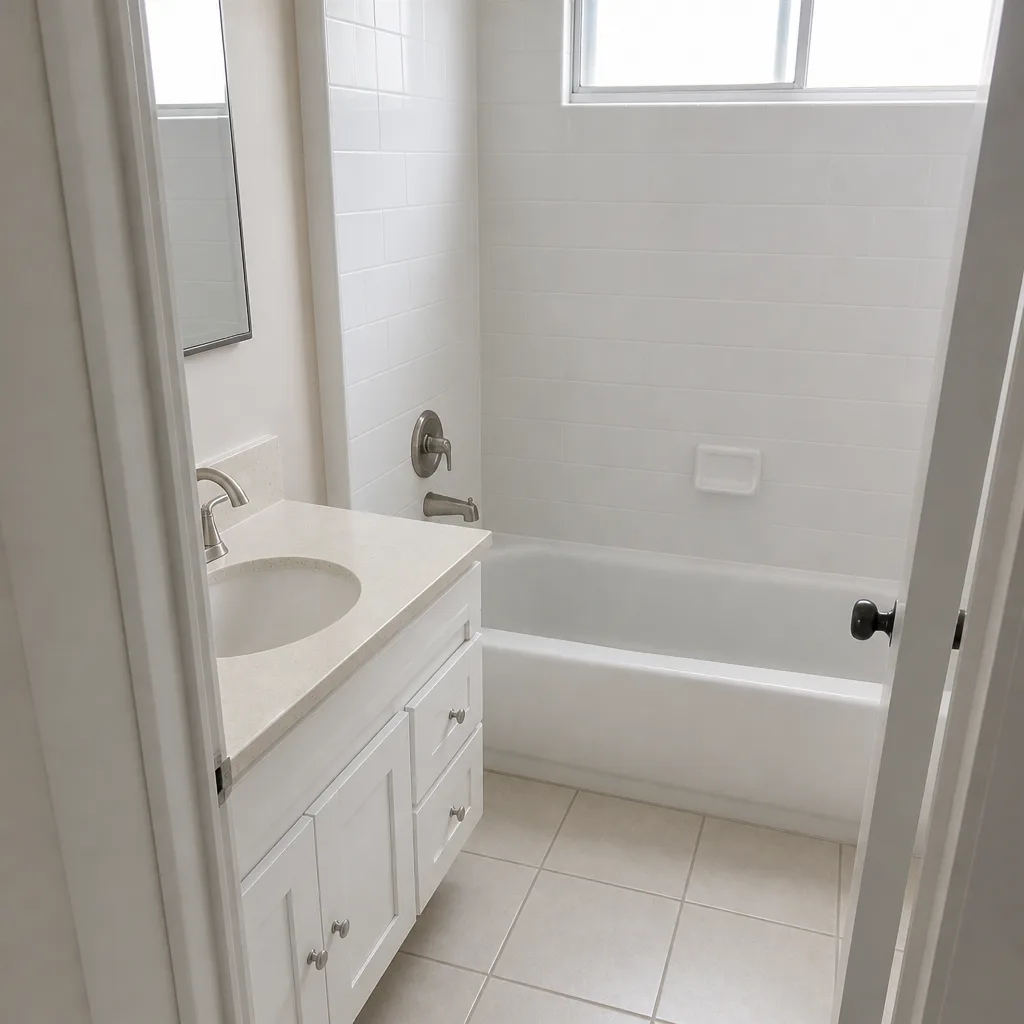
See the difference
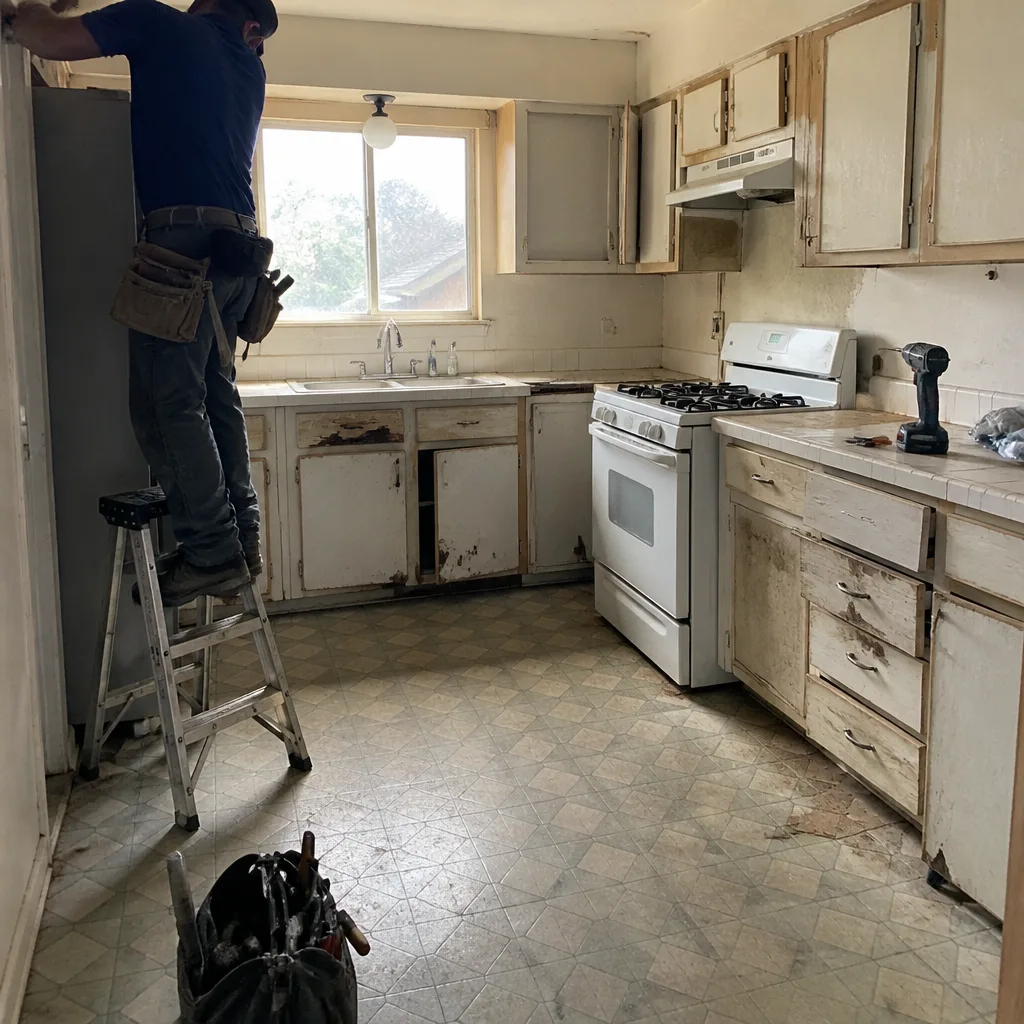 Before
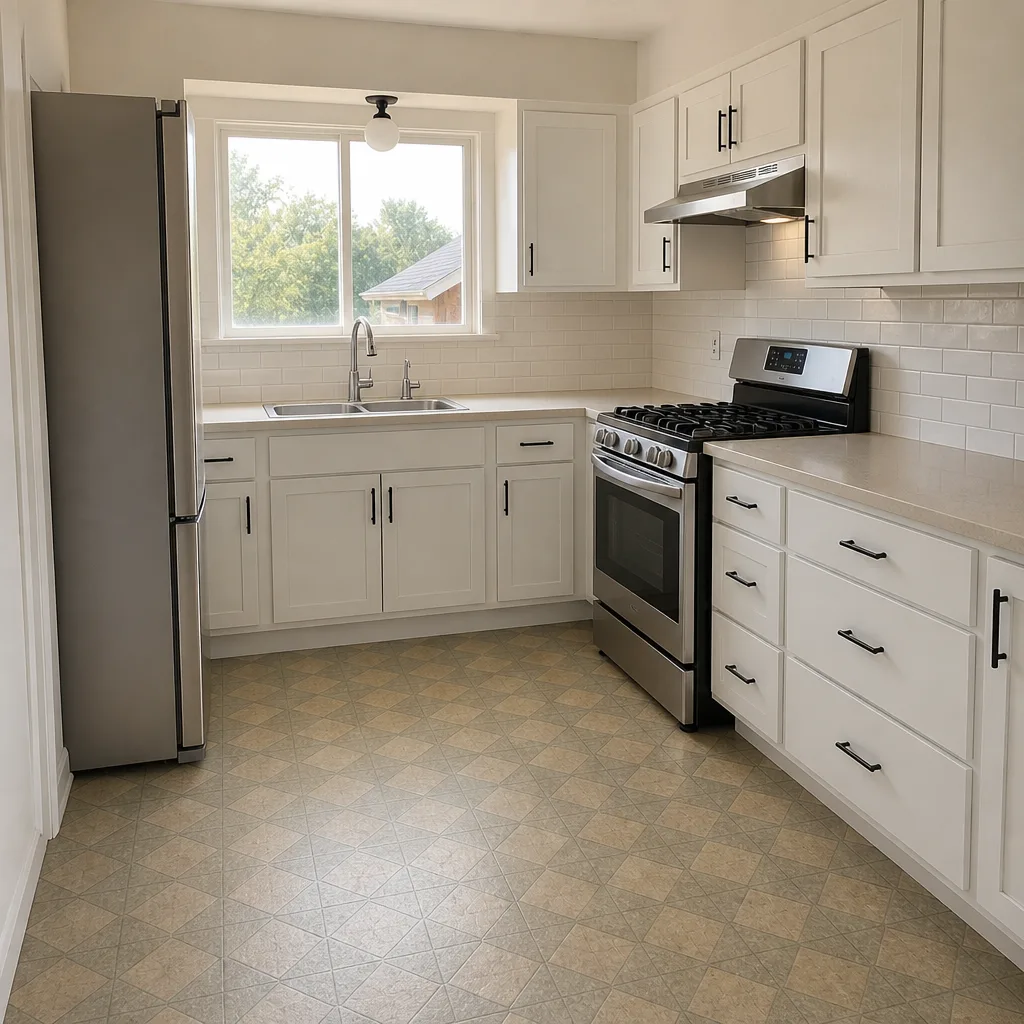 After
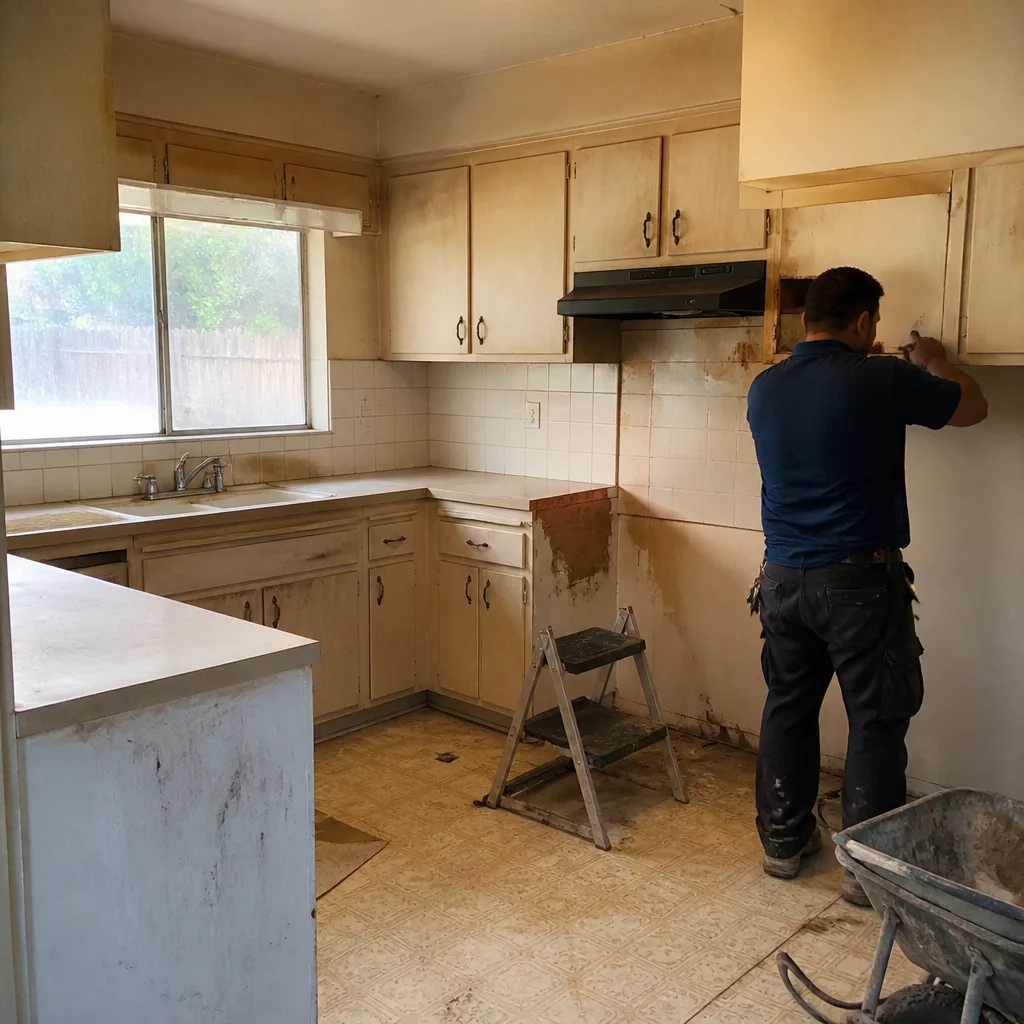 Before
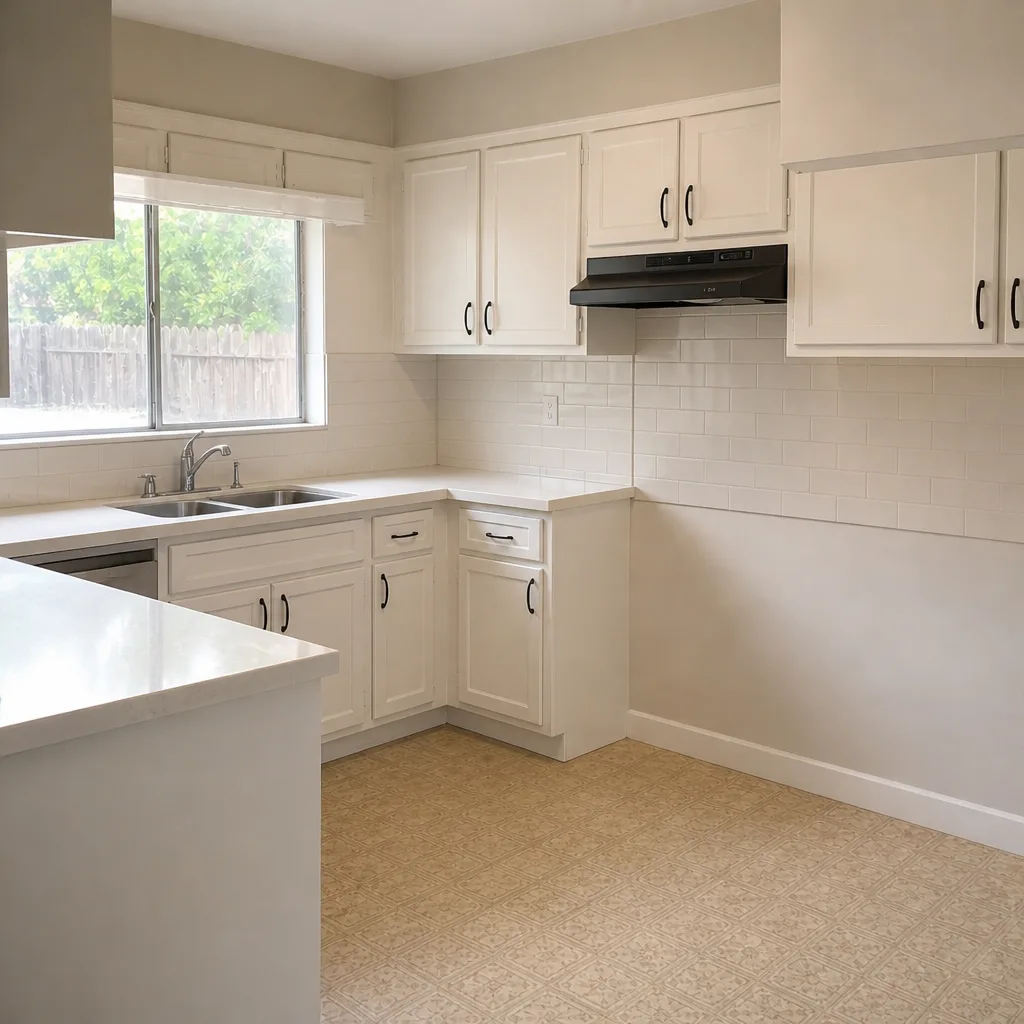 After
 Before
 After
Frequently Asked Questions
Judge by width, orientation, and location: cracks under 1/16 inch that aren’t widening are usually cosmetic and safe to monitor, while any horizontal crack in a stem wall, any crack over 1/4 inch, or any crack that changes width season to season warrants a professional evaluation. Measure it, photograph it with a ruler in frame, date it, and recheck in six months. Call (844) 320-7508 for a free assessment if the crack meets any of those thresholds.
That’s efflorescence, mineral salt left behind when water moves through the stucco and evaporates at the surface – it means moisture is passing through the wall. A single faint bloom after a wet winter is common, but bloom that returns in the same spot annually, or that comes with a darker ring, indicates persistent water intrusion that needs tracing. Call (844) 320-7508 to get a source evaluation before the next rainy season.
A small, stable gap is usually cosmetic, but a gap that’s growing, or one where the slab has dropped enough that water pools against the garage wall, points to differential settlement that affects your drainage. That’s when it matters beyond the flatwork itself. Call (844) 320-7508 for a free evaluation and a written quote.
Blistered paint in a clustered patch on fascia usually means moisture is trapped behind the paint and pushing out – often from water getting behind the board into the rafter tail. Rotted rafter tails are a structural concern, so this is worth inspecting sooner rather than later. Call (844) 320-7508 to schedule a look.
Shoot a wide shot and a close-up with a ruler in frame for scale, note the location and compass orientation, date the photos, and write a one-line history of when you noticed it and whether it’s changed. That combination gets a precise reply. If you’d rather have someone walk the property, call (844) 320-7508 – estimates are free.
Not necessarily – a documented warning sign often just means the addition design has to account for the existing structure’s condition, which is exactly what a thorough site evaluation reveals before any drawings are made. We routinely factor existing conditions into addition scope. Call (844) 320-7508 for a free second opinion on any written estimate, including addition plans.
The Bottom Line
A warning sign is information, not a verdict. The crack you measured, the efflorescence on the stucco, the gap at the garage apron, the blistered fascia – each one points to a specific mechanism underneath, and most of them are far less scary than they look once you’ve classified them. Width, orientation, and location for cracks. Source and season for water. Differential movement for flatwork. Blister pattern for fascia. Document with a ruler and a date, monitor what’s stable, and call a professional when the signs move from monitor to evaluate. The cost of a look is nothing next to the cost of a missed sign.
We’ve spent our working lives turning visible symptoms into written answers, and we’ll do the same for you: a free estimate, a written price before any work starts, and a documented photo record of what we found. Call (844) 320-7508 to schedule yours.
Written by the team at Rowan Construction Group Orange.