Last updated November 18, 2026


Free written scope consultation - allowances, timeline, and change-order rules on paper before a single trade is scheduled
DIY vs Professional Bathroom Remodeling: What’s Safe to Do Yourself
Here’s the part most remodeling guides skip: a homeowner in Orange who installs a shower valve and a new drain line without a permit hasn’t just taken on a weekend project. They’ve created an unpermitted improvement that has to be disclosed when the house sells, and that disclosure can stall an appraisal or force a credit at the negotiating table. Capability was never the real question. The real line runs through permit requirements, moisture liability, and code violations that attach to the property deed, not to whoever held the wrench. This guide draws that line using California building code and the CSLB licensing rules, not motivational language about believing in yourself.
Quick Answer
Painting, swapping hardware, hanging a mirror, replacing a freestanding vanity, and re-caulking are safe DIY tasks for a prepared homeowner. Anything that touches the waterproofing membrane, the plumbing supply or drain system, or the electrical circuit requires a licensed contractor in California, and most bathroom work above a low dollar threshold requires a building permit in Orange regardless of who swings the hammer. If the task involves opening a wall, moving a fixture, or pulling a wire, the safe answer is no.
Styles & brands we work with
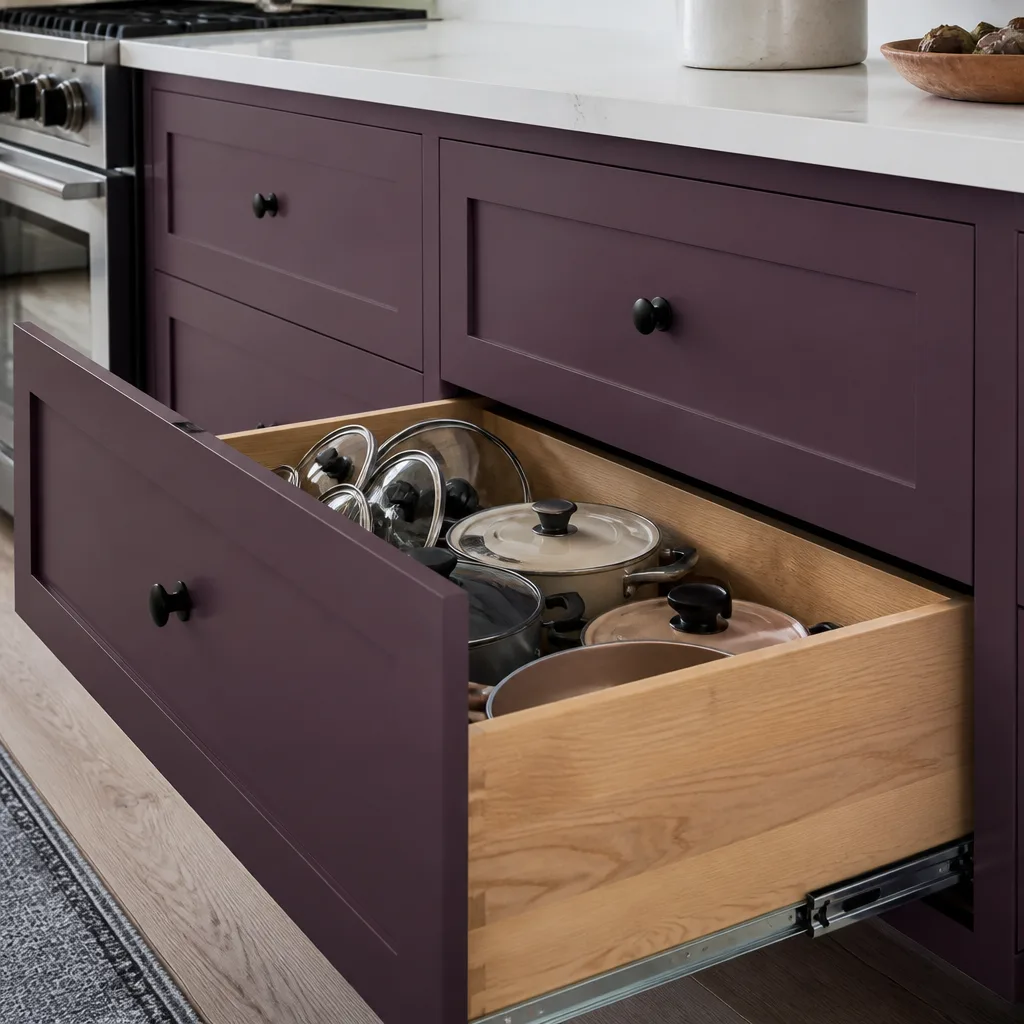
- Kitchen remodeling
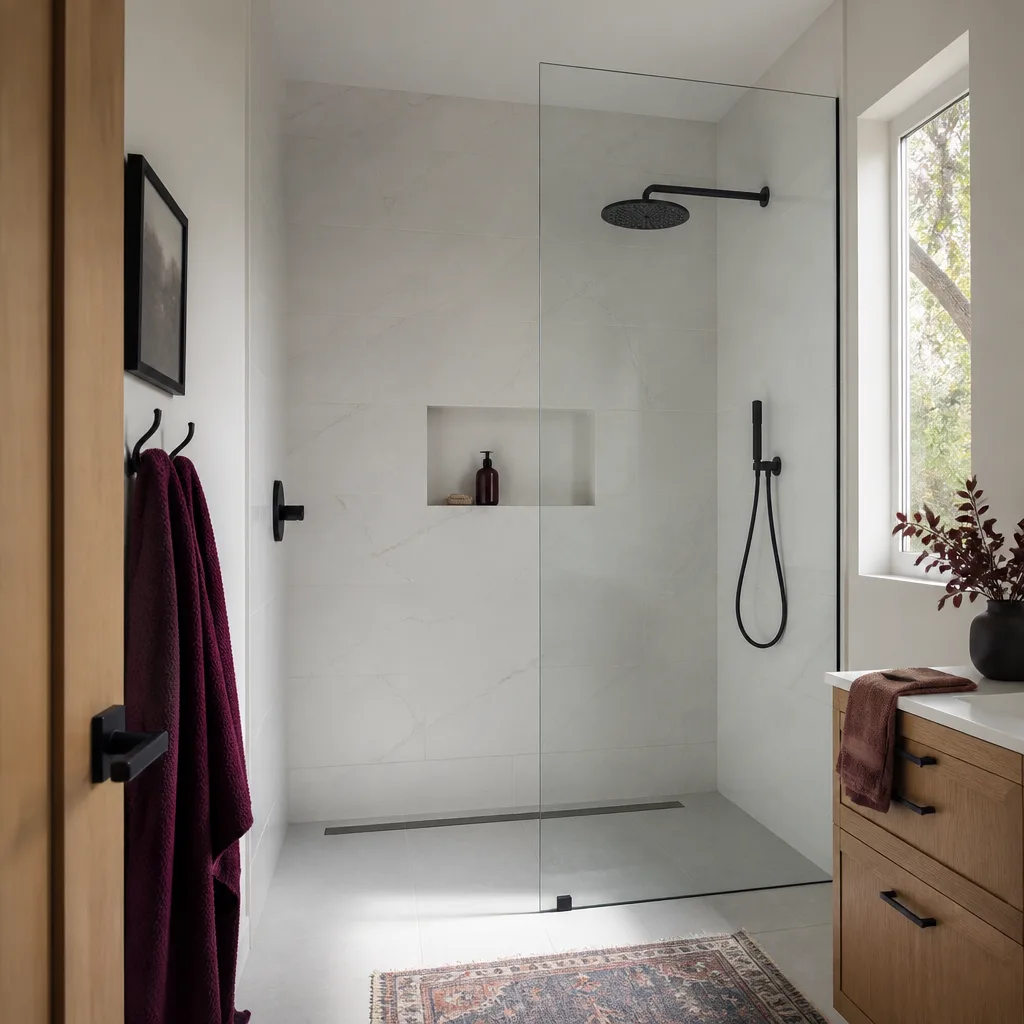
- Bathroom remodeling
- Home additions & ADU
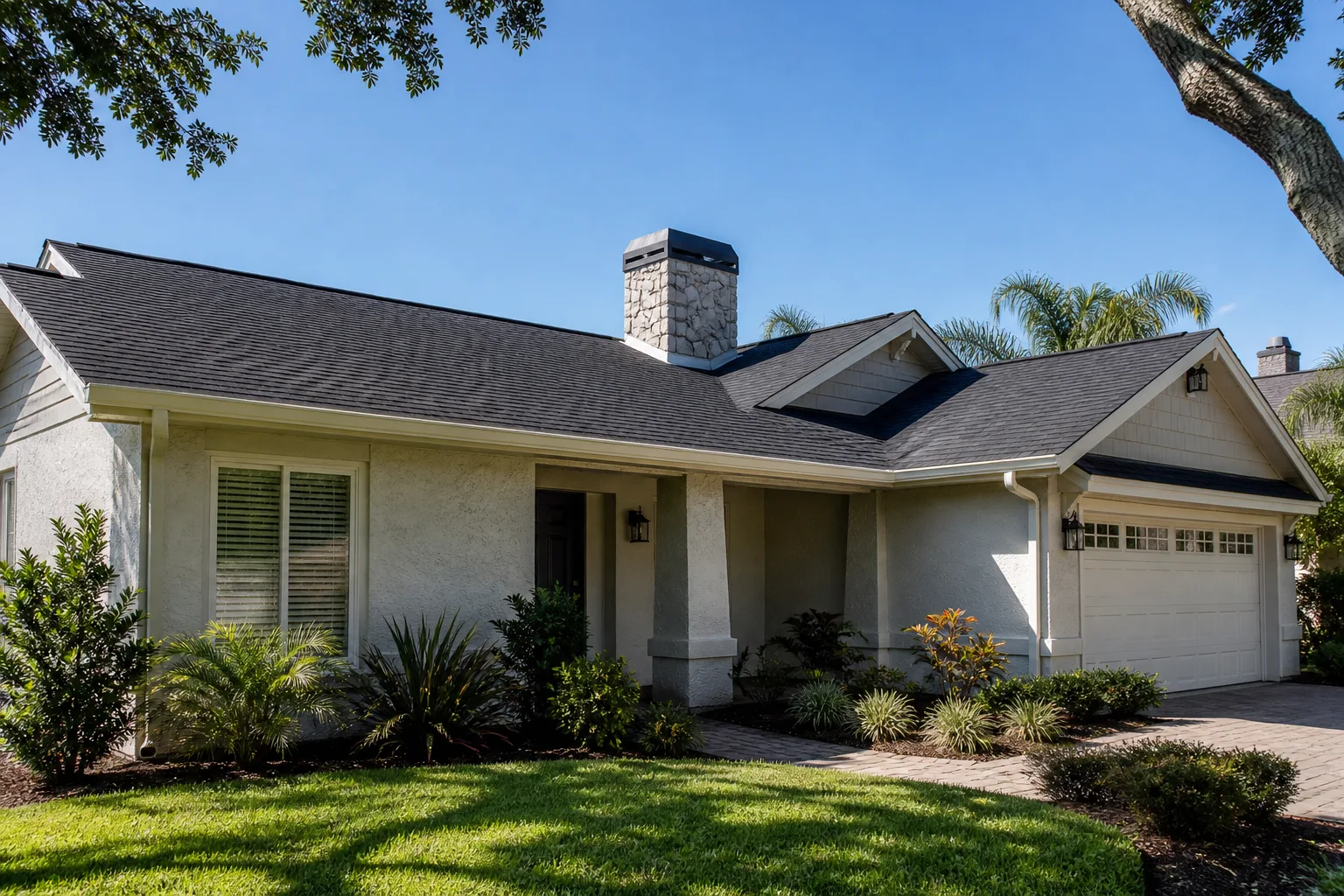
- Roofing
- Windows & doors
- Driveway & pavers
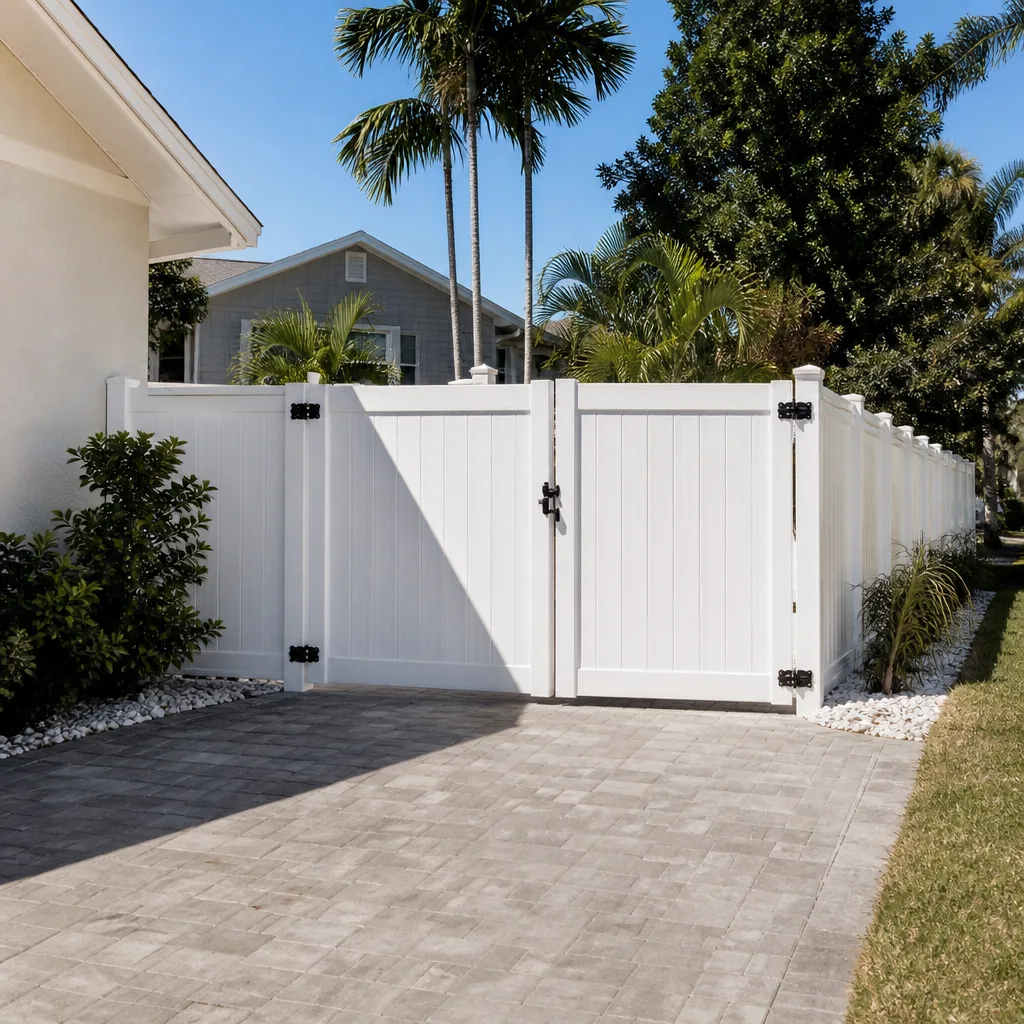
- Fence
Table of Contents
- Where the Line Actually Sits
- What Requires a Licensed Contractor in California
- What’s Genuinely Safe to Do Yourself
- The Permit Trigger in Orange, CA
- What Unpermitted Work Costs at Resale
- DIY Savings vs. Contractor Cost, Side by Side
- Common Mistakes to Avoid
- Frequently Asked Questions
Where the line actually sits
California doesn’t license “handymen” for structural, plumbing, or electrical work, and the Contractors State License Board (CSLB) is specific about which license covers what. A C-36 is the plumbing contractor classification. A C-10 is electrical. A B-General Building contractor can take a whole bathroom remodel as prime contractor and subcontract the plumbing and electrical to the right licensed trades. When you hire a bathroom remodeler, you should be able to ask which classification they hold and get a straight answer.
Why does the classification matter to a homeowner in Orange? Because the license is what ties the work to an inspection record and a warranty that survives the contractor. Two identical-looking tile jobs can be worlds apart: one was done by a C-36 plumber who pulled the permit and passed the rough-in inspection, and one was done by a guy with a tile saw and no license. Only one of them will hold up in a disclosure document five years later.
In our experience across Orange bathrooms, the failures we see most often are downstream of skipped permits – a shower that leaked into the subfloor because the pan liner was never inspected, a GFCI outlet that didn’t trip because it was wired to the wrong circuit. The finish looked fine. The documentation didn’t exist. And when the bathroom has to be rebuilt, the cost is roughly the same as doing it right the first time, plus the demolition of the first attempt.
The other point worth stating plainly: “capable” and “safe to do” are different questions. A homeowner can absolutely learn to solder copper. That doesn’t mean they should do it inside a wall in a house they plan to sell in five years. The line follows code and liability, not skill.
What requires a licensed contractor in California
These tasks require a licensed contractor under California rules. Not because the CSLB is trying to protect a guild, but because each one carries a failure mode that follows the property, not the person. Here’s the list we walk homeowners through when they ask what they can take on:
- Any plumbing work inside the wall. Shower valve replacement, drain relocation, supply line changes, tub-to-shower conversions. A C-36 licensed plumber is required, and the work needs a permit and an inspection in most cases. A failed shower valve cartridge is a contained problem; a failed valve body solder joint inside a wall is a $4,000 to $9,000 repair in Orange once the tile and subfloor come out.
- Any new or relocated electrical circuit. Adding a GFCI outlet, moving a vanity light, installing a heated towel bar, running a dedicated circuit for a bidet seat. A C-10 licensed electrician is required. Bathroom circuits are ground-fault protected for a reason – water and electricity share the room, and the code exists because people have died.
- Waterproofing membrane installation. This is the single most consequential task in any bathroom, and it’s the one most DIY tile jobs get wrong. The membrane, whether it’s a liquid-applied system or a sheet membrane like Schluter Kerdi, is what separates a bathroom that lasts 25 years from one that grows mold in year three. It requires a licensed contractor and, in most cases, an inspection.
- Structural changes. Moving a wall, widening a doorway, sistering a joist for a heavier tub. Structural work in California falls under the California Building Code and requires a licensed contractor plus a permit plus engineering if the change is significant.
- Gas line work. If the bathroom is getting a gas-fired towel warmer or the remodel touches a gas line for any reason, that requires a licensed contractor. Full stop.
- Any work where the total project cost exceeds $500. Under CSLB rules, any home improvement contract over $500 requires a licensed contractor in California. That threshold is low on purpose – almost every bathroom project clears it in the first week.
For a broader look at what a properly scoped bathroom project involves trade by trade, see our Rowan Construction Group Orange home page, and if your bathroom project overlaps with an addition or reconfigured layout, our Home Additions & ADU in Orange page covers the permit sequence that applies.
What’s genuinely safe to do yourself
Plenty of bathroom work is safe for a prepared homeowner. The distinction is whether the task can fail in a way that damages the house or creates a code violation. If the worst outcome is cosmetic, it’s fair game. If the worst outcome is water inside a wall or an electrical fire, it isn’t.
These tasks are safe DIY for most homeowners:
- Painting. Walls, ceilings, trim, and cabinet fronts. Proper prep – sanding, priming, caulking – makes the difference between a five-year paint job and a fifteen-year one. Ventilation matters in Orange in July and August, when interior humidity from a shower plus 90-degree afternoons can slow cure times significantly.
- Hardware swaps. Faucet handles, towel bars, toilet paper holders, drawer pulls, shower curtain rods, robe hooks. These don’t touch the supply lines or the electrical circuit and the failure mode is cosmetic.
- Mirror installation. A framed mirror hung on the wall with the appropriate anchors is a homeowner task. A wall-to-wall glued mirror over a vanity is not – those require proper adhesive and a knowledge of what’s behind the drywall.
- Freestanding vanity replacement, under conditions. Swapping a freestanding vanity in the same location, reusing the existing supply and drain connections, is often DIY work. The conditions: the shutoff valves are in good shape, the drain lines up, and no wall is opened. If you have to cut into the wall or move the drain, stop and call a plumber. Under CSLB rules the $500 threshold also applies here.
- Re-caulking the tub and shower. The sealant joint at the tub edge and the shower corners is a wear item, not a permanent fixture. Replacing it every 18 to 24 months avoids the slow leak that rots the subfloor from below.
- Accessories and organization. Shelving, medicine cabinet installation where a stud exists, towel warmers that plug into an existing outlet (not hardwired), and shower caddies.
- Regrouting tile. Replacing the grout in the field of tile, without touching the membrane or the setting bed, is homeowner work. Grout renewal every 7 to 10 years extends the look of the tile without touching the waterproofing.
If you’re renovating the exterior of the house at the same time as the bathroom, our Fence Installation in Orange page covers the boundary work and our Driveway & Pavers in Orange page covers the hardscape, both of which often get sequenced alongside a bathroom remodel when a homeowner is doing a full-house refresh.
The permit trigger in Orange, CA
Orange follows the California Building Code as amended locally, and the permit threshold is low enough that most bathroom work triggers one. The honest answer to “do I need a permit?” for a bathroom in Orange is usually yes. Here’s how the triggers actually break down:
- Any plumbing rough-in or fixture relocation. Moving a toilet, sink, shower, or tub – or replacing a shower valve body – requires a plumbing permit and inspection. Repairing a leaking angle stop is not a permit item.
- Any electrical work beyond a like-for-like fixture swap. Adding a circuit, adding an outlet, moving a switch – all permit items. Replacing a light fixture on an existing switched circuit usually isn’t, but confirm with the city if you’re unsure, because the rules on fixture swaps vary by jurisdiction.
- Any wall removal, wall addition, or structural change. Building permit, and depending on scope, engineering. Never demo a wall in a bathroom without confirming whether it’s load-bearing, which you can’t reliably do by tapping.
- Waterproofing and tile in a wet area. Orange requires inspection of the waterproofing membrane in a shower in most cases before tile goes on. This is the single most common inspection failure we see on DIY jobs that tried to skip the process.
- Any project over $500 in total contract value. This is the CSLB threshold for licensed contractor work, not a building permit threshold, but it means that almost regardless of scope, a real bathroom project in Orange involves a licensed contractor and a permit.
One more Orange-specific note: many of the older homes in the Plaza Historic District and the neighborhoods around the Orange Circle have cast iron drain lines that have reached the end of their service life. A bathroom remodel in one of those homes is often the moment the drain line gets discovered and replaced, and that permits as plumbing work, not remodeling. Budget for it if the house was built before 1975 and the drains haven’t been touched.
We cover the permit and inspection sequence as part of every written quote, because the sequence matters: permit pulled, rough-in inspected, membrane inspected, final walkthrough. Skip a step and the certificate of occupancy at the end of the project gets held up until the step gets done.
What unpermitted work costs at resale
This is the part that catches homeowners by surprise, and it’s the strongest argument for pulling permits even on work that “looks fine.” Unpermitted bathroom work has to be disclosed on the transfer disclosure statement (TDS) at resale in California. The buyer’s inspector will flag it. The buyer’s lender will flag it. And the appraisal can come back with the bathroom valued as if it hadn’t been upgraded, because the appraiser can’t document the permit record.
The typical resolution in Orange falls into three buckets:
- Buyer credit demand. The buyer asks for a credit at closing to cover the cost of retroactive permitting plus a re-inspection. Typical credits on an unpermitted bathroom in Orange run $8,000 to $25,000, depending on what has to be opened up to verify the plumbing and electrical.
- Retroactive permit process. The city can require the walls to be opened for inspection, which means re-tiling the shower and re-running the electrical – essentially rebuilding the bathroom to prove it was built right. That process alone can take three to six months and cost more than the original remodel.
- Appraisal adjustment. A lender’s appraiser who can’t confirm the permitted status of a bathroom renovation will often give it no added value over the pre-renovation state. That’s the difference between a $45,000 bathroom bumping the appraisal and not counted at all.
We’ve seen all three scenarios play out in Orange, and the pattern is consistent: the homeowner saved 8 to 15 percent on the front end by doing it without a permit, then lost far more than that at resale. Bathrooms are one of the highest-return rooms in the house – and that return only counts if the record exists to back it up.
DIY savings vs. contractor cost, side by side
Here’s the honest math, using Orange-area pricing ranges. These are typical numbers, not quotes – every bathroom is different, which is why we put a written price on every project before work begins.
- Painting the bathroom (walls, ceiling, trim): DIY cost $180 to $320 in materials plus 12 to 18 hours of labor. Contractor cost $900 to $1,600 fully installed. DIY savings: roughly $600 to $1,300. Worth doing yourself if you have the time.
- Hardware swaps (faucet handles, towel bars, drawer pulls, robe hooks): DIY cost $100 to $250 in hardware plus 2 to 4 hours. Contractor cost $300 to $500. DIY savings: roughly $150 to $300. Simple, low-risk, do it yourself.
- Freestanding vanity replacement (same location, no wall opening): DIY cost $600 to $1,400 for a 36-inch KraftMaid or Wellborn cabinet base plus top plus sink plus 6 to 10 hours of labor plus a plumber for the final hookup. Contractor cost $1,800 to $3,200 fully installed. DIY savings: roughly $500 to $1,000 after the plumber’s hookup fee. Reasonable DIY if the shutoffs are good.
- Re-caulking tub and shower: DIY cost $25 to $50 in materials plus 2 hours. Contractor cost $200 to $350. DIY savings: roughly $175 to $300. Do it every 18 to 24 months regardless.
- Tile installation (floor or wall): DIY material cost $8 to $18 per square foot plus 30 to 50 hours of labor for a typical bathroom. Contractor cost $25 to $45 per square foot installed, labor and materials. DIY savings: $2,500 to $5,000 on a 60-square-foot job – but only if the waterproofing is done right, which is where most DIY tile jobs fail. Not a “DIY savings” unless the membrane inspection passes.
- Shower valve replacement: Not a DIY task. Licensed plumber cost in Orange runs $350 to $650 including permit and inspection. Any “savings” from doing it yourself is a false economy – a $150 valve job that fails inside the wall turns into a $4,000 to $9,000 repair.
- Electrical (adding a GFCI outlet, moving a light switch): Licensed electrician cost $250 to $550 including permit. Not a DIY task. The fire risk isn’t worth the savings.
- Full bathroom remodel (fixtures, tile, membrane, plumbing, electrical): Contractor cost in Orange runs roughly $18,000 to $45,000 depending on size and finish level. DIY approach is genuinely not possible on this scope because the permit and licensing requirement makes it non-compliant, not just difficult.
The pattern: for cosmetic items, DIY savings are real and worth having. For anything inside the wall or on the circuit, the DIY “savings” are a bet against the house – and the house usually wins.
Common mistakes to avoid
- Skipping the waterproofing inspection to save two weeks. The two-week wait is the difference between a bathroom that lasts 25 years and one that grows a mold colony behind the tile in year three. In Orange’s climate, the dry summers hide the problem – the leak doesn’t show until the first rain-heavy winter.
- Treating a like-for-like fixture swap as “no permit needed” without confirming with the city. What counts as like-for-like varies. Confirm with the City of Orange building department before you assume.
- Buying a vanity that’s two inches too wide for the alcove. Measure three times, in the actual bathroom, with a tape measure. The online listing dimensions include the cabinet overhang, which costs an exchange fee and a week of the bathroom being unusable.
- Assuming the subfloor is fine because the tile isn’t cracked. In older Orange homes, particularly pre-1975 construction south of Chapman Avenue, the subfloor often has hidden water damage that only shows when the tile comes up. Budget a subfloor allowance and hope you don’t use it.
- Hiring a contractor who won’t put the price in writing before work starts. Under The Haven Standard, our price is written before anyone picks up a tool, every time, on every trade. Any contractor who says “we’ll figure it out as we go” is telling you what you need to know.
- Skipping the change order discipline. If a contractor asks for a verbal “go ahead” on an unplanned addition – extra tile, an upgraded fixture, a change in layout – stop the work and get a written change order. The change order is what keeps the final price within a few percent of the agreed number.
- Hanging the mirror or installing shelves without locating the studs. A 40-pound mirror hung on drywall anchors holds fine until a humid summer loosens the drywall, and then it falls. It always seems fine for two years first.
See the difference
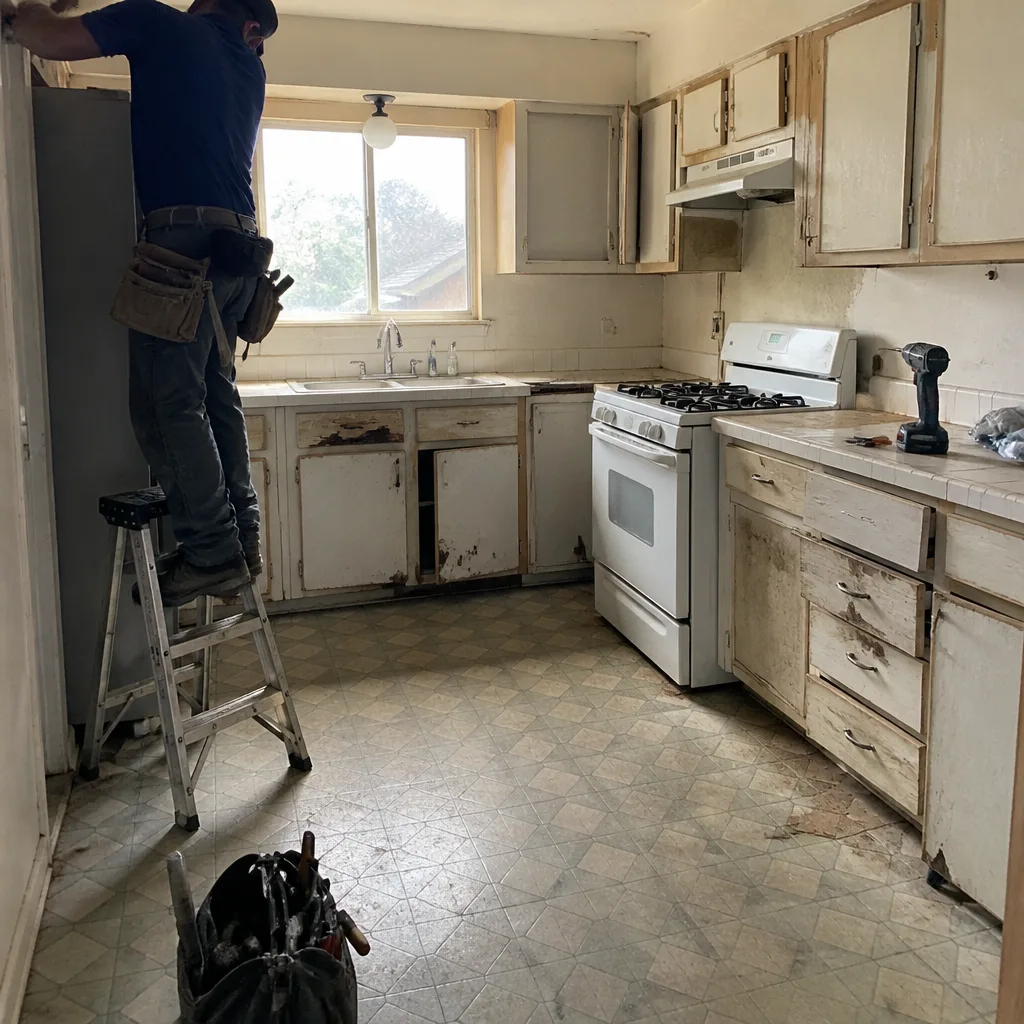 Before
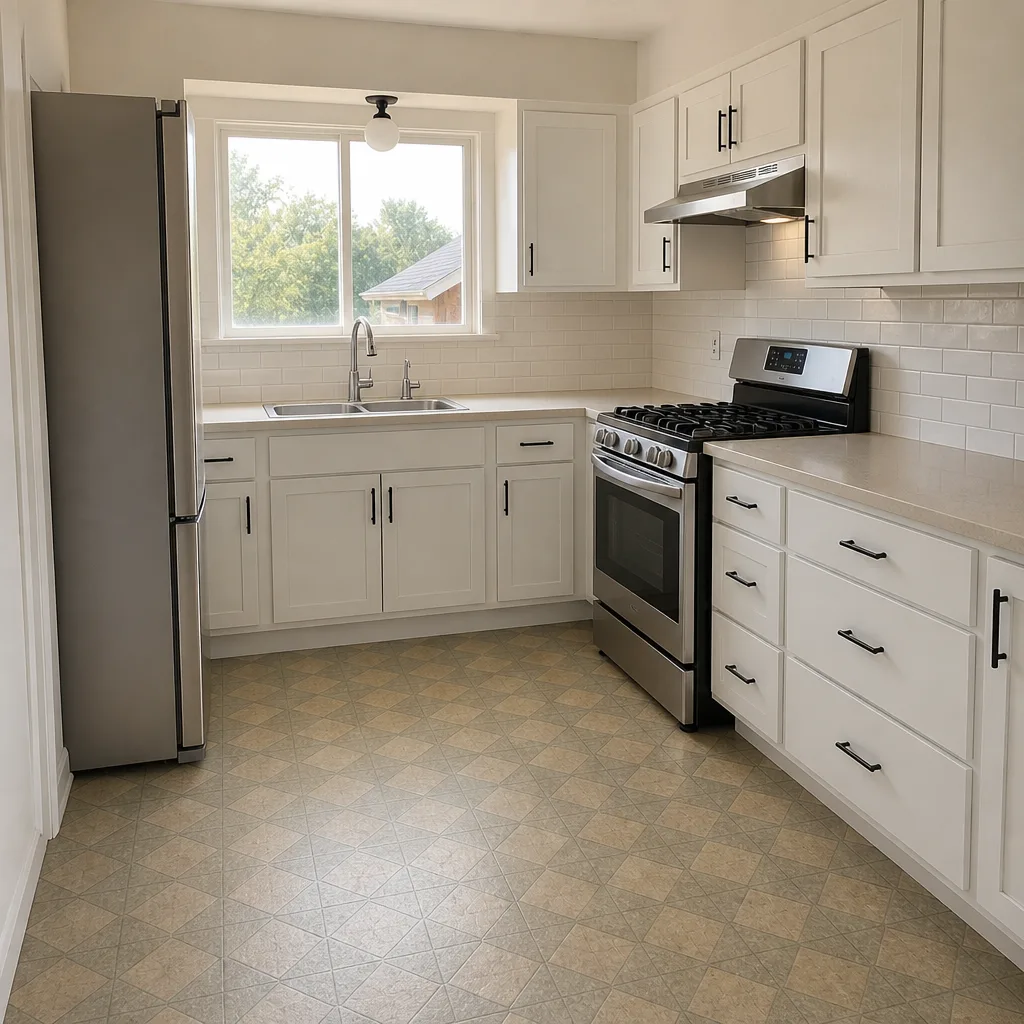 After
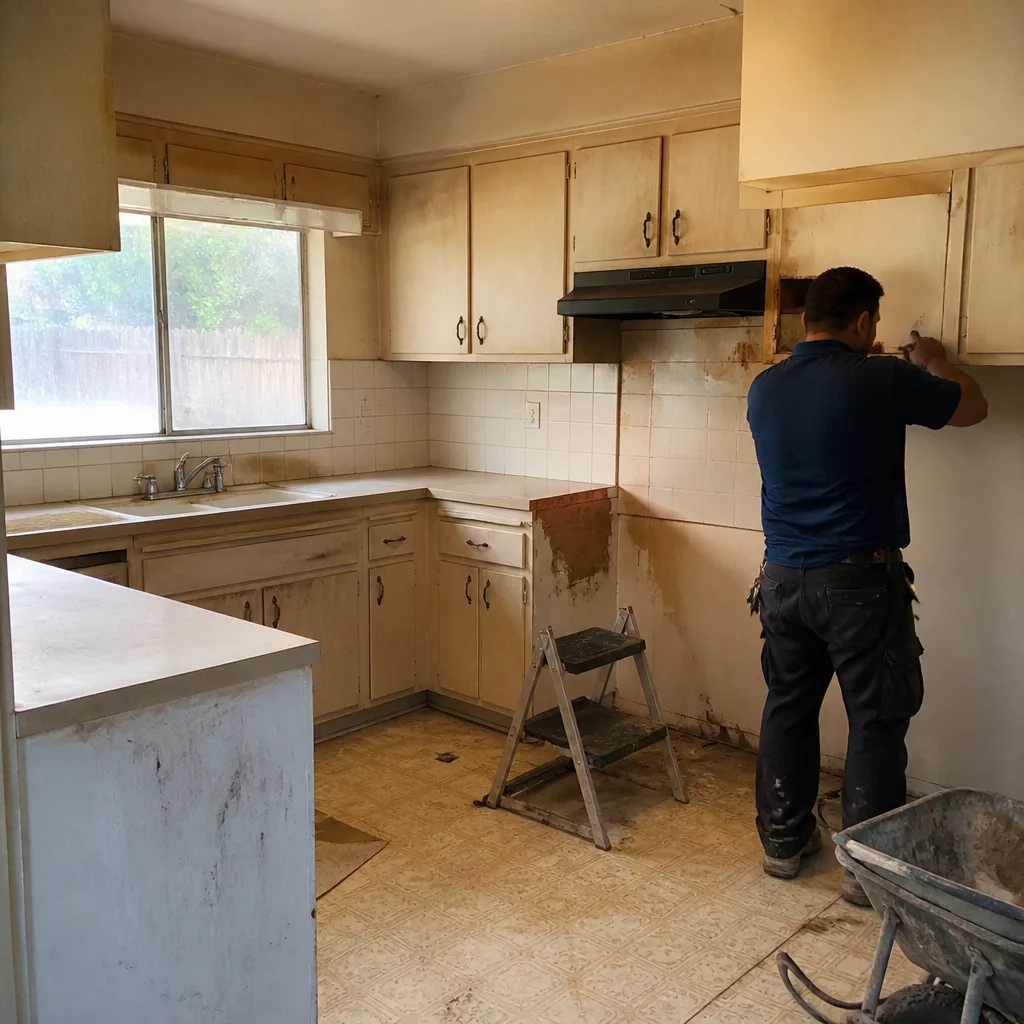 Before
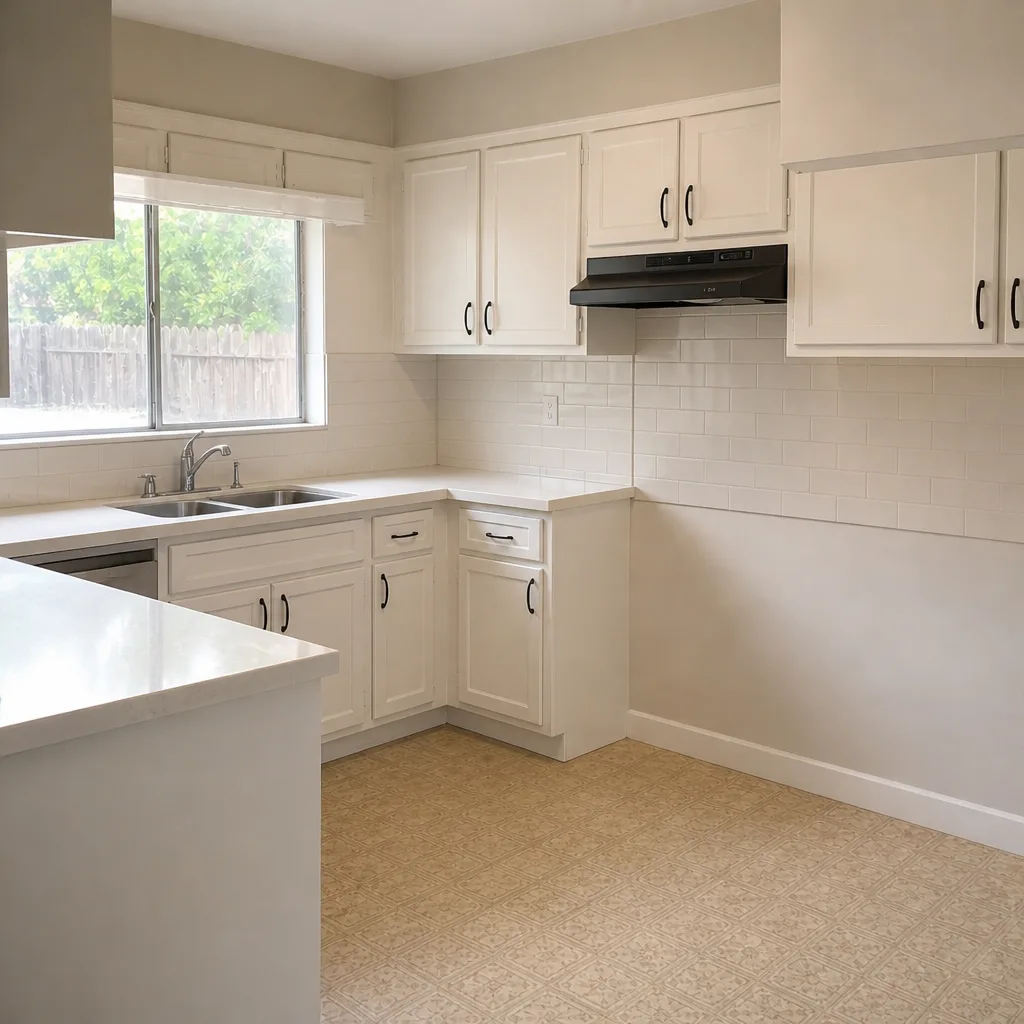 After
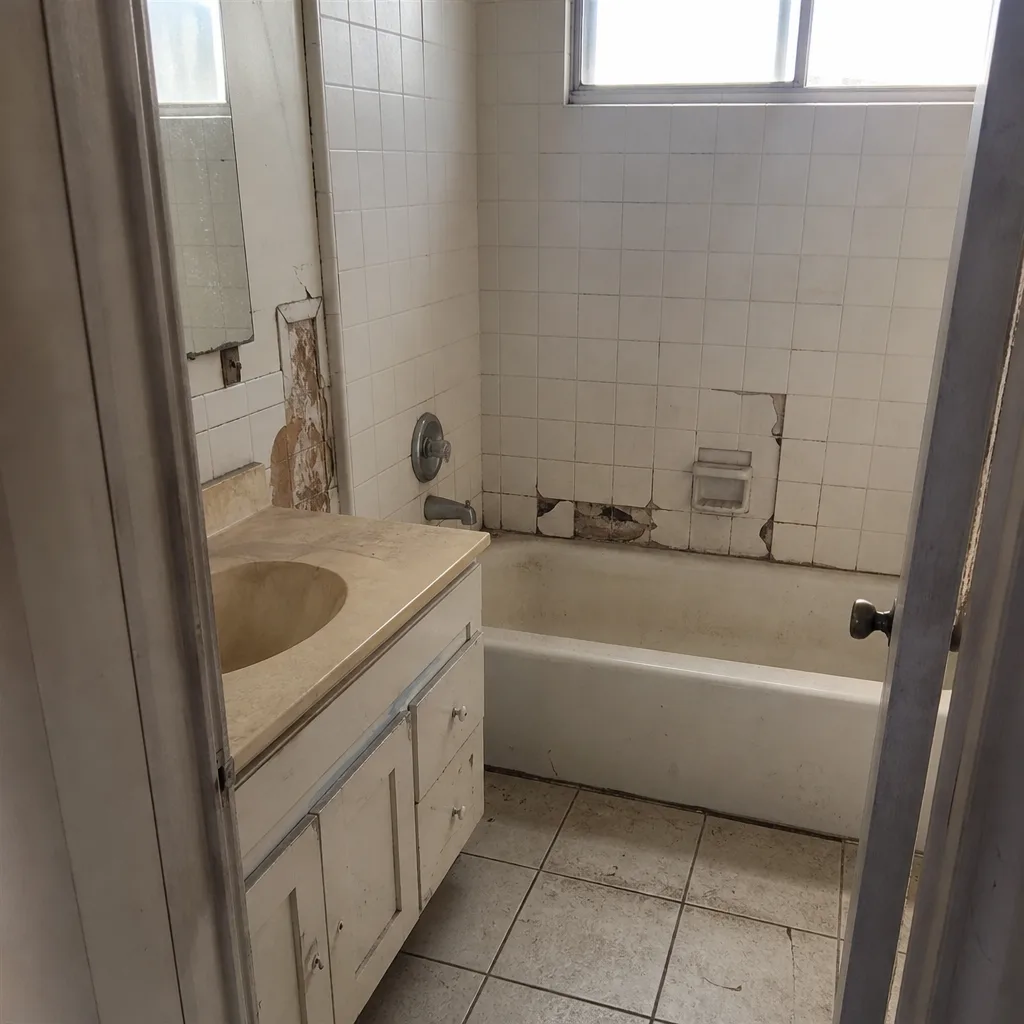 Before
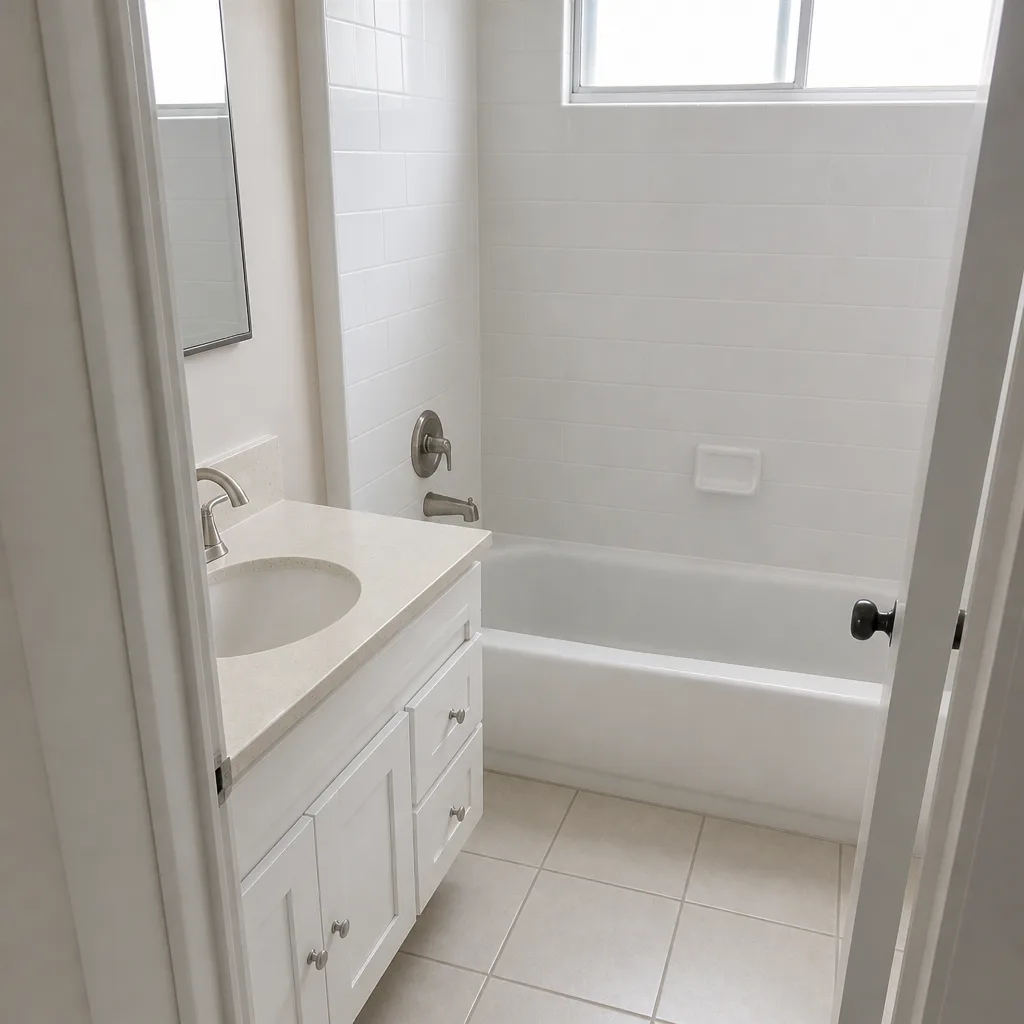 After
When to call a professional
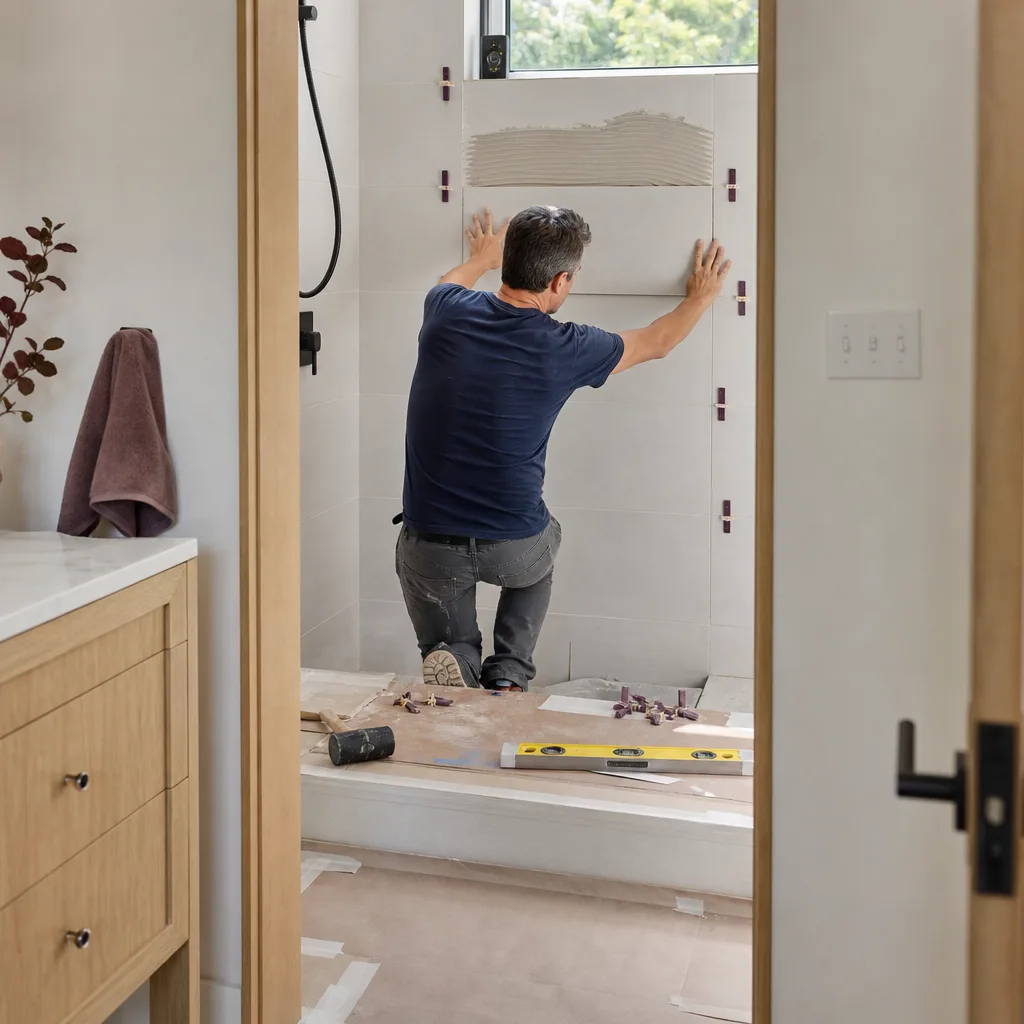
Call a professional when the task involves a wall opening, a fixture relocation, a plumbing connection beyond a supply line hookup, a new electrical outlet or circuit, waterproofing membrane installation, or any structural change. Call a professional when the total project value exceeds $500 under CSLB rules. And call a professional when the bathroom is part of a broader renovation scope that includes an addition, layout change, or any work that touches the plumbing stack or the electrical panel.
Rowan Construction Group Orange offers free estimates in Orange, and our technicians bring up to 19 years of experience to the walkthrough. We deliver a written price before any work starts, backed by the 365-Day Done Right Promise and The Haven Standard – not a handshake, a written warranty. Call (844) 320-7508 to schedule your free estimate. We’ll also review any competitor’s written quote line by line as a Free Second Opinion, at no charge, so you can compare apples to apples before you commit.
Frequently asked questions
You can do the cosmetic parts – painting, hardware, caulking, and the simpler vanity replacement – but any work that touches plumbing in the wall, the electrical circuit, the waterproofing membrane, or the structural framing requires a licensed contractor under CSLB rules, and most of that work also requires a building permit in Orange. Any project over $500 in total contract value falls under licensed-contractor requirements in California, so a full bathroom remodel is not a DIY legal option.
Usually not, if you’re removing and reinstalling a freestanding vanity in the same location without moving the plumbing supply or drain. If the drain location changes, the supply lines have to be relocated, or you’re adding an outlet for a lighted mirror, a permit is required. When in doubt, call the City of Orange building department and confirm before the cabinet goes in – the answer takes five minutes and can save a week of reopening walls.
The unpermitted work has to be disclosed on the transfer disclosure statement, the buyer’s inspector will flag it, and the buyer will typically demand a credit of $8,000 to $25,000 at closing to cover retroactive permitting plus re-inspection. The lender’s appraiser may also assign no added value to the bathroom because the permit record doesn’t exist. In our experience, the front-end savings of skipping the permit are almost always smaller than the resale loss.
A full bathroom remodel in Orange runs roughly $18,000 to $45,000, depending on size, finish level, and whether the plumbing or electrical has to be relocated. A cosmetic refresh (paint, hardware, vanity, re-caulk) runs $800 to $3,500 for the homeowner doing the work. For a written line-item price on your specific bathroom, call (844) 320-7508 – estimates are free, and the price is written before work starts.
No. Shower valve replacement is behind-the-wall plumbing and requires a licensed C-36 plumber plus a permit and inspection in most California jurisdictions. A failed solder joint inside a wall turns a $350 to $650 licensed plumber job into a $4,000 to $9,000 repair once the tile, membrane, and subfloor have to come out. The valve itself isn’t complex; the failure mode is what makes it a professional job.
Only if you can document that the waterproofing membrane was installed correctly and pass the membrane inspection before tile goes on. The tile is the finish; the membrane is what keeps the house dry. Most DIY tile failures we see in Orange aren’t setting bed mistakes – they’re membrane mistakes that only show up after a couple of wet winters. If you can’t confidently install the membrane to manufacturer spec and get it inspected, hire a licensed contractor for that portion and tile the field yourself afterward.
The bottom line
The DIY-versus-pro question isn’t about confidence. It’s about permits, moisture liability, and code violations that follow the property, not the person. Painting, hardware, caulking, and freestanding vanity swaps are safe DIY work. Anything inside the wall, on the circuit, in the membrane, or over $500 under CSLB rules requires a licensed contractor and a permit in Orange. The savings on the front end are real for cosmetic tasks; for the rest, the savings turn into resale liabilities. If you want a written price before you commit to any scope, call (844) 320-7508 for a free estimate from Rowan Construction Group Orange.
Written by the team at Rowan Construction Group Orange.