Last updated November 18, 2026
Free written scope consultation - allowances, timeline, and change-order rules on paper before a single trade is scheduled
How Long Does Driveway & Pavers Take? Timelines and What to Expect
A 400-square-foot paver driveway takes an experienced crew about three active work days to finish. The calendar from signed contract to usable surface is usually 18 to 35 days in Orange, and almost none of that gap is spent laying pavers. It’s permit processing, material lead time, and base cure. Most timelines you’ll be handed won’t disclose those waits, which is why homeowners end up parking on the street a week longer than they planned. This guide breaks the project into its five real phases, separates active work days from elapsed calendar time, and shows you where the schedule actually goes.
Quick Answer
Plan on 18 to 35 calendar days for a paver driveway in Orange, with three to four of those days being active crew time. Permit approval (10 to 15 business days on the standard track) and base compaction cure (24 to 72 hours before vehicle load) account for most of the delay. Ask any contractor for those two numbers in writing before you sign.
Styles & brands we work with
- Kitchen remodeling
- Bathroom remodeling
- Home additions & ADU
- Roofing
- Windows & doors
- Driveway & pavers
- Fence
Table of Contents
- The Five Phases of a Paver Driveway Project
- Why the Permit Desk Is Your Biggest Delay
- Active Work Days, Broken Down by Phase
- Base Cure and Joint Sand Set: The Real Vehicle-Access Timeline
- Orange Weather Delays: What Actually Stops Work
- Material Lead Times and Brand Availability
- Red Flags in Contractor Timelines
- How to Plan Vehicle Access During Construction
The Five Phases of a Paver Driveway Project
Every paver driveway moves through the same five phases. Knowing them is the difference between reading a schedule and understanding it.
- Permit. Encroachment or right-of-way permit pulled with the City of Orange before demo begins.
- Demolition and haul-off. Existing concrete or asphalt broken out, loaded, and trucked away.
- Base excavation and compaction. Native soil removed, aggregate base installed in lifts, compacted with a plate or roller.
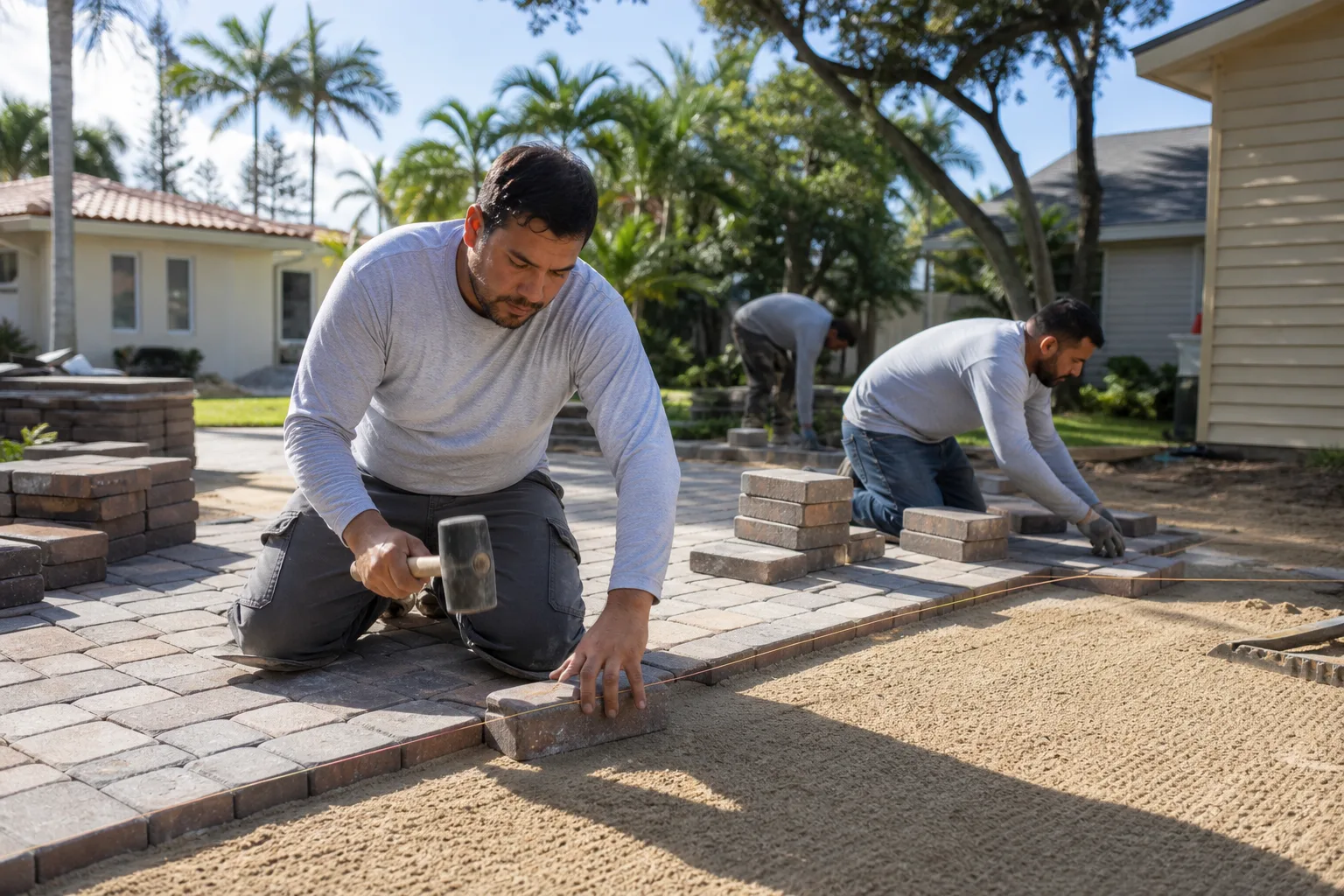
- Surface. Bedding sand screeded, pavers laid, edge restraint set, joint sand swept and activated.
- Cure and stabilization. The window before the driveway is ready for full vehicle load.
Phase 4 is the one homeowners picture when they imagine the project. It’s also the shortest. In our experience across Orange jobs, the crew is laying pavers for roughly six to ten hours of a three-day build. Phases 1 and 5 eat the rest of the calendar, and neither involves a single person on site.
Concrete and asphalt follow a different rhythm. If you’re still weighing materials, our Driveway & Pavers in Orange page walks through the tradeoffs, including why pavers can be lifted and reset after a utility dig while poured concrete usually has to be replaced outright.
Why the Permit Desk Is Your Biggest Delay
Permit processing runs 10 to 15 business days on the standard track in Orange. That’s business days, so a permit submitted the Friday before two holiday weeks can stretch past three calendar weeks before anyone touches your driveway. Projects that qualify for over-the-counter approval move in a single visit, but the threshold depends on scope, frontage, and whether the work touches the public right-of-way.
Two things decide which track you land on:
- Right-of-way impact. Any work in the parkway strip or sidewalk approach typically triggers a standard review.
- Scope threshold. Smaller scopes that stay within defined limits can clear the counter; larger footprints or new curb cuts usually can’t.
This is the phase where timelines go quiet. A quote that says “3 days” without a permit line item is either assuming the permit is already in hand or quietly planning to skip it. Neither is what you want. Under Clause 1 of The Haven Standard, the price is written before anyone starts, and that written scope should name the permit as its own line with its own expected duration. Our team at Rowan Construction Group pulls permits and passes inspections as part of the job, not as a separate negotiation.
If your project also touches fencing along the property line, the permit calendar can overlap with a Fence Installation in Orange schedule, which is worth coordinating so you’re not blocking the same access lane twice.
Active Work Days, Broken Down by Phase
Here’s what a 400-square-foot residential driveway actually looks like on the crew’s side of the calendar. Larger driveways scale roughly linearly on demolition and laying, but base compaction tends toward the higher end because lift count increases.
| Phase | Active work | What’s happening |
|---|---|---|
| Demolition and haul-off | Day 1 (half day typical) | Break out, load, dump fees, site swept |
| Base excavation and compaction | Days 1 – 2 | Excavate to depth, aggregate in lifts, compact each lift |
| Bedding sand and paver lay | Days 2 – 3 | Sand screeded, pavers set in pattern, cuts at edges |
| Edge restraint and joint sand | Day 3 | Restraint spiked or adhered, polymeric sand swept and activated |
| Cure and stabilization | 24 – 72 hours after final sand | Polymeric set, then recommended full vehicle load window |
Three active days is realistic for a straightforward residential driveway with clear access. Add a day if the existing slab is thick, if a utility box sits in the footprint, or if the site requires hand excavation at the approach. We quote the day count in writing with the scope, so the number you compare against other bids is the same number we build to.
On the material side, sourcing runs through suppliers we’ve vetted across brands like Belgard and Techo-Bloc, which typically means standard colors and patterns are available on short notice while specialty blends can add a week or more. If you want the honest number rather than an inflated one, name the specific paver and pattern in the quote conversation.
Base Cure and Joint Sand Set: The Real Vehicle-Access Timeline
Polymeric joint sand needs 24 hours to set before foot traffic and light contact. Full daily SUV traffic should wait closer to 72 hours. This is the second delay most timelines don’t disclose, and it’s the one that determines when you actually get your garage back.
What the cure window looks like in practice:
- Hour 0 – 24. No vehicles. Foot traffic on the driveway is fine after the crew leaves.
- Hour 24 – 48. Light foot traffic comfortable. Avoid parking.
- Hour 48 – 72. Recommended window before daily vehicle load. Heavier vehicles and trailers push toward the longer end.
Base compaction cure is a separate clock. Aggregate base that’s been compacted in lifts continues to settle for several days, and a driveway that’s loaded too early can telegraph slight surface movement at the joints. That’s not a failure, but it’s cosmetic and hard to reverse once the pavers are locked. Part of the reason we photograph each compaction pass and the final surface is so the record shows the base was built correctly, in case anything shifts later.
If your project involves a garage access change or a driveway extension that folds into a larger build, the cure window matters even more because it affects sequencing with other trades. Our Home Additions & ADU in Orange page covers how driveway work typically fits into a larger build schedule. Prefab builders like Cover and Mighty Buildings have also shifted what ADU delivery windows look like, which is worth knowing if your driveway access lane is shared with a backyard unit project.
Orange Weather Delays: What Actually Stops Work
Most light rain in Orange won’t halt a paver install. Heavy rain, standing water in the excavation, or saturated subgrade will, and those events matter more than the marine layer that rolls in on spring mornings.
What stops work
- Rain that fills the excavated base or leaves standing water overnight.
- Saturated native soil where compaction can’t achieve density.
- Active rain during polymeric sand activation, which can wash the joint sand out before it sets.
- High wind events during a dust-generating demo or cut phase.
What doesn’t stop work
- Morning marine layer and heavy dew. Common in Orange during spring and early summer; crew wipes and proceeds.
- Light drizzle after the base is compacted and the pavers are laid but before final sand. Crews often pause and wait.
- Standard heat. Crew hydration and pacing shift, but the schedule holds.
Practically: a project scheduled in late spring or fall tends to finish closer to the low end of the 18 – 35 day range. Winter rain can push a compaction-heavy project a week or more, usually in the base phase. Any contractor who quotes a specific completion date without a weather allowance is quoting a hope, not a schedule.
Material Lead Times and Brand Availability
Standard concrete pavers in common colors are usually in stock at regional suppliers. Specialty pavers, custom color blends, and large-format slabs move to a 1 to 3 week lead time, sometimes longer for imported lines.
What affects lead time:
- Pattern complexity. Simple running bond and herringbone use standard paver dimensions; ashlar and custom patterns may need specific sizes.
- Color and finish. Premium blends and tumbled finishes are less likely to be in stock locally.
- Order size. A 400-square-foot order is a routine stock pull; a multi-thousand-square-foot estate driveway may trigger a production run.
This is where sourcing depth matters. If your contractor only works with one supplier, the timeline flexes to that supplier’s inventory. We work across multiple vetted brands, so when a specific Techo-Bloc blend is back-ordered we can present a comparable Belgard option with a written price for both, and you decide. Our Rowan Construction Group Orange home page lays out how the seven trades and the material network fit together.
For prefab components that occasionally intersect with driveway projects – garage slab extensions or accessory structure aprons – builders like Dvele and Boxabl have standard delivery windows measured in weeks, not days, and those lead times need to be baked into any schedule that shares the same access lane.
Red Flags in Contractor Timelines
A promise of “one-day installation” on a paver driveway is a promise to shortcut the base. Every phase of a proper build needs time that hour count doesn’t allow for. If a quote is remarkably fast, look at what’s been removed from the scope.
Other signals to watch:
- No permit line item. Either the permit is being skipped, or the timeline is understating the calendar.
- No cure window. Any schedule that says “drive on it the day we finish” is skipping the polymeric sand set. Ask what happens if the sand hasn’t cured and a car rolls over it.
- Base depth unstated. Residential paver base in Orange needs to be deep enough to handle the local clay-heavy soil profile. A quote that lists “base prep” without a depth and a compaction spec has hidden work.
- No written change order process. If the scope changes mid-project and there’s no documented signature before work proceeds, the schedule slips because the process is loose.
- No materials identified. Brand and size in the quote is a schedule prediction, not just a price one.
Every Rowan project carries a written flat price and a written scope before work starts. The 365-Day Done Right Promise is printed on the quote, and the photo record from each visit is part of the deliverable, not an upgrade. If a competitor’s number looks better, we’ll review their written estimate line by line for free – bring it and we’ll tell you what we see.
How to Plan Vehicle Access During Construction
The driveway is the one thing you use daily that this project takes away. Here’s how to plan the outage window with the least disruption.
- Block out the full 35-day upper range on your calendar, then watch it compress as the permit clears. If you need the calendar back sooner, ask for a permit expedite conversation up front.
- Arrange alternate parking before demo day. Street parking in most Orange neighborhoods is workable, but confirm overnight rules for the specific block.
- Plan a 72-hour no-vehicle window after the final sand day. That’s the realistic SUV clearing period. If you drive something heavier, add a day.
- Coordinate with other trades on the property. Roofers, fence crews, and landscape work all use the driveway as staging. Sequencing matters, and it’s easier to plan before a crew is on site than after.
- Confirm delivery access for materials. Pavers arrive on a flatbed and are usually placed near the driveway approach. If the front yard is fenced, note the gate width.
We walk the property and write the access plan into the scope. If roof or window work is also on your short list, sequence the driveway last so other trades staging on it don’t have to protect a fresh surface.
Common Mistakes to Avoid
- Comparing timelines without comparing permit status. One quote may include permit calendar; another quietly doesn’t. Ask for the line item in writing before comparing.
- Assuming the laying phase is the long one. On most Orange projects the crew is on site for three days; the calendar is mostly administrative and cure time.
- Parking on the driveway too soon. 24 hours for polymeric sand set is the minimum; 72 hours before daily SUV load is the practical target.
- Skipping the compaction spec. Base depth and lift count are what make a paver driveway last, and a quote that doesn’t name them is unpriced risk.
- Booking a project across a rainy stretch. Late fall and winter in Orange bring the compaction stoppages. Late spring and fall move fastest.
- Scheduling a large project on a tight calendar without coordinating with fence or roofing work that shares the access lane.
- Accepting a “same day” or “one day” completion claim. It signals base shortcutting and will come back as surface settling within the first year.
See the difference
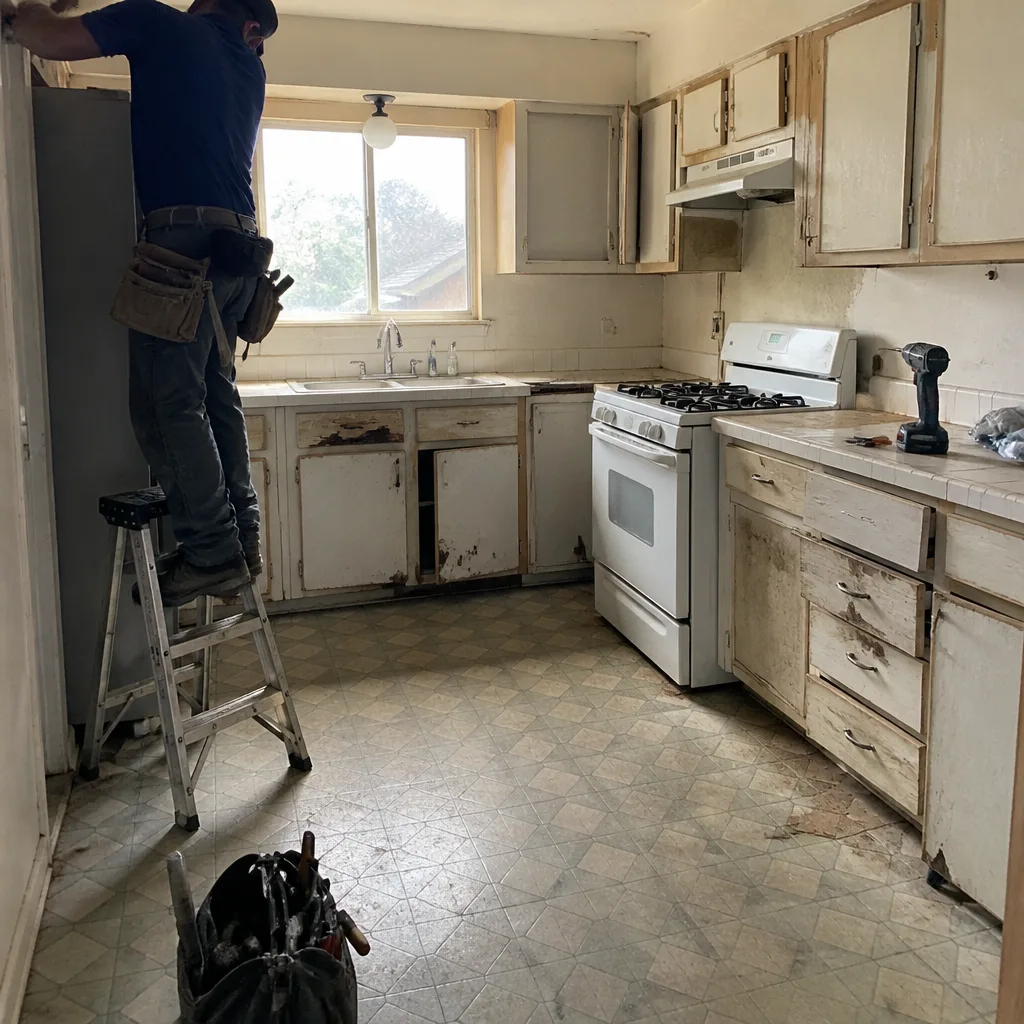 Before
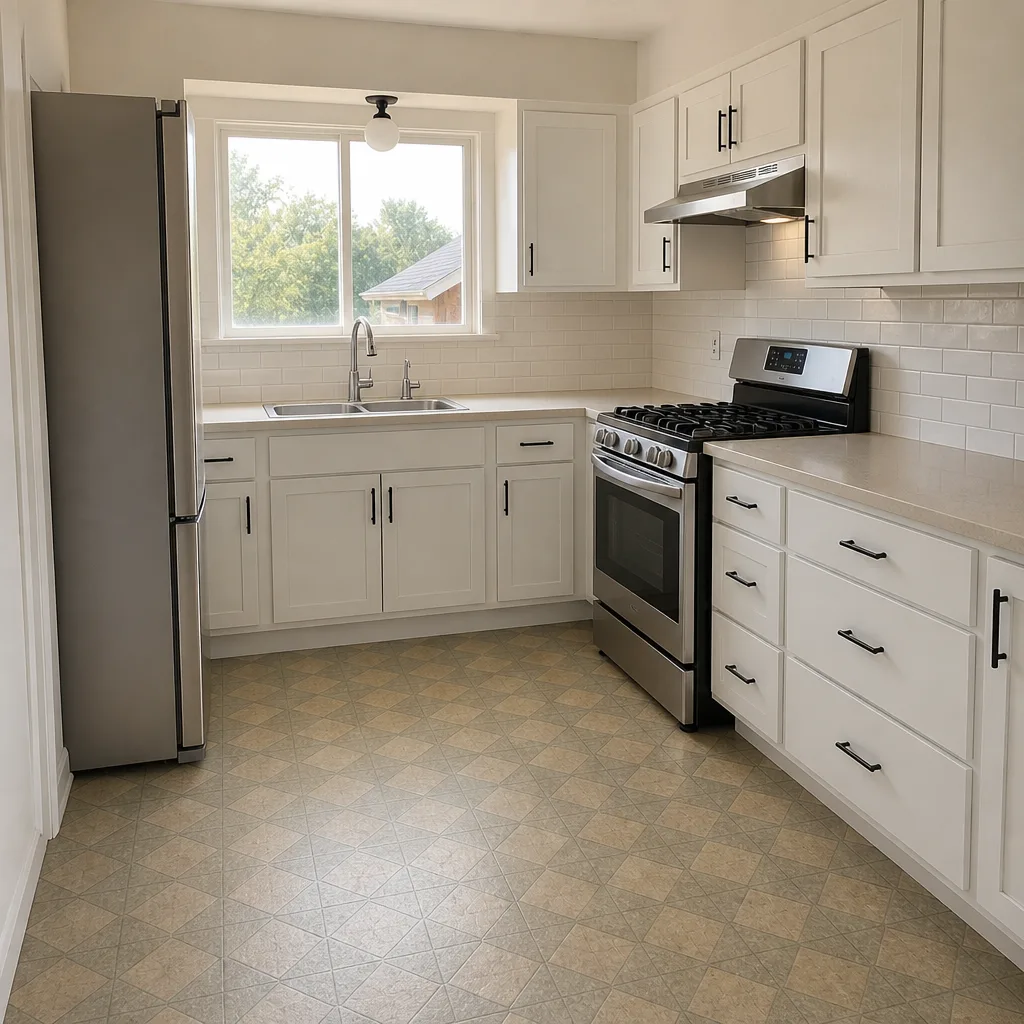 After
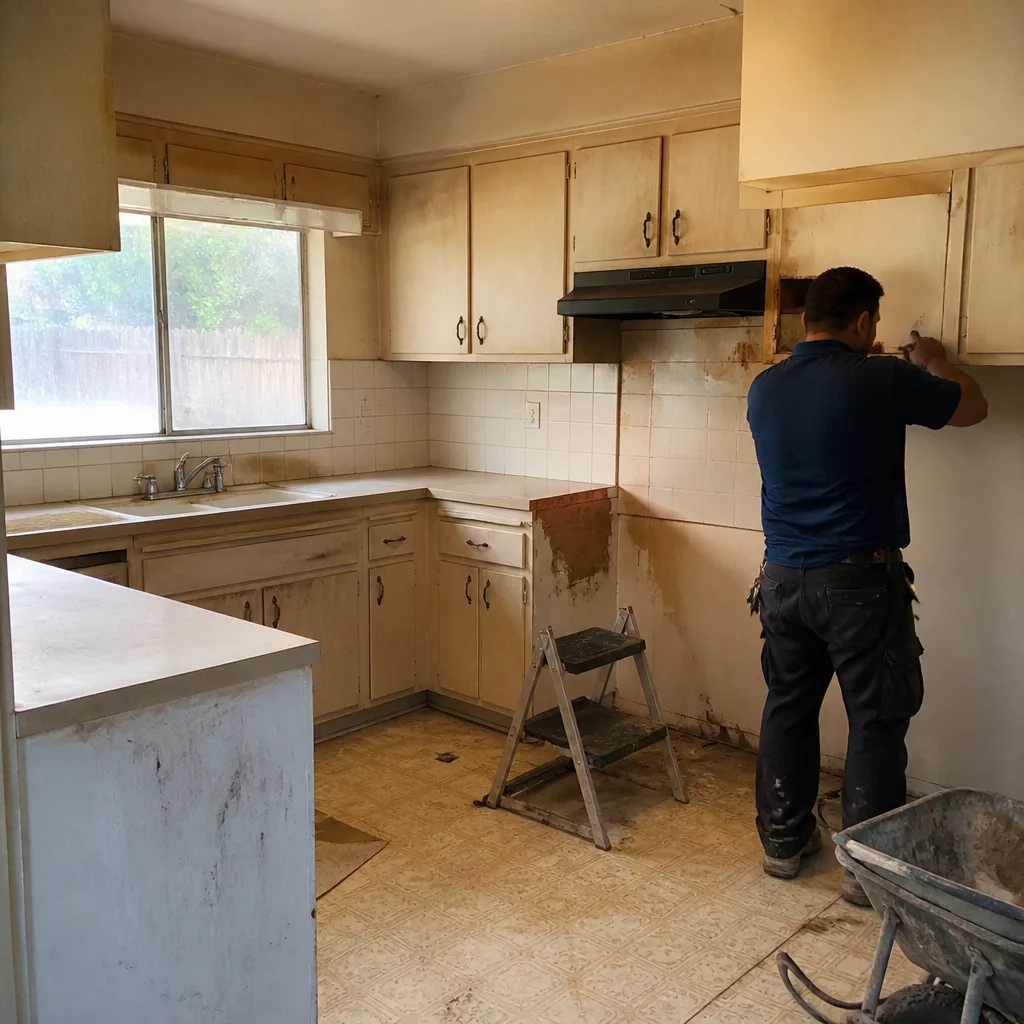 Before
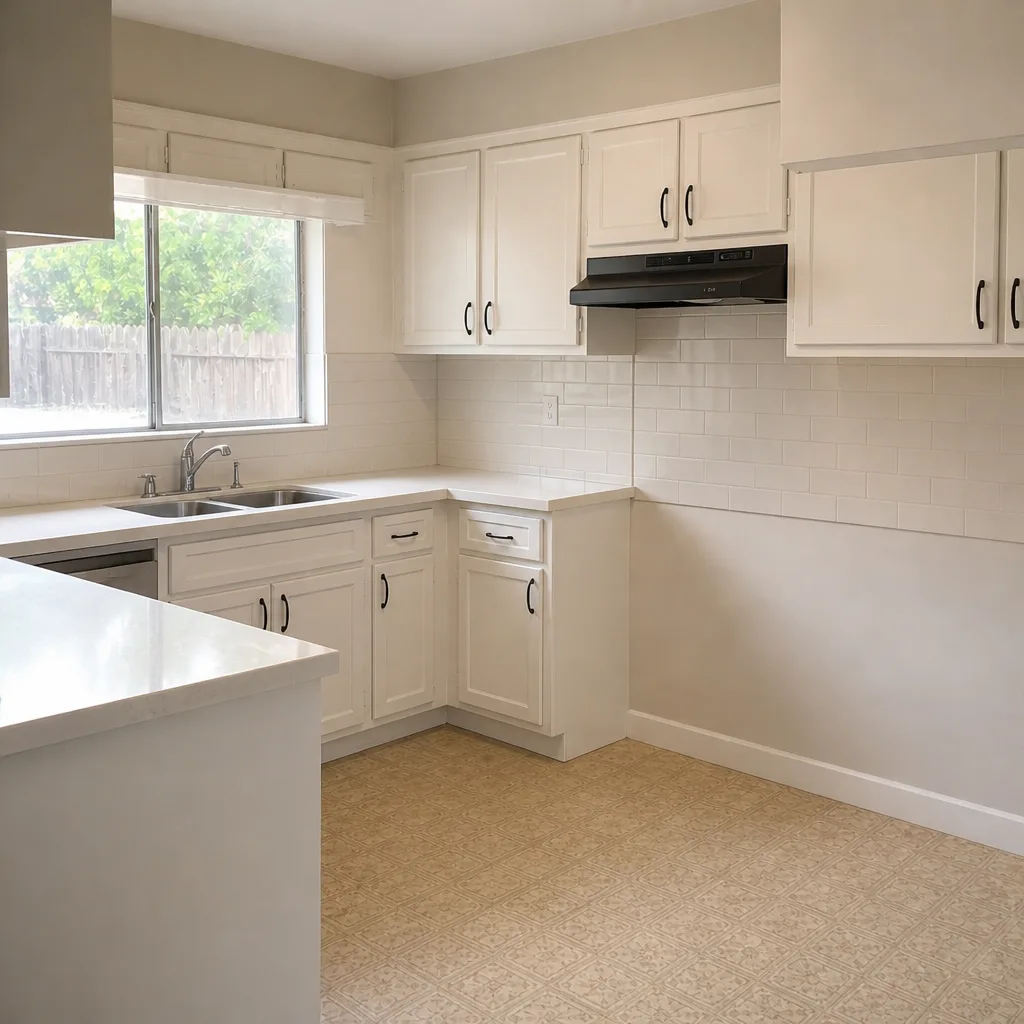 After
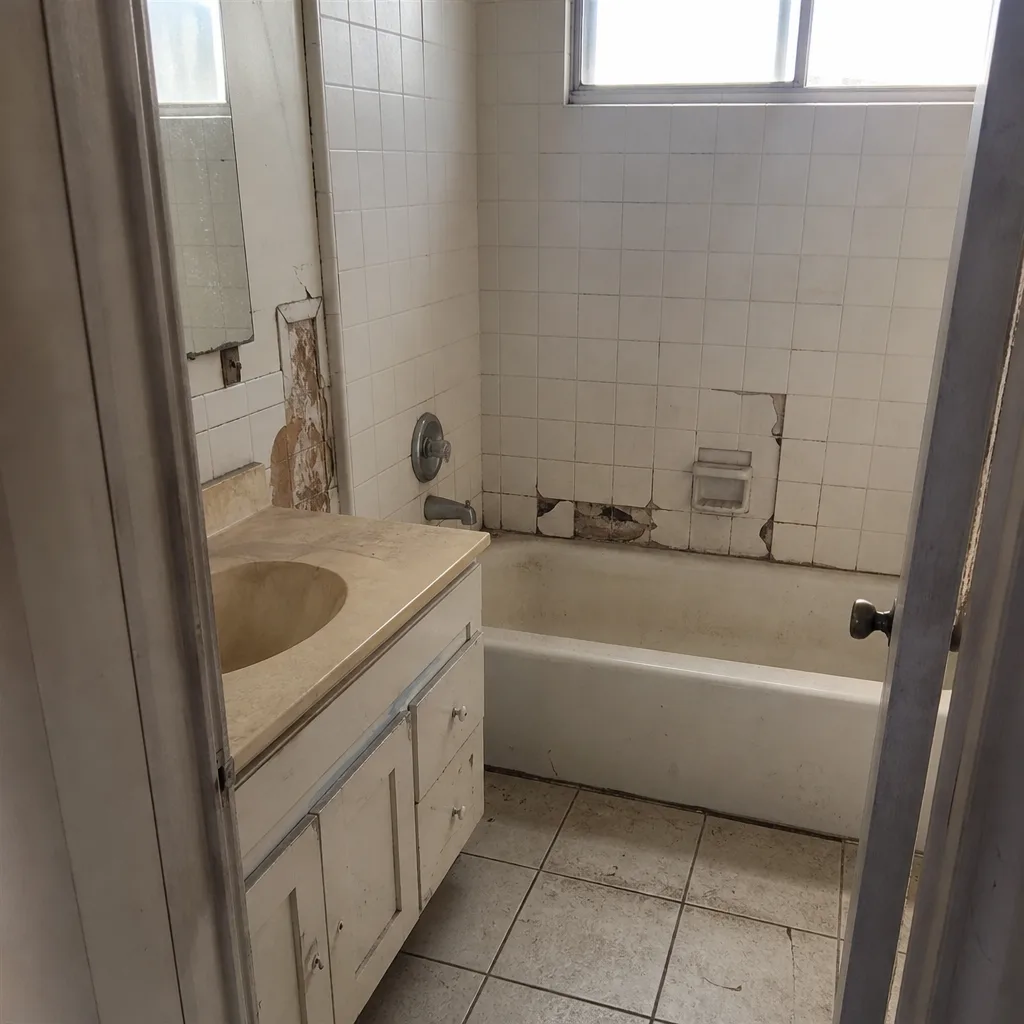 Before
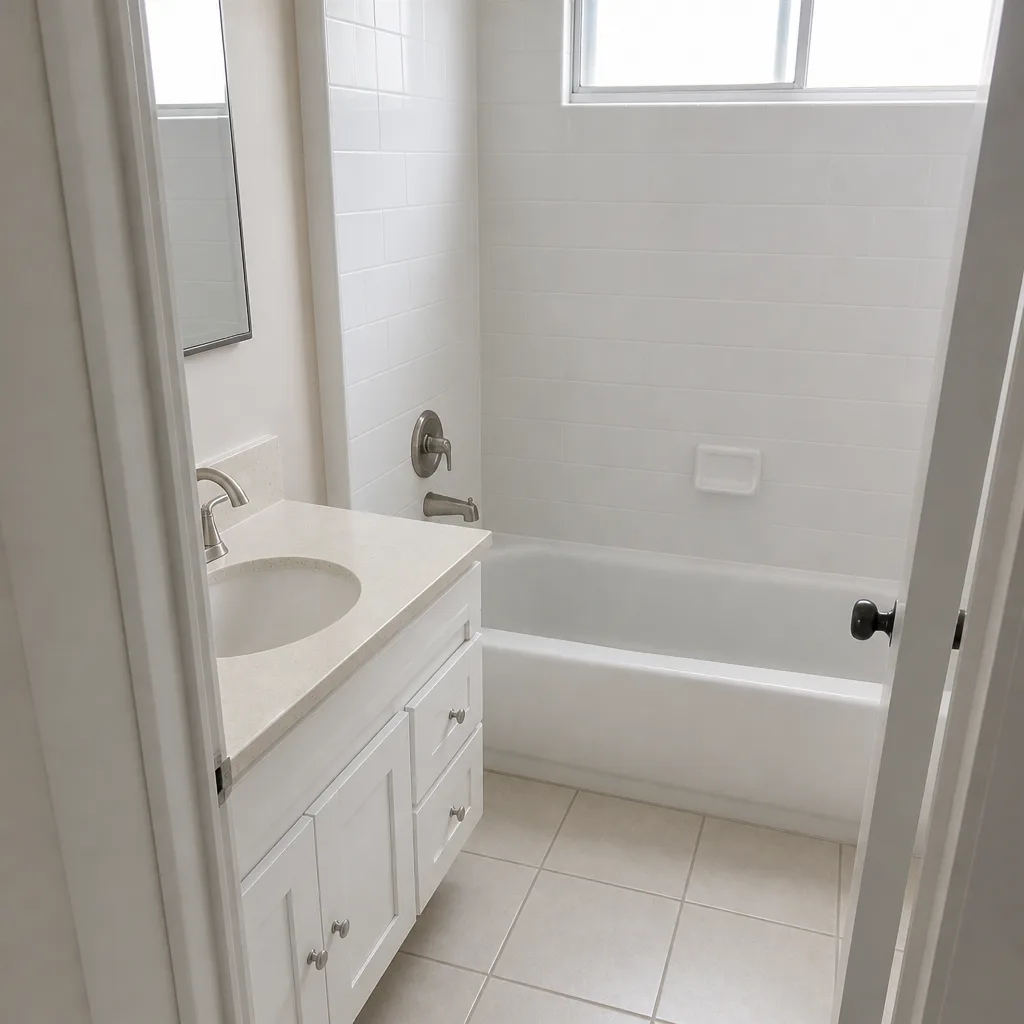 After
When to Call a Professional
If your existing driveway is heaving, cracking at the joints, or holding standing water after rain, the base is usually the problem and surface repair alone won’t fix it. If you’re within a 10-day window of selling, or the driveway is the access point for an ADU that’s finishing construction, plan the calendar carefully before committing. Compaction and depth decisions affect the driveway’s lifespan by a decade or more, and they’re hard to correct afterward.
Rowan Construction Group Orange offers free estimates in Orange – call (844) 320-7508. We deliver a written price and scope before any work starts, no exceptions.
Frequently Asked Questions
A paver driveway in Orange typically takes 18 to 35 calendar days from signed contract to usable surface, with three to four of those being active crew days. The rest is permit processing, material lead time, and base cure. Call (844) 320-7508 for a written timeline based on your specific footprint.
No, 24 hours is the polymeric sand set window for foot traffic and light contact only. Full daily vehicle load is recommended at 72 hours. Heavier vehicles push beyond that. Call (844) 320-7508 if you want the exact cure window in writing for your project.
Yes, any paver driveway that touches the right-of-way or changes the footprint typically requires a permit in Orange. Standard review runs 10 to 15 business days, and smaller scopes can sometimes clear the counter. Our written scope names the permit as its own line – call (844) 320-7508 for the current processing window.
The realistic floor is roughly 18 days for a straightforward residential driveway with permit in hand or over-the-counter approval, assuming standard in-stock pavers. Anything promised faster is either skipping the permit or the base. Call (844) 320-7508 to talk through what a compressed schedule would actually require.
Light marine layer and drizzle usually don’t stop work, but heavy rain that saturates the excavated base will. Winter projects in Orange see up to a week of weather delay on compaction-heavy work; late spring and fall run cleaner. Call (844) 320-7508 to schedule around the better months.
Full vehicle traffic waits 72 hours after the final joint sand activation. Heavy equipment, trailers, or full-size trucks pushing additional load should wait closer to a week. The cure window gets written into the scope – call (844) 320-7508 for the number on your project.
The Bottom Line
The lay is the fast part of a paver driveway – three to four active work days for a typical Orange residential project. The calendar is 18 to 35 days, and the time goes to the permit desk (10 to 15 business days on standard review), base compaction cure, and joint sand set (24 to 72 hours before daily vehicle load). Any timeline that doesn’t name those two waits is understating the reality. Ask for them in writing. Expect a scope that names base depth, compaction passes, brand, pattern, permit line item, and cure window – and treat a one-day completion promise as a red flag, not a bargain. Rowan Construction Group Orange delivers a flat written price and a written scope before any work starts, with the 365-Day Done Right Promise printed on the quote and a documented photo record on every visit.
If you want a written timeline and price to compare against the quotes on your desk, call (844) 320-7508 for a free estimate. We’ll line-review any competitor’s written estimate at no charge, so you can make the decision with the numbers rather than the sales pitch.
Written by the team at Rowan Construction Group Orange.