Last updated November 18, 2026





Free written scope consultation - allowances, timeline, and change-order rules on paper before a single trade is scheduled
Seasonal Construction Care for Orange: Year-Round Homeowner’s Guide
October in Orange is not a cool-down month for a house. It is the driest month of the year. Santa Ana winds pull the relative humidity down into the teens, and that is exactly when the caulk joints around your windows and the hairline cracks in your stucco are at their widest and most open. The winter rain that arrives a few weeks later finds every one of those gaps. Homeowners who do one task in the right month spend a fraction of what deferred repairs cost, and this guide lays out the full twelve-month calendar for Orange, from spring drainage checks to summer coating windows to the fall pre-rain checklist.
Quick Answer
Seasonal construction care in Orange runs on a four-season cycle: spring is for drainage and grading checks, summer is for hardscape and exterior wood re-sealing, fall is for pre-rain water-entry inspection, and winter is for interior documentation and repair planning. The right task in the right month costs a few hundred dollars; the same problem caught two years late often runs into the thousands.
Styles & brands we work with
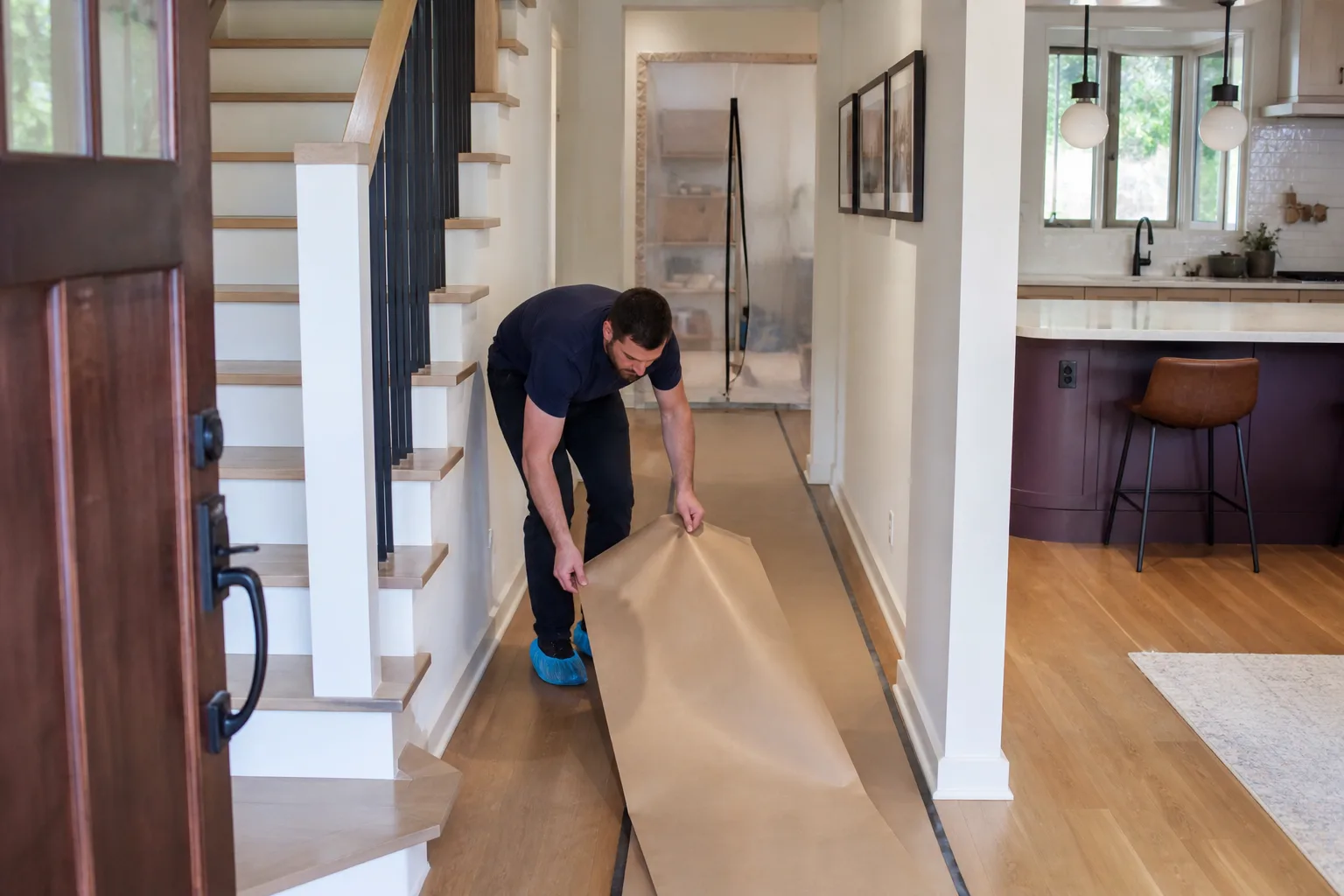
- Kitchen remodeling
- Bathroom remodeling
- Home additions & ADU
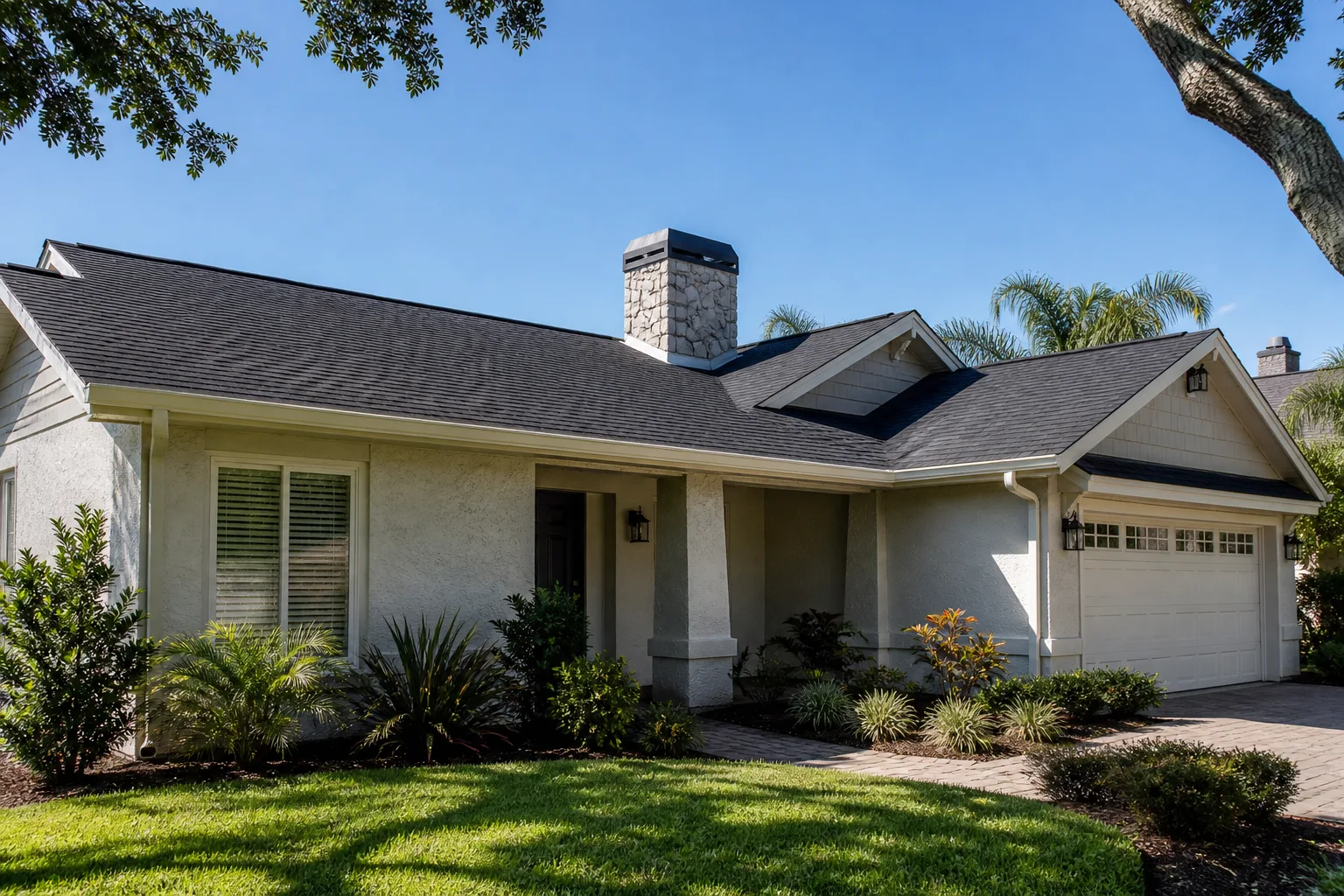
- Roofing
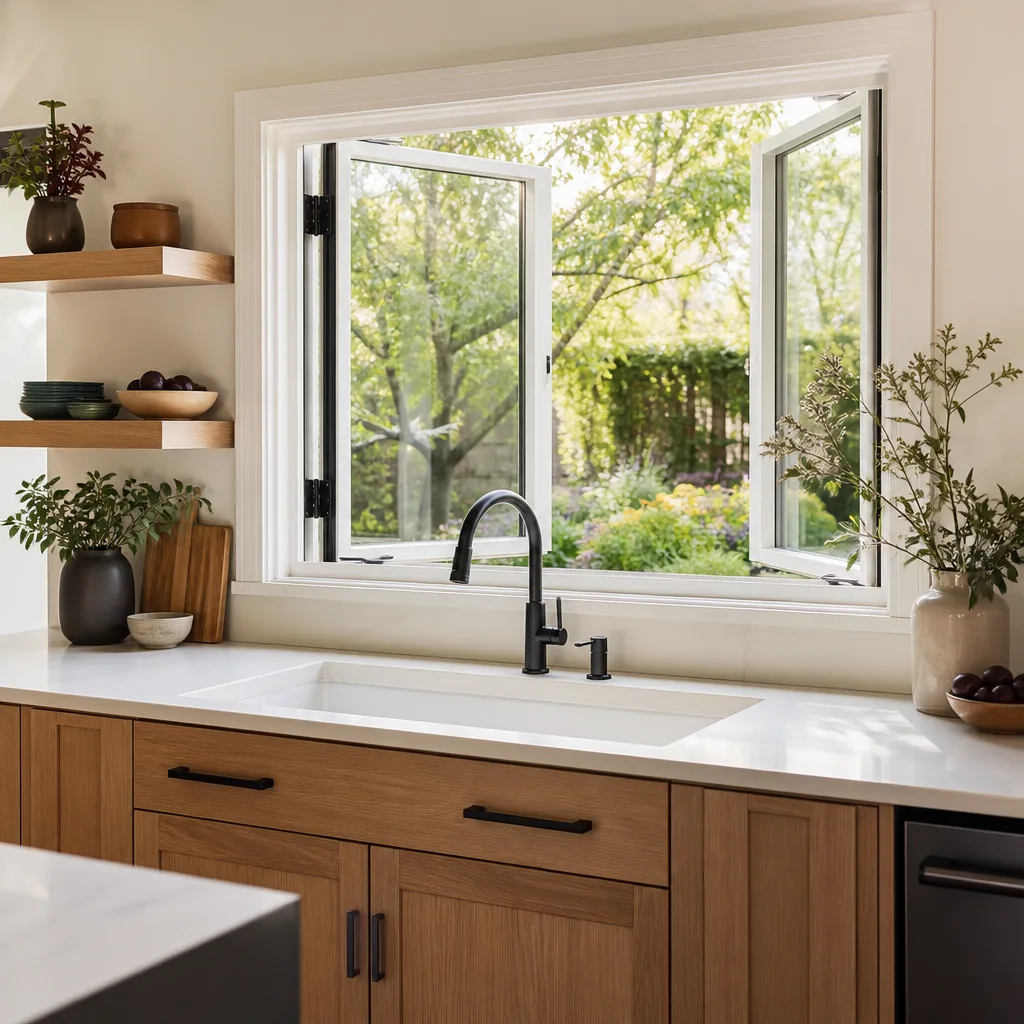
- Windows & doors
- Driveway & pavers
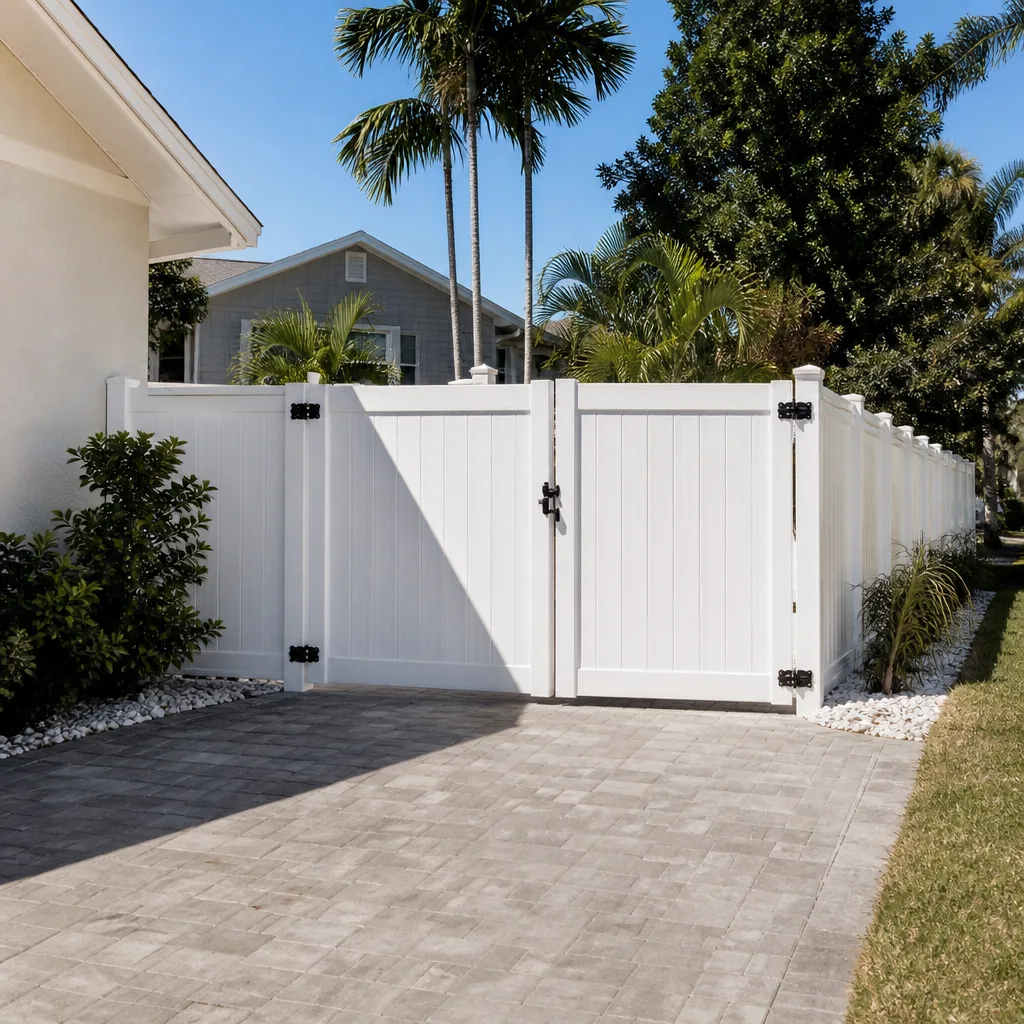
- Fence
Table of Contents
- Why Orange’s Mild Climate Still Works Hard on Materials
- The Fall Pre-Rain Checklist: Where Water Enters an Orange Home
- Santa Ana Season: What October’s Dry Winds Do to Stucco and Caulk
- Summer Hardscape and Exterior Wood: When and How to Re-Seal
- The Spring Drainage Check: Reading Last Winter’s Rain
- Winter: The Documentation Protocol That Pays You Back
- The Month-by-Month Maintenance Calendar for Orange
Why Orange’s Mild Climate Still Works Hard on Materials
Orange sits in a basin that gets two very different weather regimes in the same calendar year, and both put stress on a house. Summer pushes the UV index into the very-high range for weeks at a stretch, which breaks down the polymer chains in any exterior coating, sealant, or wood finish left exposed. Then fall and winter swing the other way: Santa Ana wind events drop humidity to single digits and dry materials out fast, and the rainy season that follows drives moisture back into every gap that opened during the dry stretch.
That wet-dry, hot-cold cycling is what causes the failures we see across Orange. It is not a single dramatic event; it is repetition. Stucco hairline cracks widen a fraction of a millimeter each dry season. Deck coatings chalk and thin a little more every summer. Wood trim on the sunny face of a house loses its film first. Concrete driveways develop fine map cracking over years of thermal movement, which is one reason so many Orange homeowners eventually trade poured concrete for pavers in Orange that move with the ground instead of fighting it.
The good news about a climate this mild is that maintenance is cheap when you stay on schedule. A tube of sealant costs a few dollars. A stucco patch before rain runs a few hundred. The repairs that happen after two or three neglected seasons are the ones that cost real money.
The Fall Pre-Rain Checklist: Where Water Enters an Orange Home
Water almost never enters a house through the wall in the middle of a field of stucco. It enters at the transitions, the penetrations, and the joints. Before the first real rain in Orange, walk the exterior and check these three places, in this order.
- Stucco penetrations. Every pipe, vent, hose bib, light fixture, and cable that passes through the stucco is a potential leak. Look at the sealant ring around each one. If the caulk has pulled away, cracked, or shrunk back from the stucco, water will follow the gap. Cut out the old sealant completely, let the joint dry, and re-caulk with a paintable exterior sealant rated for stucco.
- Deck-to-wall flashing. Where a deck, porch, or balcony meets the house, there should be a metal flashing that laps up behind the siding or stucco and sheds water out over the deck. Look under the first board. If you can see daylight or a gap where the deck meets the wall, or if the flashing is rusty, lifting, or covered in old caulk, that is your leak waiting to happen. This is the single most common water-entry point we find on Orange homes with raised decks.
- Window head flashing. Look at the top of each window, outside. There should be a drip edge and a weep path so water sheds off the head and away from the frame. If the caulk joint above the window is cracked, or if the stucco over the window has a hairline crack running horizontally, water can sit on the head and work its way in. Check for soft drywall or staining on the interior ceiling just below and inside the window during the first rain.
Do this walk in late September or early October, before the Santa Ana winds dry everything out and before the first rain. A dated photo of each joint now, and a matching photo after you fix it, is worth more than any verbal record when a warranty question comes up later.
Santa Ana Season: What October’s Dry Winds Do to Stucco and Caulk
October is when the relative humidity in Orange can fall into the teens for days at a time. That low humidity pulls moisture out of every porous material, and both caulk and stucco shrink as they dry. A caulk joint that looked tight in June looks visibly open by October, and a hairline stucco crack that was barely visible in spring becomes a clear line. This is not damage you need to panic about; it is a seasonal signal that the fall inspection window has opened.
Use the dry month to your advantage. Sealant bonds best to a clean, dry surface, and October in Orange gives you exactly that. Re-caulk joints now, patch stucco cracks while they are open and easy to see, and you will head into the rainy season with the envelope sealed. If you wait until after rain, you are sealing over moisture that already got in, which is how you trap it behind the wall.
One more Santa Ana note: wind-driven debris is real. Check roof edges and valleys for accumulated leaves and seed pods after a strong wind event. Clogged valleys dam water, and a dammed valley on an Orange roof in the first storm is how ceilings get stained. While you are up there, look at the shingle edges for lifted or missing tabs. If the roof is at the end of its life, a home construction contractor in Orange can give you a written replacement scope and price before the rain season, rather than after a leak forces the issue.
Summer Hardscape and Exterior Wood: When and How to Re-Seal
Summer is the season that ages your hardscape and exterior wood fastest. Orange’s peak UV months run roughly May through September, and a high UV index breaks down the film on any coating exposed to full sun. Decks, fences, pergolas, and wood trim on the south- and west-facing sides of a house take the most load. If the finish is chalking, fading, or starting to gray, the film is failing and water is getting into the wood underneath.
The good news is that resealing is a manageable summer task, but the application window matters. Sealant and stain need the substrate to be dry and the air temperature to be in the product’s rated range, usually somewhere between 50°F and 90°F, with the surface out of direct sun so the product does not flash-dry before it penetrates. In Orange that means applying in the morning, on a day without rain forecast for the curing window the label specifies. Read the can; the window varies by product.
- Check first, don’t just coat. Press a screwdriver into the wood in a few spots. If it sinks easily, you have rot, and coating over rot traps moisture and makes it worse. Replace the board first.
- Clean before you seal. A failed coating needs to be stripped or sanded back to sound wood, then cleaned. Coating over chalk or dirt is wasted money.
- Match the product to the exposure. Full-sun wood on a west-facing fence in Orange needs a UV-rated penetrating or film-forming finish rated for the exposure; shaded wood can take a lighter product.
- Pavers and concrete need a different conversation. A penetrating paver sealer on a paver driveway in Orange slows joint sand loss and helps resist staining, but you should check the manufacturer’s guidance for the specific paver brand before applying. Sealing the wrong surface with the wrong product can leave a haze or trap moisture.
For the fence line specifically, summer is also the season to inspect for leaning posts, loose boards, and rot at the base where soil holds moisture. A fence installation in Orange is a straightforward written-price job when a section has failed, and it is a much easier conversation in July than in the middle of a storm in January.
The Spring Drainage Check: Reading Last Winter’s Rain
Spring is your chance to read the evidence before the dry season erases it. Winter rain tests your grading, and spring is when the ground is still soft and the standing-water marks are still visible. Before the dry months bake the soil and hide the problem, walk the property after a rain and answer three questions.
- Where did the water pond, and for how long? Puddles that sit for a day or more are a grading problem. Look at the slope of the yard relative to the house. Water should shed away from the foundation, not toward it. If you can see a low spot within a few feet of the foundation, that is where water is going, and soil should be added to re-slope it away.
- Where did water stain the hardscape or the fence? Mud lines on a paver driveway, a dark band at the base of a fence, or a mineral ring on the concrete are all records of where water ran and pooled. Those marks tell you more about drainage than the dry-season view ever will.
- Where did the downspouts discharge? Trace each one. A downspout that dumps water at the foundation, or onto a low corner of the yard, is concentrating the problem. Extending the discharge point or adding a splash path is inexpensive and prevents foundation moisture.
If last winter’s rain found a grading problem, fix it in spring, before the dry season masks it and before next winter repeats the test. If the drainage issue is part of a bigger plan, such as a home addition or ADU in Orange, the grading fix should be in the written scope from the start, not discovered mid-project.
Winter: The Documentation Protocol That Pays You Back
The least glamorous task on the calendar is the one that saves the most money: keeping a dated photo log of every maintenance task, repair, and inspection. A homeowner who photographs a caulk joint in the fall, fixes it, and photographs it again has proof of maintenance. That proof matters in three ways.
- Warranty claims. A written warranty on a roof, a window, or a coating is easier to honor when you can show the product was maintained as directed. A dated photo log is the paper trail.
- Contractor pricing. A contractor asked to repair a leak years from now can price it more accurately if they can see the condition of the substrate and the prior repair history. Photos remove guesswork and, with it, the padding that guesswork invites.
- Resale disclosure. A buyer’s inspector will ask about water intrusion and repairs. A dated log answers the question with evidence instead of a shrug.
Store the log in the cloud, not on a phone that gets replaced. Organize by year and by location, and write one sentence per photo describing what you saw and what you did. Under the written-price discipline we hold to, every job we do leaves with a documented photo record of what was found and what was done, and we recommend a homeowner keep the same discipline on their own end of the relationship.
The Month-by-Month Maintenance Calendar for Orange
Print this and put it on the fridge. The tasks are organized by month and match the climate sequence in Orange: dry fall, rainy winter, drying spring, hot summer.
- January – February (rainy season): Watch the interior ceilings and the bases of exterior walls for staining or softness during and after storms. Check downspout discharge. Photograph anything that looks new.
- March – April (spring): Walk the yard after a rain and record ponding and water marks. Re-slope soil away from the foundation. Clean gutters and roof valleys of winter debris.
- May – June (warming): Inspect exterior wood for rot and failing finish. Plan re-sealing for the summer window. Check fence posts for lean and rot.
- July – August (peak UV): Re-seal decks, fences, and exterior wood in the morning within the product’s rated temperature window. Check hardscape joints for sand loss. Look at roof shingle edges for sun damage.
- September – October (Santa Ana dry): The pre-rain checklist. Re-caulk stucco penetrations, inspect deck-to-wall flashing and window head flashing, patch stucco cracks, clear roof valleys.
- November – December (rain onset): Confirm the fall repairs held. Check for leaks at the recorded inspection points after the first meaningful rain. Update the photo log.
Common Mistakes to Avoid
- Sealing over wet or dirty surfaces. A sealant applied to a damp joint or a dirty deck will fail early and can trap moisture. Wait for the dry window and clean first.
- Caulking over a cracked joint without cutting it out. Fresh caulk over old caulk fails at the bond line. Remove the old material completely so the new product bonds to the substrate.
- Assuming Orange’s mild climate means low maintenance. The wet-dry and hot-cold cycling here is real and repetitive. The house is tested every year whether or not anyone is watching.
- Ignoring the deck-to-wall joint. It is the most common water-entry point on a raised deck and the one most often skipped because it is hard to see. Look under the first board.
- Coating over rot. A finish over soft wood traps moisture. Replace the board, then finish.
- Skipping the photo log. Without dates and images, warranty and disclosure conversations become your word against the record. Keep the record.
- Waiting for a leak to call a contractor. A written estimate on a maintenance item is far cheaper than an emergency repair on a failure. Price the fix before the failure, not after.
See the difference
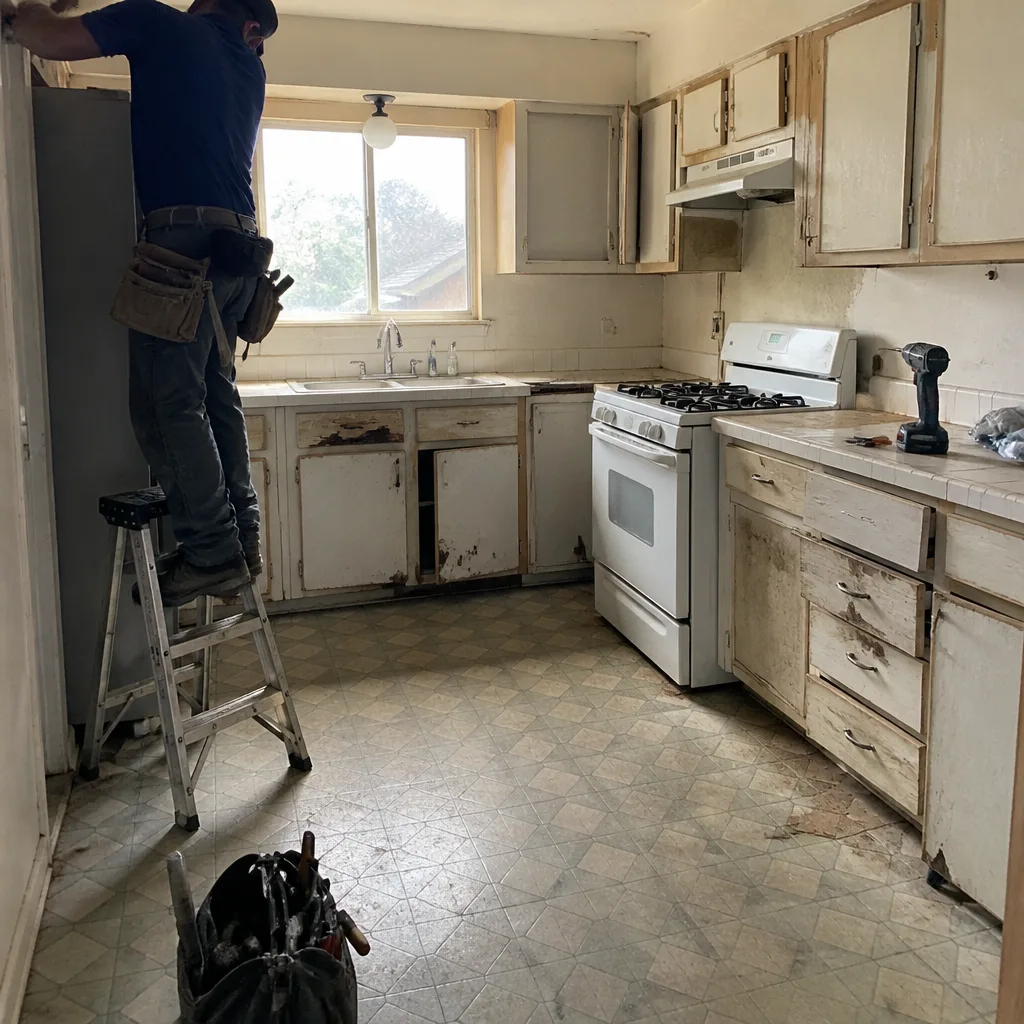 Before
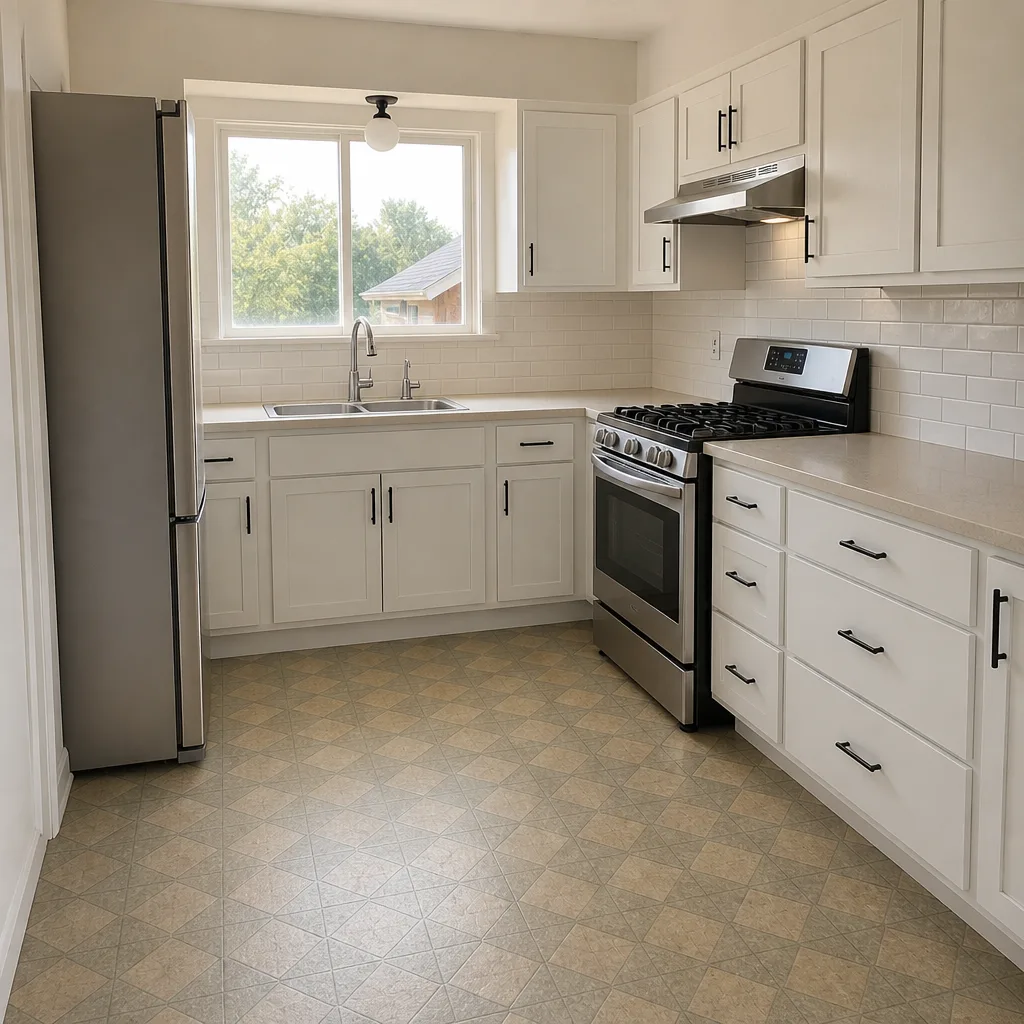 After
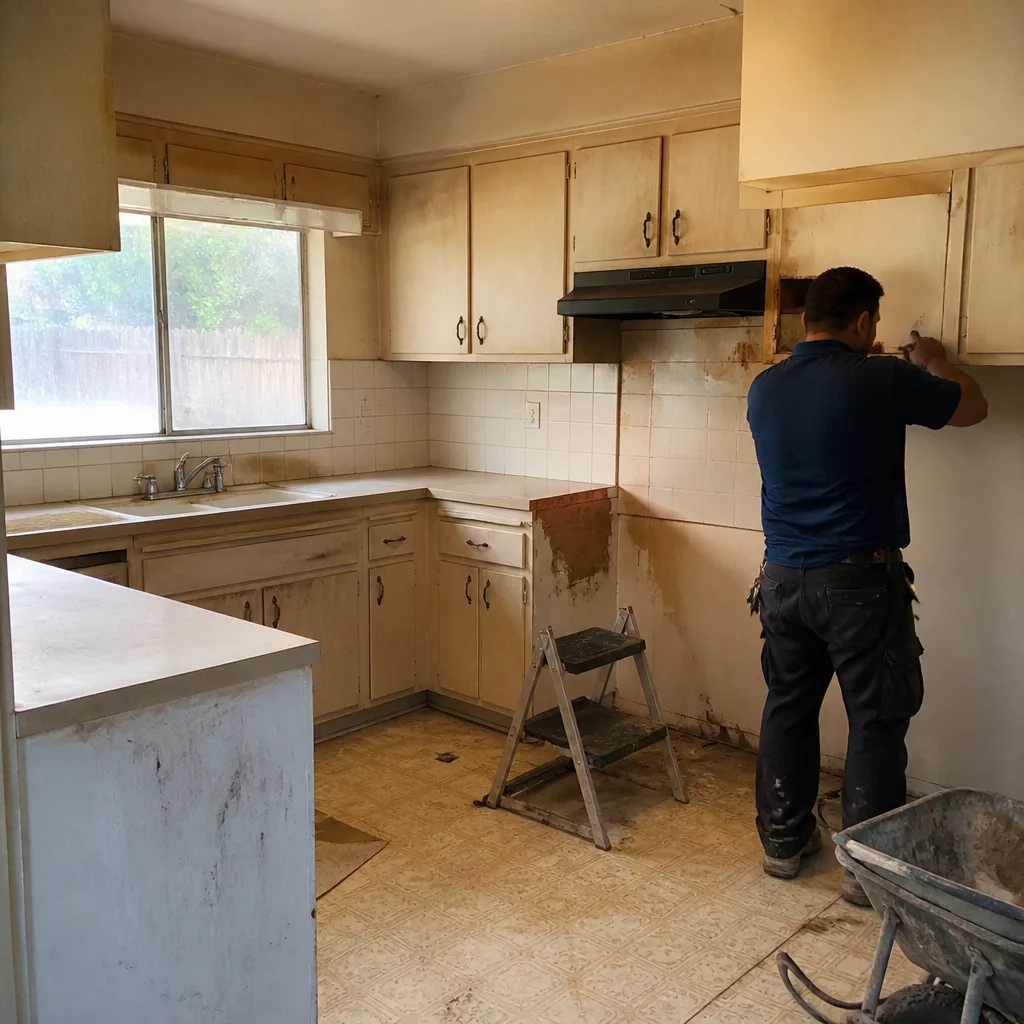 Before
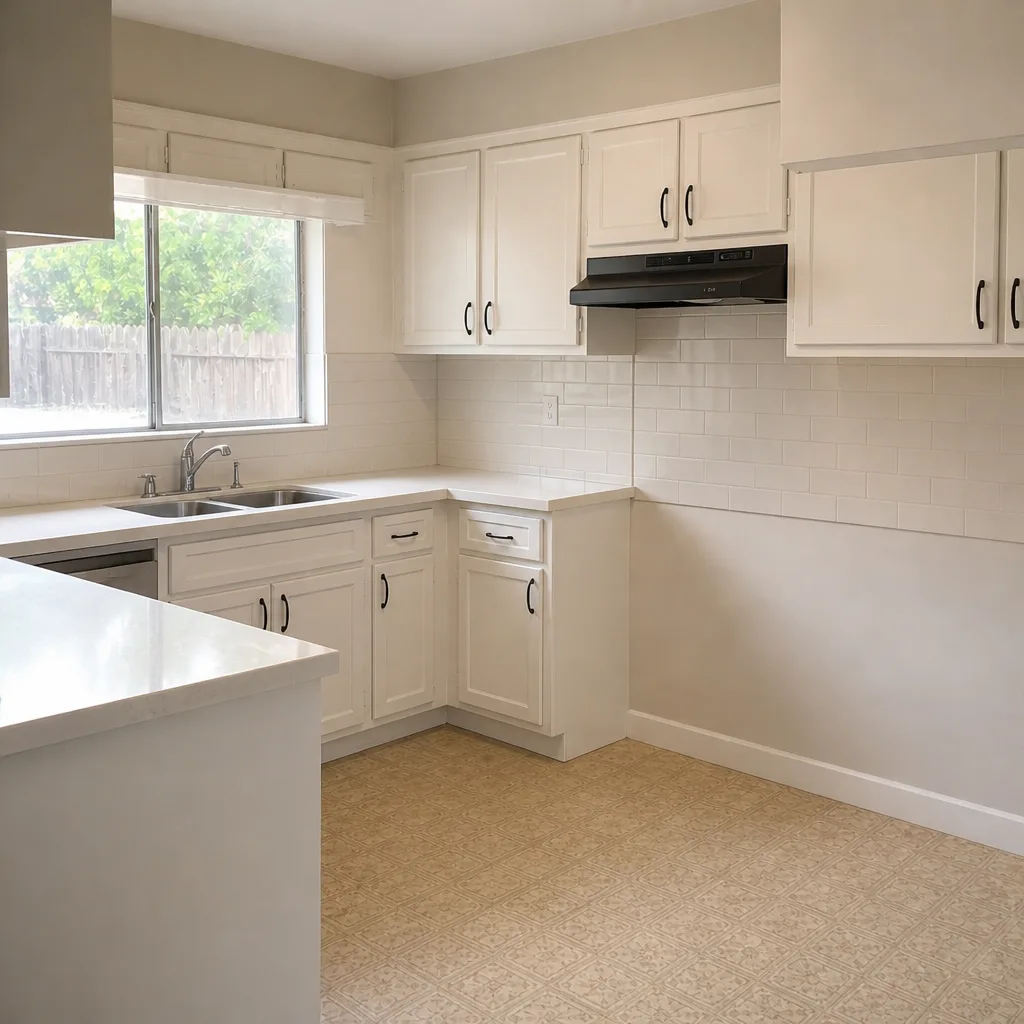 After
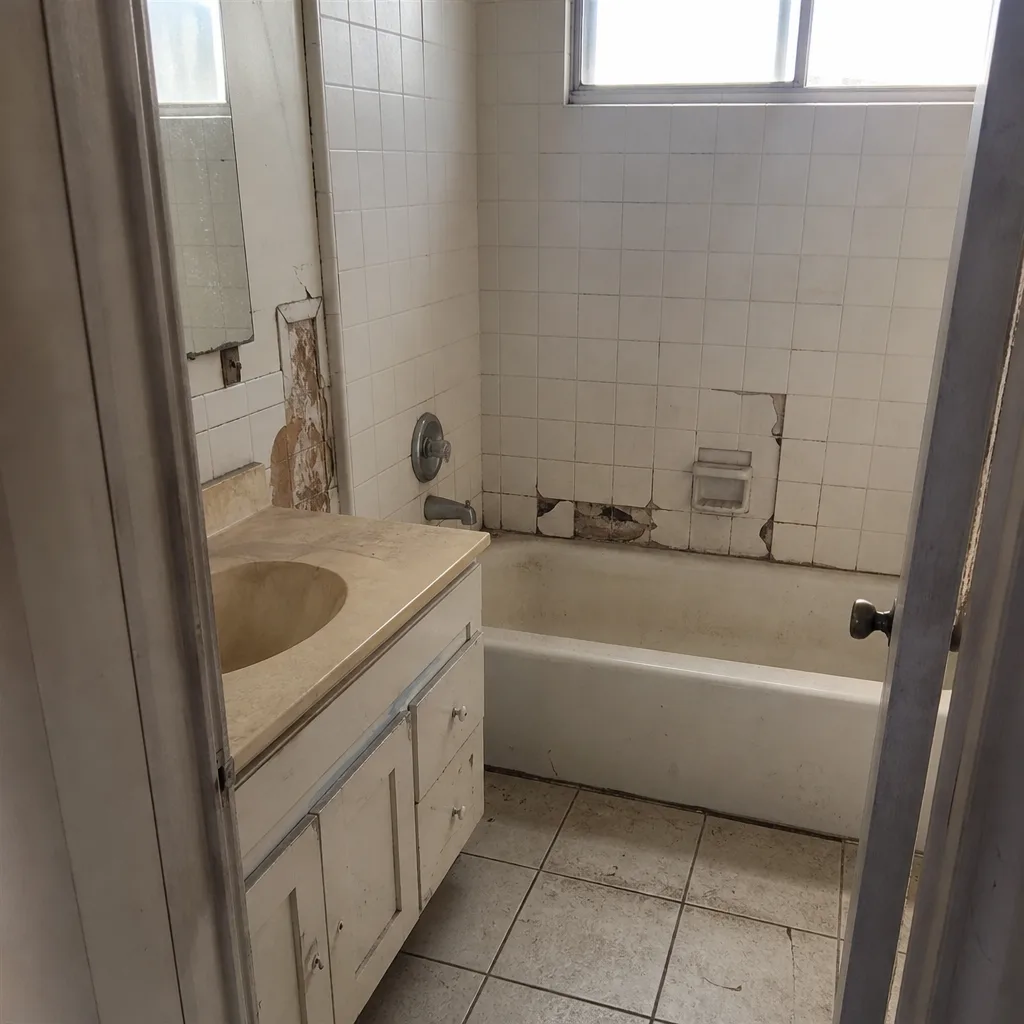 Before
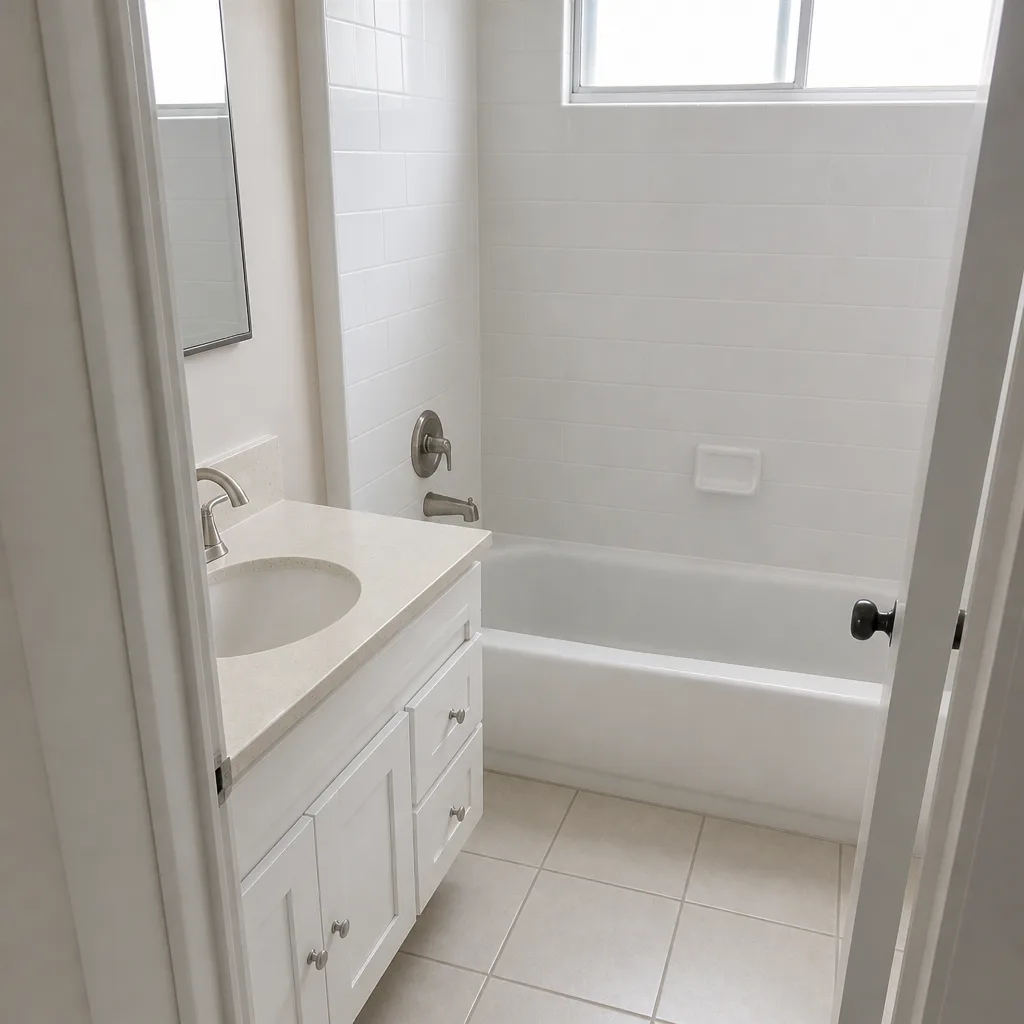 After
When to Call a Professional
Some tasks are homeowner work: re-caulking a joint, clearing a gutter, photographing a stain. Others need a trained crew: any roof work that requires walking the roof at height, stucco repair above the first story, grading that involves regrading near the foundation, deck flashing replacement, and any repair where the substrate condition is unknown. Spring and fall are also the right times to get a written inspection and a flat-price scope on the items your own walk flagged, so you can budget the repair on your schedule instead of reacting to a leak. Rowan Construction Group Orange offers free estimates in Orange and a free second opinion on any written estimate you already have; call (844) 320-7508 to schedule yours. Our technicians have up to 19 years of experience, and every visit includes a documented photo record of what was found and what was done.
Frequently Asked Questions
The fall pre-rain inspection is the highest-value task on the calendar. October in Orange is the driest month of the year, so caulk joints and stucco cracks are widest and easiest to see, and the repairs you make before the first rain prevent the interior water damage that costs the most to fix. Call (844) 320-7508 for a free estimate if your walk turns up joints you would rather have a trained eye assess.
Most exterior wood in Orange benefits from re-sealing every one to two years, depending on sun exposure and the product used. West- and south-facing wood breaks down fastest under the peak UV months. Check the finish each spring; if it is chalking or graying, plan to re-seal in the summer morning window the product label specifies. Call (844) 320-7508 for a written price if the wood needs replacement before sealing.
Yes, because the damage is cumulative rather than dramatic. The basin cycles between very dry Santa Ana conditions and a rainy season, and that wet-dry repetition opens hairline cracks a little more each year. Left alone, those cracks admit water and the repair grows. Caught in the fall, they are a patch and a tube of sealant.
Check in spring, after the last meaningful rain, while the ground is soft and the water marks are still visible. Spring is the window before the dry season masks the problem and before the next winter repeats the test. Call (844) 320-7508 for a free estimate if regrading or hardscape work is needed.
Cosmetic maintenance such as caulking, painting, and sealing generally does not require a permit, but structural repairs, roof replacement, deck flashing replacement, and any work that changes the footprint or grading of the property typically do. The local professional we connect you with is licensed and insured as the state requires, and we recommend confirming the permit scope before work begins. Call (844) 320-7508 for a free estimate and a written scope that names the permits required.
A dated photo log supports warranty claims, helps a contractor price future repairs accurately, and answers a buyer’s inspection questions with evidence. Store it in the cloud, organized by year and location, with one sentence per photo describing what you found and what you did. It costs nothing and it pays back at every future decision point.
The Bottom Line
Orange’s climate looks mild on a weather chart, but a house here runs through a real wet-dry and hot-cold cycle every twelve months. The maintenance tasks that match the season – spring drainage, summer re-sealing, fall pre-rain inspection, winter documentation – cost a few hundred dollars and prevent the deferred repairs that run into the thousands. Start with the fall checklist and the photo log, because the dry October window is the most useful month of the year for a homeowner in Orange. Every job we do leaves with a written price, a signed scope, and a documented photo record, and our free estimates are the same number on paper as they are on the phone.
Call (844) 320-7508 for a free estimate on any item this guide flagged, and we will walk the property with you and put the price in writing before anyone picks up a tool.
Written by the team at Rowan Construction Group Orange.