Last updated November 18, 2026
Free written scope consultation - allowances, timeline, and change-order rules on paper before a single trade is scheduled
Windows & Doors Troubleshooting: Common Problems and How to Fix Them
A drafty window is rarely a glass problem. In most cases it’s a failed weatherstripping strip, a compression seal that’s flattened past its rebound, or a sash that’s shifted out of square by a fraction of an inch. Three different repairs, three wildly different price points – and only one of them requires a contractor. In our experience across Orange, the costliest part of window and door trouble is misdiagnosis: a homeowner replaces an entire unit when a $14 sweep would have done it. This guide works backward from the symptom to the mechanical cause so you know, before anyone arrives, whether your fix runs $12 or $1,200.
Quick Answer
Most window and door problems trace to one of five root causes: failed weatherstripping, a broken insulated glass unit (IGU) seal, a sash out of square, worn latch or lock hardware, or water finding a path through failed flashing and caulk. The first, fourth, and often the fifth are low-cost fixes. The second requires glass replacement, and the third needs to be separated from structural settlement before it’s repaired. Knowing which one you’re facing is the whole game.
Styles & brands we work with
- Kitchen remodeling
- Bathroom remodeling
- Home additions & ADU
- Roofing
- Windows & doors
- Driveway & pavers
- Fence
Table of Contents
- The Symptom-to-Cause Diagnostic Tree
- Condensation Between Panes vs. On the Glass
- The Sash Alignment Test: Hardware or Settlement?
- Door Troubleshooting by Hardware Type
- Homeowner-Replaceable Parts (and What They Cost)
- Water Infiltration: Finding the Real Entry Point
- Common Mistakes to Avoid
- When to Call a Professional
The Symptom-to-Cause Diagnostic Tree
Before you touch a tool, note exactly what the window or door is doing. The symptom narrows the cause faster than any inspection. Here’s how we trace it, in the order we’d walk a homeowner through it over the phone.
- Draft or cold air at the edges. Trace it with a lit incense stick or a damp hand along the frame, not the center of the glass. Air at the perimeter points to weatherstripping or a compression seal, not the pane. Air across the center points to a single-pane unit or a failed seal.
- Fogging or water between panes. That’s a failed IGU seal. The glass has to be replaced – there’s no sealant that fixes it from outside.
- Sticking, hard-to-slide operation. Run the sash alignment test below before assuming it’s the track.
- Latch or lock won’t catch. In a vinyl or wood window, this is usually a shifted strike or a worn keeper. In a door, it depends entirely on the lock hardware type.
- Water inside, staining, or soft drywall near the frame. This is not a window problem until flashing and caulk are ruled out. More on that in the water section.
Orange’s climate makes one of these much more common than others. Our dry summers and warm, occasionally wet winters put exterior caulk lines through a thermal swing of roughly 40 degrees over a season. That movement compresses and stretches the sealant bead at the frame perimeter, and we see more weatherstripping and caulk failures in Orange than in cooler, steadier climates where the frame never quite expands and contracts the same way.
Condensation Between Panes vs. On the Glass
This is the single most misread symptom in window troubleshooting, and it’s worth getting right because the price gap is enormous.
Condensation between the panes means the sealed cavity of the insulated glass unit has lost its seal. The desiccant inside is saturated, moisture has entered, and the unit is fogging from the inside where no cloth can reach it. It will not clear on a dry day. This requires replacing the glass unit – typically $180 to $450 per window depending on size and whether the unit is argon-filled – but the frame and sash usually survive. Call it a glass job, not a window job.
Condensation on the interior surface of the glass is a humidity problem, not a window problem. The glass is doing its job as the coldest surface in the room, and moisture in the air is condensing there. In Orange, we see this more in bathrooms and kitchens where a range hood or exhaust fan vents poorly. The fix is ventilation and humidity control, not glazing.
- Fog inside the cavity that never clears = failed IGU seal = replace the glass unit.
- Fog on the room-side surface that wipes away = humidity issue = fix ventilation or run a dehumidifier.
- Fog on the exterior surface on a cold morning = normal physics, no action needed.
- Water pooling on the sill with no glass fog = a leak, not condensation. Go to the water infiltration section.
One tell we use: if the fog pattern has a defined edge or a cloudy haze that’s heaviest near the bottom seal, that’s the desiccant giving out. If it’s spread evenly and disappears by midday, that’s room humidity.
The Sash Alignment Test: Hardware or Settlement?
A sticking window is either a worn roller and track problem or a sign the whole opening has shifted. Those are very different repairs, and the test to tell them apart takes three minutes and a tape measure.
Here’s the method we walk people through:
- Measure the diagonal. Open the window fully and measure from the top-left corner of the rough opening to the bottom-right, then top-right to bottom-left. If those two measurements aren’t within 1/8 inch of each other, the frame is out of square.
- Check the reveal. Look at the gap between the sash edge and the frame on all four sides. A consistent gap is good. A gap that’s fat at the top and pinched at the bottom means the sash has dropped or the opening has racked.
- Check the sill for level. A bubble level across the interior sill will show any tilt. A sill that’s noticeably out of level in a window older than about 20 years is worth a close look at what’s underneath.
- Try the operating hardware. If the sash slides freely when you lift it slightly (taking pressure off the track) but binds when you don’t, it’s a hardware or balance problem, not the frame.
If the diagonals are off or the reveal is pinched, stop. That’s a structural question – the rough opening has moved – and no amount of new weatherstripping or a new sash roller will fix it. On the other hand, if the frame measures square and level but the sash still drags, you’re looking at a worn balance system or a bent track, and those are replaceable parts.
Get this one wrong in the other direction and you’ll spend money on structural investigation for what was a $30 roller. Our crews have up to 19 years of experience running this test precisely because it’s the fork in the road that decides everything else.
Door Troubleshooting by Hardware Type
Doors fail by hardware family, and each family fails differently. If you don’t first identify the lock type, you’ll misdiagnose the problem.
Mortise Locks
A mortise lock sits in a rectangular pocket cut into the door edge and is common in older and higher-end homes. When a mortise lock gets stiff or the bolt won’t throw, the cause is almost always internal wear – a broken spring or a worn follower – not a misaligned strike. The lock has to come out to be diagnosed. Lube helps temporarily; it doesn’t fix a broken spring.
Cylindrical Locksets
The standard knob and deadbolt setup on most residential doors. Cylindrical locks fail at the latch or the strike plate far more often than the lock body. If the door latches but the deadbolt won’t line up, the door has moved on its hinges or the strike is worn – not the lock’s fault. Check the hinge screws first. Loose top hinges are the most common reason a door sags at the strike side.
Multipoint Locking Systems
Common on modern exterior doors, especially French and entry doors, multipoint systems throw multiple bolts from a single handle. They’re precise and less forgiving of door movement. If the handle turns but the top or bottom bolt won’t extend, the door has likely swelled or shifted enough to bind the mechanism. These need a technician with the specific multipoint hardware’s adjustment procedure – force it and you’ll bend a cam that costs more to replace than the alignment would have.
- Bolts won’t align = door alignment or hinge problem, check before touching the lock.
- Handle spins free = broken actuator or follower, lock body replacement.
- Key won’t turn = cylinder wear or debris, try graphite before assuming replacement.
- Door won’t seal at the weatherstrip but latches fine = door has warped or the sweep is worn, not the lock.
For doors that connect an addition or a newly enclosed space, alignment issues sometimes follow the framing itself. If you’ve recently added a room or upgraded the entry, it’s worth reading our page on Home Additions & ADU in Orange to understand how door and window openings in a new addition get checked before closeout.
Homeowner-Replaceable Parts (and What They Cost)
Here’s the honest split: some window and door parts are genuinely do-it-yourself territory, and some aren’t. The line falls at the point where a mistake becomes structural or a safety risk. Everything below the line is a homeowner job with a screwdriver and a product number.
Weatherstripping and sweeps. A worn door sweep or perimeter weatherstripping strip is one of the most common fixes in Orange, and one of the cheapest. Brands like Swisco make direct-match replacement parts for most major window and door manufacturers – the key is identifying the exact profile, which usually means checking the original unit or measuring the profile depth. A replacement sweep runs roughly $15 to $40. This is a homeowner job.
Window operators and cranks. Casement and awning window operators wear out, and the handle either grinds or won’t open the sash at all. Truth Hardware operators are the most common replacement, and the trick is match the operator’s arm length and mounting hole pattern, not just the brand. Expect $20 to $60 for the part. Most are swapped with two or three screws, and this is within reach for a careful homeowner.
Balance systems. Single-hung and double-hung windows rely on a balance system – usually a spiral or a block-and-tackle style – to hold the sash up. A sash that won’t stay open is a failed balance. Caldwell balance systems are a common replacement, and matching the correct balance rating for your sash weight matters. Balance assemblies run $25 to $70 per side. This used to be contractor-only; most modern balance systems now replace without disassembling the sash, but you need the right weight rating or the sash will drift.
What isn’t a homeowner job. Glass replacement of any kind (IGU), any sash or frame that has shifted out of square, structural repairs around the opening, and any multi-story or tempered-glass installation. That’s the line where the hardware stops being a part and starts being a job.
Water Infiltration: Finding the Real Entry Point
When water shows up inside around a window or door, the instinct is to blame the window. In our experience, the majority of interior water intrusion around a window or door opening enters above the head or below the sill, not through the frame itself. The window just happens to be where the water finally shows.
Trace it in this order:
- Head flashing. Check the trim and flashing above the window on the exterior. Failed flashing at the head is the most common entry point, and it’s usually hidden behind siding or trim until water shows inside.
- Caulk lines. Run your hand along the perimeter caulk bead – cracks and gaps look small but are common. In Orange’s dry summers, exterior caulk dries and shrinks; the wet winters then find every crack.
- The weep holes. Every window with a sloped sill has weep holes at the bottom that drain water out. If those are painted over or plugged, the water backs up into the frame and shows inside. A paperclip is the tool here.
- Sill flashing. If interior staining appears at the bottom corners, check the sill flashing and the slope of the exterior sill. A sill that pitches back toward the house is a designed-in leak.
If you’ve ruled out flashing and caulk and water still gets in, the fix may involve reflashing the opening, which is a contractor job. Roofing work adjacent to the top of a window or door – dormers, wall-to-roof junctions, and headwalls – is where a lot of this starts. Our Rowan Construction Group Orange home page outlines how we document an opening and get water intrusion resolved before it reaches the interior.
Common Mistakes to Avoid
- Replacing the whole window to fix fogging between panes. A failed IGU usually means a glass unit swap, not a full window replacement. Replacing the frame costs several times what the glass does.
- Caulking the weep holes. We see this in Orange repeatedly – a homeowner seals up the bottom of a window with caulk, thinking it’s a leak, and traps the water against the frame. Weep holes exist to drain, not to leak.
- Oiling a worn balance instead of replacing it. Lubricant disguises the problem for a week and lets the sash slam again, which damages the sash and the track.
- Forcing a multipoint lock that’s binding. The bolts won’t align because the door has shifted, not because the handle is stiff. Force it and you’ll bend a cam that costs more than the alignment fix would have.
- Assuming a draft is the glass. Run the incense test around the perimeter before you call anyone. Most perimeter drafts in Orange are weatherstripping, not glazing.
- Chasing a water leak sealant-first. Find the entry point before you add caulk. Sealant over wet wood traps the water and lets the damage spread.
- Hiring for a part-level fix. Match the fix to the symptom. A $20 operator or a $40 sweep doesn’t need a contractor, and paying one is an expensive way to learn what a screwdriver does.
When to Call a Professional
Call a professional when the frame is out of square, when you’re replacing glass of any kind, when there’s structural movement around the opening, when a water leak won’t resolve after flashing and caulk checks, and whenever the work is above ground level or the window has tempered or specialty glass. Those are the cases where a mistake becomes expensive or unsafe.
For replacement work – new doors, new windows, or reflashing around an opening as part of a larger project – a written price before any work begins is the standard, not a favor. We’ve built everything around that idea under Clause 1 of the Haven Standard: the number goes on the page before anyone picks up a tool, and no change proceeds without a signed change order. Our techs are uniformed and background-checked, calls are answered by a live person 24/7, and every visit includes a documented photo record as standard – so you can see what was found and what was done. Rowan Construction Group Orange offers free estimates in Orange and a free second opinion on any written estimate you bring us. Call (844) 320-7508 to schedule yours, or read about our window and door work as part of our Fence Installation in Orange and Driveway & Pavers in Orange exterior projects when openings and hardscape tie together.
If you’re planning windows as part of a bigger exterior upgrade, match the opening work to the surrounding materials early. Our crews handle roofing alongside window work for exactly this reason – not naming a brand until we’ve measured the opening, because half the repair cost lives in getting the flashing and the material match right. A proper closeout on a window or door opening includes the flashing, the caulk line, and the trim, and any one of those done wrong shows up as an interior leak a season later.
See the difference
 Before
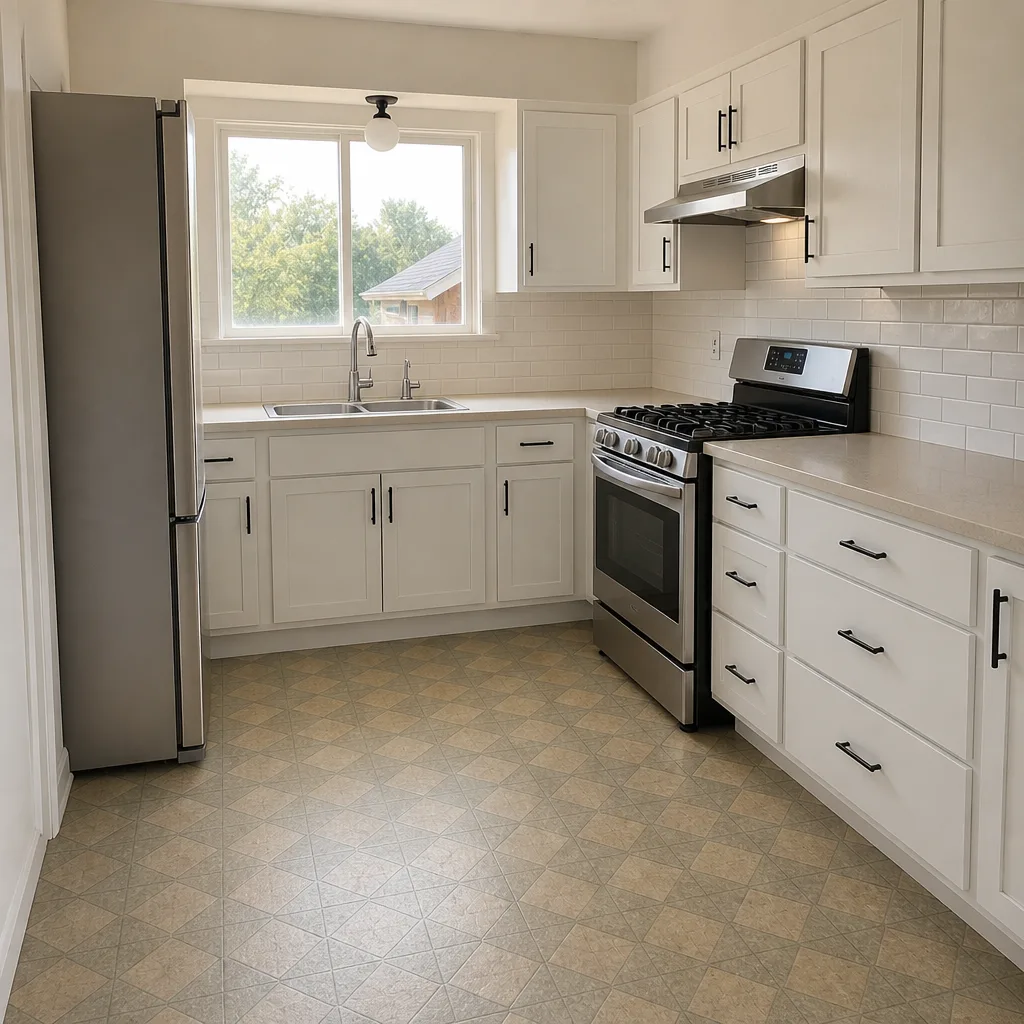 After
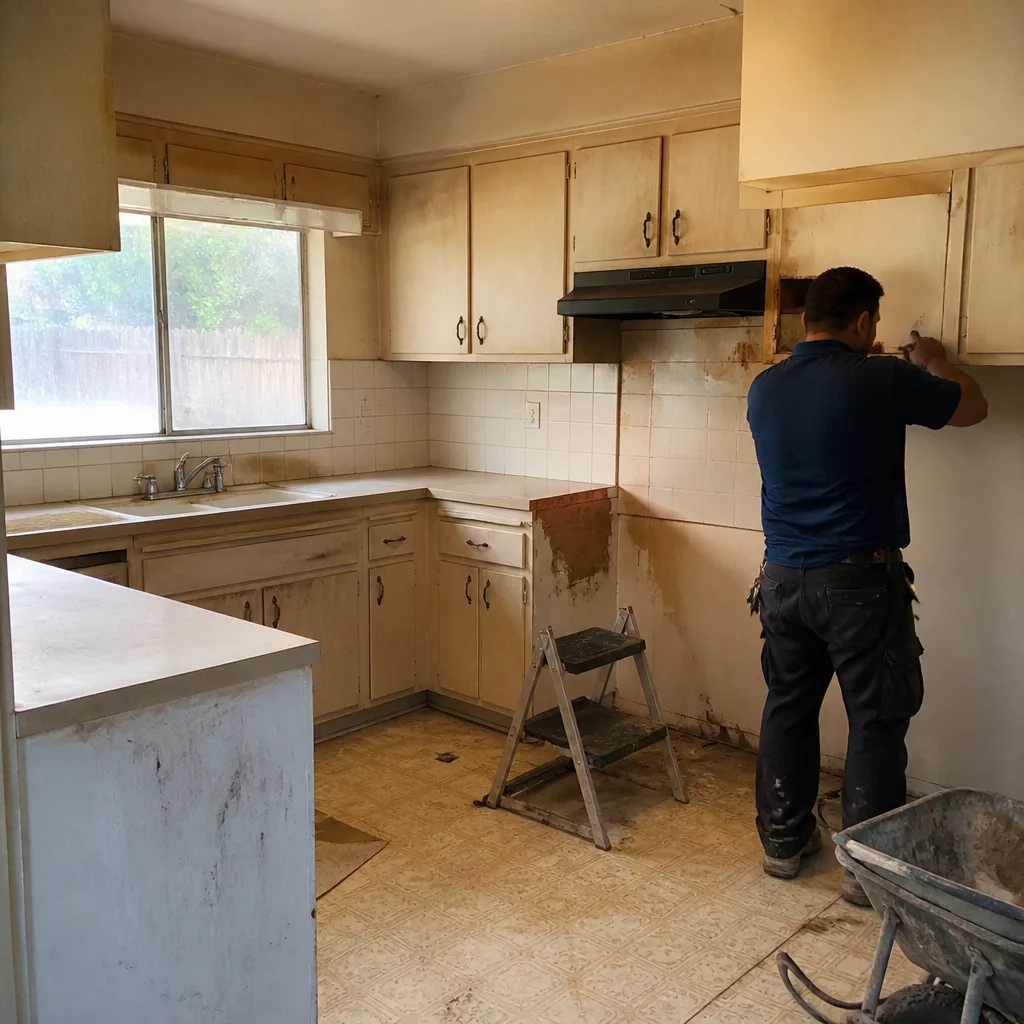 Before
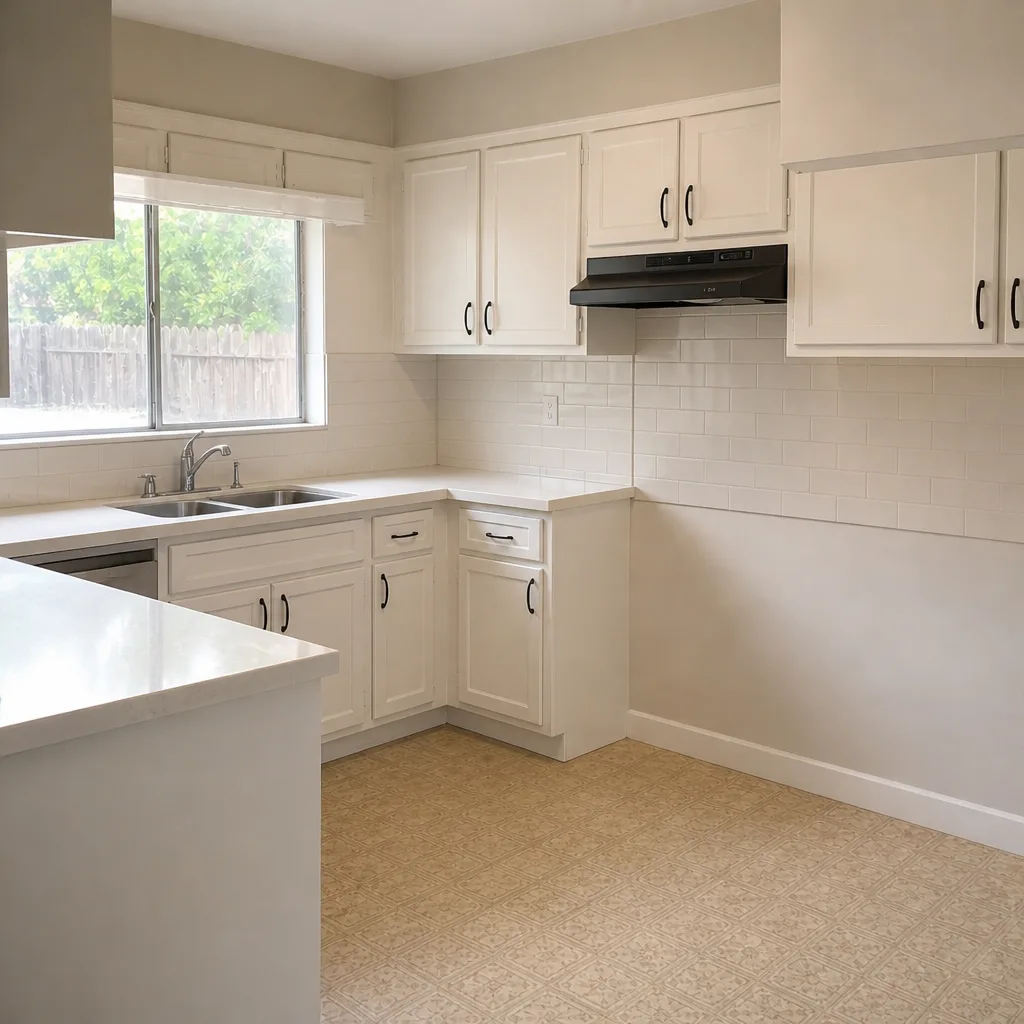 After
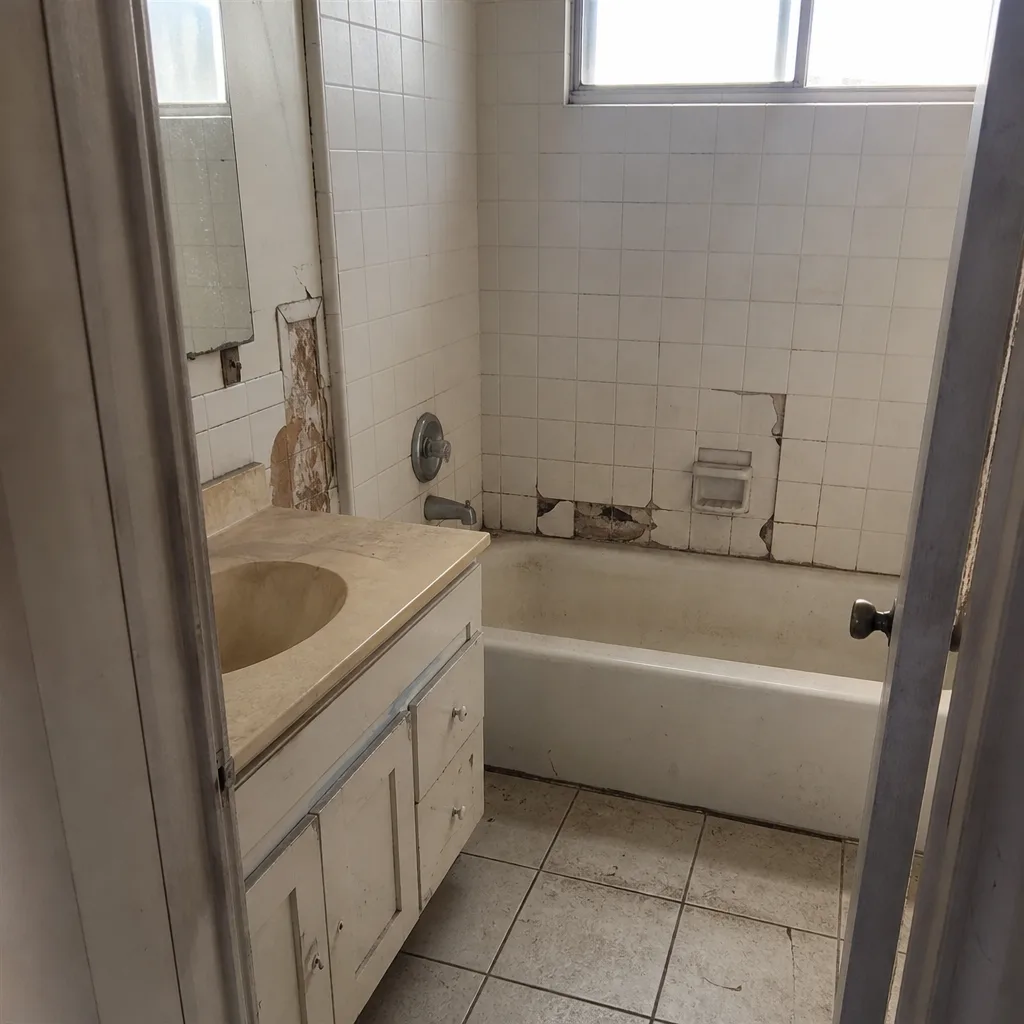 Before
 After
Frequently Asked Questions

If the fog is between the panes and never clears, it’s a failed IGU seal and the glass unit needs replacing. If the fog is on the room-side surface and wipes away, it’s a humidity issue in the room and no window work is needed. Call (844) 320-7508 for a free look if you’re not sure.
The operator’s arm has likely stripped or detached from the sash. Truth Hardware is the most common replacement operator, and the fix is usually a $20 to $60 part. If the sash still won’t move after replacing the operator, the sash is binding in the frame and needs a professional assessment.
Almost never. The door has shifted on its hinges or the strike plate is worn, so the deadbolt has nothing to catch. Check the top hinge screws first. If the door is still out of line, call us for a free estimate at (844) 320-7508.
Small fixes start around $12 to $70 for a part like a sweep, operator, or balance assembly. A failed IGU glass replacement typically runs $180 to $450 per window. Frame, sash, or structural repair is priced case by case. Call (844) 320-7508 for a written, itemized estimate before any work begins.
Yes, to a point. Vinyl and wood frames expand in Orange’s hot, dry summers, which can bind a sash that operates fine in spring. If the sticking is seasonal and the diagonals measure square, it’s a frame movement issue. If the frame is out of square or the reveal is pinched, it’s worth a professional look.
Many window replacements in Orange require a permit, and the requirement depends on the scope and the local code. The local pro is licensed and insured as required, pulls the permit as part of the job, and sees that the inspection passes. Call (844) 320-7508 and we’ll walk you through what your project needs before any work starts.
The Bottom Line
Most window and door problems aren’t glass problems. They’re weatherstripping, seals, hardware, or water entry – and the fix depends entirely on which one you’re facing. Measure the diagonals before you assume a sash is broken. Check the room-side surface before you assume the glass is fogged. Trace water to the head flashing before you buy caulk. Get the diagnosis right and you’ll know whether the fix is $12 or $1,200 before you call anyone. Get it wrong and you’ll replace a window that needed a weatherstrip. Match the fix to the symptom, and you’ll save the difference – and if the symptom points to structural movement, flashing failure, or glass replacement, call in the professional.
Written by the team at Rowan Construction Group Orange.