Last updated November 18, 2026
Free written scope consultation - allowances, timeline, and change-order rules on paper before a single trade is scheduled
Construction Cost Breakdown: The Orange Homeowner’s Reference for 2026
A $45,000 kitchen remodel bid and a $62,000 bid for the same scope can both be correct. Or one of them is missing a $9,000 electrical panel upgrade that neither contractor put in writing. That gap is the whole problem with construction pricing: the number on the page isn’t the price until you know what’s inside it. In Orange, where 1920s bungalows sit blocks from 1990s rebuilds, the same square footage can carry wildly different costs because the substrate, the panel, and the soil don’t care about your budget. This reference breaks a bid into its parts so you can read it line by line.
Quick Answer
A real construction cost breakdown in Orange separates four components on every line: labor, material, permit, and contractor overhead and profit. Overhead and profit typically runs 15% to 25% of the total, labor 35% to 50%, material 25% to 40%, and permits a fixed few hundred to several thousand dollars depending on scope. A bid that folds all four into one lump number hides where the money goes – and where a lowball bid has quietly left work out.
Styles & brands we work with
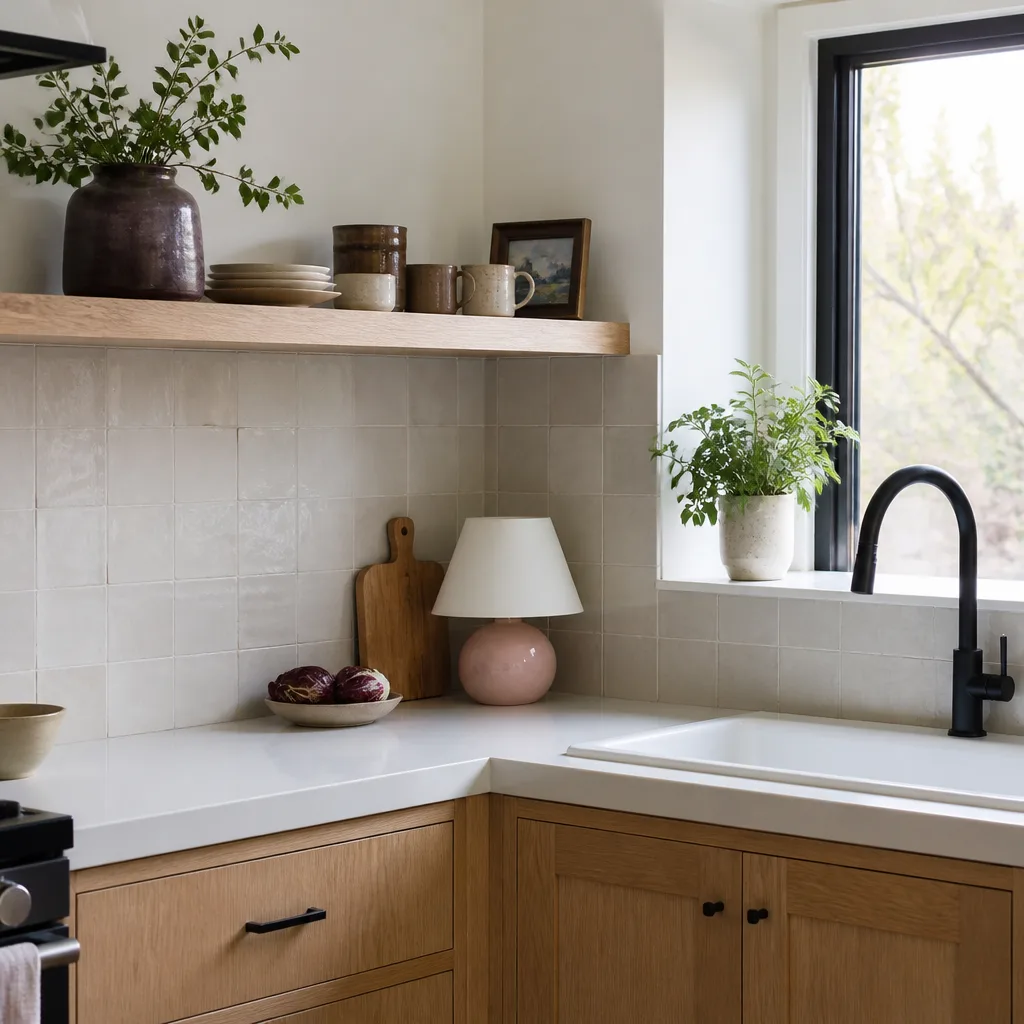
- Kitchen remodeling
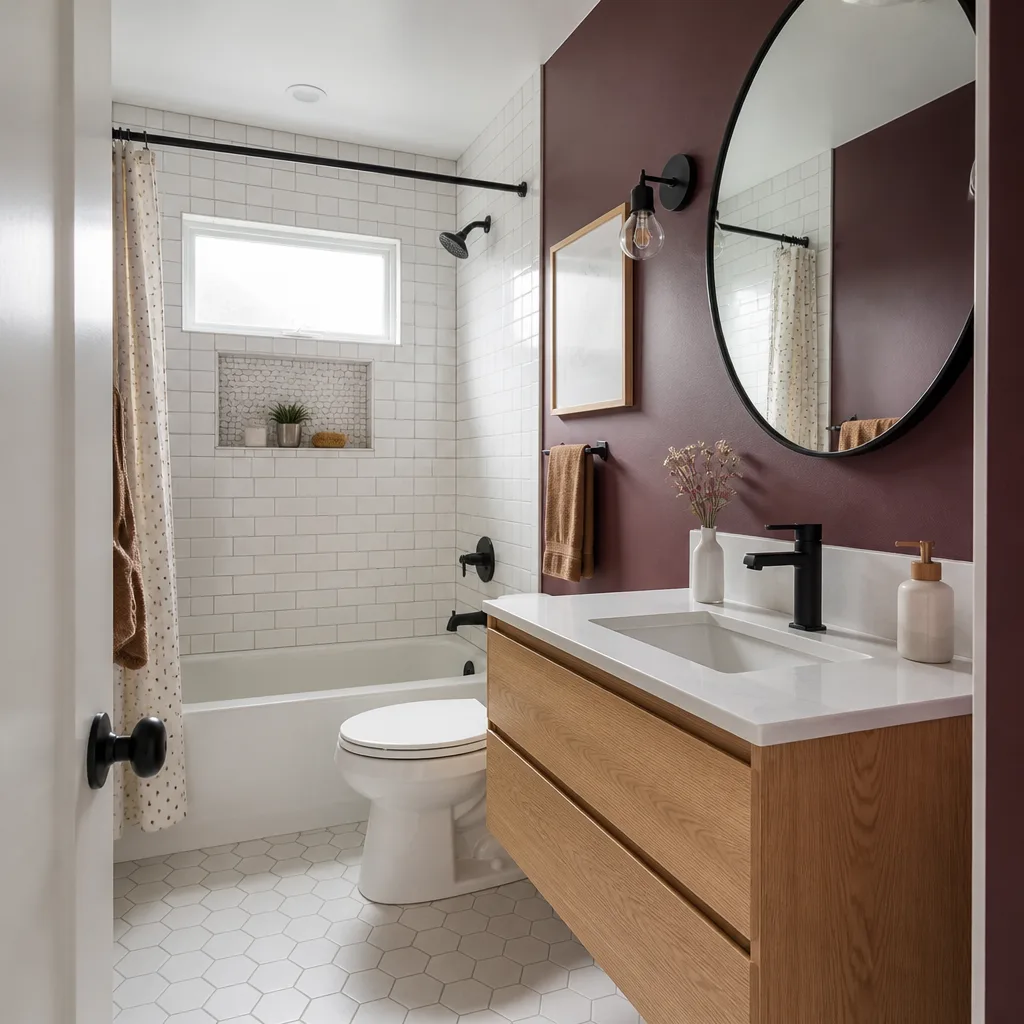
- Bathroom remodeling
- Home additions & ADU
- Roofing
- Windows & doors
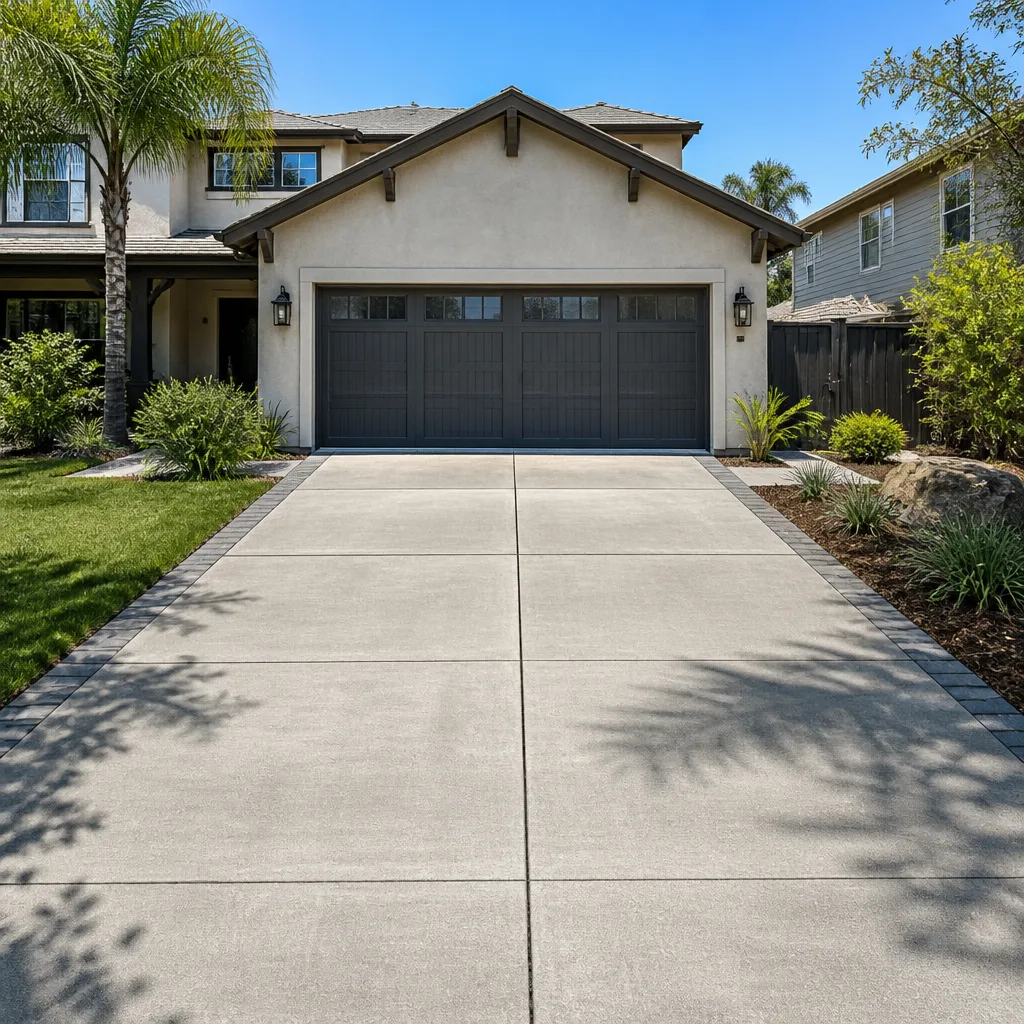
- Driveway & pavers
- Fence
Table of Contents
- The Anatomy of a Construction Bid: Labor, Material, Permit, Overhead
- Per-Trade Cost Anatomy in Orange
- What Actually Drives Cost Variation Within a Trade
- Hidden Line Items That Rarely Appear in Lowball Bids
- How to Compare Two Bids With Different Scopes
- Payment Schedule Benchmarks
- Common Mistakes to Avoid
- Frequently Asked Questions
The Anatomy of a Construction Bid: Labor, Material, Permit, Overhead
Every honest construction price in Orange is built from the same four buckets. Pull any one of them out and you get a bid that looks cheaper because it literally is smaller – it’s pricing less work. Here’s what each bucket holds and roughly how much of the total it represents in Orange’s 2026 market.
- Labor (35% to 50% of total). Crew hours plus payroll burden: workers’ compensation, liability insurance, and the payroll tax an employer carries. Trades that require a licensed specialty (electrical, plumbing, roofing) push this higher because the license itself carries a cost.
- Material (25% to 40%). The products and the waste factor. A tile job buys 10% to 15% extra for cuts and breakage; a framing package buys 5% to 10% extra for kerfing and mistakes. Cheap bids frequently shave the waste factor and leave you buying the shortfall later.
- Permits and inspections (a fixed $300 to $4,000+ depending on scope). This isn’t a percentage; it’s a set of city and county fees tied to valuation. A bath remodel and a full kitchen gut live in very different fee brackets.
- Overhead and profit (15% to 25%). The contractor’s office, insurance, vehicles, scheduling software, warranty reserve, and the margin that keeps the business alive. A bid with 5% overhead and profit isn’t generous – it’s a contractor who’s planning to change-order you later or won’t be around for the warranty.
When you read a bid from Rowan Construction Group, every one of those buckets is a written line with a written scope. Under Clause 1 of The Haven Standard, the price is written before anyone starts, and no change proceeds without a signed change order. That’s the discipline that keeps a project within a few percent of the number you agreed to, rather than the number you hoped for.
Per-Trade Cost Anatomy in Orange
Different trades split their dollars differently, and knowing the split tells you what a bid should emphasize. Here’s how the four major trades break down in Orange’s current market. These percentages describe typical share of a trade’s total price, not the price itself.
Kitchen Remodeling
Kitchens carry the highest material share of any trade because cabinetry and countertops are the bulk of the spend. Material sits at 45% to 55%, labor 30% to 40%, permits 3% to 5%, overhead 15% to 20%. Cabinet lines we quote commonly include KraftMaid and Wellborn, and countertops in Cambria quartz and Caesarstone – brands named in the quote so a homeowner can price the same specification at a competitor and compare apples to apples. A 1920s Orange kitchen with a plaster wall and a 60-amp panel will pull the electrical and drywall lines up well beyond a 2005-built kitchen with drywall and 200-amp service.
Bathroom Remodeling
Baths are tile-heavy and small, so material runs 40% to 50%, labor 35% to 45%, permits 3% to 5%, overhead 15% to 20%. The wild card in Orange is the shower’s waterproofing membrane – a surface-applied sheet membrane versus a liquid-applied coat versus the old greenboard-and-tile method changes both material cost and the labor hours behind the tile. Any bath bid that doesn’t state the membrane is a bid you can’t compare. Fixtures drive real dollars too: a Kohler and Toto spec sheet is a materially different bid than a builder-grade one.
Roofing
Roofing is material-heavy: 45% to 55% material, 30% to 40% labor, 2% to 4% permits, 15% to 20% overhead. A GAF or Owens Corning architectural shingle system carries a published spec sheet – underlayment type, ridge vent, drip edge – and the bid should name it. Orange’s Spanish clay tile roofs of the 1920s change the math in a specific way: tile replacement is expensive but the tile is often salvageable, and a roofer who knows how to lift and relay can save thousands. We’ve seen bids swing $6,000 on the same tile roof because one contractor planned to replace the whole field and one planned to relay it.
Home Additions and ADUs
Additions carry the highest permit and overhead share of any trade because of the design and entitlement work: 35% to 45% material, 35% to 45% labor, 5% to 8% permits and design, 20% to 25% overhead. Orange’s older lots often require a soils report or a grading plan that a mid-century house three cities over never touches. An ADU – a detached accessory dwelling unit, as opposed to an in-law suite carved out of existing space – adds utility tie-in, sewer lateral capacity, and fire-separation requirements that can each carry a line item.
What Actually Drives Cost Variation Within a Trade
“It depends on complexity” is the sentence contractors use when they don’t want to explain themselves. The variables are specific and countable. Here are the ones that move a price in Orange, in roughly the order they move it.
- Linear feet of the actual run. Countertops, cabinetry, fence line, gutter, driveway perimeter – all priced by the linear foot. A kitchen with 20 linear feet of cabinet run is a different bid than one with 32 feet, full stop.
- Story height and access. A second-story addition carries scaffolding, ladder staging, and sometimes a crane or pump-truck cost that a single-story job doesn’t. A roof with a 12/12 pitch (that’s a pitch of 12 inches of rise per 12 inches of run) needs extra labor hours and safety setup that a 4/12 does not.
- Panel capacity. A 100-amp electrical panel in a 1950s Orange home is often at its limit. Adding a subpanel, upgrading to 200-amp, or moving the service can run $2,500 to $9,000 depending on access and whether the meter base and riser are relocated. This line item is where lowball kitchen bids go to die.
- Soil and grading. Orange has areas where the soil behaves differently under load than a typical flat lot. A soils report that adds a geotechnical line item isn’t a contractor upcharge – it’s the code requirement the engineer flags.
- Substrate condition. Substrate means the surface underneath the finished layer: the slab under a floor, the sheathing under a roof, the stud wall behind drywall. Rot, water damage, or a failed previous installation can add a whole remediation line that no good contractor can know for sure until the cover is off. That’s why the best bids include a written allowance or a documented condition clause for exactly that eventuality.
Hidden Line Items That Rarely Appear in Lowball Bids
The lowest bid is often the one that left these lines out. Ask for each of them explicitly, and you’ll see whether a bid is cheaper or just quieter. These are the usual suspects with typical Orange dollar amounts.
- Permit fees and inspection cost. Typically $300 to $1,200 for a kitchen or bath, $500 to $2,500 for a roof, and $3,000 to $12,000 for an addition or ADU, depending on square footage and valuation. A contractor who says “we don’t need a permit” for a structural or electrical scope is a problem, not a bargain.
- Dumpster and disposal. A 20-yard roll-off runs roughly $450 to $750 in Orange, delivered, hauled, and disposed. A kitchen gut typically fills one and spills into a second for the counters and drywall.
- Temporary power and water. $150 to $400 for a temporary power post if the meter has to move; more if a generator is needed. Water on a site where the supply has to be interrupted, similar range.
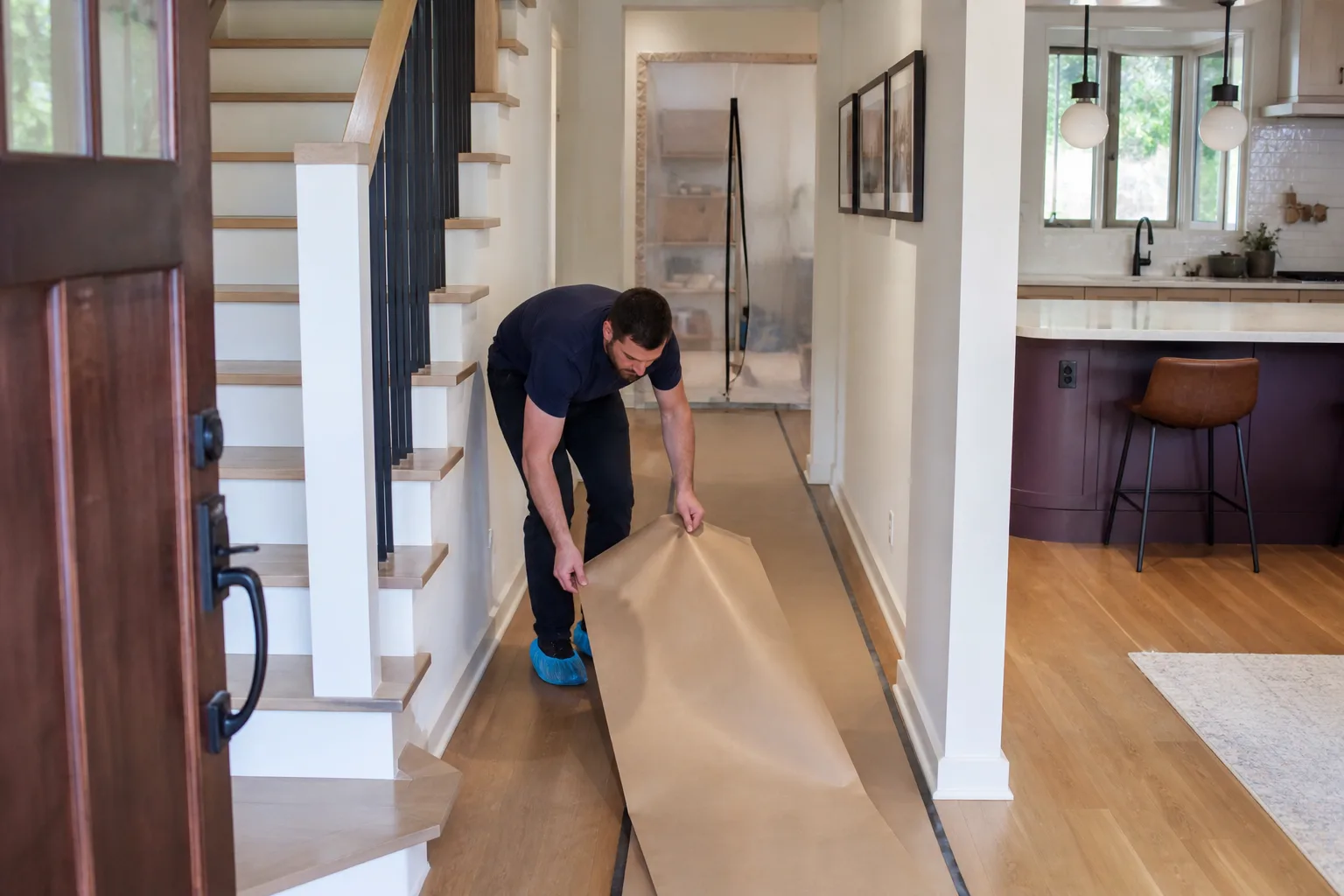
- Debris protection. The floor protection, ZipWall dust barriers, and the daily cleanup every good crew carries as a line, not a favor. $200 to $600 for a typical remodel, and the reason your downstairs doesn’t look like a construction site.
- Written warranty and 365-Day Done Right Promise. Any bid that doesn’t include a written warranty page isn’t complete. Under the Haven Standard, the 365-Day Done Right Promise is printed and backed by terms, not a handshake.
Those five lines alone commonly total $2,000 to $4,500 on a mid-size remodel. A bid that’s $3,000 lower than the next one but is missing every one of them isn’t a lower bid – it’s a different, smaller scope.
How to Compare Two Bids With Different Scopes
The trick to comparing bids is to stop comparing totals and start comparing equivalent scopes. Write a worksheet that forces both bids onto the same lines. Here’s the framework we recommend, and that we’ll walk through line by line with you in a free second opinion on any written estimate.
- Write a scope statement. One sentence per line: remove existing cabinetry; replace with KraftMaid semi-custom; add 240-volt line for induction; new underlayment; etc. This is the scope the two bids must both price.
- List every exclusion. Every bid has things it doesn’t cover. Write them down side by side. One bid excluding electrical and plumbing rough-in is silently thousands of dollars cheaper than one that includes them.
- Normalize the allowances. Allowances are placeholder dollar amounts for material not yet selected (“$3,000 tile allowance”). A low bid with a $1,500 allowance and a high bid with a $4,000 allowance can flip order once both allowances are raised to your actual selection.
- Compare the four buckets per line. If a bid folds labor, material, permit, and overhead into one line, ask for the breakdown. A bidder who can’t produce it either hasn’t priced the work or doesn’t want you to see it.
- Check the payment schedule. See the next section. A bid is not complete until the payment milestones are written.
- Check the documentation clause. Who produces the photo record? Who signs the change orders? These should be in writing before the first check clears.
When you compare two bids this way, the $45,000 and $62,000 versions from the top of this page often collapse to a $9,000 difference that turns out to be exactly the panel upgrade and the disposal – which means the honest comparison is $54,000 against $62,000, and the cheaper number is the one that will change on you. If you want to do this on a live bid, bring us a competitor’s written estimate and we’ll review it at no charge.
Payment Schedule Benchmarks
Payment schedules are a diagnostic. They tell you how the contractor is capitalized, and front-loaded schedules are a warning sign well before the drywall goes in. Here are the benchmarks that hold up in Orange’s current market.
- Deposit at signing: 10% to 15%, capped. Legitimate contractors collect a deposit to order material and lock the schedule. Anything over 20% upfront, or a deposit that’s a flat large number rather than a percentage, is a cash-flow question you want to ask about.
- Material delivered or rough-in complete: 25% to 35%. This is when the contractor has real costs sunk in. It’s reasonable for the money to follow the work.
- Mid-point (drywall hung, tile set, roof shingled): 25% to 35%. The largest single payment usually sits here because the labor hours are heaviest.
- Substantial completion (fixtures installed, punch list written): 15% to 20%. The punch list is the written list of remaining items, and this payment should follow it, not precede it.
- Final: 5% to 10% held until final walkthrough. Hold this until you’ve walked the project, received the photo record, and the punch list is closed.
Front-loaded schedules – say, 50% at signing – correlate with contractors who are using your deposit to fund the previous job’s material. In a tight construction labor market that can work for a while and then collapse. The Rowan Construction Group schedule is written into the contract before work starts, and Clause 1’s discipline of signed change orders carries through each milestone.
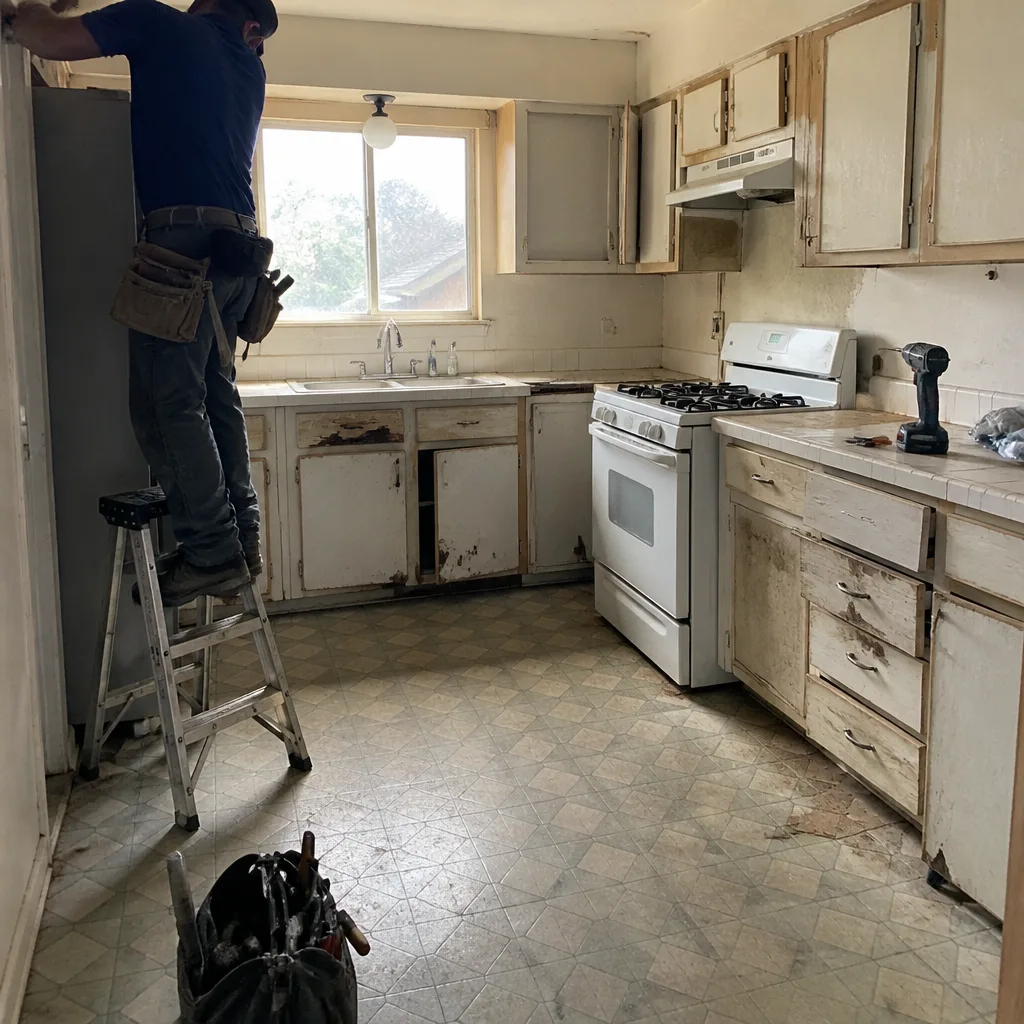
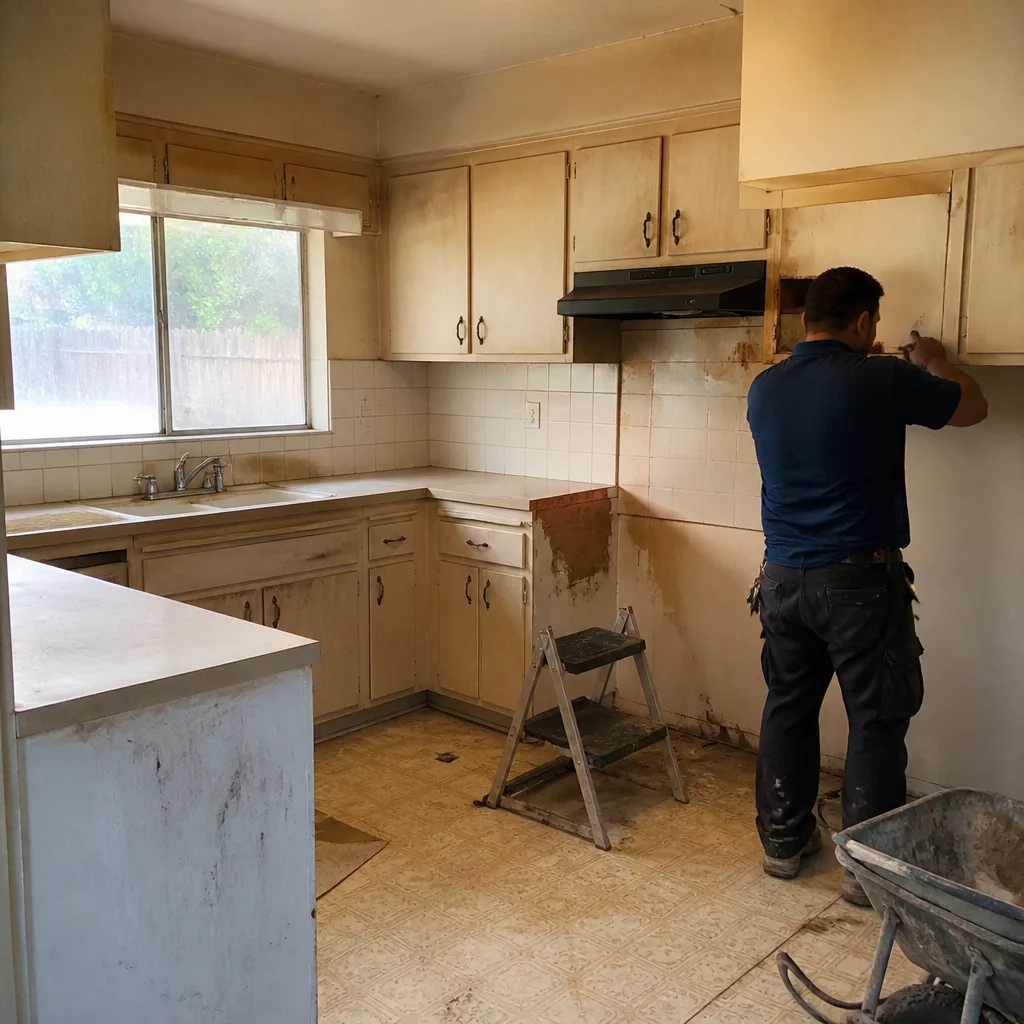
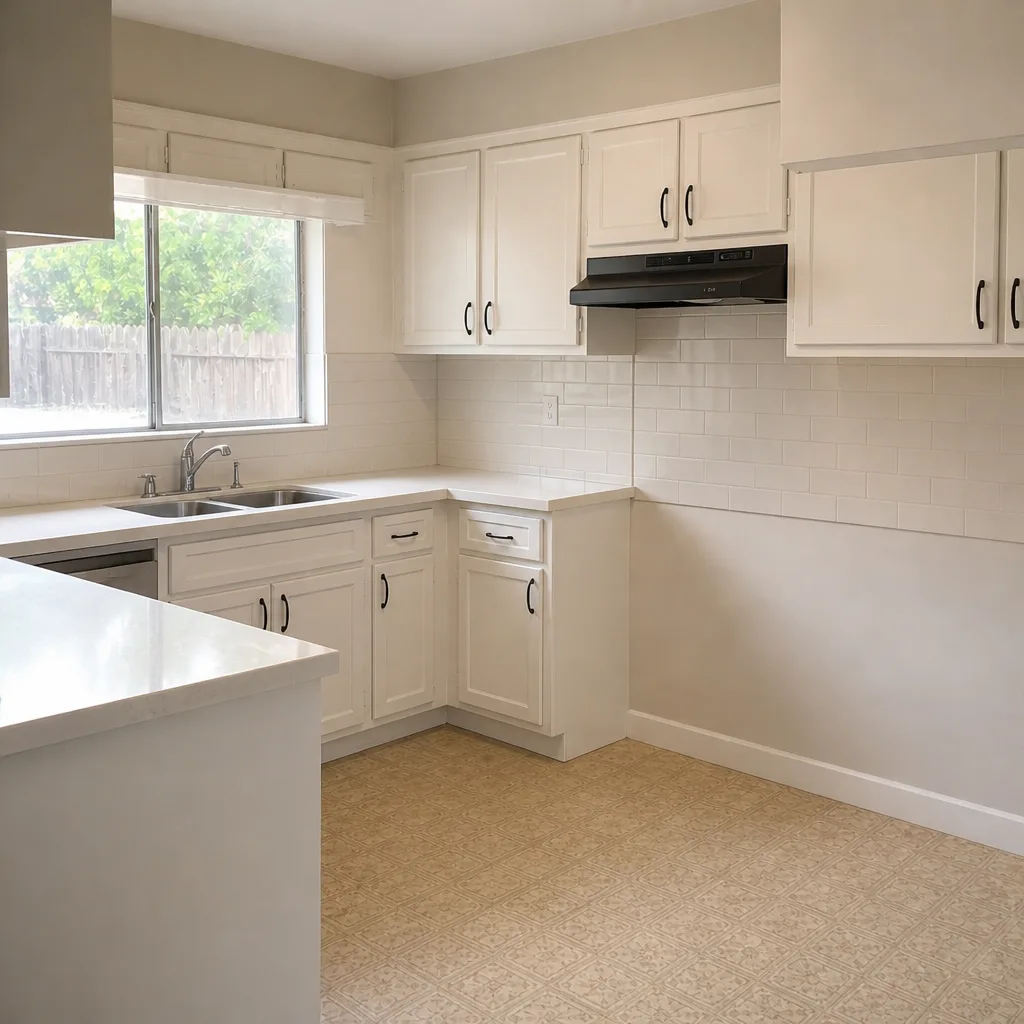
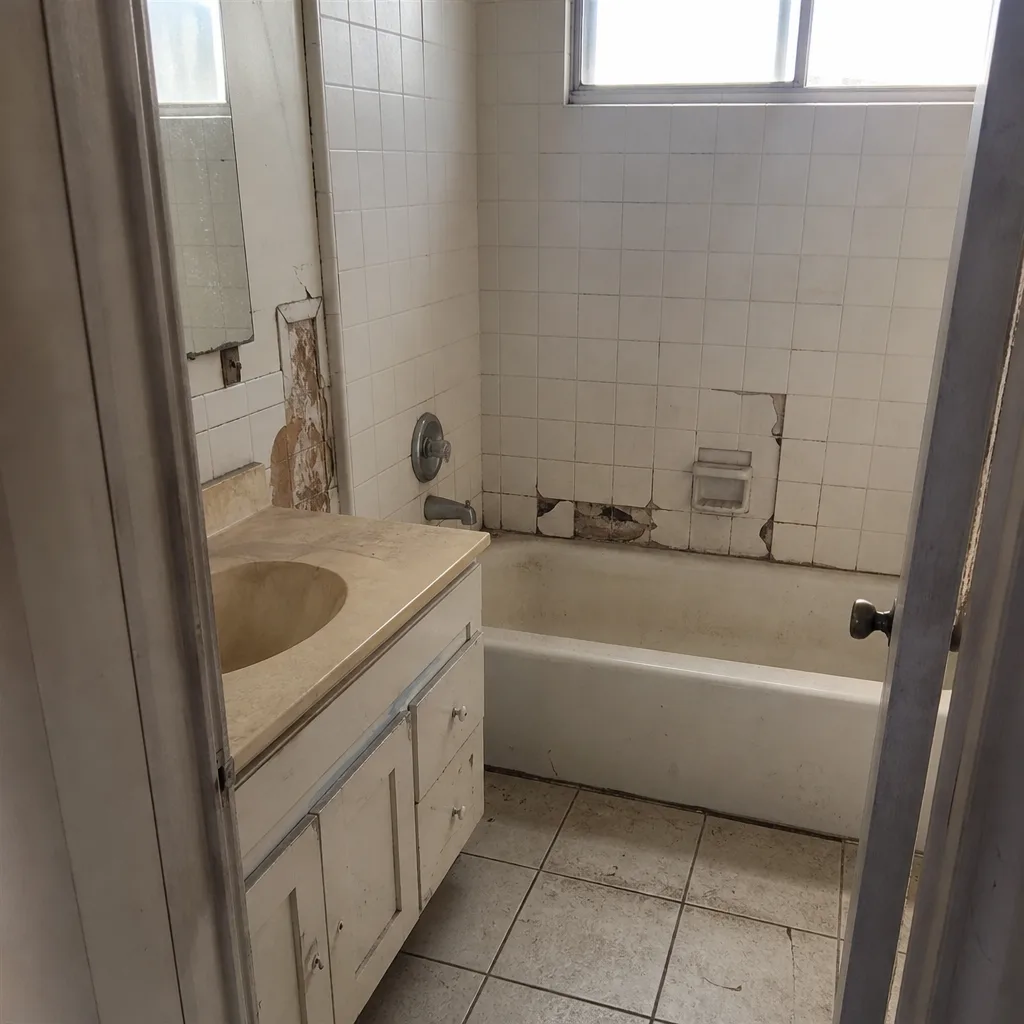
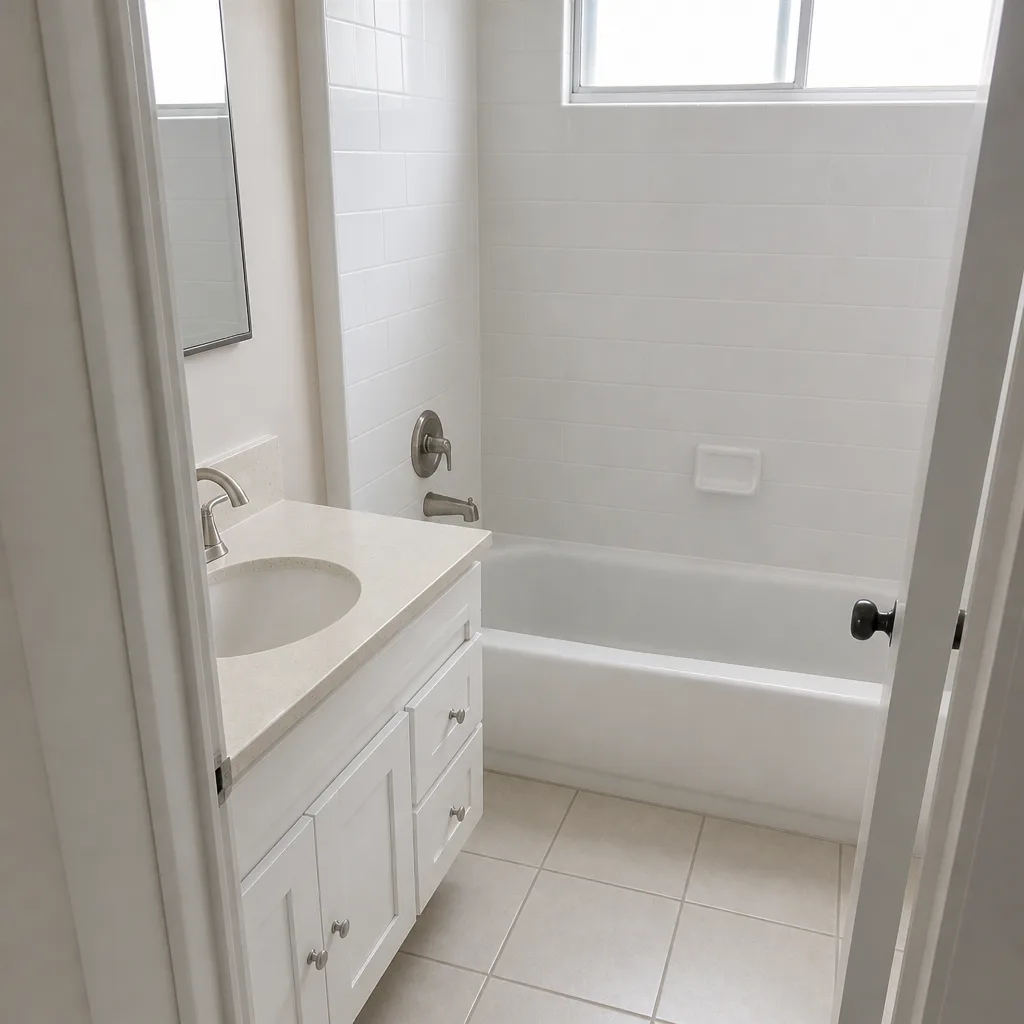
See the difference
 Before
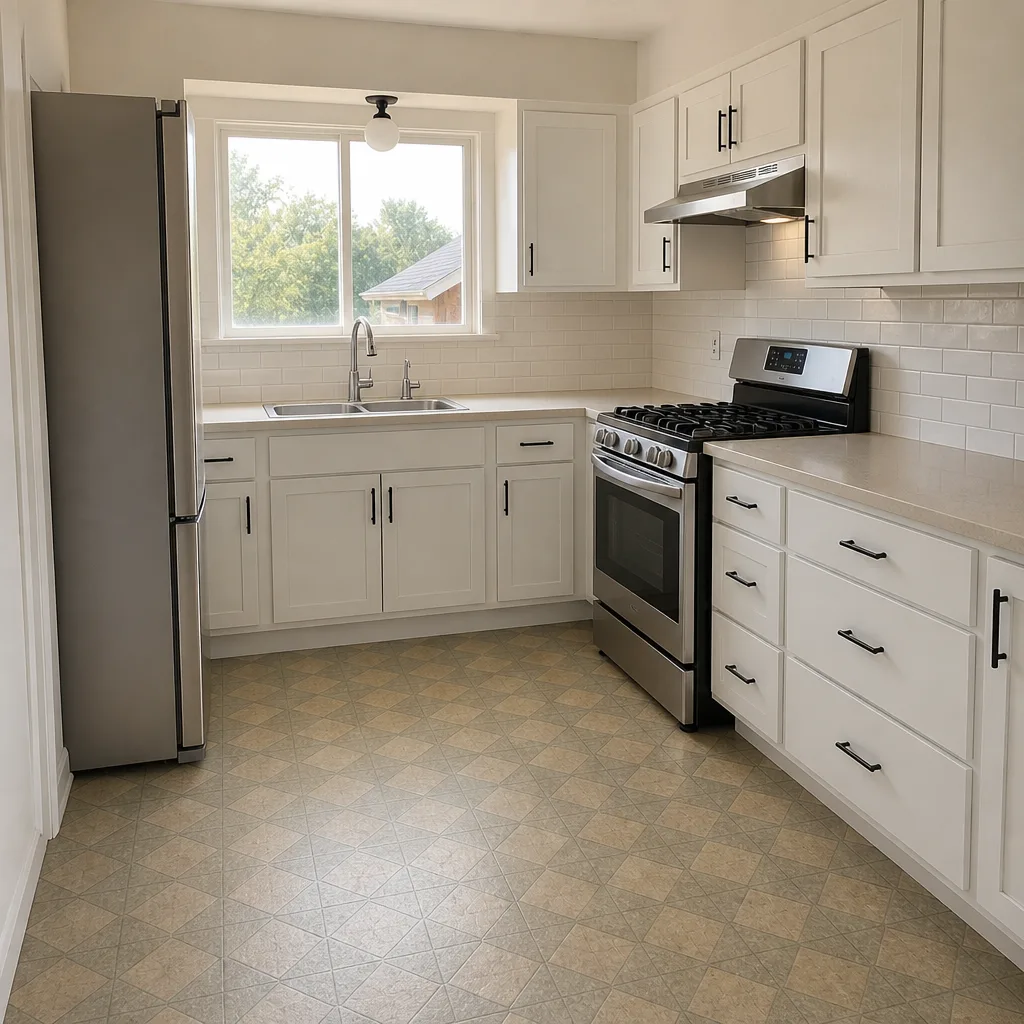 After
 Before
 After
 Before
 After
Common Mistakes to Avoid
- Comparing totals instead of scopes. Two bids can differ by $17,000 and reflect identical work once you normalize exclusions and allowances. Add up the exclusions before you read the bottom line.
- Accepting a verbal price. If it isn’t on the page, it isn’t the price. “Call for a quote” or “we’ll firm it up later” is the single most expensive phrase in remodeling.
- Missing the electrical panel line in older Orange homes. A 1950s bungalow with a 100-amp panel and a kitchen that wants induction, a dishwasher, and a 240-volt dryer can hit the panel limit and force a service upgrade that was never in the bid. Ask each bidder to state the panel capacity in the scope.
- Assuming the permit is included. Orange has areas where a structural change, a new roof, or an ADU absolutely requires a permit. A bid that says “we don’t need one” is a bid that puts the inspection risk on you.
- Underfunding the allowance, then blaming the final invoice. A $1,500 tile allowance won’t buy the material for a 40-square-foot shower. Budget your selections against the allowance before you sign.
- Skipping the written warranty. The warranty is the half of the contract that matters after the crew leaves. The 365-Day Done Right Promise exists because a job isn’t finished until it’s still finished twelve months on.
- Paying the deposit before the paperwork is complete. Scope, schedule, payment plan, warranty, and change-order process all get written down first. No exceptions.
If you want a clean baseline for the exterior scope of a project, our Rowan Construction Group Orange home page lays out the seven trades and the written-price process. Our Driveway & Pavers in Orange guide applies the same cost-anatomy framework to hardscape, where paver brands like Belgard and Techo-Bloc carry published spec sheets you can price against. For exterior curb appeal, Fence Installation in Orange walks through the linear-foot math behind a fence bid, and Home Additions & ADU in Orange covers the design and permit share that drives those totals.
When to Call a Professional
Some of this work you can price yourself. Some of it you absolutely should not touch. Call a licensed professional when the work involves your electrical service panel, a gas line, or any structural change to the load-bearing walls and framing of a house – those carry real safety stakes, and a mistake there isn’t a cosmetic problem. The same goes for anything on a roof above the first story: a fall from a two-story roof is a life-changing injury, and the safety setup alone is worth the professional cost. And call when you’re planning a kitchen, bath, roof, addition, or ADU in Orange – the permit and inspection sequence is exactly the part a homeowner can’t shortcut. Rowan Construction Group Orange offers free estimates in Orange – call (844) 320-7508 to schedule yours, and bring any written bid you already have for a free line-by-line second opinion.
Frequently Asked Questions
Most of the kitchen remodels we quote in Orange fall in the $42,000 to $78,000 range for a mid-size kitchen with semi-custom cabinetry and quartz countertops, depending on the electrical panel capacity and whether the layout moves. A 1920s bungalow with a 100-amp panel typically lands higher than a 2005 build because of the panel and substrate lines. Call (844) 320-7508 for an exact written quote – estimates are free.
Because most bids aren’t for the same project – they’re for different scopes that happen to describe the same room. The gap usually comes down to which allowances are unrealistically low, which hidden lines (disposal, permits, panel upgrades) were left out, and how much overhead and profit the contractor carries. Normalize the scope line by line and the spread usually narrows to the real differences. Bring us any written estimate and we’ll review it at no charge.
Yes. On any scope that requires a permit in Orange – structural changes, electrical service work, roofing, additions, ADUs – the permit is pulled and the inspection is scheduled as part of the project. Permits are written into the bid as a line item, never hidden. Call (844) 320-7508 to walk through what your project needs.
Not without a signed change order. Under Clause 1 of The Haven Standard, the price is written before work begins, and no change proceeds until you’ve signed the change order approving it. If a substrate surprise is discovered mid-project – rot behind a wall, a failed underlayment – you get a written change before the crew touches it. That discipline is why projects finish within a few percent of the agreed number.
It’s on the low-to-mid end of the normal 15% to 25% range. A contractor carrying less than 10% is either subsidizing your job from another one or planning to change-order you when the material bill arrives. Ask for the overhead and profit line in writing if it isn’t there – a bid that hides it hasn’t priced the work, it’s priced a guess.
Every visit includes a documented photo record of what the crew found and what they did, not as an upgrade but as a standard deliverable. The photographs go to you. Beyond that, background-checked uniformed technicians, calls answered by a live person any time, and a written price on every trade before anyone picks up a tool. Call (844) 320-7508 to schedule your free estimate.
The Bottom Line
A construction total is four buckets wearing one coat of paint: labor, material, permit, and overhead and profit. Read every bid by finding those four lines per scope item, then normalize the exclusions and allowances until two bids are actually pricing the same work. In Orange, the variables that most often move a price – panel capacity, substrate condition under old plaster, the pitch and tile condition on a 1920s roof – are all condition findings that a good contractor puts on the page before the work starts. When a bid hands you a lump number and won’t break it down, that’s your answer. Bring the estimate to us for a free line-by-line second opinion. Under The Haven Standard, the price is written before anyone starts.
Written by the team at Rowan Construction Group Orange.