Last updated November 18, 2026
Free written scope consultation - allowances, timeline, and change-order rules on paper before a single trade is scheduled
Choosing the Right Construction Brand: A Buyer’s Guide for Orange
A composite decking brand that sold well in 2010 has since been acquired twice, discontinued its original line, and now routes warranty claims through a successor company that has never manufactured a board. That’s the uncomfortable fact behind brand selection: a manufacturer warranty is only as useful as the manufacturer’s ability to honor it fifteen years later. The contractor relationship ends; the roof, deck, stucco, and driveway stay. This guide evaluates construction material brands on the criteria that matter at year five and year fifteen, not at the sales counter, with notes specific to Orange’s climate and supply chain. You’ll learn a brand evaluation framework, trade-by-trade tiers, how to read a material warranty, and why a $40 folder of receipts is worth $500 – $2,000 at claim time.
Quick Answer
The right construction brand for a home in Orange balances four things: manufacturer longevity, warranty transferability to future buyers, local distributor availability for replacement material, and whether a matching SKU will still exist in ten years. Brands that score well on all four in Southern California include GAF and Owens Corning for roofing, Cambria for quartz countertops, Belgard and Techo-Bloc for pavers, and Trex and Fiberon for decking. The brand matters less than the documentation you keep on it: spec sheets, batch numbers, and receipts turn a vague complaint into a claim that gets paid.
Styles & brands we work with
- Kitchen remodeling
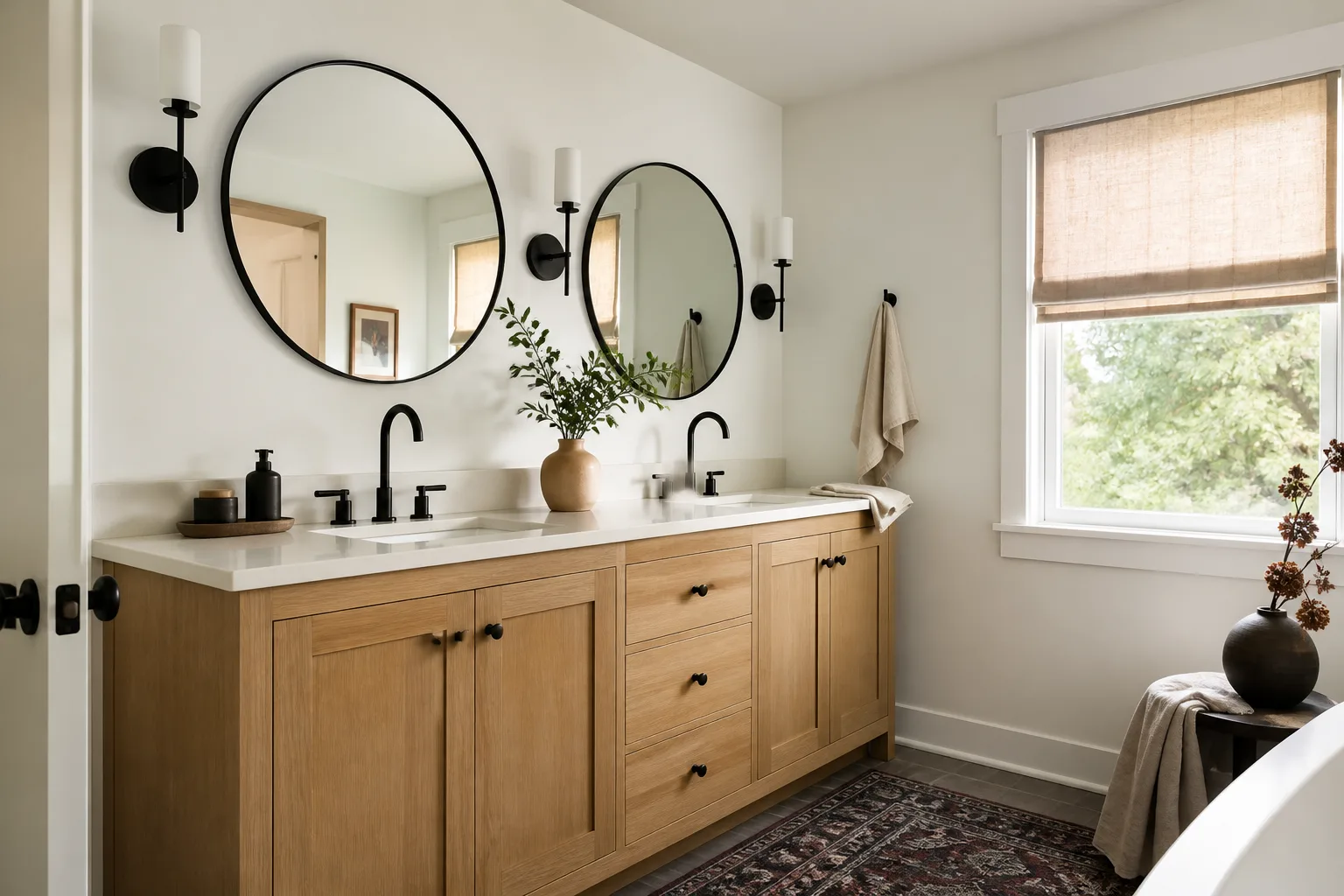
- Bathroom remodeling
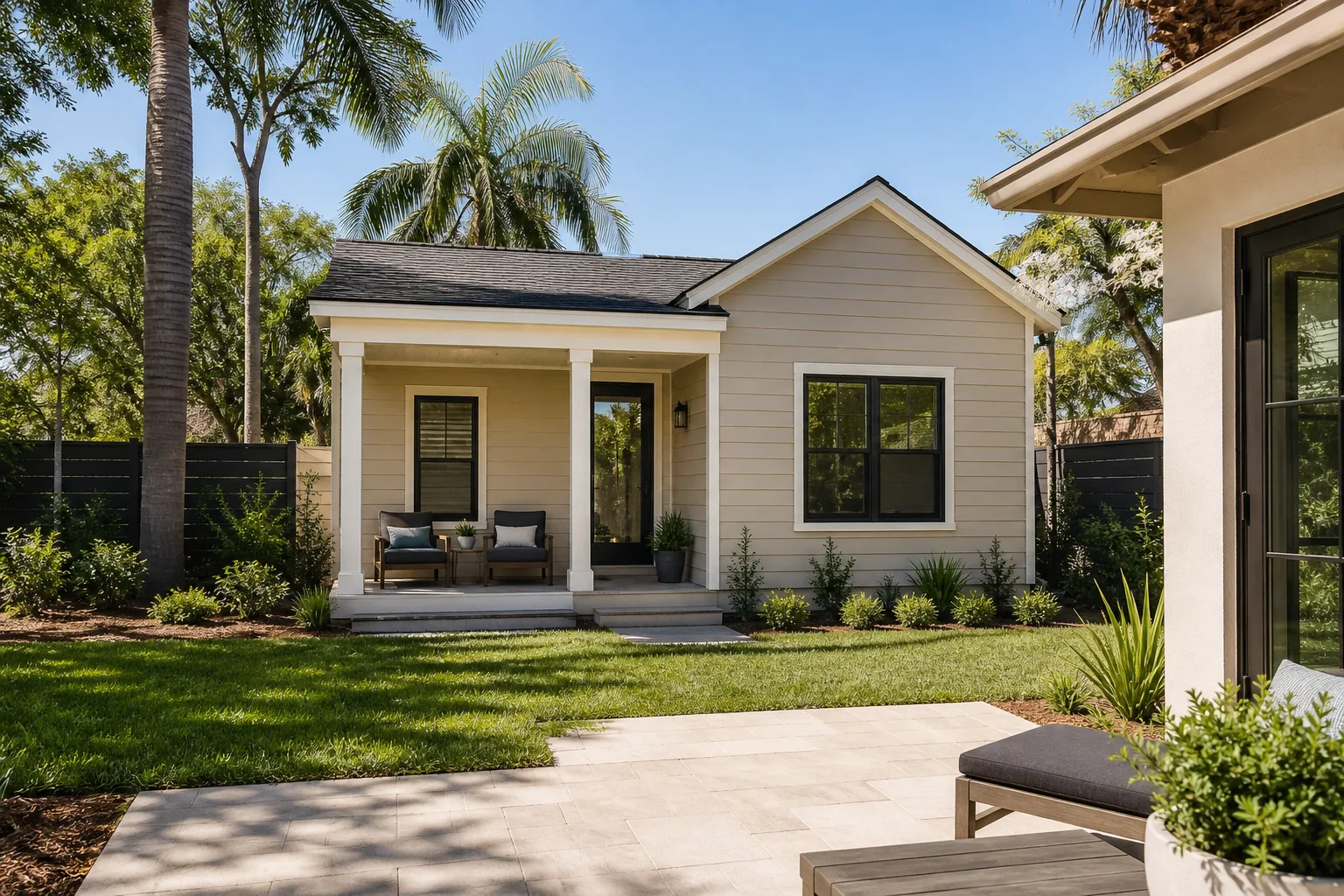
- Home additions & ADU
- Roofing
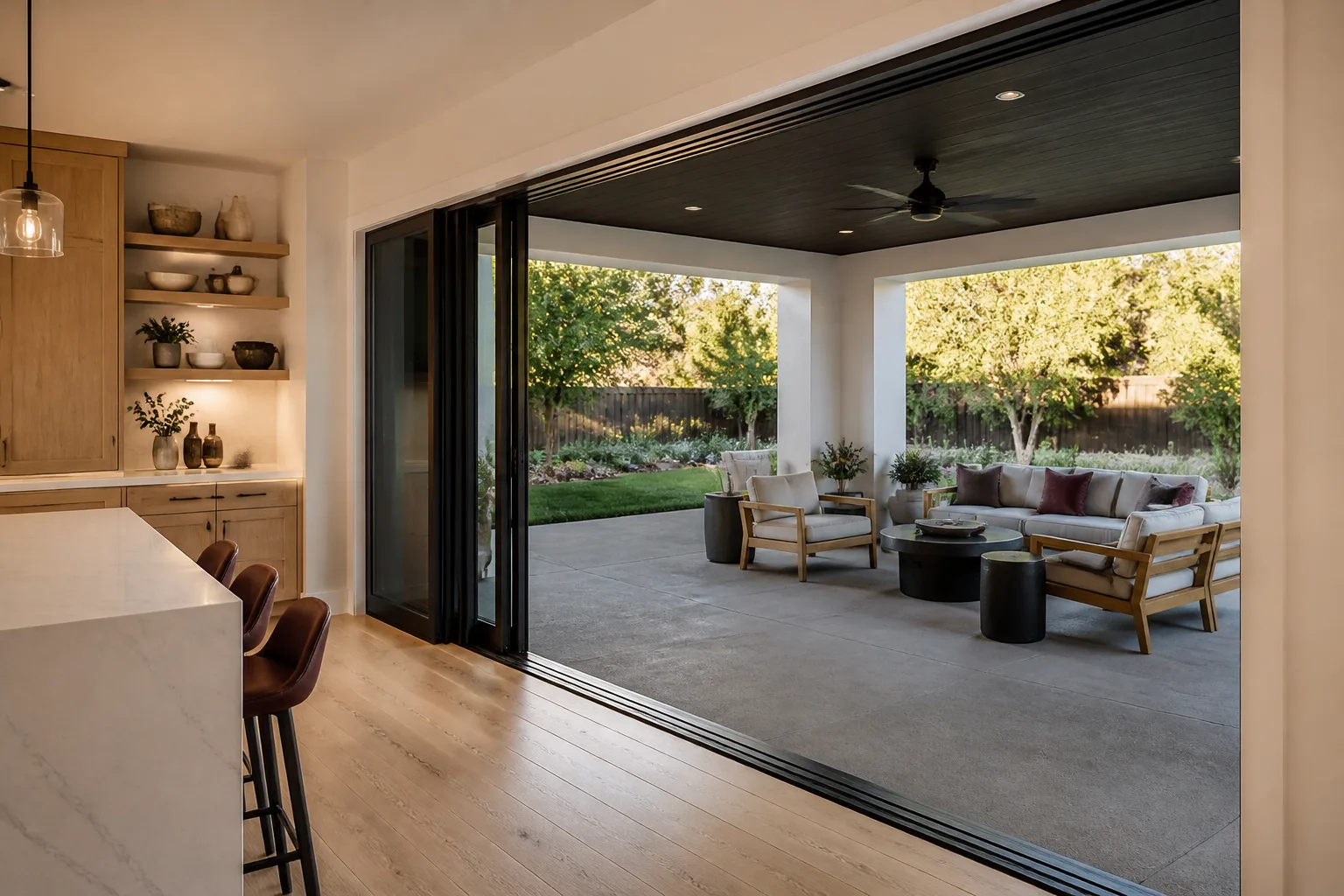
- Windows & doors
- Driveway & pavers
- Fence
Table of Contents
- The four-criteria brand evaluation framework
- Roofing brands for Orange’s sun and Santa Ana winds
- Concrete and paver brands rated on UV and thermal performance
- Stucco systems and why the brand behind the coat matters
- Decking brands and the composite market shakeout
- How to read a material warranty (prorated vs. full replacement)
- Local availability as a selection criterion
- Documentation practice worth $500 – $2,000 at claim time
The Four-Criteria Brand Evaluation Framework
Most brand comparisons online rank products by price and appearance. Those two criteria stop mattering the moment the product is installed. The criteria that hold up are structural, and you can check every one of them before signing a quote in Orange.
- Manufacturer longevity. Is the company still making this product line, and has the line been in production for at least seven years? A product introduced eighteen months ago has no track record on a Southern California roof or deck.
- Warranty transferability. Does the warranty pass to a future buyer of the home, and is that transfer free or does it cost a fee? A non-transferable warranty is worth zero the day you sell.
- Local distributor depth. Can your contractor source replacement material in Orange County without a special order? This matters most after storm damage, when lead time is measured against a blue tarp.
- SKU continuity. Is the specific product, color, and profile still in production? A discontinued color means a repair patch that doesn’t match, even when the brand itself is healthy.
We’ve seen all four fail on the same job: a homeowner in Orange chose a discontinued composite decking color because it was discounted, the manufacturer exited the category two years later, and a repair after wind damage required replacing the entire deck surface to achieve a color match. The discount was real. So was the $6,000 repair that followed.
Roofing Brands for Orange’s Sun and Santa Ana Winds
Orange sits in a climate that punishes roofing in two specific ways: sustained UV exposure that breaks down asphalt binders faster than the national average, and Santa Ana wind events that test shingle sealing and edge fastening. A roof that performs in Portland does not automatically perform in Orange.
Two brands dominate the residential asphalt shingle market for good reason. GAF and Owens Corning both offer architectural shingles in the 110 – 130 mph wind rating range, both run certified contractor programs, and both maintain distributor networks across Orange County that stock replacement bundles. That last point is the one homeowners skip. When you need twelve shingles after a wind event, the brand your roofer can buy from a local distributor on a Tuesday morning is worth more than the brand with the prettier brochure.
- GAF Timberline HDZ – architectural shingle with a layered, high-profile look and a proprietary sealing strip; widely stocked in Orange County.
- Owens Corning Duration – known for SureNail technology (a fabric strip across the nailing zone), which reduces fastener pull-through in high-wind conditions.
- Tile underlayment brands – for the many tile roofs in Orange, the underlayment brand matters more than the tile: most tile failures trace to underlayment and flashing, not the tile itself.
The brand on the shingle matters. The installation details matter more: ice-and-water shield at valleys and eaves, correct nail placement, and a written scope that specifies the product line and not just the manufacturer. Our roofing through Rowan Construction Group Orange home work is quoted with the product name, the profile, and the shingle layer count written into the scope, because “30-year shingle” is not a brand, it’s a marketing phrase.
Concrete and Paver Brands Rated on UV and Thermal Performance
Pavers in Orange face a specific thermal load: a west-facing driveway can hit surface temperatures hot enough to warp low-grade plastics and fade entry-level colorants within a few summers. The difference between a good paver and a cheap one shows up as color loss and surface chalking, not as cracks.
Belgard and Techo-Bloc both engineer for UV-stable colorants and both maintain distributor relationships across Orange County. Belgard’s product line is deep enough that a replacement paver for a five-year-old installation is usually a phone call, not a factory order. Techo-Bloc’s surface finishes hold color well in high-sun conditions, but some of its premium lines are special-order in Orange, which matters if you’re buying for a repair and not a new install.
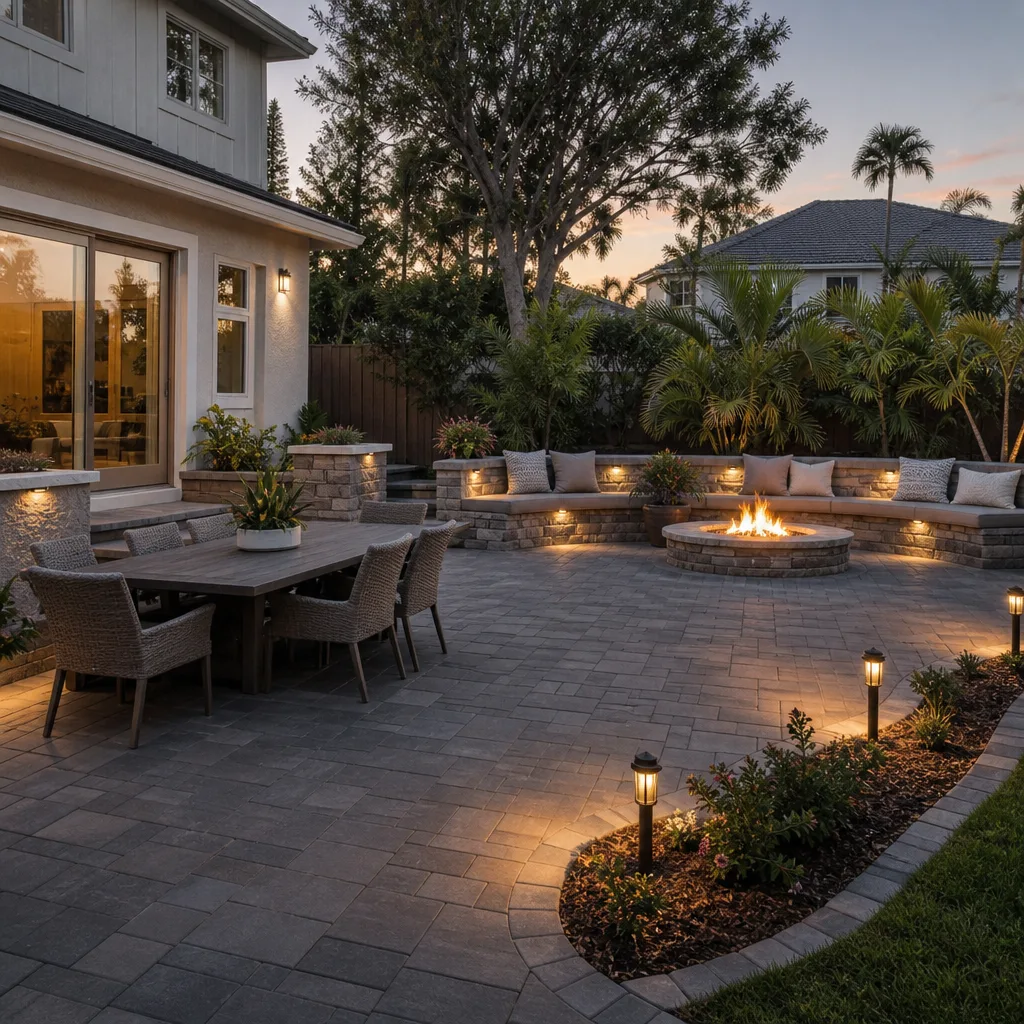
Hardscape failures in Orange tend to be base failures, not paver failures. A paver sitting on 4 inches of compacted base and proper edge restraint will outlast a premium paver installed on an inch of sand. If a quote names the paver brand and stops there, ask what’s underneath it. Our Driveway & Pavers in Orange work specifies the base depth, compaction method, and edge restraint brand in the written scope for exactly this reason.
Stucco Systems and Why the Brand Behind the Coat Matters
Stucco is the dominant exterior finish on Orange’s older housing stock, and its brand-level decision is invisible to most buyers: the finish coat gets all the attention, the weather-resistive barrier and metal lath underneath it get none. Failure traces to the layers below.
Three-component stucco systems (base coat, brown coat, finish coat) from established manufacturers are formulated to work with specific lath and accessories. Mixing a premium finish coat onto a cheap WRB and uncoated lath leads to the two most common stucco problems in Orange: cracking along control joints and efflorescence on north-facing walls from trapped moisture.
- Check the WRB brand on the spec sheet – a housewrap with a published perm rating performs differently than a housewrap without one.
- Confirm the lath is galvanized; ungalvanized lath rusts and bleeds through the coat on coastal-moderate climates like Orange’s.
- Ask for the finish coat manufacturer and whether the applicator is certified for that brand; warranty coverage often depends on certified application.
The certification point is the one homeowners miss. Many finish coat warranties are voided entirely if the applicator isn’t certified for that product line. That clause moves the brand decision from “which finish looks nicest” to “which finish can my contractor apply under warranty.”
Decking Brands and the Composite Market Shakeout
Composite decking is the category that makes the warranty question concrete. Several brands that were active and well-advertised in 2010 have since been acquired, restructured, or exited the residential decking market altogether. When a warranty claim lands with a successor company that doesn’t make the product, the claim often gets settled or denied at the successor’s discretion.
Two brands have stayed in continuous production long enough to have a track record:
- Trex – the largest composite decking manufacturer, with a product line in continuous production for decades; warranty claims are backed by an established entity with a published claims process.
- Fiberon – a long-established composite and PVC decking brand with consistent product line continuity and a strong Orange County distributor footprint.
- PVC decking lines – worth considering for west-facing decks in Orange where thermal performance is the primary concern; PVC doesn’t absorb moisture, but it moves more with temperature than composite.
The practical test before you buy a decking brand: call the manufacturer’s warranty line and ask how many claims were paid in the last five years. If the answer involves a handoff to a parent company you can’t identify, that’s your answer.
How to Read a Material Warranty (Prorated vs. Full Replacement)
The word “warranty” covers a wide range of promises, and the difference between them is worth thousands of dollars at claim time. Here’s the breakdown we walk homeowners through in Orange.
- Prorated warranty. The manufacturer pays a percentage of material cost that declines each year. A 30-year prorated warranty that’s 80% depreciated at year ten pays you 20% of material cost on a claim, which on a $9,000 roof is $1,800.
- Full replacement warranty. The manufacturer replaces the defective material at no cost, regardless of age, for the warranty term. This is the one to look for on roofing and synthetic underlayment.
- Labor coverage. Most material warranties cover material only. Confirm whether the install warranty (labor) and the material warranty (product) are issued separately, and by whom.
- Certified applicator clause. Many brands void coverage entirely if the installer isn’t certified for that product line. The clause is often buried in the “exclusions” section.
- Exclusions that end claims. Improper installation, damage from improper maintenance, post-install modifications, and acts of nature (which is often defined broadly enough to include wind above a certain speed) are the four exclusions that eliminate most real-world claims.
Ask for the written warranty for the specific product being installed before work begins. Under our Haven Standard, the written warranty is part of the quote package, not a document that arrives after the crew leaves.
Local Availability as a Selection Criterion
Brand selection in Orange has a supply-chain dimension most buyers ignore until it’s too late. Two brands with identical performance specs can differ by three weeks on replacement lead time in Orange County.
Before you sign a quote, ask your contractor three questions:
- Is this product stocked by a distributor in Orange County? Stock means days; special order means weeks.
- If I need replacement material in two years, where would you source it? The answer should name a distributor, not “we’ll figure it out.”
- Does this manufacturer maintain a local certified-applicator program? Local certification means a fast warranty claim; national-only certification means a phone tree.
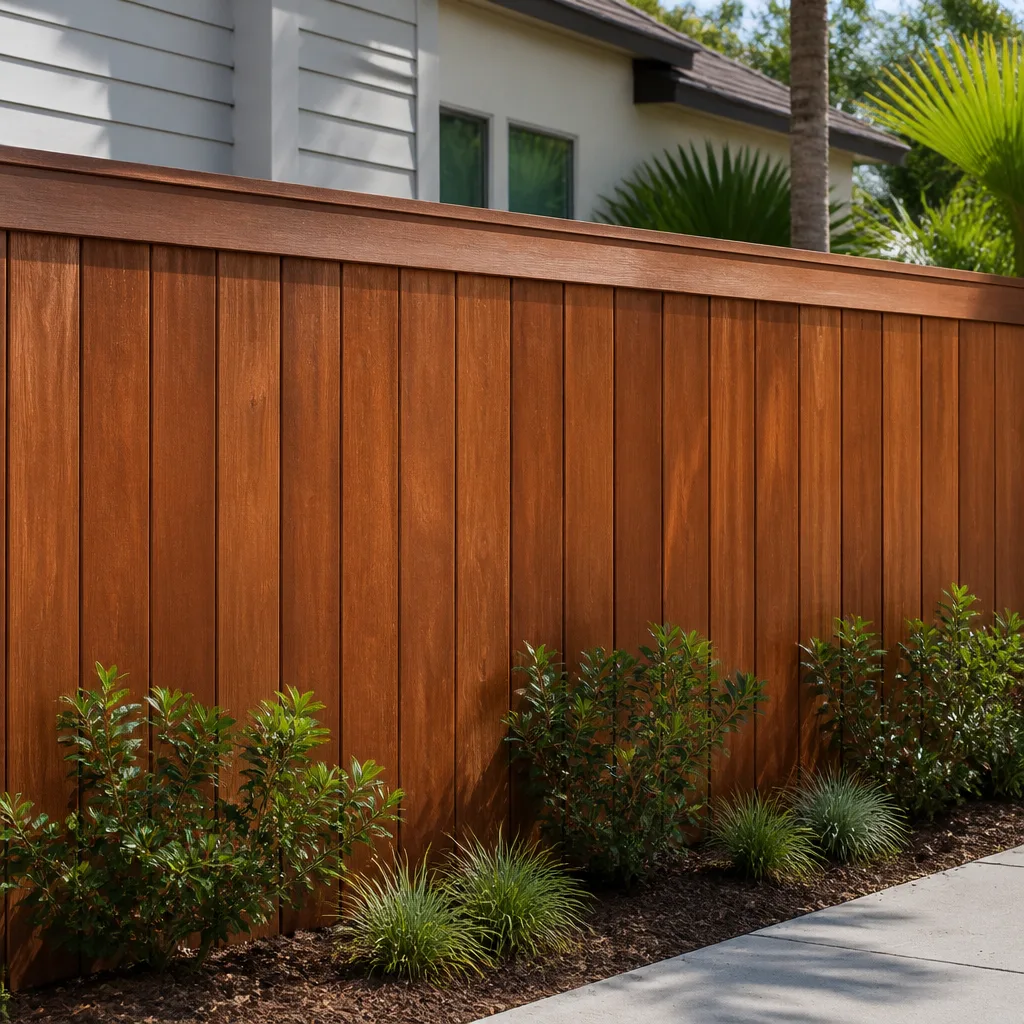
Lead time matters most in the scenario nobody plans for: storm damage in Orange after a Santa Ana wind event. Roofing and fence materials that are locally stocked get replaced in days; special-order materials get replaced once the factory ships. This shapes the brand recommendation for Fence Installation in Orange and for any repair-oriented work where the homeowner needs the material to exist now, not eventually.
Documentation Practice Worth $500 – $2,000 at Claim Time
The difference between a warranty claim that gets paid and one that gets argued is usually paperwork. Keep a home file with the following for every material purchase and installation.
- Spec sheets for every product installed – the exact model, profile, and color code.
- Batch numbers when available, especially for pavers, decking, and tile. A batch number lets the manufacturer match replacement material to the original run.
- Purchase receipts and invoices dated and itemized, naming the product and quantity.
- The written warranty for the specific product, including the exclusions page.
- Installer documentation – the contractor’s certification for the product line, if the warranty has a certified-applicator clause.
When a claim or repair match comes up, that file is the difference between a paid claim and a homeowner eating the cost. In our experience, the paperwork gap alone is worth $500 – $2,000 on a real claim, and more on a matched-material repair where a discontinued SKU forces a partial replacement. Every project we quote includes a documented photo record on every visit, which doubles as the installer record if a claim comes up later. Home additions work through Home Additions & ADU in Orange includes the same record, since ADU enclosures and rooflines are a common spot for material claims five or ten years on.
Common Mistakes to Avoid
- Choosing on price and appearance alone. Both criteria stop mattering the moment the product is installed. The brand’s longevity, warranty transferability, and local distributor depth are the criteria that hold at year five and year fifteen.
- Accepting a non-transferable warranty. In a market where homes in Orange trade frequently, a warranty that doesn’t transfer to the next owner is worth zero at the point you need to sell.
- Buying a discontinued color at a discount. The discount is real, and so is the cost of a future repair that can’t match. We’ve seen this on composite decking and pavers more times than we can count.
- Ignoring the certified-applicator clause. Many brands void coverage entirely if the contractor isn’t certified for that product line. Ask before you buy, not after.
- No documentation file. Spec sheets, batch numbers, and receipts are worth real money at claim time; the absence of them turns a warranty into a debate.
- Special-order materials for repair-oriented work. Storm damage doesn’t wait for a factory ship. Locally stocked brands are the right call for anything that might need repair before it needs replacing.
- Reading only the product line and not the install details. A premium shingle on a poorly prepped roof strands the warranty on the installer’s labor. Both product and installation belong in the written scope.
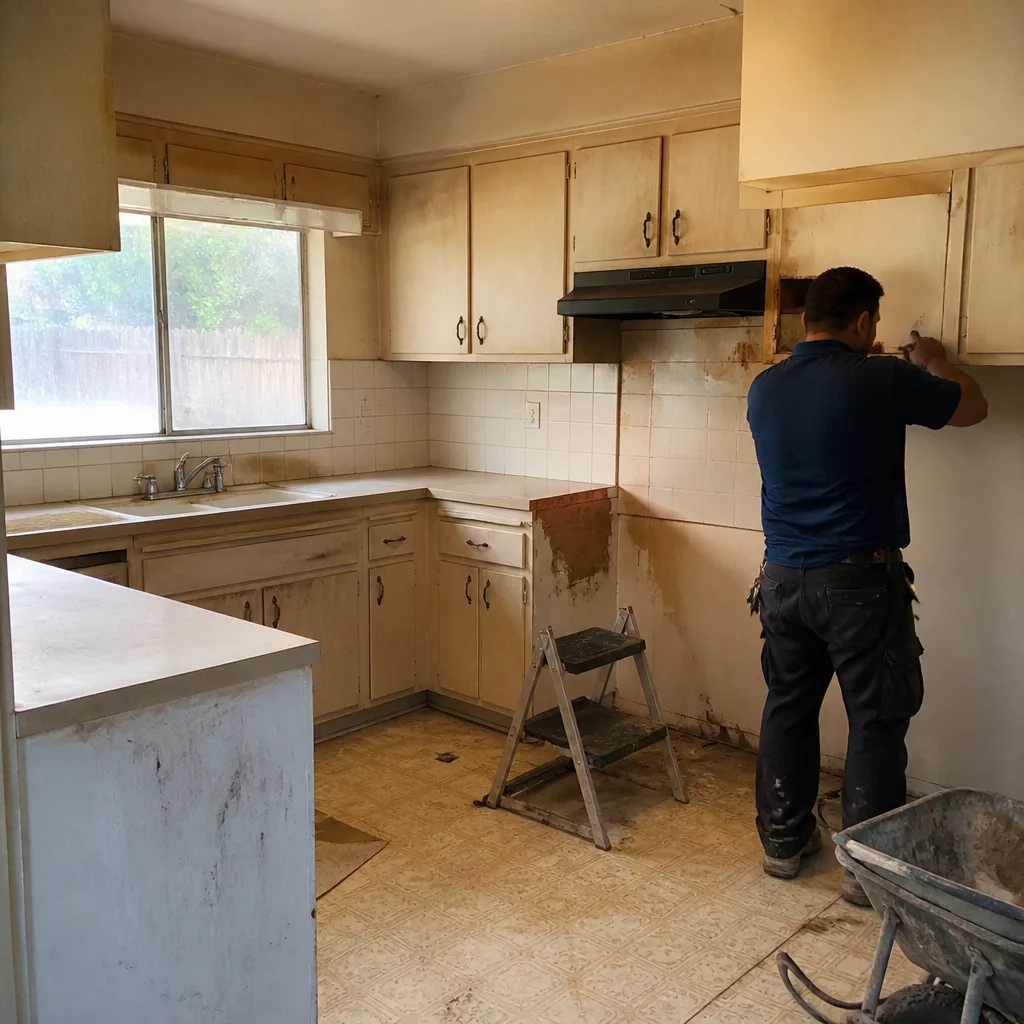
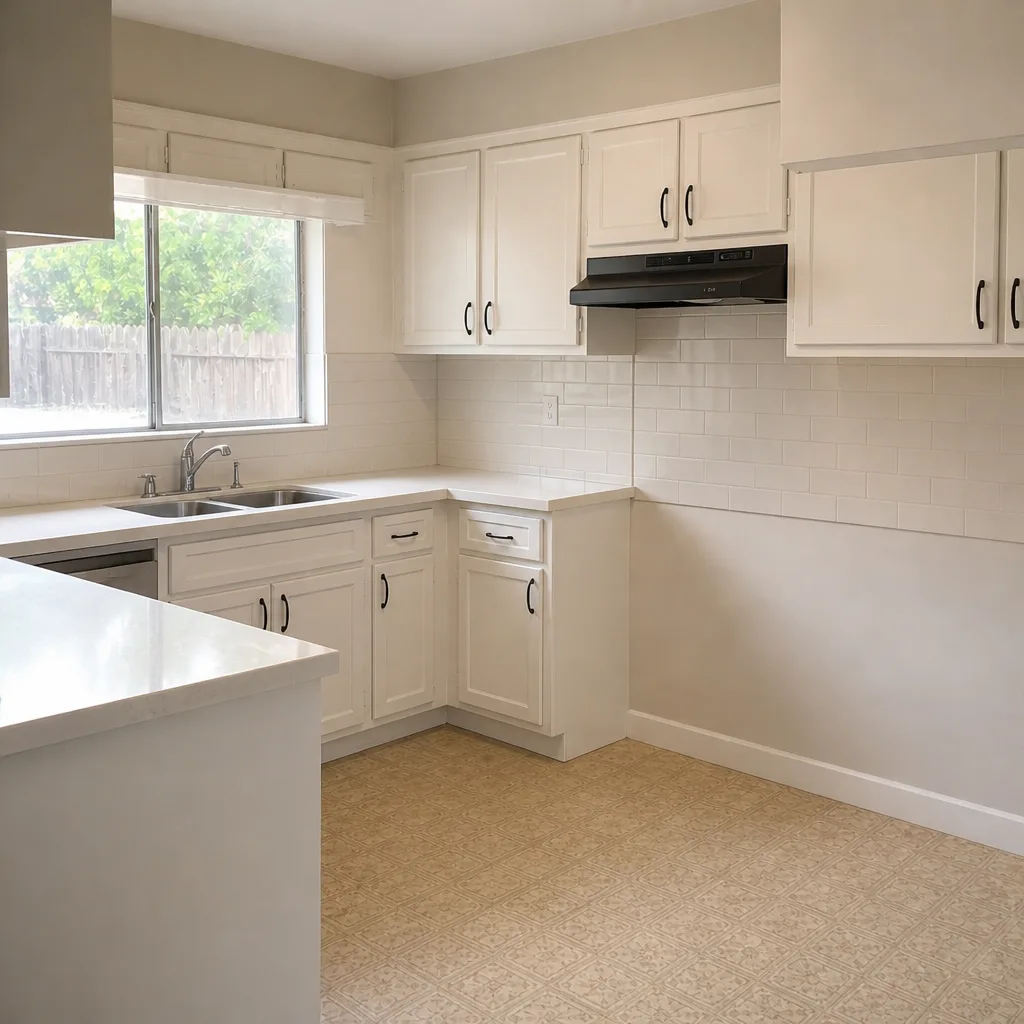
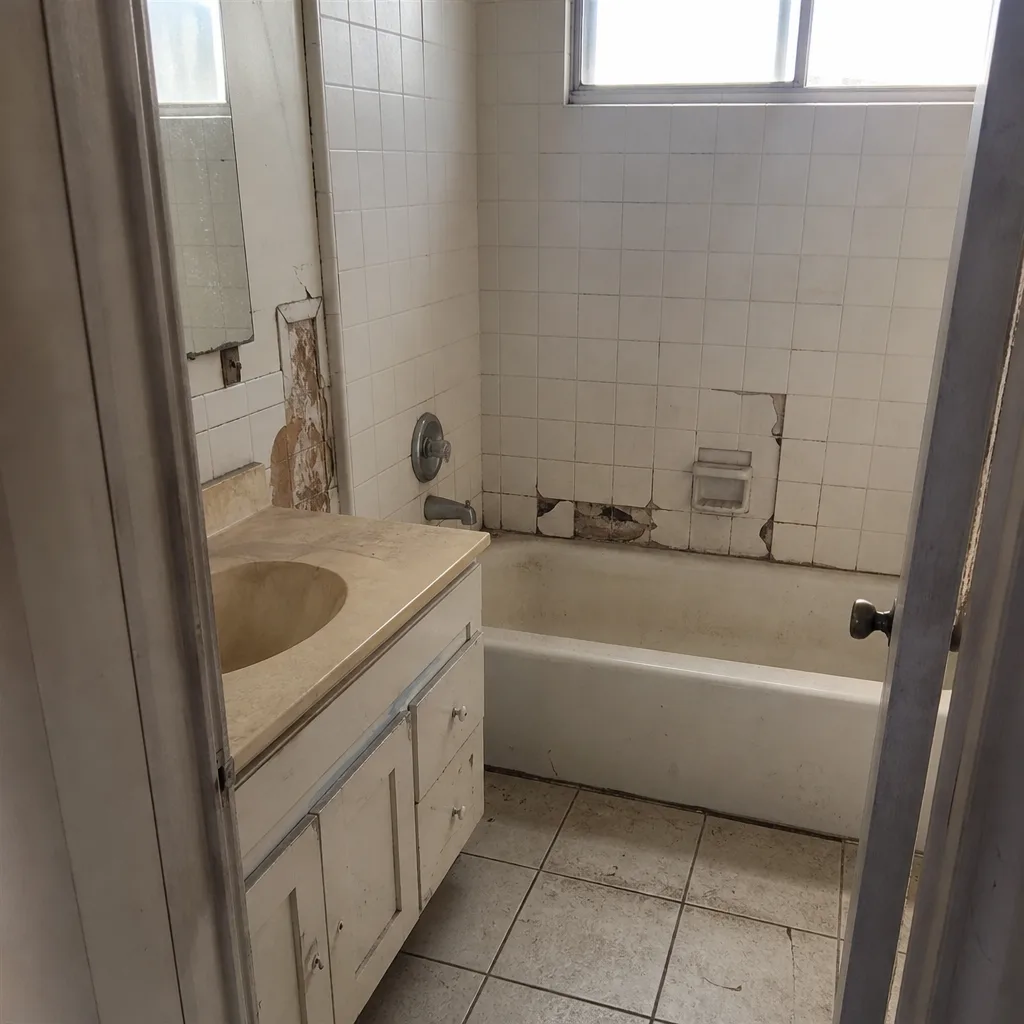
See the difference
 Before
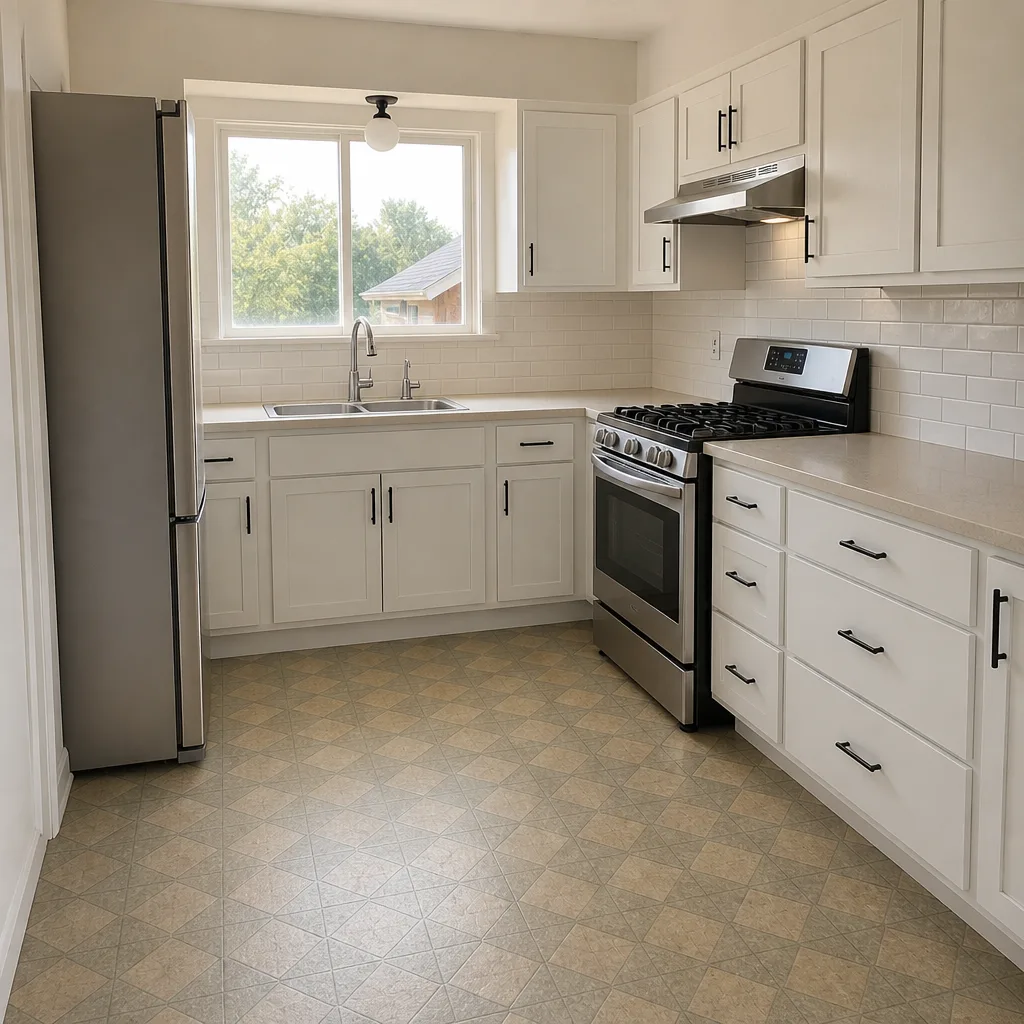 After
 Before
 After
 Before
 After
When to Call a Professional
Brand selection isn’t a solo decision. A roofer, hardscape installer, or stucco contractor doing this work every day in Orange knows which material lines have their distributors within a thirty-minute drive and which have a lead time measured in weeks. They know which brands clear warranty claims and which route them through a parent company nobody can name. And they know the installation detail that voids a warranty before the first day of work.
Rowan Construction Group Orange offers free estimates in Orange – call (844) 320-7508. Every quote names the product line, profile, color, and warranty in writing before work begins, and no change proceeds without a signed change order. If you’ve already got a competitor’s written estimate in hand, ask for the free second opinion; we’ll review it line by line at no charge.
Frequently Asked Questions
For Orange’s climate, the strongest-performing brands across the trades most homeowners face are GAF and Owens Corning for roofing, Belgard and Techo-Bloc for pavers, Trex and Fiberon for decking, and Cambria for quartz countertops. Each has continuous production history, transferable warranties, and local Orange County distributor depth. The brand matters less than matching it to your specific install; call (844) 320-7508 for a free estimate that names the exact product line.
The three tests are prorated vs. full replacement coverage, whether the warranty transfers to a future buyer, and whether a certified-applicator clause is in the fine print. A full replacement warranty that transfers and has no certified-applicator clause is the strongest. Read the exclusions page before signing; if the contractor can’t produce the specific product warranty, ask why.
Local availability determines how fast you can replace material after storm damage. A brand stocked by an Orange County distributor gets replaced in days; a special-order brand takes weeks. For repair-oriented work in Orange, that lead-time difference often outweighs a marginal performance edge. Ask your contractor to name the local distributor for any brand they recommend.
Keep the spec sheet, batch number (when available), purchase receipt, the written warranty including exclusions, and the contractor’s certification for that product line. These together are worth $500 – $2,000 at the point of a warranty claim or a repair match. Store them in one home file, dated by project.
It depends on whether the manufacturer is still the same entity. Several brands active in 2010 have since been acquired, restructured, or exited the residential decking market. The successor company honors claims at its discretion. Before buying a decking brand in Orange, ask the manufacturer’s warranty line how many claims it paid in the last five years.
Not on our work. Rowan’s quotes are flat written prices with written scope before work starts, and no change proceeds without a signed change order. That discipline has kept our projects within a few percent of agreed cost across 4,000-plus jobs since 2007. Call (844) 320-7508 for a free estimate that puts the number in writing.
The Bottom Line
Brand selection is the decision that outlasts the contractor relationship, so evaluate it on the criteria that hold at year five and year fifteen: manufacturer longevity, warranty transferability, local distributor depth, and SKU continuity. Buy brands with continuous production history, price the warranty alongside the product, and keep the paperwork that turns a vague complaint into a paid claim. The right brand for your Orange home is the one that will still be in production and still honor a claim when you need it, not the one that looks best at the sales counter.
Written by the team at Rowan Construction Group Orange.