Last updated November 18, 2026
Free written scope consultation - allowances, timeline, and change-order rules on paper before a single trade is scheduled
The Complete Fence Installation Guide for Orange Homeowners
Orange’s residential zoning code limits front-yard fences to 42 inches without a variance. That single line invalidates roughly one in four fence quotes written for Orange homeowners, because most people ask for a standard 6-foot front fence without knowing the restriction exists. Add HOA design rules and California’s shared-cost fence law, and you have three regulatory layers that decide your project before the first post goes in the ground. This guide walks through every one of them, plus current Orange County pricing, footing requirements, and the documentation that keeps a fence out of dispute court.
Quick Answer
Fence installation in Orange typically costs $28 to $65 per linear foot installed depending on material, with vinyl and pressure-treated pine at the low end and block wall at the high end. Before you sign anything, confirm three things: the maximum height your zoning district allows for that yard position, whether your HOA requires a design submittal, and whether California Civil Code 841 makes your neighbor responsible for half the shared fence cost. Getting those three right is cheaper than the permit violation or neighbor dispute that follows getting them wrong.
Styles & brands we work with
- Kitchen remodeling
- Bathroom remodeling
- Home additions & ADU
- Roofing
- Windows & doors
- Driveway & pavers
- Fence
Table of Contents
- City of Orange Fence Height Limits by Yard Position
- The Variance Application Process and What It Costs
- California Civil Code 841: The Good Neighbor Fence Law in Plain Language
- Material Comparison with Current Orange County Pricing
- Post Footing Depth for Orange’s Soil and Wind Exposure
- HOA Approval Documentation Checklist
- Common Mistakes to Avoid
- Frequently Asked Questions
City of Orange Fence Height Limits by Yard Position
Orange’s residential zoning treats fences differently depending on which yard they sit in. Front-yard fences – anything forward of the front building wall – are capped at 42 inches without a variance. That is lower than most Southern California cities, and it catches homeowners who assumed 6 feet everywhere. Side and rear yard fences are generally allowed up to 6 feet, with some rear situations permitting 7 feet where a block wall abuts an alley.
The practical effect in neighborhoods like Old Towne, where lots sit close to the sidewalk and front porches face the street, is that a privacy fence often can’t go where the homeowner wants it. In the Floral Park and Palm Heights areas, lots are wider and rear-yard fences do most of the work, so the 6-foot rule covers the majority of projects. If you’re in the newer tracts off Chapman Avenue near the Santiago Creek corridor, check whether your lot has an approved wall fence monumentation – that documentation affects what you’re allowed to replace.
- Front yard (forward of front wall): 42 inches maximum, no variance required
- Side yard (corner lots): 42 inches within the visible side setback from the street
- Side yard (interior lots): 6 feet standard
- Rear yard: 6 feet standard, 7 feet permitted in some alley-adjacent zones
- Corner lot sight triangles: height reduced near driveway and intersection corners
Height is measured from the finished grade on the higher side of the fence line. If you’re building on a slope – common in Orange’s hillside edges near the Orange Park Acres boundary – that measurement matters, and an in-line fence can end up taller than expected on the downhill neighbor’s side. Measure both directions before you order material. When we review an estimate for Orange homeowners, the height callout is the first line we check, because a 6-foot front fence quote is a quote for a permit violation.
The Variance Application Process and What It Costs
If you genuinely need a front-yard fence above 42 inches, the City of Orange offers a variance path. It is not quick and it is not guaranteed. The process runs through the Planning Division and typically requires a site plan, elevation drawings showing fence height and design, a justification letter explaining the hardship that requires the variance, and notice to adjacent property owners. Neighbors get the chance to comment, and the decision can be appealed.
Filing fees for a residential fence variance in Orange generally run $300 to $600, not counting the cost of drawings if you hire someone to prepare them. Add six to twelve weeks of review time in a typical cycle. In our experience, most Orange homeowners who start the variance route end up either accepting the 42-inch limit or moving the fence line farther back rather than waiting out a review.
- Confirm your zoning district. The height limit and variance criteria vary slightly between R-1, R-2 and the older single-family designations.
- Prepare a site plan. Show the property lines, the fence line, the setback dimensions and the proposed height.
- Write the hardship statement. Traffic visibility, slope, or a documented privacy condition are the arguments that get traction.
- File and pay. Submit to the Planning Division with the fee and supporting drawings.
- Neighbor noticing. Adjacent owners receive notice and can submit comments during the review window.
- Decision and appeal window. Approval, conditional approval, or denial – and if denied, you have a limited window to appeal.
There’s a cheaper answer most Orange homeowners don’t consider first: put the 6-foot fence where the code allows it, and use landscape screening – a hedge, a trellis, arborvitae – to close the 42-inch gap at the front. It gets you the privacy without the variance file.
California Civil Code 841: The Good Neighbor Fence Law in Plain Language
California Civil Code 841 says that when a fence sits on or near a shared property line and benefits both properties, the adjacent owners share the cost of reasonable repair or replacement. Not new construction from nothing – repair or replacement of an existing shared fence. If your neighbor’s side of a shared fence has deteriorated to the point it no longer serves its purpose, the law gives you a path to a 50/50 split.
The law is not self-enforcing. It requires written notice. Under Civil Code 841, you must send the neighbor a written notice that describes the fence condition, the proposed work, and the estimated cost, giving them at least 30 days to respond in writing. If they agree, you split the cost. If they refuse, you can still proceed – but you’ve now created a documented record that supports a small claims action for their half. The paper trail is the whole ballgame.
- Document the condition first. Photographs of the failing posts, rot, lean or broken pickets, dated and showing the property line.
- Write the notice. Describe the proposed replacement, the material and the estimate, and state that the cost is being split per Civil Code 841.
- Deliver it. Certified mail with return receipt, or hand delivery with a witness signature. Keep the receipt.
- Wait the 30-day window. Their written response – agreement or refusal – is what carries weight later.
- Proceed with proof. If they refuse, the receipt, the photographs and the estimate become the evidence in small claims court.
Two things trip people up. First, Civil Code 841 does not require a neighbor to pay for a fence upgrade – if you want cedar when the shared fence was pine, they only owe their share of a reasonable replacement in kind. Second, it does not apply to a fence entirely on your own property. If the fence sits two feet inside your line, the whole thing is yours, and the neighbor owes nothing. Confirm with a survey before you build the case. When we quote a replacement fence in Orange, we ask for the survey line first, because the cost-split question hinges entirely on it.
Material Comparison with Current Orange County Pricing
Fence pricing in Orange County lands in a wide range, and the spread is driven by material, height, footing conditions and gate count. These are installed prices – material, labor, footings, gate hardware, cleanup – for a standard 6-foot fence in Orange as of 2024. Expect the low end on straight runs with good access and the high end on hillside lots, tight side yards, or where old concrete footings need breaking out.
- Pressure-treated pine, dog-eared, 6 ft installed: $28 – $38 per linear foot. The workhorse material. In Orange’s dry summers and occasional winter rain, a pine fence will last 10 – 15 years with a stain cycle every 3 – 4 years.
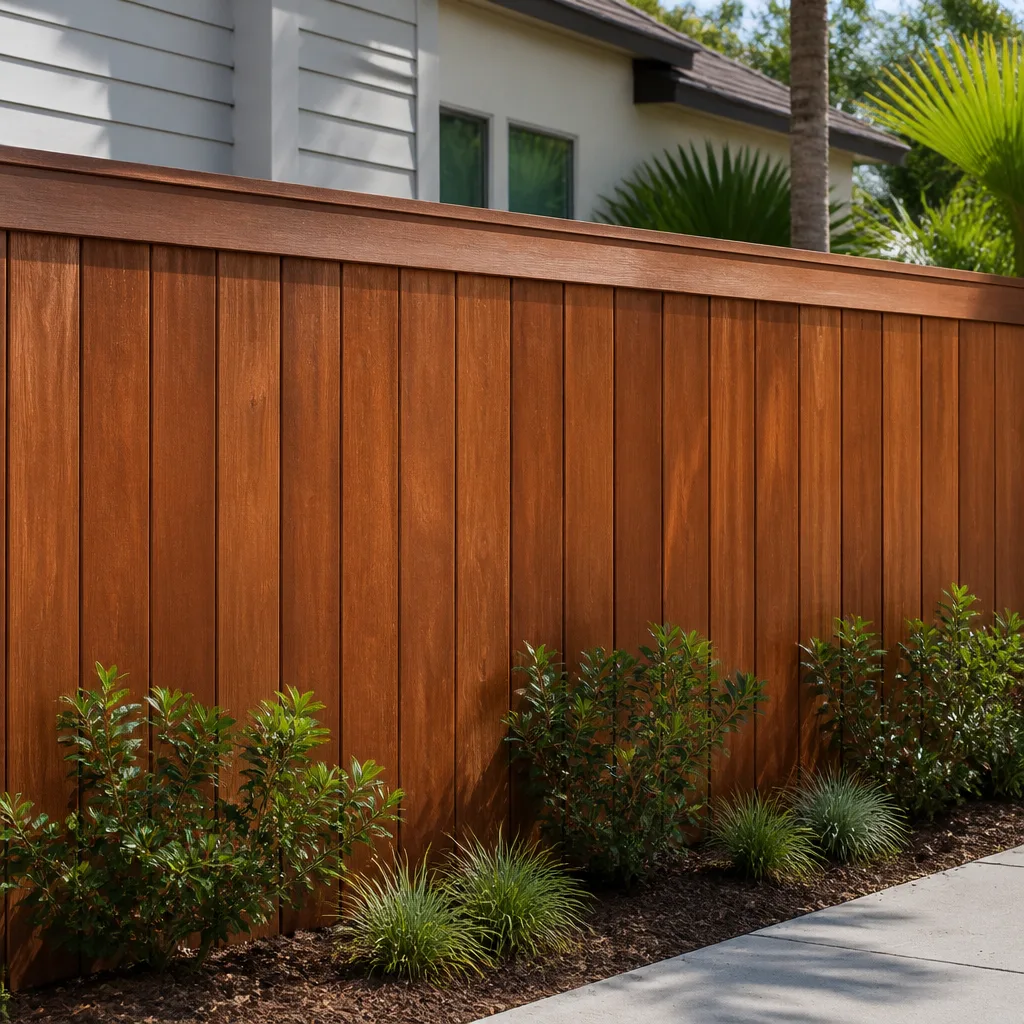
- Western red cedar, 6 ft installed: $40 – $55 per linear foot. Cedar handles Orange’s inland heat better than pine and resists warping. Pre-stained cedar runs toward the top of the range.
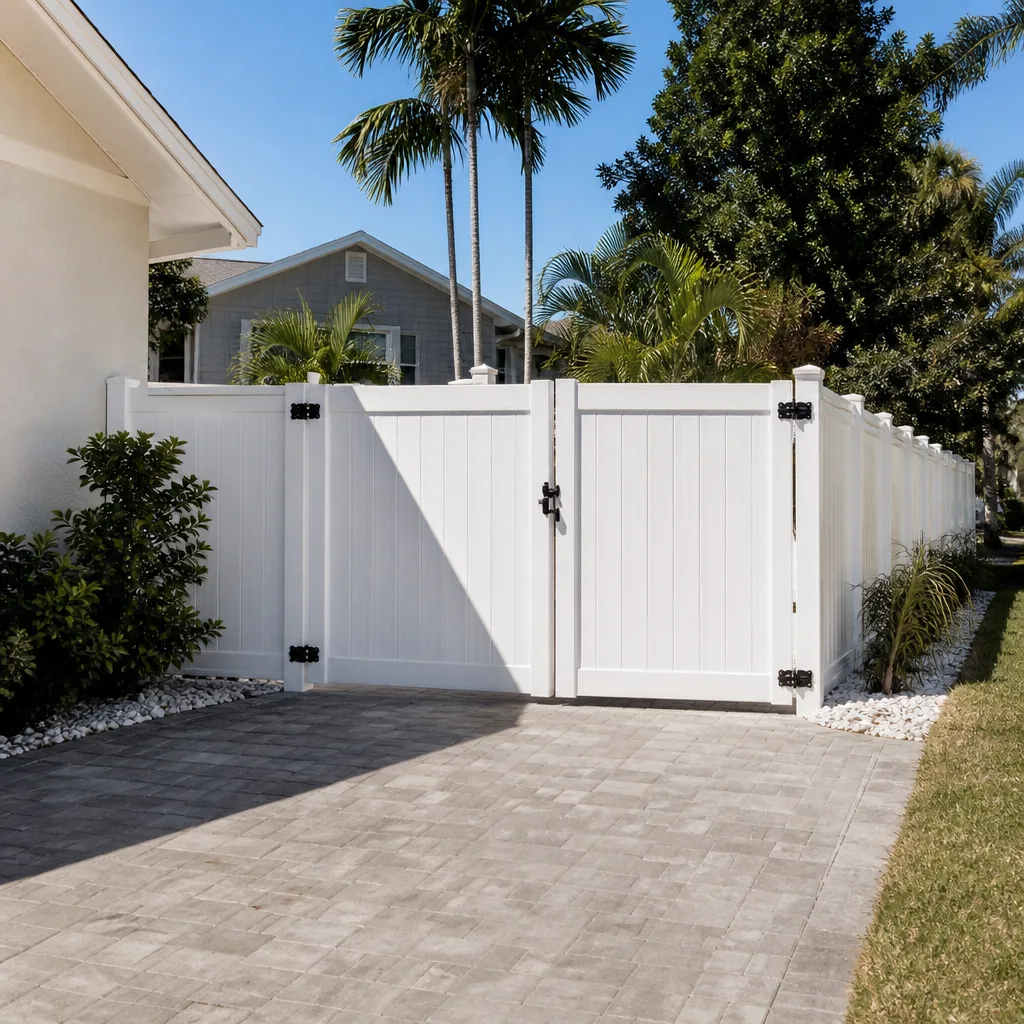
- Vinyl (Bufftech or equivalent), 6 ft installed: $45 – $60 per linear foot. Zero maintenance in Orange’s climate, but vinyl expands and contracts with the temperature swings between summer afternoons and cool nights, so post spacing matters more than with wood.
- Ornamental aluminum (Ameristar or Jerith), 5 – 6 ft installed: $55 – $95 per linear foot depending on grade and picket density. Used most often at front property lines where the 42-inch rule or HOA design review precludes a solid privacy fence.
- Block wall, 6 ft installed: $55 – $75 per linear foot, and this is the one that triggers structural review. Masonry over 3 feet in Orange requires a permit and inspection of the footing, and the cost includes reinforcing steel and a bond beam.
The material brands that hold up in Orange’s climate are the ones with a documented spec sheet you can hand to an inspector: Master Halco for steel and ornamental systems, Ameristar and Jerith for residential aluminum, Bufftech for vinyl. When we quote a fence, the brand and the spec go on the line item, so the customer isn’t comparing a number against a mystery. That’s the same discipline behind our fence installation in Orange estimates – material named, height stated, footing spec written down.
Material choice also interacts with the rest of your hardscape. If you’re replacing a fence along a driveway, the transition to pavers or concrete matters – the paver edge-restraint and the fence footing compete for the same strip of ground. Our guide to driveway and pavers in Orange covers how that transition should be built.
Post Footing Depth for Orange’s Soil and Wind Exposure
Orange sits on a mix of alluvial soils and the clay-heavy ground common across the Santa Ana River basin. The clay layer holds water in the wet season and shrinks in the dry months, which is why post footings fail here more often from soil movement than from wind. A standard 6-foot wood fence post in Orange should be set at least 24 inches below grade in a concrete footing, and deeper – 30 to 36 inches – on clay-heavy lots or where the fence is freestanding and exposed to wind at the top of a slope.
Wind exposure matters on the hillside lots near the Santiago Creek corridor and Orange Park Acres, where a solid 6-foot fence on an exposed ridge catches a lot of lateral load. In those situations, post spacing tightens from 8 feet to 6 to 8 feet, and footing diameter grows to 10 or 12 inches. This is the kind of thing that shows up in a quote only if the contractor actually walked the property.
- Call 811 before digging. Free utility locate, at least 48 hours ahead. Mandatory, not optional.
- Confirm the soil class. Clay-heavy lots need deeper footings and wider holes. A contractor who hasn’t checked the soil is guessing.
- Set the footing depth. 24 inches minimum, 30 – 36 inches on clay or exposed sites.
- Inspect if masonry. Block or masonry fences over 3 feet in Orange require a permit and a footing inspection before the wall goes up.
- Set, cure, then backfill. Concrete needs to cure before the posts carry load. Rushing this step is where fences lean within two seasons.
The safety caveat that matters most here: any masonry or block fence over 3 feet, and any fence on a retaining structure, is structural work. Wind load, soil class and footing design for these fall to a licensed contractor and a City of Orange plan check – not a weekend project. We recommend a permit and inspection on every block wall because the failure mode isn’t a lean, it’s a collapse.
HOA Approval Documentation Checklist
Most of Orange’s planned communities and newer tracts sit behind an HOA, and the architectural review process runs alongside the city permit, not instead of it. HOA fence approval in Orange typically takes two to six weeks, and submissions that come back for revision often lack the same four items. Here’s the checklist that clears review on the first pass in most Orange-area HOAs.
- Site plan with the fence line dimensioned – distances from property lines, the house, and any easement.
- Fence elevation drawing – height, material, picket spacing, top style (dog-ear, flat-top, shadowbox), post caps and finish color.
- Material and color specification – a sample chip or manufacturer spec sheet. Most Orange HOAs restrict fence color to a handful of approved earth tones.
- Neighbor notification – many CC&Rs require written notice to adjacent owners before a fence changes, especially on shared lines.
- HOA architectural application form – completed and signed before any material is delivered.
- Contractor information – the licensed contractor’s name and license number, sometimes with proof of insurance.
The most common HOA pitfall in Orange is a CC&R height restriction tighter than the city code – a 5-foot cap where the city allows 6, or a prohibition on solid privacy fences along the front property line where the city would permit 42 inches. Read the CC&Rs before you read the municipal code, because the HOA restriction usually wins. If you’re planning a larger project where a fence is one piece of a bigger yard or addition build, our team can coordinate the fence scope with the home additions and ADU work in Orange so the submissions go in together rather than in sequence.
Common Mistakes to Avoid
- Quoting a 6-foot front fence without checking the 42-inch limit. This is the most expensive mistake in the guide. A contractor who writes the quote without checking the zoning district is either going to build a violation or come back with a change order for the front section.
- Skipping the survey before a cost-split claim. Orange homeowners frequently assume the fence is on the shared line when it’s a foot inside their own property. Without a survey, the Civil Code 841 claim fails and the cost is yours alone.
- Reading the city code but not the CC&Rs. HOA restrictions are often stricter than city code on height, material, color and front-fence prohibition. Review both, and let the stricter one govern.
- Setting posts too shallow for Orange’s clay soil. A 24-inch footing on a clay-heavy lot will heave within a few wet seasons. Confirm the soil class and the footing depth before you accept the quote.
- Sending the Civil Code 841 notice without keeping proof of delivery. Certified mail receipt, dated photographs and a written estimate are the whole case. Without them, the neighbor’s refusal goes unchallenged.
- Assuming vinyl is maintenance-free in Orange’s temperature swing. Vinyl expands in the afternoon sun and contracts at night – post spacing and gate hardware need to account for that movement or the panels will rattle and the gate will bind.
- Skipping the 811 utility locate. Free, required, and the one thing that turns a weekend dig into a gas line repair.
See the difference
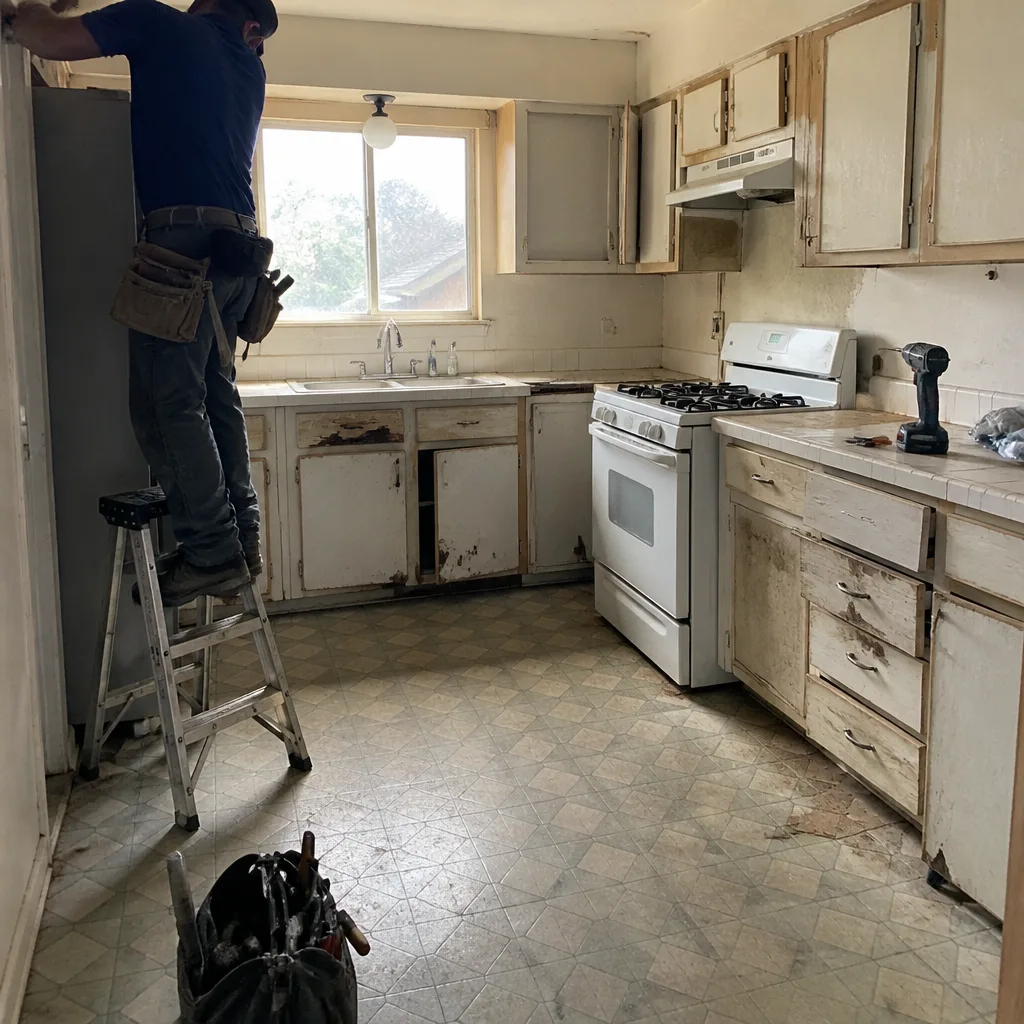 Before
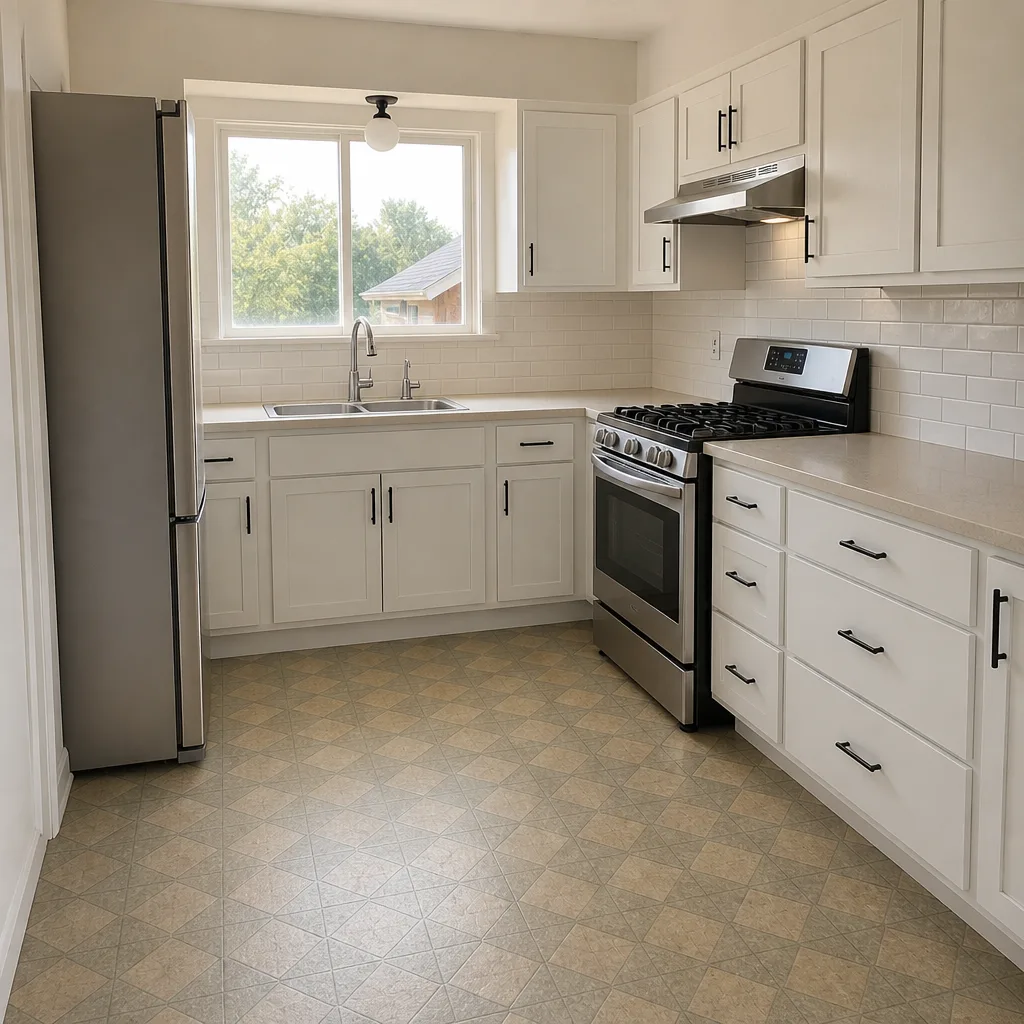 After
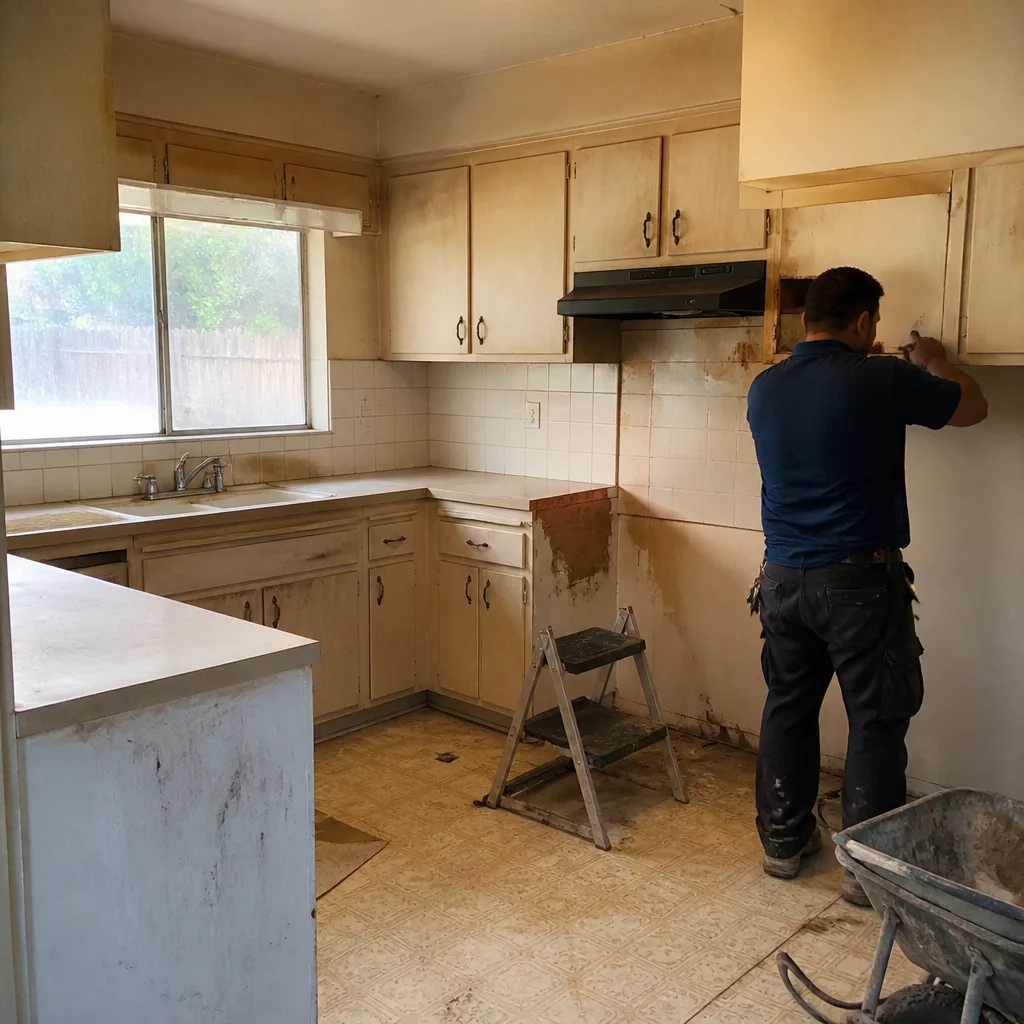 Before
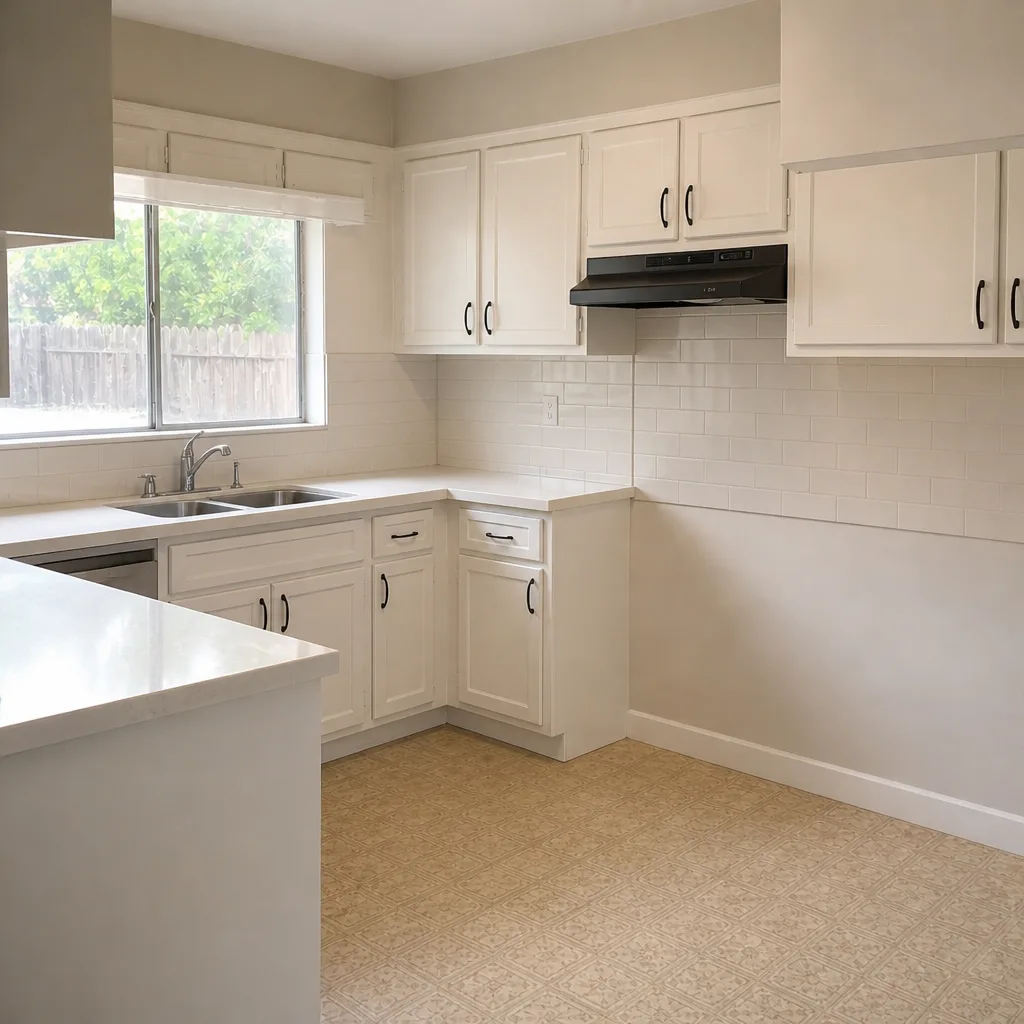 After
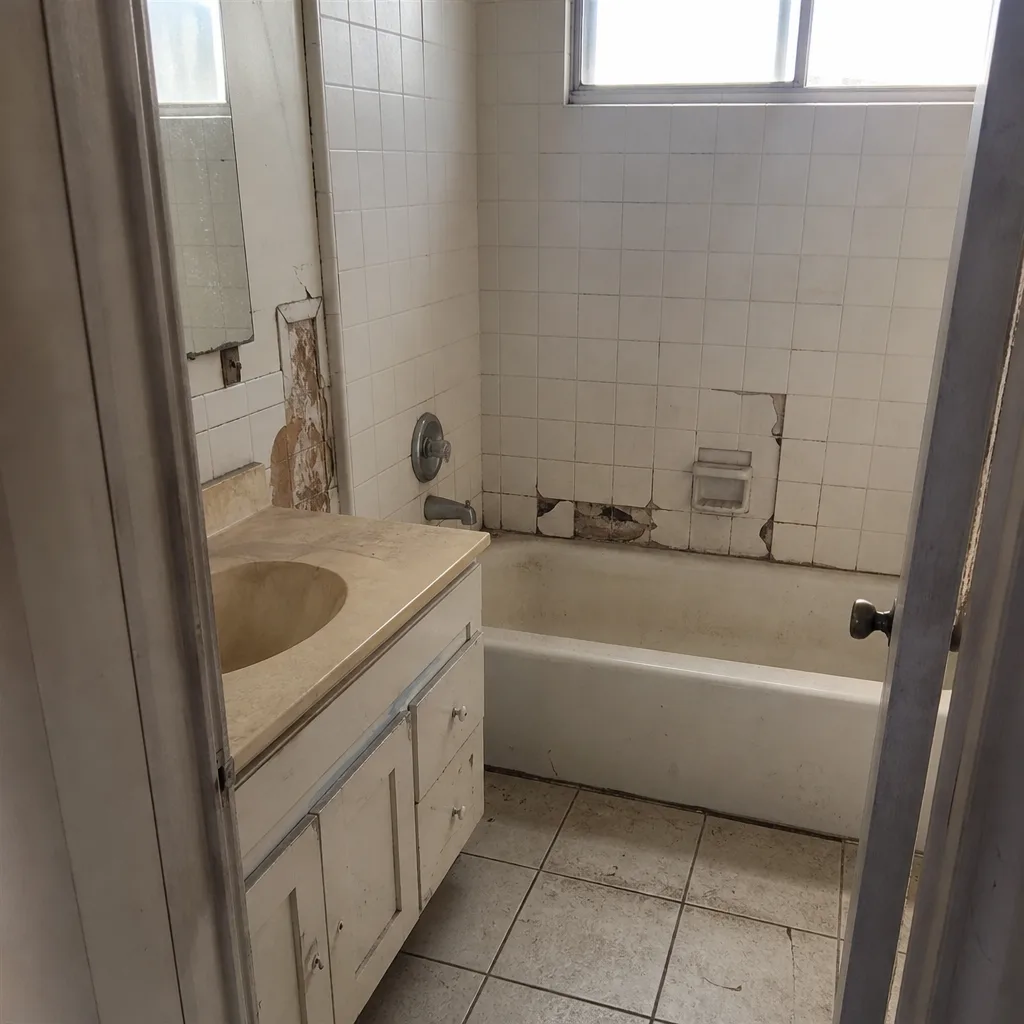 Before
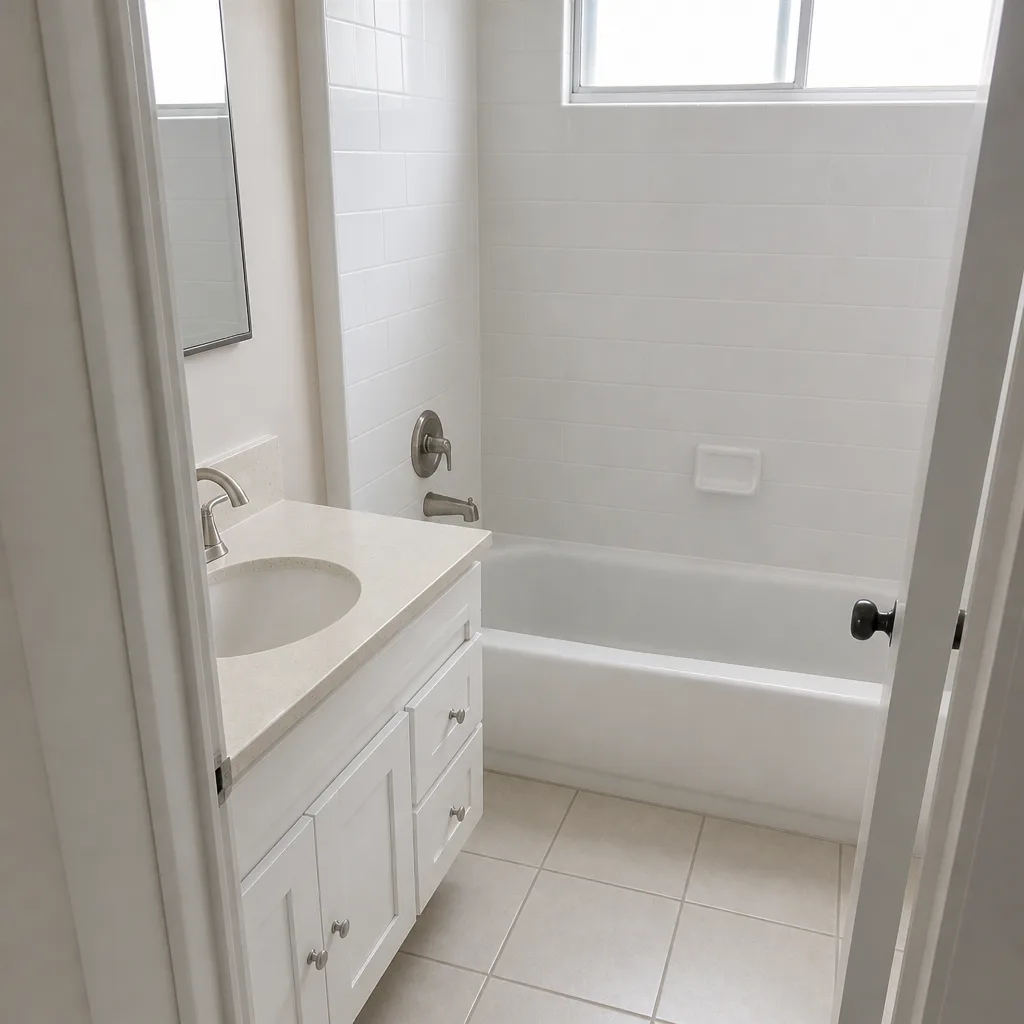 After
When to Call a Professional
Call a licensed contractor when the fence is masonry or block over 3 feet – that’s permit and inspection work, and the safety exposure is real. Call when the shared fence is failing and you intend to use Civil Code 841 to split the cost, because the documentation has to be right from the first letter. Call when your lot is on a slope, next to a retaining wall, or on clay-heavy soil where footing design decides whether the fence stands or leans. And call when the HOA submittal is complex, because a resubmittal is weeks of delay. Rowan Construction Group Orange offers free estimates in Orange – call (844) 320-7508. Every estimate is a flat written price with a written scope before any work starts, and you’re welcome to bring a competitor’s quote for a line-by-line second opinion at no charge.
Frequently Asked Questions
Fence installation in Orange runs $28 to $65 per linear foot installed for most materials, with pressure-treated pine at the low end and block wall or ornamental aluminum at the high end. A typical 6-foot, 100-foot privacy fence in pressure-treated pine lands around $3,000 to $3,800 installed. The variables that move the number are footing depth on clay soil, gate count, and whether masonry is involved. Call (844) 320-7508 for an exact quote – estimates are free and written.
No – front-yard fences in Orange are capped at 42 inches without a variance, which is lower than most of Orange County. A 6-foot front fence requires going through the City of Orange variance process, which involves a site plan, a hardship justification, neighbor notice, and a $300 – $600 filing fee. The cheaper path is usually a 42-inch fence with landscape screening behind it.
Under California Civil Code 841, yes – if the fence sits on or near the shared property line and benefits both properties, the adjacent owner owes their share of a reasonable repair or replacement. You must send a written notice describing the condition and the proposed cost, giving them at least 30 days to respond. Keep the certified mail receipt, dated photos and the estimate, because that documentation carries a small claims case if they refuse.
Wood and vinyl fences at the standard height generally do not require a permit, but block or masonry fences over 3 feet do, including a footing inspection. Any fence on a retaining structure or a slope also requires engineering review. Verify with the City of Orange Building Division before you order material, and confirm your HOA’s submittal requirements separately – they’re a second review layer the city doesn’t handle.
Cedar and vinyl both hold up well in Orange’s inland heat, with cedar giving 15 years or more and vinyl giving essentially maintenance-free service. Pressure-treated pine at $28 – $38 per linear foot is the budget choice and needs re-staining every 3 to 4 years. Ornamental aluminum – Ameristar or Jerith – is the right call for front property lines where the 42-inch rule or HOA design review precludes a solid privacy fence.
Fence posts in Orange should be set at least 24 inches below grade in concrete, and deeper – 30 to 36 inches – on clay-heavy lots or exposed hillside sites where wind load is higher. Orange’s clay soil shrinks in summer and holds water in winter, so shallow footings are the most common reason fences lean within a few seasons. Call 811 for a free utility locate before any digging.
The Bottom Line
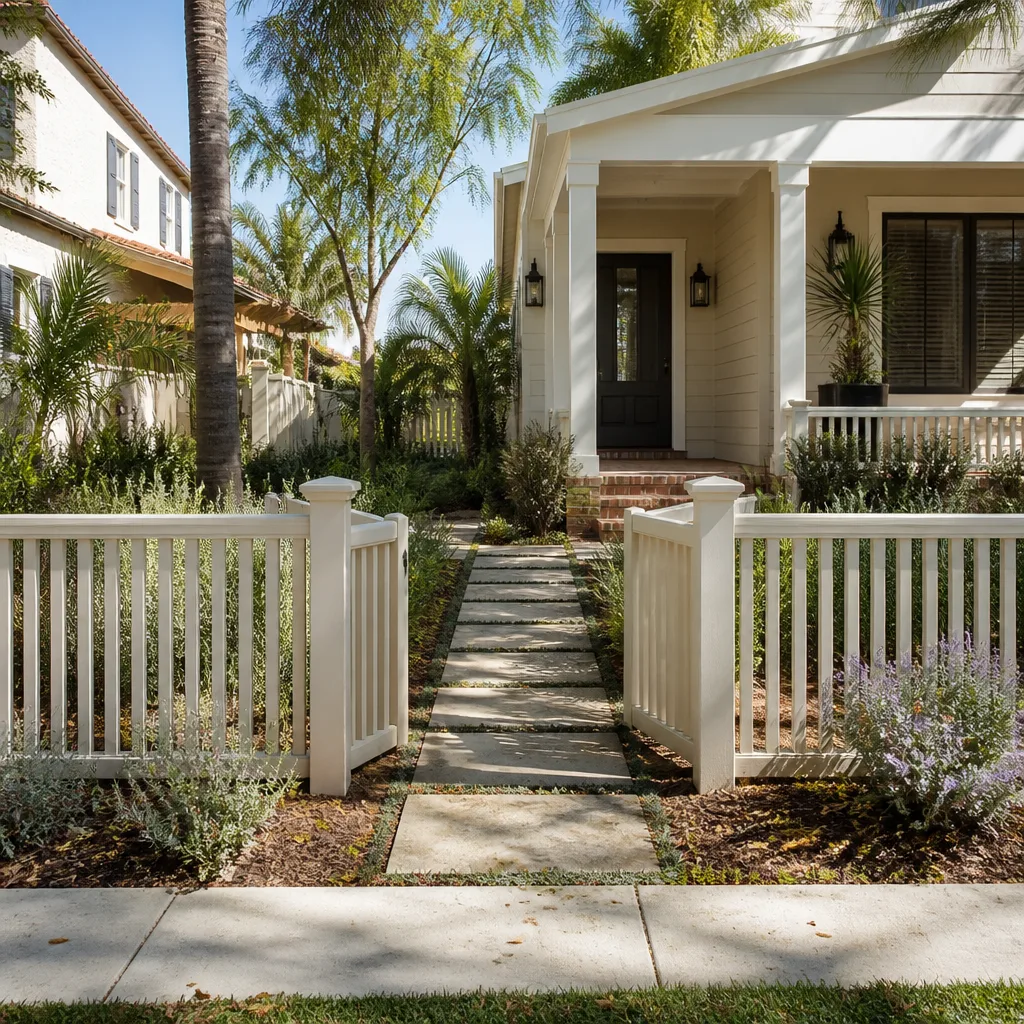
The three regulatory layers – City of Orange zoning height limits, HOA CC&R restrictions, and California Civil Code 841 – decide your fence project before material is ordered. Front-yard fences are 42 inches without a variance; block walls over 3 feet need a permit and footing inspection; and shared fences split 50/50 with the right written notice. Current Orange County pricing runs $28 to $65 per linear foot installed, with cedar and vinyl leading on longevity in our climate. Get the height, the HOA submittal and the survey line confirmed first, and the estimate you approve is the price you’ll pay. For the wider picture of how a fence fits with the rest of your property work, start at our Rowan Construction Group Orange home.
Call (844) 320-7508 for a free estimate. Every project gets a flat written price, a written scope, background-checked technicians, and a documented photo record of the work – plus the 365-Day Done Right Promise: if it isn’t done right, we make it right.
Written by the team at Rowan Construction Group Orange.