Last updated November 18, 2026
Free written scope consultation - allowances, timeline, and change-order rules on paper before a single trade is scheduled
The Complete Guide to Construction in Orange
Orange sits on expansive clay soils across several neighborhoods, and that single fact reshapes what a foundation, a drainage plan, and even a driveway slab should look like. A contractor quoting from memory will spec twenty-year-old numbers. This guide doesn’t do that. We’ve mapped each of the seven residential trades against Orange’s soil conditions, its HOA density, and how the City of Orange building department actually processes a permit, so you know what you’re walking into before you make the first call. You’ll get dollar ranges, permit categories, and the contract checklist worth keeping in front of you at signing.
Quick Answer
Construction in Orange follows a predictable path: most exterior trades (roofing, fencing, pavers) run over-the-counter through the City of Orange for quick turnaround, while structural work like home additions and ADUs triggers full plan check that can take weeks. Expect clay-soil grading to add to foundation and flatwork costs, and expect an HOA architectural approval step before exterior projects in many Orange ZIP codes. Every project below carries a realistic 2026 dollar range so you can budget before you call.
Styles & brands we work with
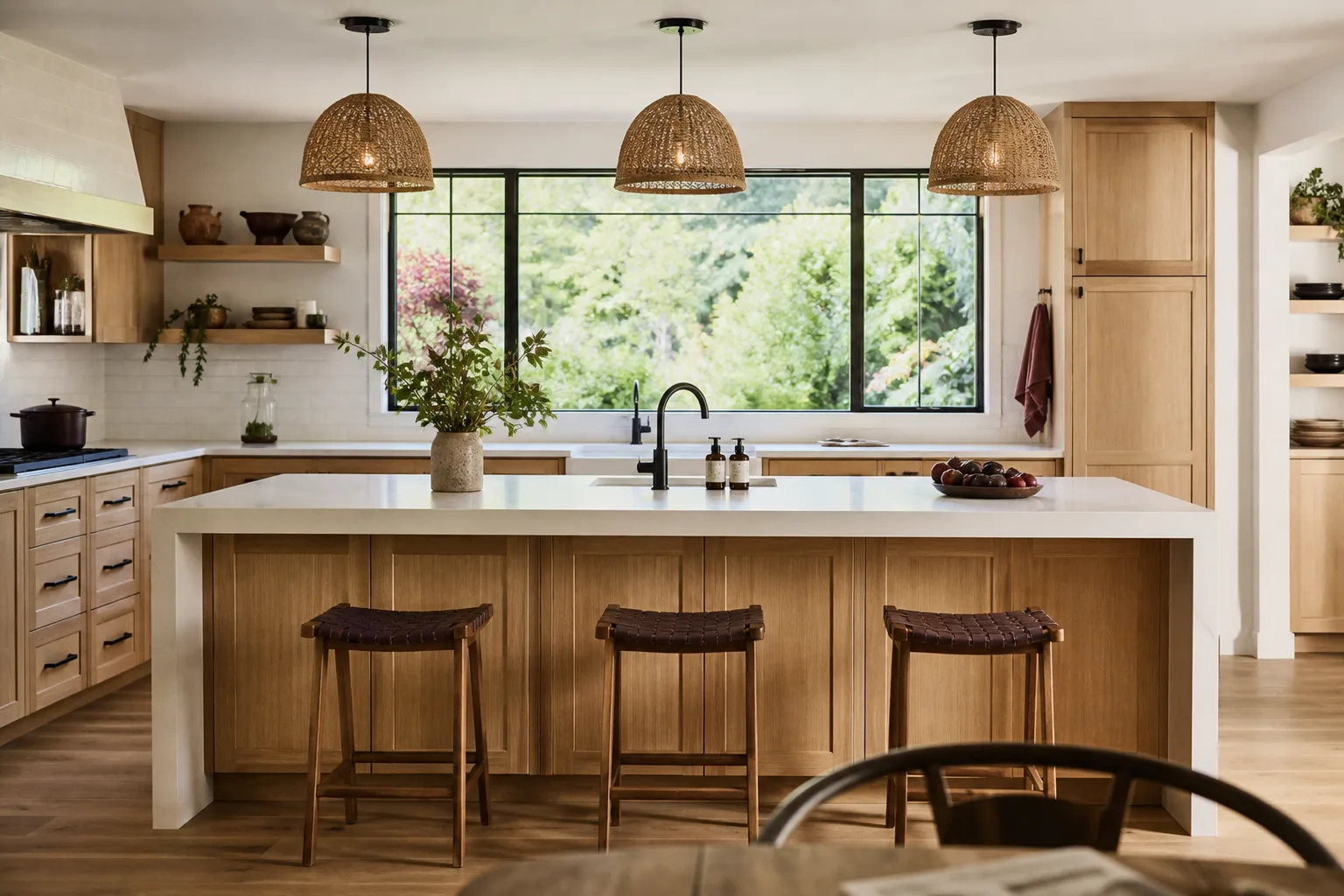
- Kitchen remodeling
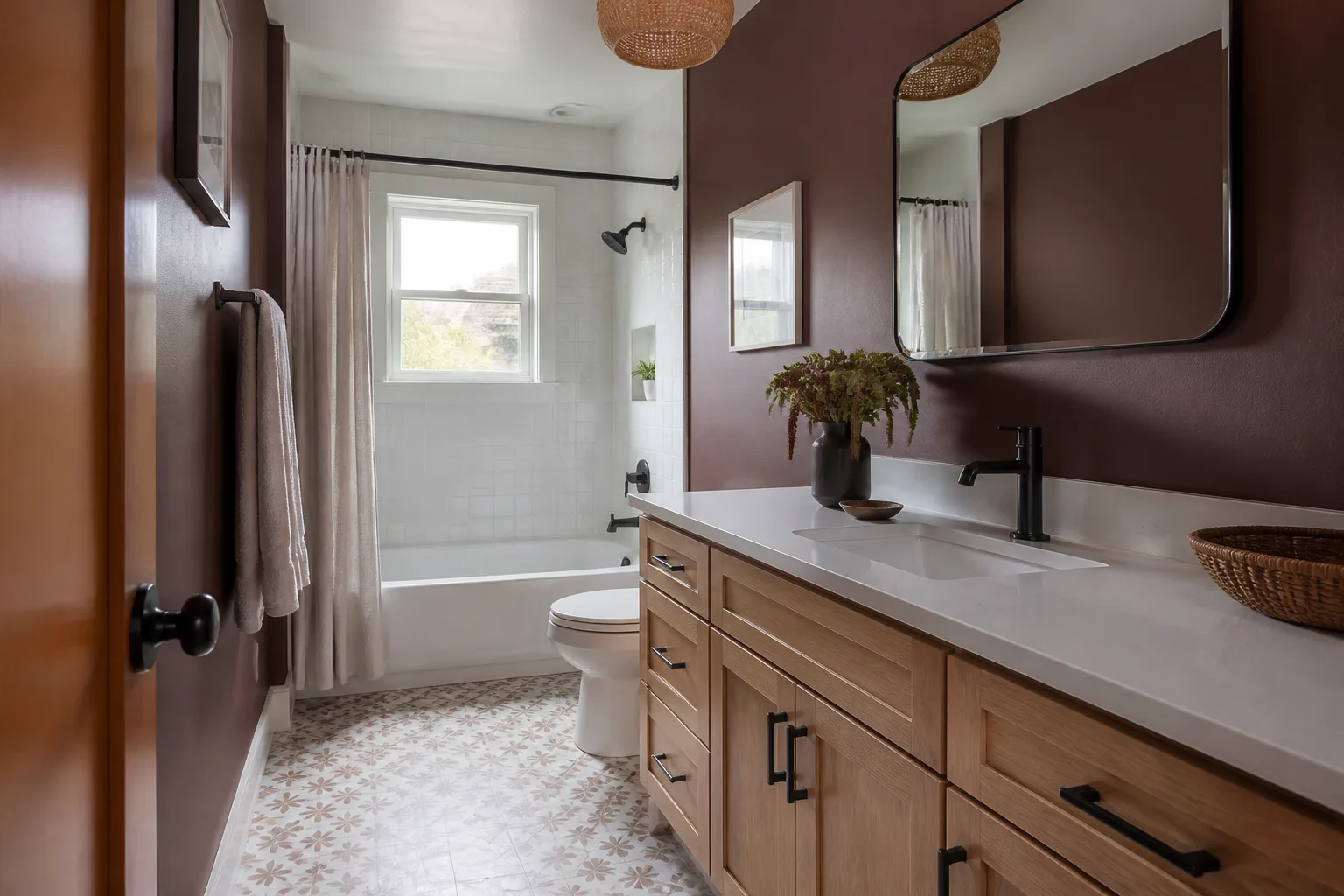
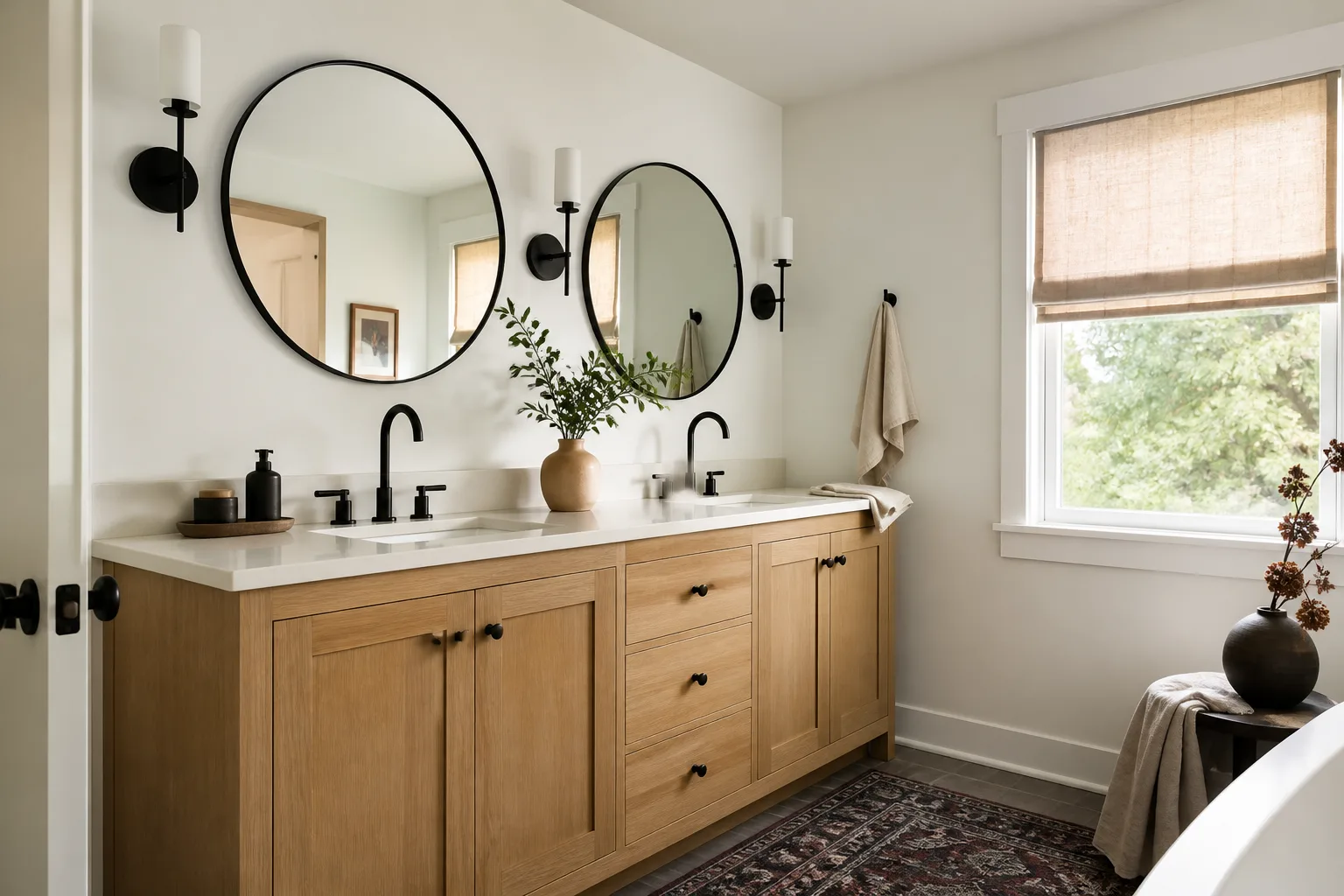
- Bathroom remodeling
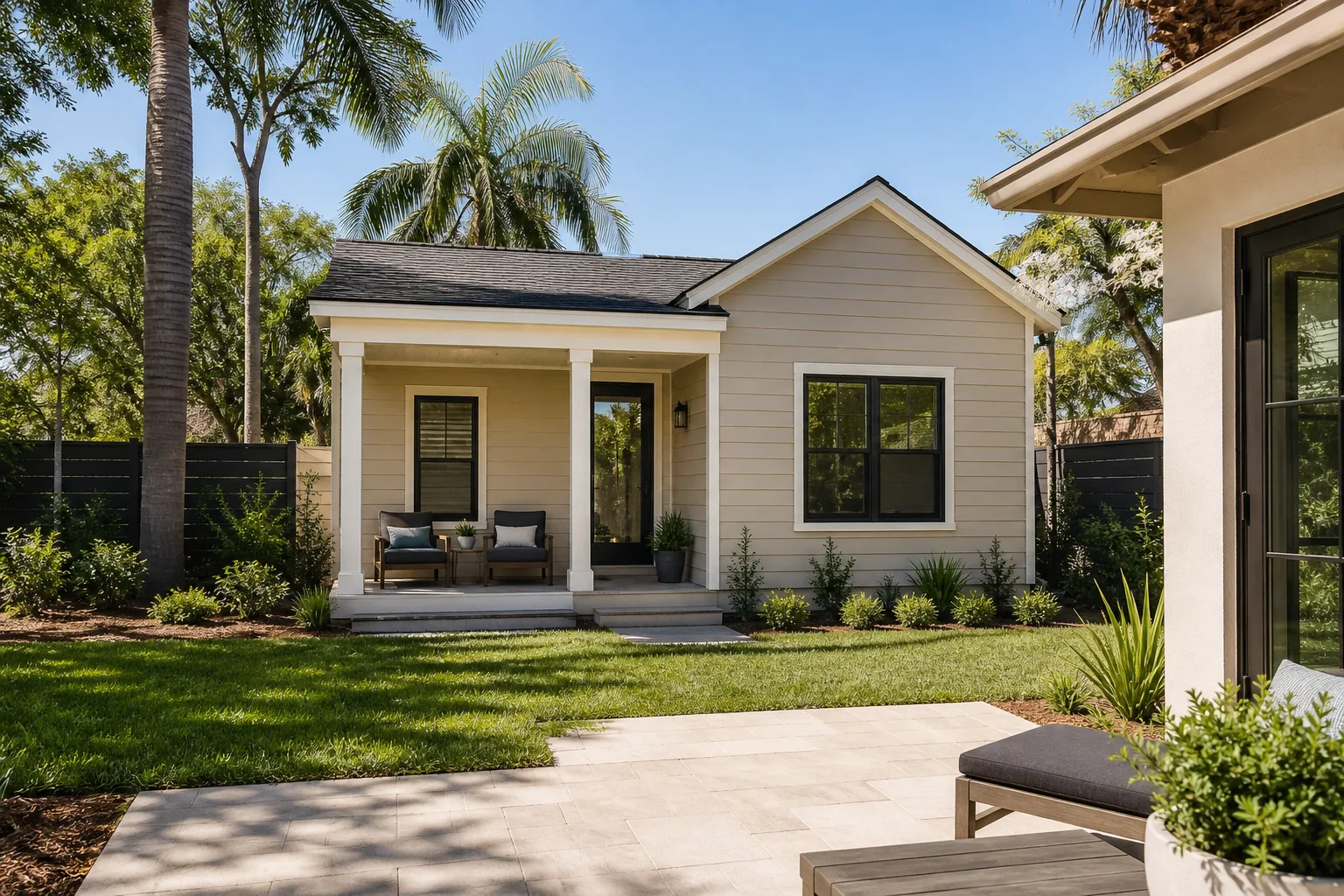
- Home additions & ADU
- Roofing
- Windows & doors
- Driveway & pavers
- Fence
Table of Contents
- The Seven Trades, Priced for Orange
- How the City of Orange Permit Process Works
- HOA Approval in Orange ZIP Codes
- Soil and Grading by Orange Neighborhood
- What a Signed Contract Must Include Under California B&P Code §7159
- Common Mistakes to Avoid
- When to Call a Professional
- Frequently Asked Questions
The Seven Trades, Priced for Orange
Here’s the trade-by-trade map, with typical Orange scope, permit category, and a realistic 2026 range. These numbers assume an average Orange home of roughly 1,600 to 2,400 square feet with mid-grade finishes; a high-end kitchen with Cambria quartz counters and KraftMaid cabinetry will land at the top of the kitchen range, and a modest refresh at the bottom.
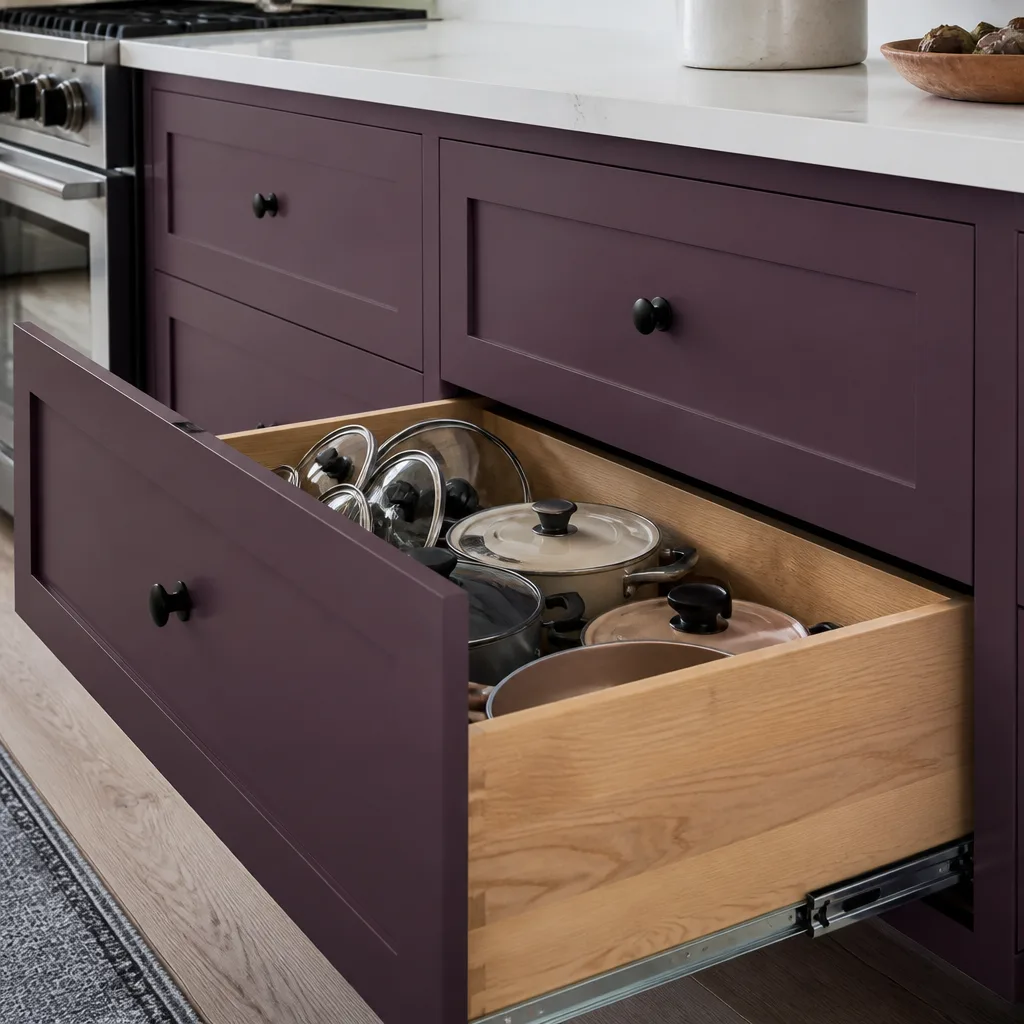
- Kitchen Remodeling – $28,000 to $90,000. Full gut with cabinet replacement, plumbing relocation, and electrical typically triggers a permit. Cosmetic swaps (new fixtures, Delta or Moen faucets, Blanco sink) often don’t.
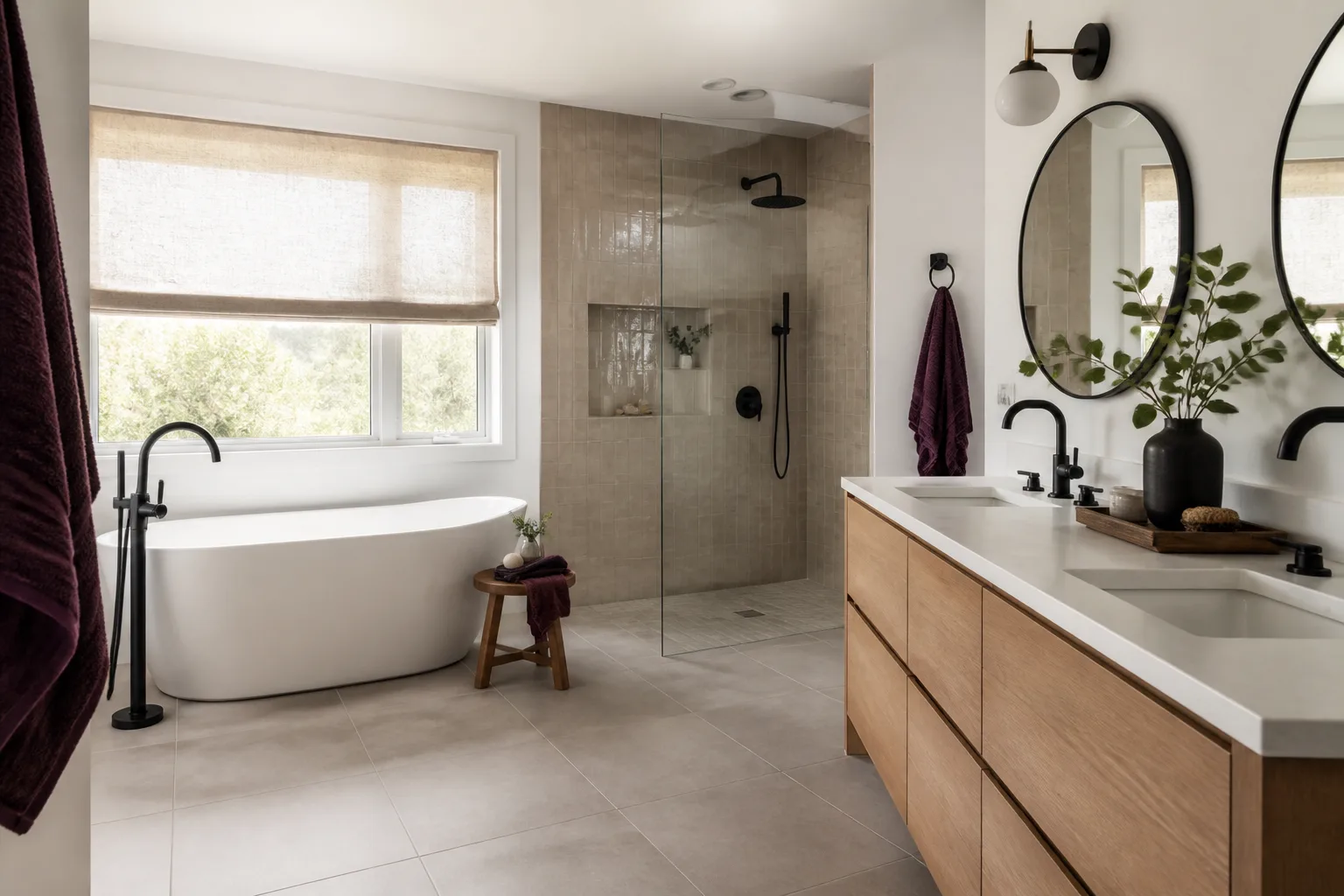
- Bathroom Remodeling – $12,000 to $35,000. A tub-to-shower conversion or a shower pan rebuild requires a permit for the plumbing and, in many cases, a membrane inspection. Regrouting and fixture swaps do not.
- Roofing – $9,500 to $32,000. A full tear-off with GAF or Owens Corning shingles needs a re-roof permit in Orange; a repair under 100 square feet ordinarily does not.
- Windows & Doors – $4,000 to $28,000. Replacement windows in the same opening are usually over-the-counter; new openings or egress windows on bedrooms enter plan check.
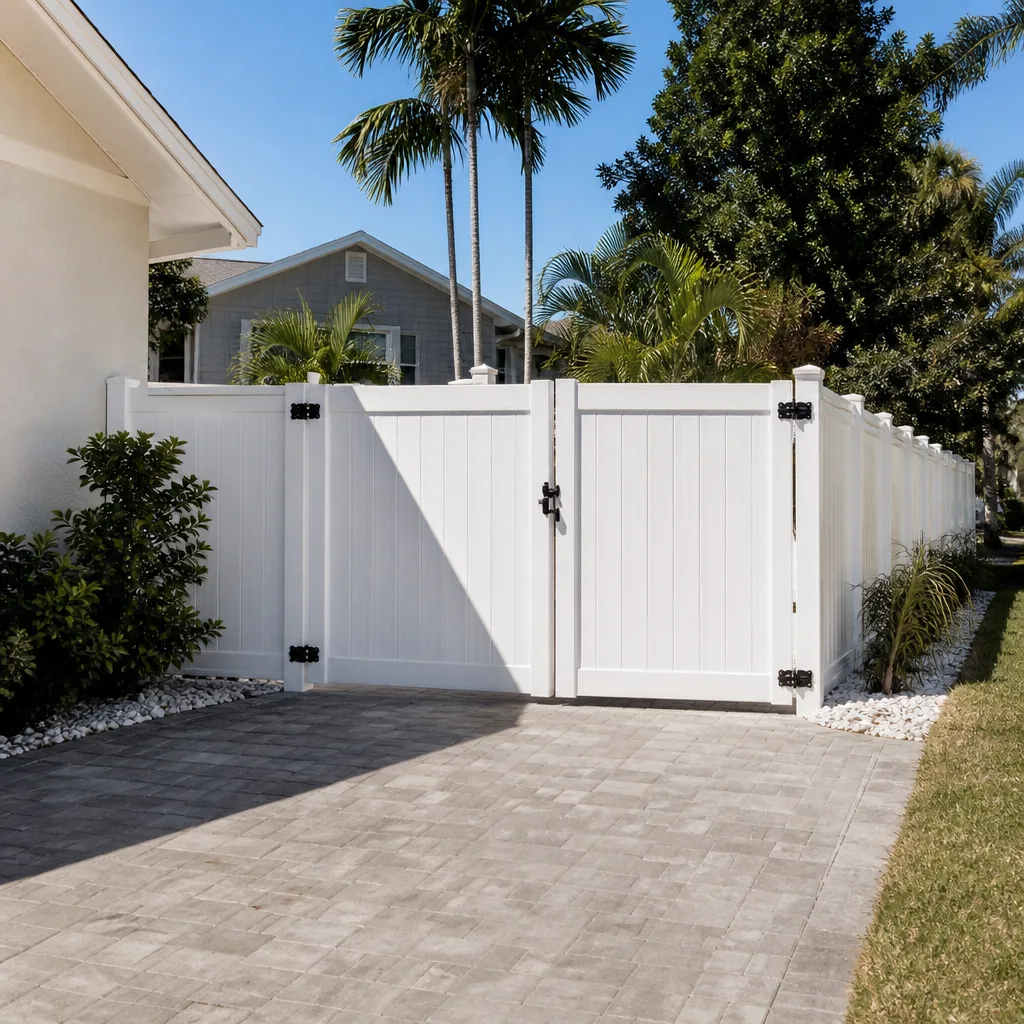
- Fence Installation – $3,200 to $14,000. Most fences under six feet are exempt in Orange, but any fence in a front setback or over six feet needs a permit and possibly an HOA sign-off.
- Driveway & Pavers – $7,500 to $26,000. Pavers over a properly compacted base rarely need a permit; dropping a driveway apron or widening the approach to the street does.
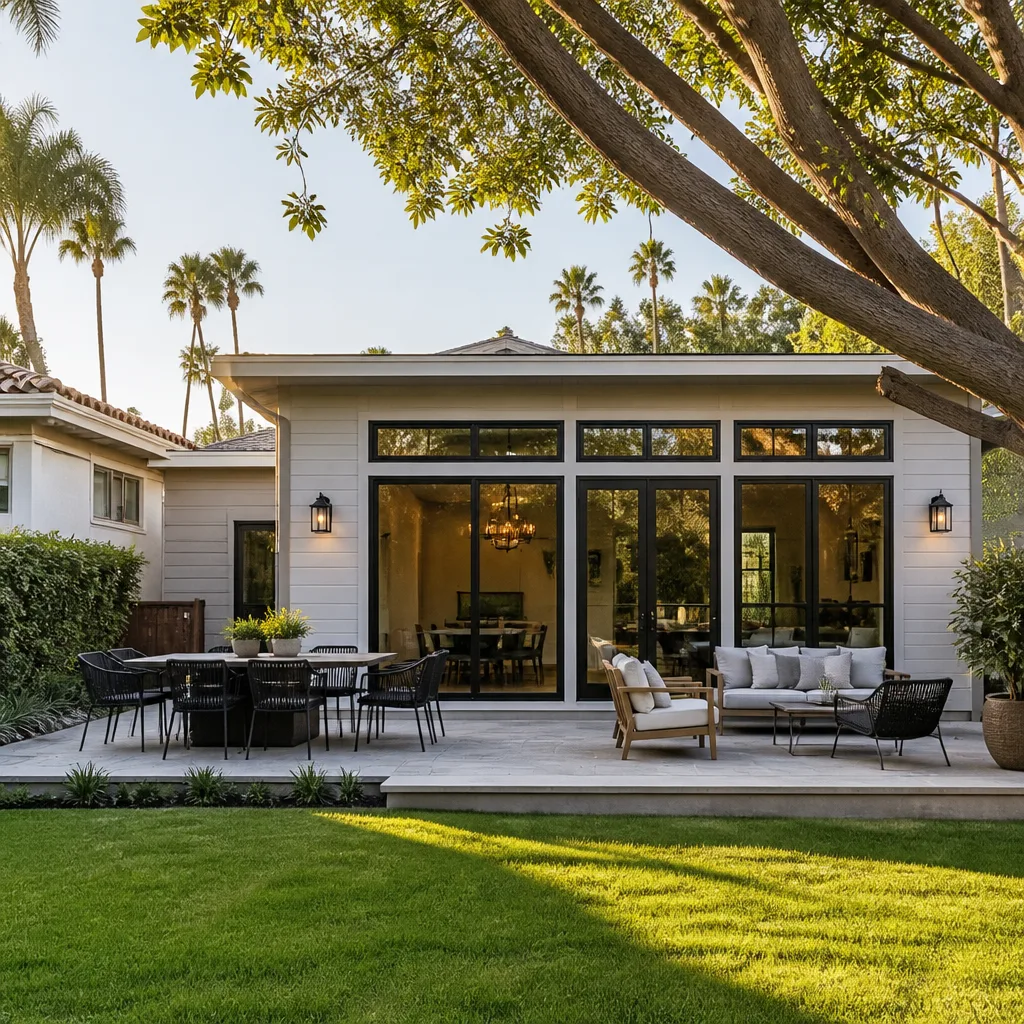
- Home Additions & ADU – $110,000 to $375,000 for an addition, $95,000 to $285,000 for a detached ADU. Both go through full plan check and both get hit hardest by clay-soil foundation design.
These are the ranges, not the quote. The only number that matters is the one written on paper before any work begins. Under Clause 1 of the Rowan Construction Group Orange home, the flat written price arrives before anybody picks up a tool, with a written scope and a written warranty attached to it.
How the City of Orange Permit Process Works
The City of Orange runs its permits through an online portal, and the fastest way through it is knowing which counter your project belongs at before you submit a thing. Two paths exist: over-the-counter (OTC) and full plan check.
- Determine your category. Roofing, re-piping, water heater replacement, and same-opening window swaps usually qualify as OTC. Additions, ADUs, structural remodels, and any project altering a load path go to plan check.
- Submit drawings and scope. OTC work is often same-day to a few business days. Plan check runs two to six weeks for a modest addition and longer for a detached ADU that also triggers a separate address, utility, and school-district fee review.
- Pay fees and pull the permit. Expect a plan check fee plus a separate permit fee, scaled to project valuation, plus inspection fees. A kitchen remodel permit in Orange typically lands a few hundred dollars; an ADU can run several thousand in fees alone.
- Schedule inspections by stage. Footing, foundation, framing, rough-in (electrical, plumbing, mechanical), and final. A single missed stage inspection can stall the whole job for a week.
- Get the final sign-off. Keep the signed card and the completion record. It matters at resale.
Anyone quoting you a flat price with no permit line item is either skipping the permit or burying it. Ask where the permit fee sits in the numbers.
HOA Approval in Orange ZIP Codes
Most of Orange east of the 55 freeway has an HOA attached to the deed. The 92869, 92867, 92866, and 92868 ZIP codes are where we see architectural review requirements most often, and the pattern is consistent: exterior work that changes what a neighbor sees from the street needs sign-off before you file with the city.
The three trades hit hardest are roofing, fencing, and hardscape.
- Roofing. Many Orange associations specify approved shingle colors and, occasionally, a tile profile. Pull the CC&Rs before choosing your GAF shingle color.
- Fencing. Height, material, and which side faces out are frequently locked down. A six-foot privacy fence in a common-area-adjacent yard may top out at five feet under HOA rules even if the city would allow six.
- Hardscape. Driveway pavers, front-yard pavers, and visible concrete often need a color and material submission. This is where Driveway & Pavers in Orange starts, not with a Belgard or Techo-Bloc sample.
HOA review typically runs two to four weeks and meets monthly, so the calendar matters as much as the design.
Soil and Grading by Orange Neighborhood
Orange sits on a mix of expansive clay and older alluvial fill, and the neighborhood you’re in determines whether your foundation is straightforward or needs engineered footing design.
In the flatlands near Old Towne and the streets radiating from Plaza Park, older homes often sit on a shallow foundation over clay that swells with winter rain and shrinks through the dry summer. That movement is why some Old Towne bungalows show hairline cracks above doorways that are cosmetic and others show the stair-step door-and-corner pattern that means foundation work. If your foundation was poured in the 1950s or earlier, an inspection is worth the fee.
East of the 55 toward the hills, the grade steepens, and drainage design matters more than the slab itself. A paver driveway here needs a subgrade that directs water away from the structure, not just toward the storm drain at the street. A weeping tile line under a retaining wall is not a luxury in this terrain.
In the mid-century tracts around Collins and the 22 freeway, the soil is often better graded but the slabs were poured thin by today’s standards – four inches where six is now the standard for a driveway carrying a modern truck or SUV. That is where Driveway & Pavers in Orange projects most often start with a slab replacement or an overlay rather than a paver application over a failing base.
What a Signed Contract Must Include Under California B&P Code §7159
California’s Business and Professions Code §7159 governs home improvement contracts, and it is stricter than most homeowners know. The law requires specific written terms before work begins. Use this checklist before signing anything from any contractor:
- The contractor’s name, business address, and license number stated in the body of the contract, not in a footer or on a business card.
- The start date and approximate completion date. “TBD” is not a start date under the code.
- A written description of the work and materials. Not “install kitchen.” Specific cabinet brands, countertop material, fixture model numbers.
- The total contract amount and schedule of payments. Down payment cannot exceed 10 percent of the contract price or $1,000, whichever is less.
- A three-day right to cancel for any contract signed at your home, and a written notice stating it.
- A written change-order process. Any change to the scope triggers a signed change order with an adjusted price. This is Clause 1 of The Haven Standard applied to the contract, and it is the single biggest reason Rowan projects finish within a few percent of the agreed cost.
- The contractor’s license bond and, where required, workers’ compensation insurance disclosures.
If a contractor hands you a one-page contract with a materials list that says “standard builder grade,” the code has already been violated. Read the contract with that checklist open on the table.
See the difference
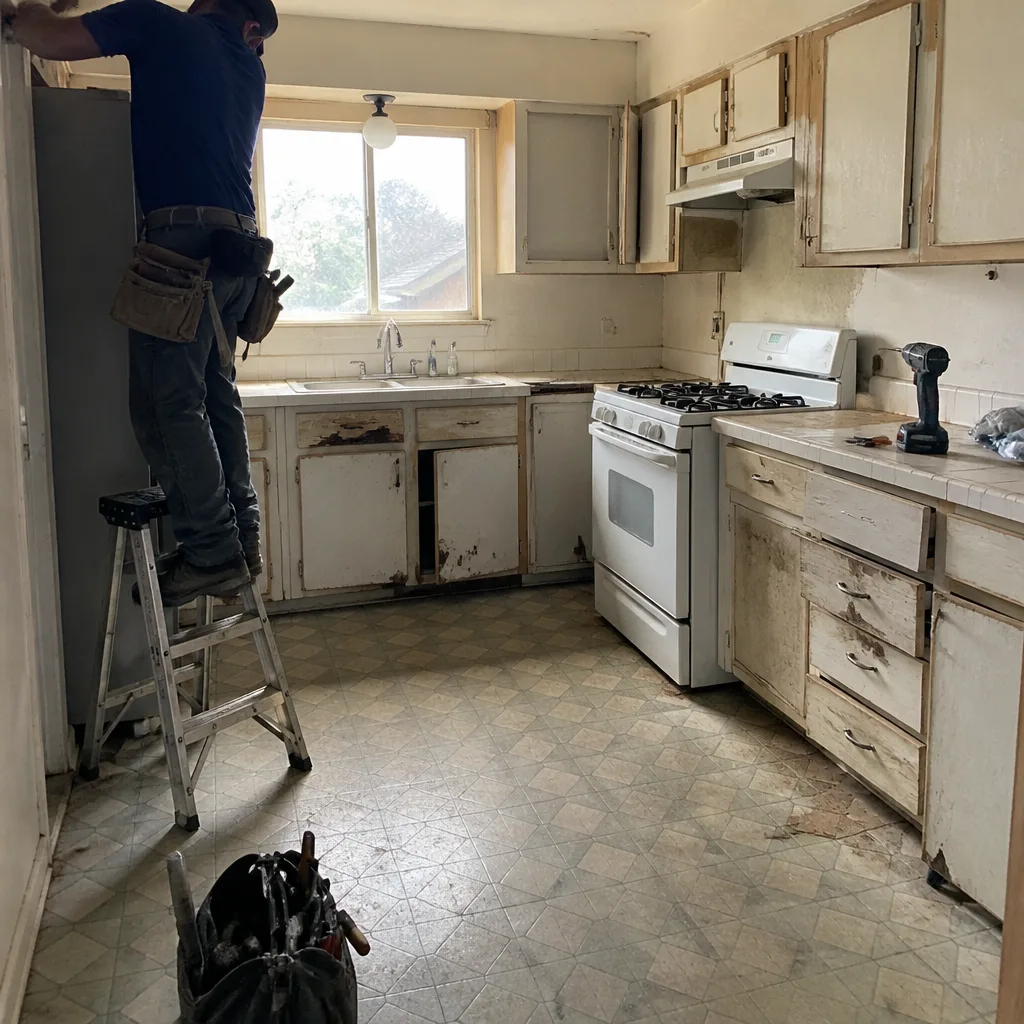 Before
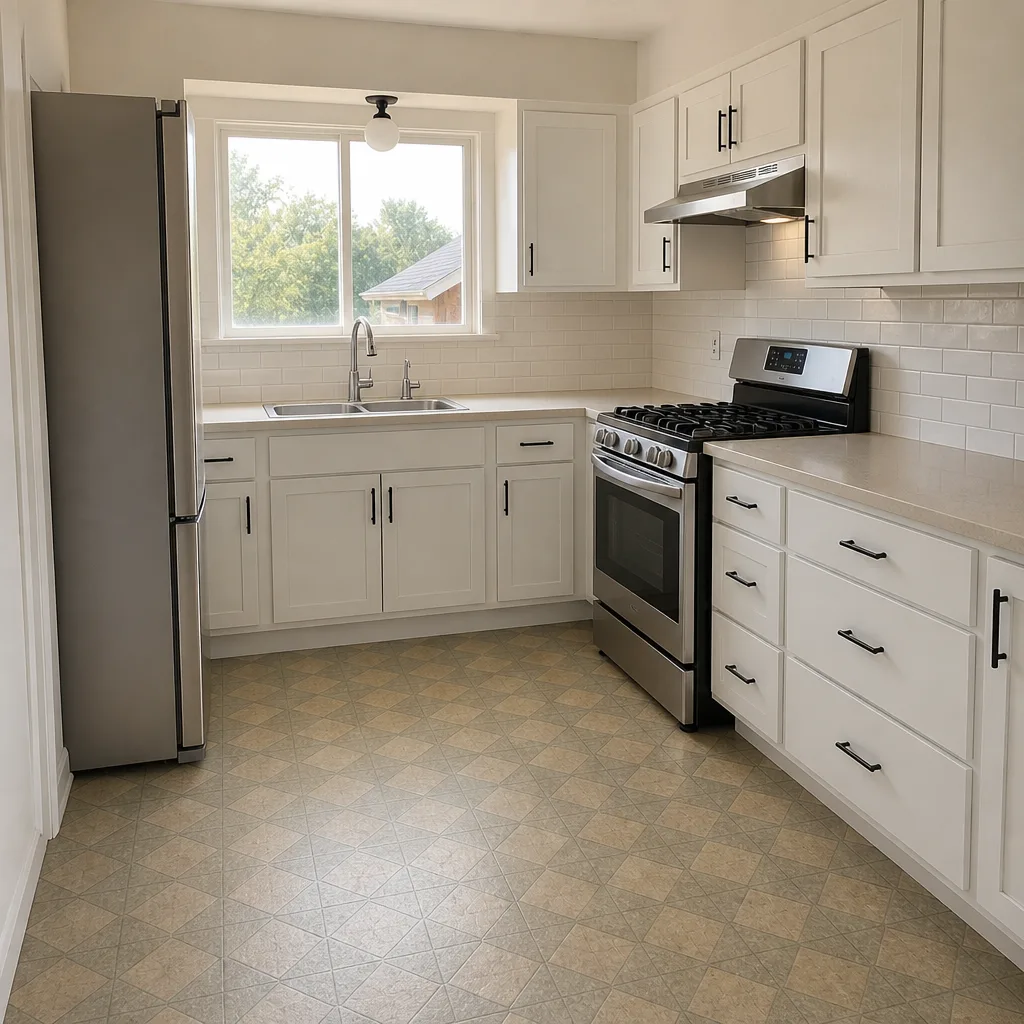 After
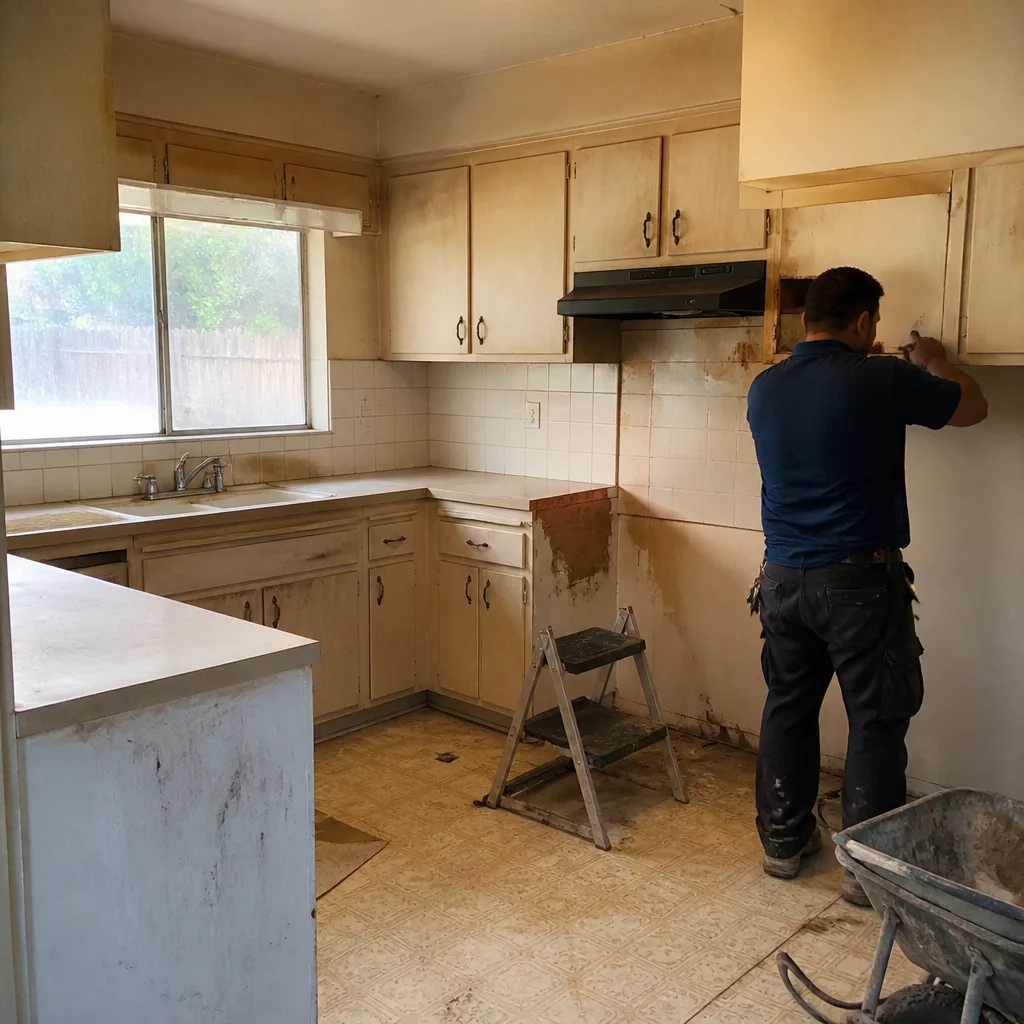 Before
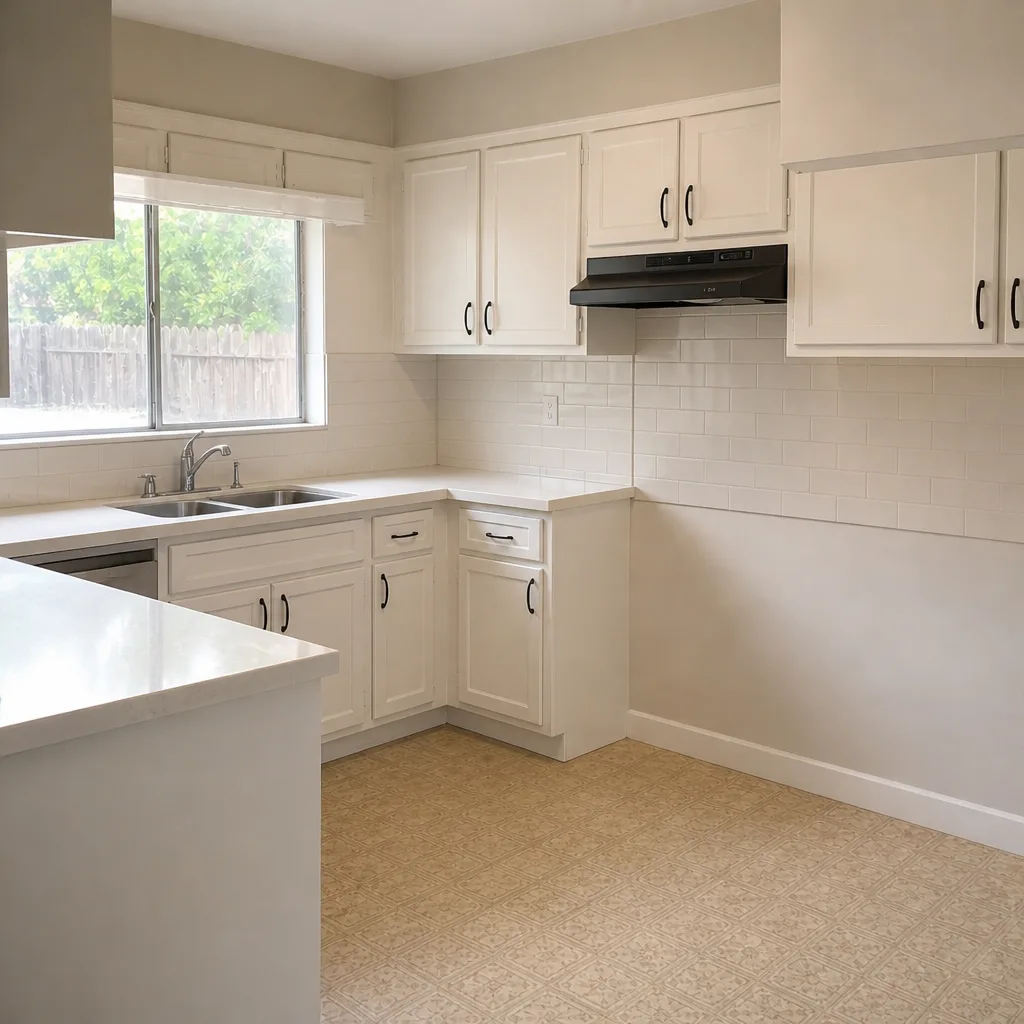 After
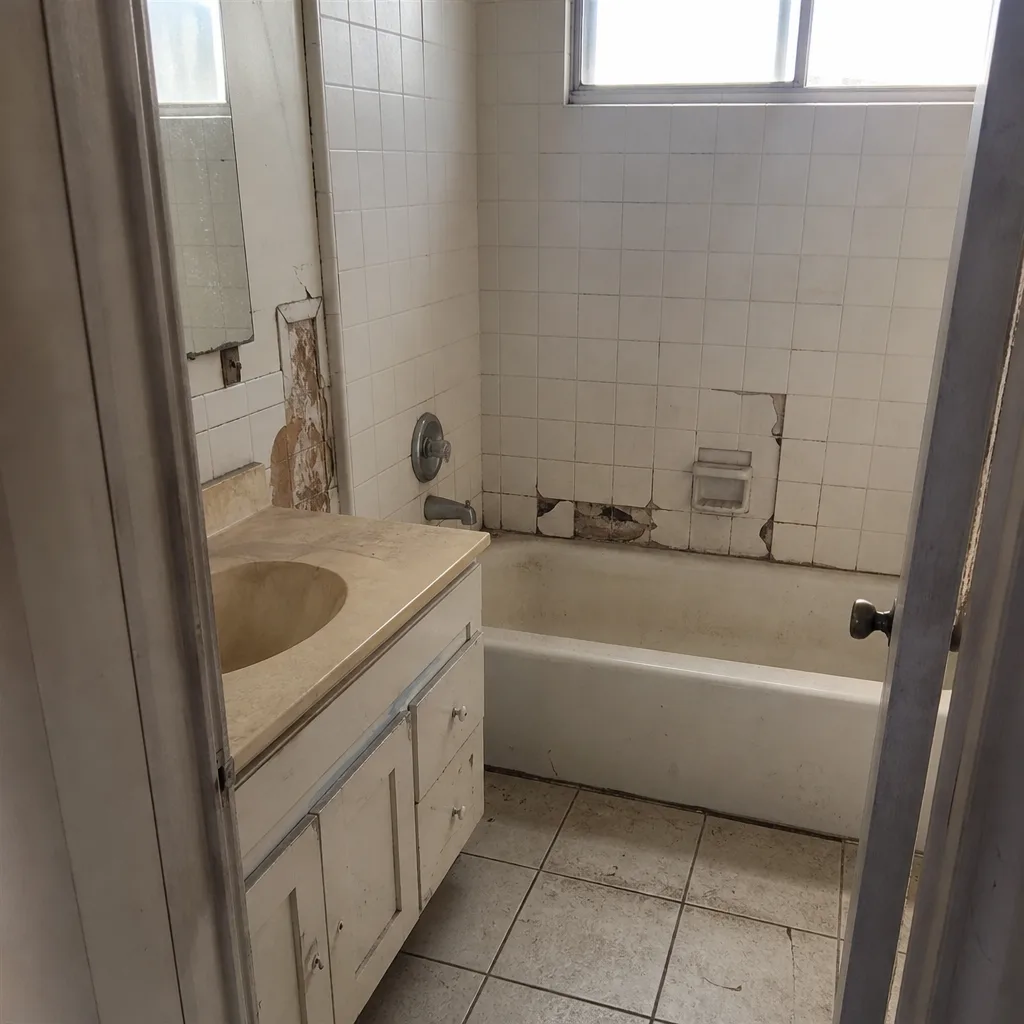 Before
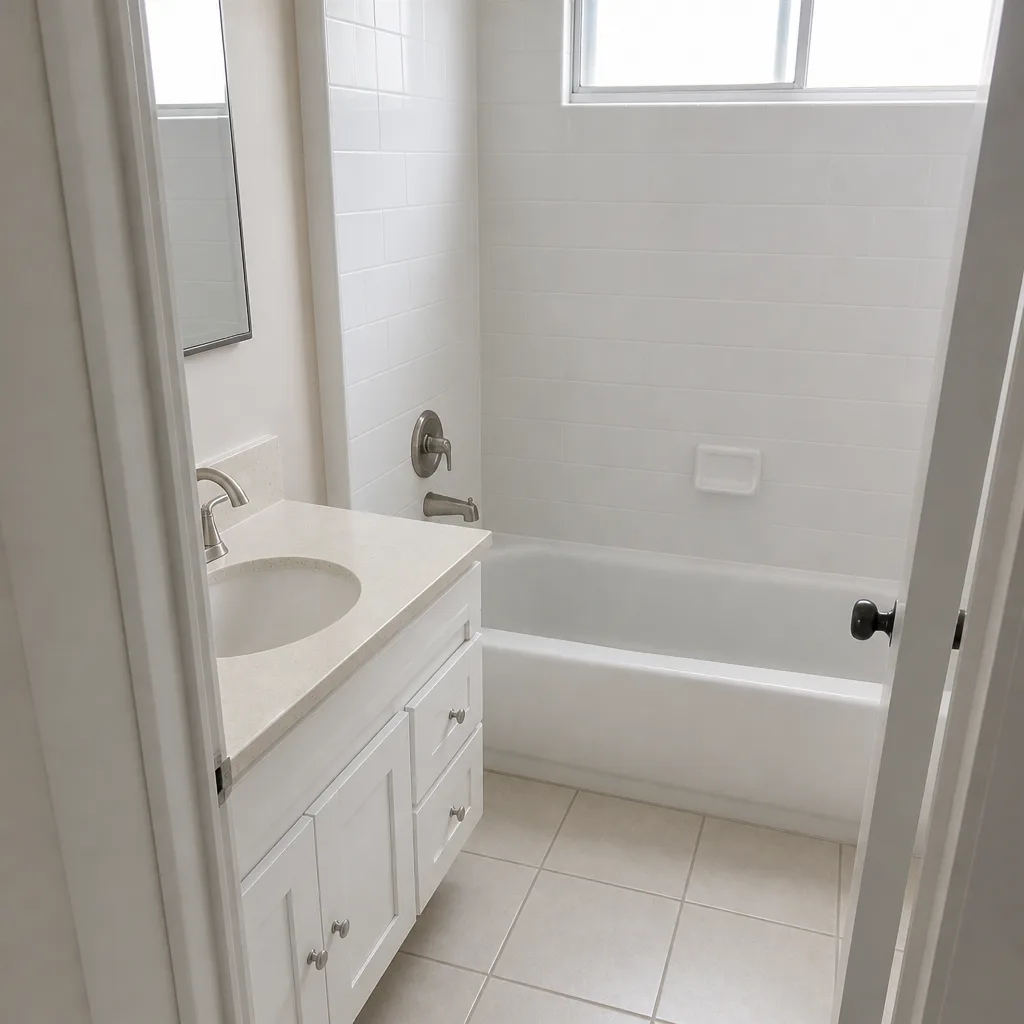 After
How Rowan Construction Group Handles an Orange Project
Where the trades meet, the paperwork should too. Every project we touch – a kitchen in Old Towne, a fence line in 92869, a detached ADU on the east side – follows the same discipline. The price is written before any work begins. No change proceeds without a signed change order. The crew is background-checked and uniformed, and every visit ends with a documented photo record that the customer keeps. Our technicians have up to 19 years of experience across the trades, and 4,000-plus projects have gone out the door with a written price and a documented record when the crew left.
The 365-Day Done Right Promise sits behind every job: if something isn’t done right, we make it right. That is printed on the page, not buried in an asterisk. Bring a competitor’s written estimate and we’ll review it line by line, free, before you decide. For homeowners weighing an addition against a single-trade project, Home Additions & ADU in Orange walks through planning, permits, and financing in detail. Windows and doors and roofing decisions sit at the same desk, and Fence Installation in Orange covers the HOA-adjacent fence work most often required around a pool or property line.
Common Mistakes to Avoid
- Skipping the HOA before the city permit. Submitting to Orange planning before your association has approved the design wastes weeks and can void the deposit on a special-order fence material.
- Quoting off the old slab. A paver or concrete quote written for a four-inch slab over the clay soils in older Orange tracts will fail under load. Ask specifically what the base depth and compaction spec are.
- Accepting “builder grade” language. Under §7159, the materials section must specify brands and models. “Standard” is not a material.
- Paying more than 10 percent down. California caps the down payment at 10 percent or $1,000, whichever is less. Any larger ask is a red flag.
- Forgetting the change-order clause. A contract with no written change-order process is where “the price was $60K” turns into $87K by the final invoice.
- Choosing a shingle color before reading the CC&Rs. Some Orange associations lock the roof color to a three-swatch palette, and re-roofing to the wrong one triggers a re-do.
- Missing the drainage plan in the east hills. A retaining wall without a weep and drain line fails inspection and, worse, saturates the foundation downhill.
When to Call a Professional
Call a licensed contractor for anything structural, anything that opens a wall to water or gas, and anything involving roof height. Foundation evaluation, load-bearing wall removal, any electrical panel change, and any gas-line work are all areas where a mistake is not a cosmetic one. In Orange, the clay-soil conditions mean foundation questions are worth a professional opinion even when the symptom looks minor – a stair-step crack or a door that sticks through the dry season. And any project that needs a permit should not be attempted by anyone who isn’t set up to pull one and pass the inspections. For the trades we cover – kitchens, bathrooms, roofing, windows and doors, fences, pavers, and Home Additions & ADU in Orange – Rowan Construction Group Orange offers free estimates across Orange and surrounding neighborhoods.
Frequently Asked Questions
A full kitchen remodel in Orange runs $28,000 to $90,000 in 2026, depending on whether walls move and how high you go on cabinets and countertops. Cosmetic refreshes with new fixtures (Delta or Moen faucets, Blanco sink, new tile) land at the bottom of the range; full gut with cabinet replacement, plumbing relocation, and Cambria or Caesarstone counters sit at the top. Call (844) 320-7508 for a free estimate and a written line-item quote.
Yes, a full re-roof in Orange requires a permit, and the City of Orange typically processes it as over-the-counter work with a short turnaround. A repair under roughly 100 square feet generally does not require a permit. Even with a permit in hand, check your HOA CC&Rs before choosing shingle color – some Orange associations restrict the palette. Call (844) 320-7508 to schedule a free estimate.
A home addition in Orange typically takes two to six weeks for plan check, and a detached ADU can run longer because it triggers separate address, utility, and school-district fee review. The permit clock starts when you submit complete drawings, not when you first call the city. Realistic build time adds to that. Call (844) 320-7508 for a free estimate and a written scope you can plan around.
Driveway cracking in Orange is usually a clay-soil movement problem, not a concrete-mix problem. The expansive clay under many older neighborhoods swells in the rainy season and shrinks in the dry months, and a four-inch slab without a proper subgrade will crack along the movement lines. A paver driveway over a properly compacted base, or a slab replacement to current thickness spec, is the fix. Call (844) 320-7508 for a free estimate.
Before signing anything in Orange, confirm the contract states the contractor’s license number, the start date, a written materials description with brands and models, a payment schedule with no more than 10 percent down, and a three-day right to cancel. California Business and Professions Code §7159 requires all six. A written change-order process should also be spelled out. Call (844) 320-7508 to review a written estimate line by line – the second opinion is free.
In most Orange HOAs, yes – a new fence needs architectural approval before installation, and the review typically runs two to four weeks with a monthly committee meeting. Height, material, and which side faces out are the terms most often restricted. Confirm both the HOA rules and the city’s setback requirements before you measure. Call (844) 320-7508 for a free estimate on the fence work itself.
The Bottom Line
Construction in Orange is a paper problem before it’s a building problem. The soil demands a foundation and drainage spec written for clay, not the general standard. The permit office needs the right category filed, not the right promise. HOAs move on a calendar that has nothing to do with your build schedule. And every contract you sign is subject to §7159, whether your contractor knows the code or not. Get the written price first. Get the signed change order for every scope change. Keep the documents. The 365-Day Done Right Promise and the free second opinion on any written estimate exist for exactly this reader – someone researching contractor pricing before they call. Call (844) 320-7508 for a free estimate in Orange.
Written by the team at Rowan Construction Group Orange.