Last updated November 18, 2026
Free written scope consultation - allowances, timeline, and change-order rules on paper before a single trade is scheduled
DIY vs Professional Home Additions & ADU: What’s Safe to Do Yourself
Most homeowners who ask whether they can build their own addition are asking the wrong question. The question isn’t whether you can frame a wall or hang drywall. It’s whether California law lets you legally do it, and whether the permit you pull puts your house, your insurance, and your equity on the line in ways a YouTube tutorial never mentions. California’s owner-builder exemption does let a homeowner pull permits for work on a primary residence, but it comes with a signed declaration acknowledging personal liability that hardly anyone reads before signing. This guide walks through what the law actually requires, which trades you can legally handle, which must go to a licensed contractor, where DIY genuinely saves money, and how the inspection sequence punishes mistakes. We’re writing this from Orange, where ADU applications have climbed every year since the state loosened its rules.
Quick Answer
In California, a homeowner can legally act as an owner-builder on their primary residence for most of an addition or ADU, but electrical panel work, gas line work, and engineered structural framing must go to a licensed contractor regardless of owner-builder status. Finish work like painting, tile, non-spray insulation, and finish carpentry is where DIY saves real money without voiding permits or triggering the one-year resale restriction that catches most owners off guard.
Styles & brands we work with
- Kitchen remodeling
- Bathroom remodeling
- Home additions & ADU
- Roofing
- Windows & doors
- Driveway & pavers
- Fence
Table of Contents
- What California’s Owner-Builder Permit Actually Says
- Which Trades Legally Require a Licensed Contractor
- Where DIY Legitimately Saves Money on an Addition
- The Inspection Sequence That Matters for Owner-Builders
- Owner-Builder Liability and Your Homeowner’s Insurance
- What Orange Homeowners Get Wrong About ADUs
- DIY vs Professional: The Real Cost Comparison
- How to Vet the Contractor You Do Hire
What California’s Owner-Builder Permit Actually Says
If you pull an owner-builder permit in California, you sign a declaration that says, in substance, that you are doing the work yourself or with your own employees, that you are not hiring an unlicensed contractor, and that you accept personal liability for the project. That last clause is the one that matters most. The declaration also warns the owner that they assume responsibility for worker safety and for any injuries on the site, and it explains that the owner-builder exemption does not apply if you sell or rent the property within one year of the completed work.
That one-year resale restriction is the piece most DIYers have never heard of. If you build an owner-builder addition and then sell the home within twelve months, the exemption’s protection erodes. Buyers, lenders, and title companies get nervous around recently completed owner-builder work, and some insurers won’t write a policy on it without an inspection. The restriction exists to prevent a homeowner from acting as an unlicensed contractor for profit, but it also affects honest homeowners who simply had to relocate.
The phrase “primary residence” is narrower than people assume. For ADU projects, the owner-builder exemption generally applies only to the property where you live, not to a rental you own across town. In Orange, we’ve met homeowners who bought a second property in Old Towne with every intention of building an ADU as an owner-builder, then discovered they couldn’t legally pull the permit that way. The work had to be done under a licensed contractor, or the entire permit risked being voided.
Voided permits are not a paperwork problem. They mean the work was never legally inspected, and the city can require demolition and re-permitting. That’s the risk most DIY guides gloss over.
Which Trades Legally Require a Licensed Contractor
California draws a hard line around certain trades. No owner-builder declaration overrides it. A homeowner who attempts work in these categories can end up with an unpermitted installation, a failed final, and a title cloud that follows the house for years.
- Electrical panel work (C-10): A service upgrade, panel replacement, or new subpanel requires a licensed C-10 electrician. Filling a panel with a homeowner’s circuits is one thing. Replacing or expanding the panel itself is another. City inspectors here check.
- Gas line installation (C-36): Running gas to a new kitchen, dryer, or ADU kitchenette falls under C-36 plumbing. Gas is not a DIY trade. A leak is not a call-back, it’s an explosion risk.
- Structural framing with engineered design: If your plans carry an engineer’s stamp, that structural work is reviewed as engineered. Most inspectors require a licensed contractor for stamped framing. Beams, headers, shear walls, and roof loads all fall here.
- Roofing on the addition: Roofing isn’t technically restricted to licensed contractors, but a roofing failure voids the warranty on the material. GAF and CertainTeed both require certified-installer installation for their best warranty tiers.
Here’s the shorthand we give Orange homeowners: anything that carries a professional license class in the state is off-limits to the owner-builder. That leaves plenty of legitimate work for a hands-on homeowner, but not the parts that would keep you up at night.
Where DIY Legitimately Saves Money on an Addition
The real savings from DIY on an addition aren’t where first-time builders think. The savings live in finish work, after rough inspections have already been signed off. These are the categories where a homeowner can pick up a hammer without risking a permit.
- Painting after drywall and texture. No permit implications. Proper prep (caulked seams, primer on new drywall, two finish coats) is the whole job.
- Tile work in bathrooms. Once the rough plumbing is inspected and the shower pan passed its water test, tiling is homeowner territory. Setting tile on a properly sloped pan is skill, but it doesn’t require a license.
- Insulation installation (non-spray). Batting your own wall and ceiling cavities is straightforward if the rough electrical and plumbing inspections have passed. Spray foam goes to a licensed applicator.
- Interior finish carpentry. Casing, baseboard, door slabs, closet shelving – none of it needs a licensed trade, and the work only shows up under finish inspection if you’re installing something that needs it.
- Landscaping and hardscape inside the ADU envelope. Final grading, plantings, and the paver patio around the ADU all fall outside the permit scope once the building final has been signed off.
What we see most often in Orange is a homeowner who does the tile and paint themselves and hands the rough trades to licensed people. That mix typically shaves 8% to 15% off a written addition budget without touching the permits or the structural work. It’s real money. It’s not a third of the job.
The Inspection Sequence That Matters for Owner-Builders
Every addition and ADU passes through a fixed inspection sequence, and each stage gates the next. Miss the signoff at one stage and the work behind it becomes a punch list item that costs real money to reopen.
- Foundation. Forms, rebar, and anchor bolts are inspected before the pour. Get the form inspection, then pour.
- Framing. After the walls, roof, and shear are up but before insulation. This is where a missed nailing schedule or an unbraced wall costs a re-inspection and a week of schedule.
- Rough electrical. Wiring, boxes, and panel connections are inspected before drywall goes up.
- Rough plumbing. Supply, DWV, and the drain-waste-vent layout are inspected, plus the water test on any shower pan.
- Insulation. After rough trades pass, the cavities are insulated and inspected.
- Drywall and finish. Hang, tape, texture, inspect. Then comes finish electrical, plumbing trim, and the final.
Failed inspections in Orange typically cost about $120 to $250 per re-inspection, depending on the jurisdiction and whether it’s the first miss. The bigger cost is schedule. A failed framing inspection pushes your drywall date, which pushes the paint, which pushes the final. A two-week slip in a six-month addition is not unusual, and it can add $3,000 to $6,000 in holding costs if you’re carrying temporary rent.
The honest reason owner-builders fail inspections isn’t incompetence, it’s sequencing. They build in the wrong order because nobody explained the gate system. Working with a contractor who does this weekly means inspections are the calm part, not the crisis. If your addition lives inside our Home Additions & ADU in Orange service, that sequence is the one thing we’ll never let slip.
Owner-Builder Liability and Your Homeowner’s Insurance
Here’s the part that deserves more attention than it gets. If a fire, gas leak, or structural failure happens in a DIY addition, your homeowner’s insurance policy may deny the claim if the work was unpermitted or if a licensed trade did work the owner performed without a license. California policies commonly contain exclusions for “faulty workmanship” and for “work performed by or on behalf of the insured,” and both clauses can apply directly to owner-builder work.
Read that clause carefully, because the practical effect is real. A DIY electrical fire that turns out to be a homeowner-installed circuit routed through the panel is often denied. A DIY gas line that leaks is denied. A DIY addition with an unreinforced foundation that cracks and shifts the main house is denied. The homeowner still owes the mortgage, still needs a place to live, and now has no claim to cover either.
There’s a second layer, too. If a guest or worker is injured on your owner-builder site, you’re the general contractor, and your insurance may or may not respond. Most California homeowner policies don’t carry a general liability endorsement for active construction. That’s why the owner-builder declaration includes the worker-safety language it does.
The 365-Day Done Right Promise exists in part because of exactly this. If the work isn’t done right, we make it right – backed by The Haven Standard, in writing, with a terms page. No homeowner should have to rely on a policy clause to make a shower pan stop leaking.
What Orange Homeowners Get Wrong About ADUs
Orange sits in a climate zone where ADUs fail on three specific things, and getting these right is the difference between a smoothly permitted build and a stop-work notice.
First, soils. Old Towne Orange and parts of the Plaza Historic District sit on older soils with variable bearing capacity. A foundation designed for a flat inland lot may not pass when the geotech report comes back for an Old Towne lot. Budget for a soils report and a possible hold-down or over-excavation callout.
Second, historic considerations. Certain properties within Old Towne’s historic overlay require design review even for a detached ADU. A homeowner who assumes the state’s ADU law trumps local design review can find their plans kicked back to the drawing board after months of design fees.
Third, the detached ADU in a foothill lot near the Santiago Creek corridor needs drainage and retaining considered up front. A flat-lot ADU plan dropped onto a sloped Orange parcel fails at grading plan check.
None of these make an ADU impossible in Orange. They make it slow if you’ve never done one here. In our experience, the ADU plans that sail through permitting in Orange were drawn by someone who’d permitted one in Orange before.
DIY vs Professional: The Real Cost Comparison
Here’s an honest look at where the money goes on a 400-square-foot detached ADU. Line items are ranges drawn from typical Orange County market pricing; every project is different, and the point of a written quote is to replace ranges with a specific number.
| Line item | DIY cost | Professional cost |
|---|---|---|
| Architectural + engineering plans | $6,000-$10,000 (still required) | $6,000-$10,000 |
| Permit fees (Orange) | $4,000-$9,000 | $4,000-$9,000 (contractor pulls) |
| Foundation + slab | Not recommended DIY | $14,000-$22,000 |
| Framing + roofing | Not recommended DIY | $32,000-$48,000 |
| Electrical (licensed C-10) | Required licensed | $8,000-$14,000 |
| Plumbing + gas (C-36) | Required licensed | $7,000-$12,000 |
| Insulation, drywall, paint | $5,000-$9,000 if DIY paint | $12,000-$18,000 |
| Flooring, tile, finish carpentry | $4,000-$7,000 if DIY tile | $9,000-$15,000 |
| Fixtures + finishes | $9,000-$16,000 | $9,000-$16,000 |
The math on DIY is clear once you look at it straight. A homeowner who does the paint, tile, and finish carpentry on the scope above might save $8,000 to $14,000. That’s a real number. But they take on the inspection re-fees, the schedule risk, and the insurance exclusion, and they still can’t touch the C-10 or C-36 trades. Most of what makes an ADU expensive is not the work you can safely do yourself. It’s the work the state won’t let you do yourself.
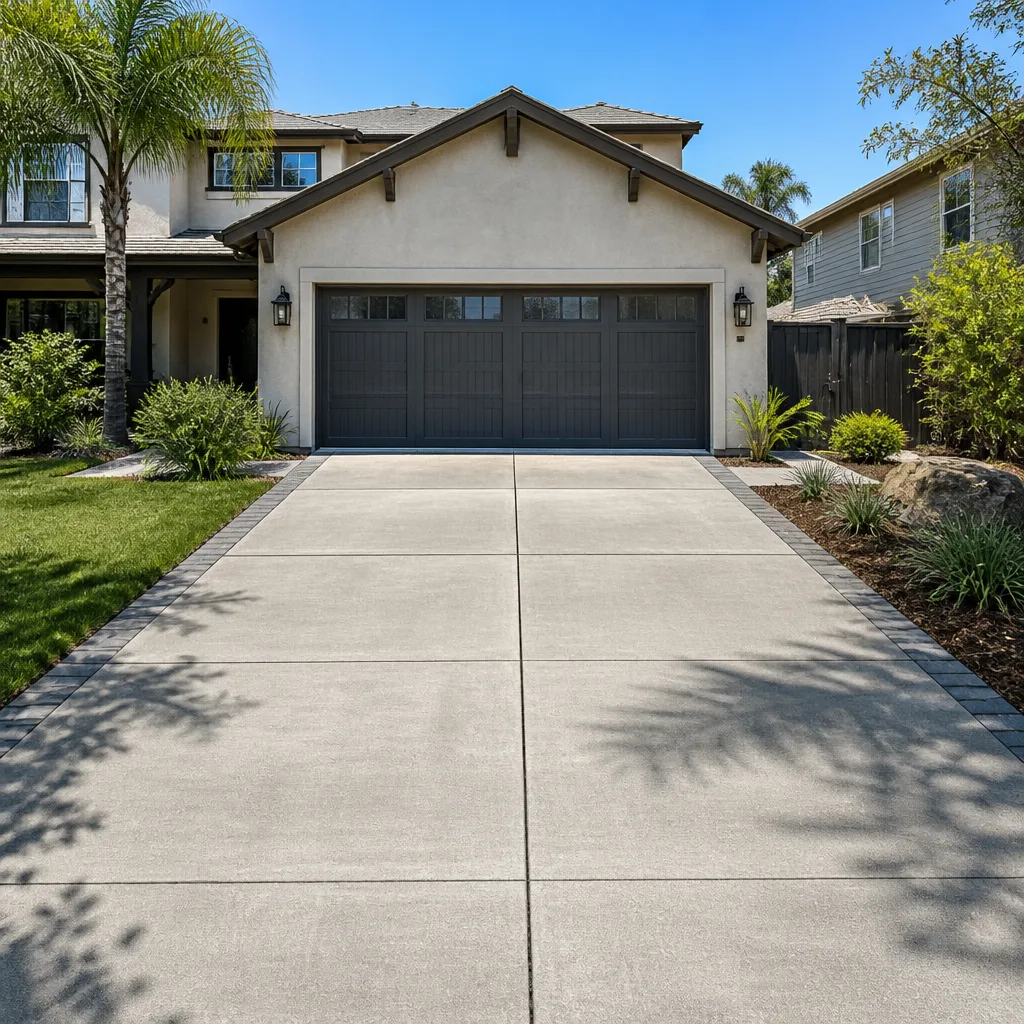
Kitchen Remodeling, Bathroom Remodeling, Roofing, Windows and Doors, Fence Installation, and Driveway and Pavers all sit in the same seven-trade orbit – each has its own DIY boundary. Paving a driveway in Orange with Driveway & Pavers in Orange work, for instance, is one of the more forgiving areas for a motivated homeowner, while a pergola rebuild inside Fence Installation in Orange scope raises different questions about footings and permitting. The Rowan Construction Group Orange home page is the place to start if you want to see how the trades divide up.
How to Vet the Contractor You Do Hire
If the honest conclusion of this guide is that you’ll hire a professional for the parts you can’t legally do, the next question is how to make sure the professional is worth the money. Here’s the checklist we’d use ourselves.
- Ask for the license number in writing, before any work starts. Verify it on the state board’s lookup. Any hesitation is a red flag.
- Demand a written price, not a “ballpark.” Under Clause 1 of the Haven Standard, the price is written before anyone starts. Any contractor who won’t put a number in writing is telling you something about the number.
- Ask who pulls the permits. The licensed contractor pulls the permits. If they’re asking you to pull them as the owner-builder, they’re offloading liability onto you.
- Get a written scope that names brands. Sterling, Grohe, GAF, CertainTeed – a quote that names brands and models is a quote you can compare line by line. A quote that says “premium fixtures” is not.
- Ask about change orders. No work proceeds on a change until the change order is signed. That discipline is what keeps real projects within a few percent of the agreed price, not the fantasy of a budget that never moves.
- Request a Free Second Opinion on any written estimate. Bring a competitor’s quote and we’ll review it line by line at no charge. It’s a standing offer.
Sourcing depth matters here, too. A contractor working across fifty-plus vetted brands can put honest numbers in the quote instead of inflated ones, because they’re not tied to a single manufacturer’s margin. KraftMaid and Wellborn cabinets, Cambria and Caesarstone countertops, Kohler and Toto fixtures – the brand names in a written quote are evidence that the number was built with intent, not pulled out of the air.
Common Mistakes to Avoid
- Pulling an owner-builder permit on a rental property. The exemption applies to your primary residence. Build an ADU on a rental under an owner-builder permit and the permit can be voided at final.
- Doing the panel work yourself because “it’s just a subpanel.” Electrical panel work is C-10 territory. Every hour spent on it is unpermitted and uninsured the moment anything goes wrong.
- Selling within one year of completion. California restricts owner-builder resale inside twelve months. Plan the build around your known timeline, not around a hopeful one.
- Skipping the soils report on an Old Towne lot. Foundation design follows soils on the historic core’s variable sites. Skip it and plan check will send the plans back.
- Assuming the state ADU law overrides local design review. In Orange’s historic overlay, it doesn’t. Budget for design review if your parcel is inside the boundary.
- Hiring an unlicensed “helper” to save on labor. The owner-builder exemption specifically excludes hired unlicensed labor. That clause is a trap.
- Waiting until after drywall to check the rough inspections. A missed rough inspection forces the drywall off. That one mistake can wipe out every dollar you saved on paint and tile.
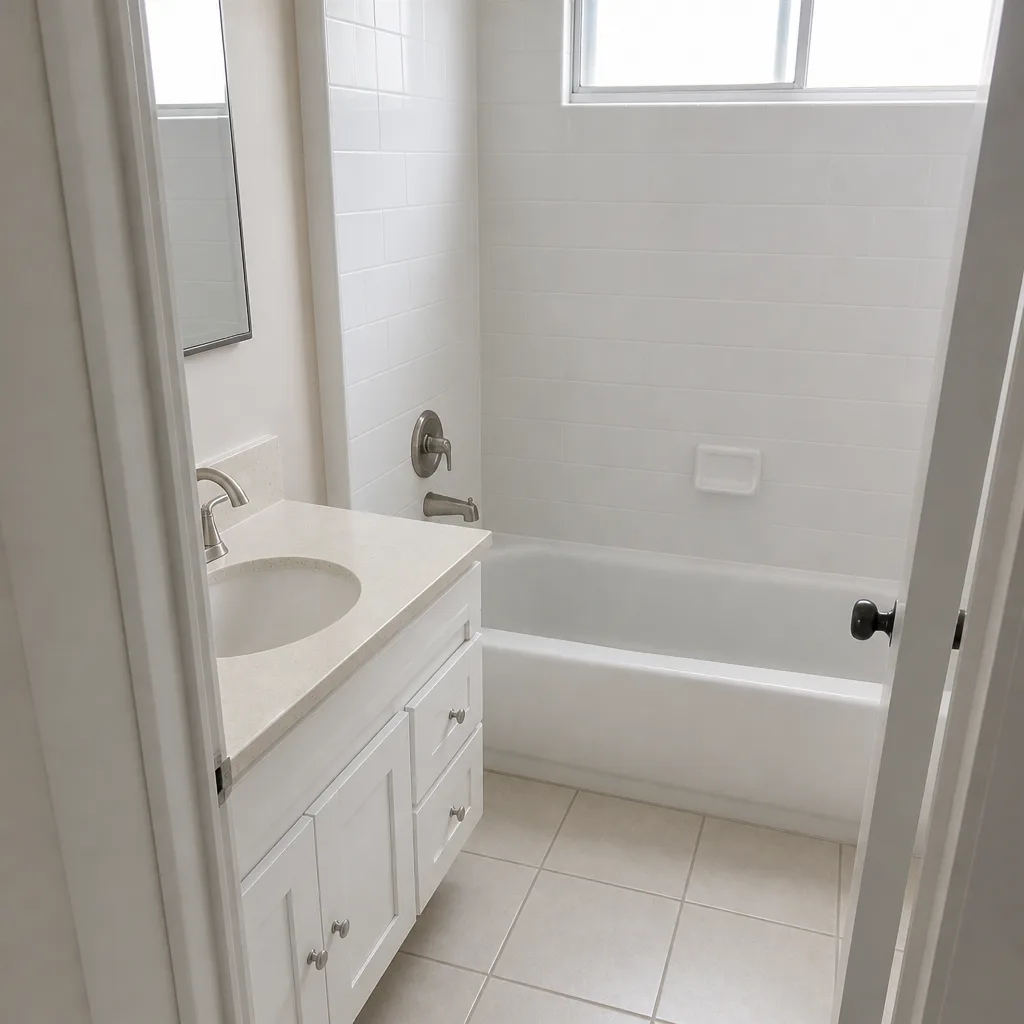
See the difference
 Before
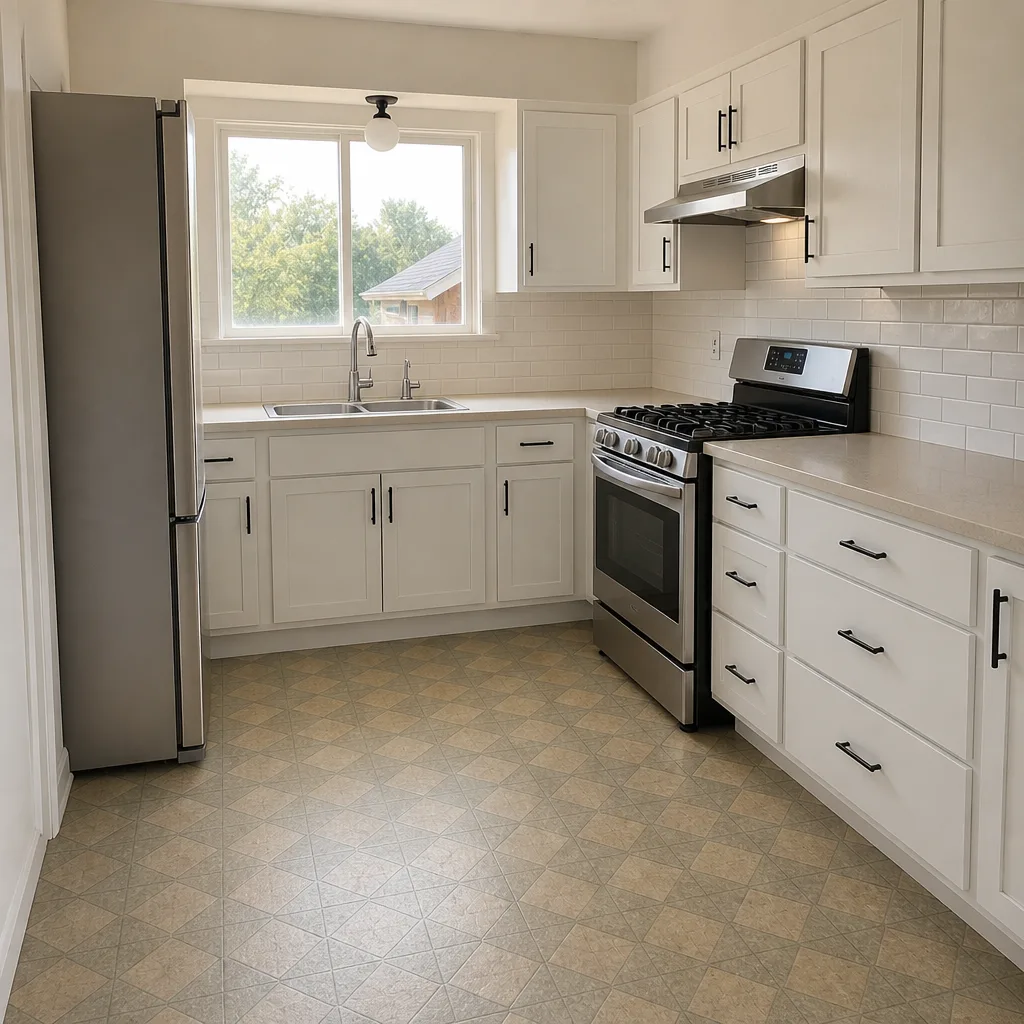 After
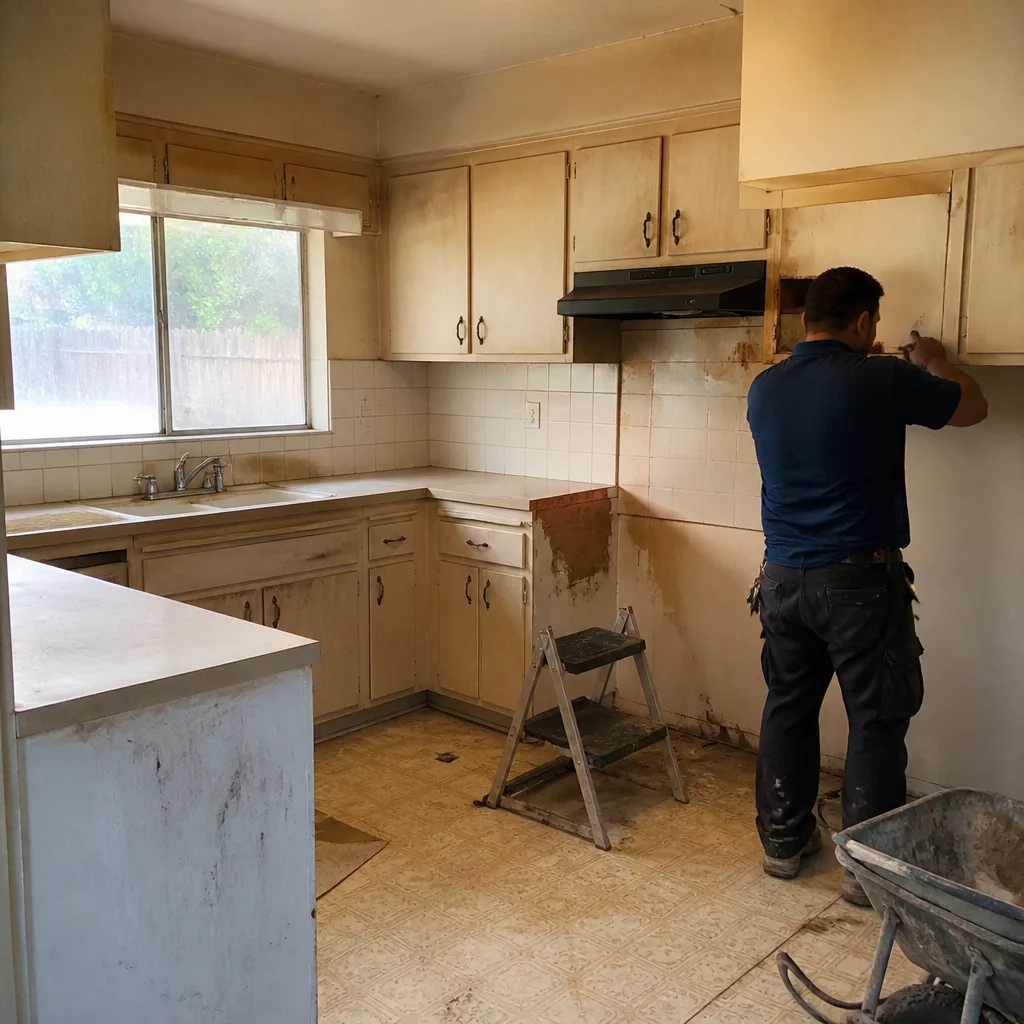 Before
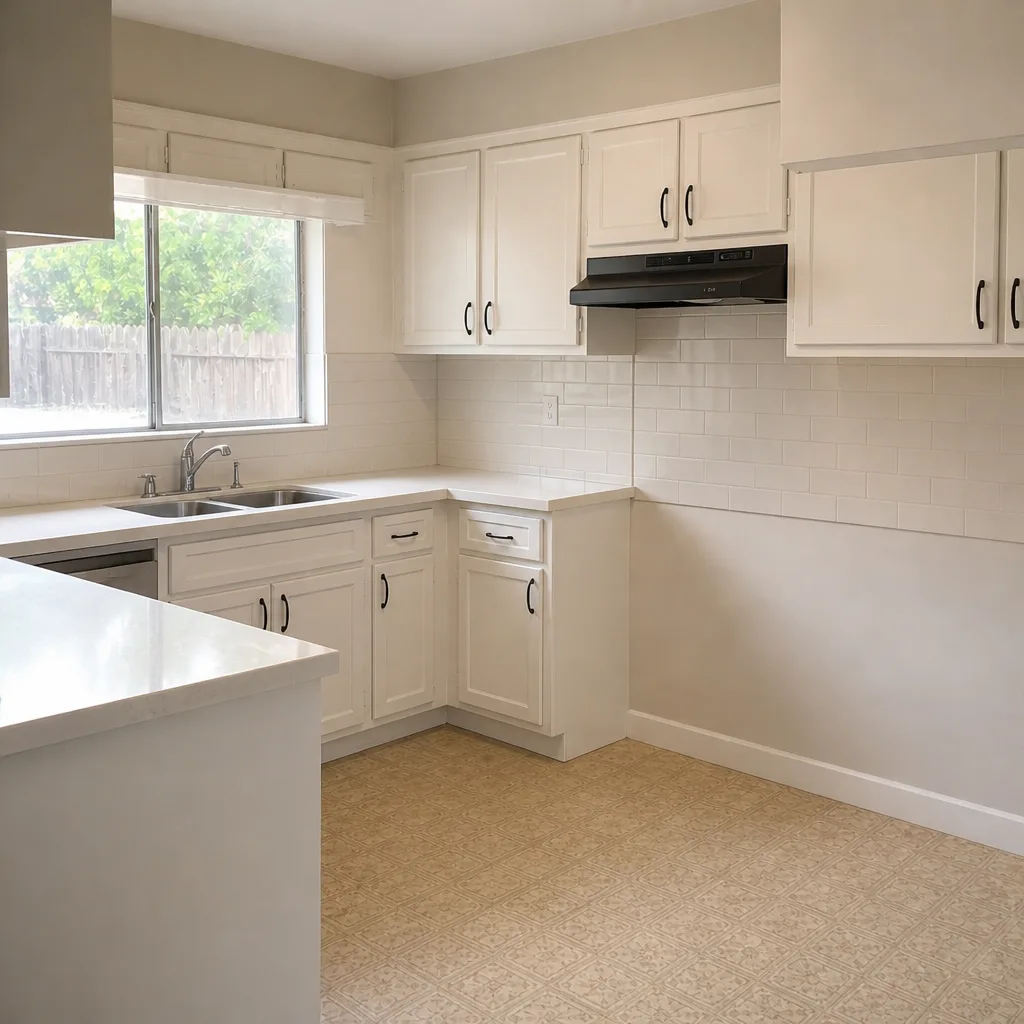 After
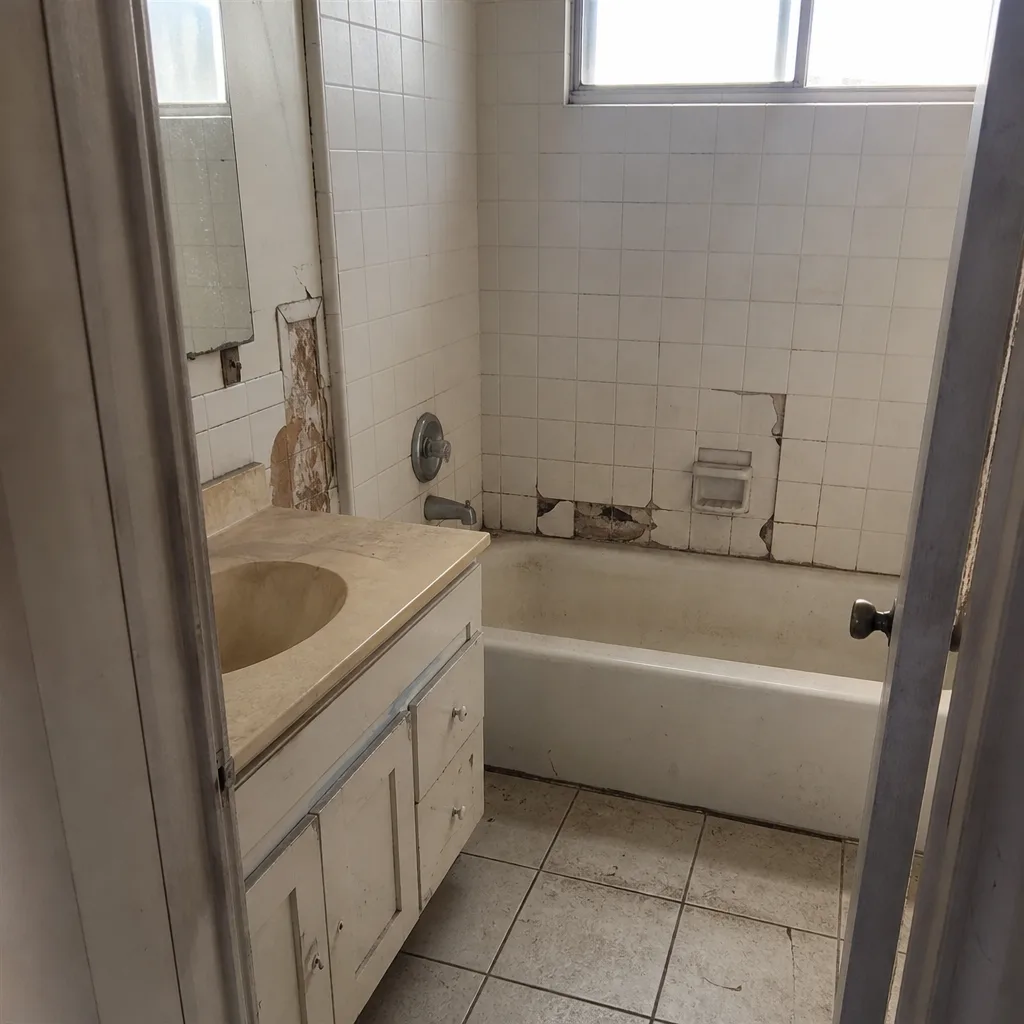 Before
 After
When to Call a Professional
You should call a licensed professional if any of the following apply: the work involves a service panel upgrade or a new subpanel, any gas line to a new appliance or ADU kitchenette, a foundation or slab pour, engineered structural framing with an engineer’s stamp, a roof warranty you actually want to keep, or a hillside parcel anywhere in Orange with grading or retaining implications. Those are the categories where California law and a homeowner’s insurance policy will both make the same argument, and neither is one you want to lose. Rowan Construction Group Orange offers free estimates in Orange – call (844) 320-7508 to schedule yours, and bring any competitor’s quote you already have. Estimates are free, the second opinion on a written estimate is free, and the price on the page is the price on the page.
Frequently Asked Questions
Yes, you can pull an owner-builder permit on your primary residence in California, including for an ADU, but the exemption does not let you hire unlicensed labor and it does not override the licensed-trade requirements for electrical panel work, gas lines, or engineered structural framing. You sign a declaration accepting personal liability for the project. If the property is not your primary residence, the exemption generally doesn’t apply. Call (844) 320-7508 if you’re unsure whether your specific property qualifies.
Electrical panel and service work (C-10), gas line installation (C-36), and engineered structural framing all require a licensed contractor regardless of owner-builder status. Attempting any of these as a homeowner can void the permit and leave the work unpermitted, which then triggers insurance exclusions and can cloud the title at sale. Call (844) 320-7508 for a written quote on any of those trades.
A 400-square-foot detached ADU in Orange typically lands in the $130,000 to $220,000 range for a fully permitted, contractor-built project, with design and permit fees adding $10,000 to $19,000 on top. The largest cost drivers are the licensed trades, not the finishes. A homeowner who handles tile and paint might save $8,000 to $14,000. Call (844) 320-7508 for an exact quote on your specific lot – estimates are free.
If you complete owner-builder work on your primary residence and sell within twelve months, the exemption’s protection narrows and the buyer’s lender or insurer may require additional inspections before funding. The restriction was written to stop unlicensed contractor activity, but it catches honest homeowners too. Plan your build around your actual timeline, not a hopeful one.
Often no. California homeowner policies commonly exclude claims tied to faulty workmanship or to “work performed by or on behalf of the insured,” and unpermitted DIY additions frequently fall into both. A fire in homeowner-installed electrical or a gas leak in a homeowner-installed line is typically denied. The remedy is to use licensed trades for the covered work and keep every inspection record. Call (844) 320-7508 to talk through what a permitted build looks like.
A detached ADU in Orange typically runs six to nine months from signed contract to final inspection, with permitting adding two to four months ahead of that. Additions on the main house usually run five to seven months. The schedule is realistic for the trades involved. Call (844) 320-7508 to schedule a free estimate and a written timeline.
Not unless you sign a change order. Under the Haven Standard, the written price is delivered before work begins and no change proceeds without a signed change order. That discipline is the reason projects land within a few percent of the agreed cost rather than spiraling. Call (844) 320-7508 to get the written price on your project.
Yes. On any Rowan project, the licensed contractor pulls the permits and carries the inspections through to final. You should never be asked to act as owner-builder unless that’s the specific path you’ve chosen and the trade work is yours. Call (844) 320-7508 with your address and we’ll tell you what permits your project requires.
The Bottom Line
DIY on an addition or ADU isn’t a talent question, it’s a legal and liability question. California’s owner-builder exemption lets you pull permits on your primary residence, but it comes with a personal liability declaration, a one-year resale restriction, and an absolute bar on unlicensed labor. The trades you can never touch – C-10 electrical panels, C-36 gas lines, engineered structural framing – are also the ones your insurance policy will exclude if something goes wrong. The savings live in paint, tile, non-spray insulation, and finish carpentry after rough inspection, and they’re real: $8,000 to $14,000 on a typical Orange ADU. The rest belongs to a licensed contractor with a written price, a written scope, and a permit in their name. That’s the division that keeps the project standing and the claim payable.
Rowan Construction Group Orange delivers a written price before any work starts, pulls the permits, passes the inspections, and hands you a documented photo record when the crew leaves. Fifty-plus vetted material brands, seven trades, and the 365-Day Done Right Promise on every project. Call (844) 320-7508 for a free estimate in Orange – and if you already have a competitor’s written quote, bring it in for a free line-by-line second opinion.
Written by the team at Rowan Construction Group Orange.