Last updated November 18, 2026
Free written scope consultation - allowances, timeline, and change-order rules on paper before a single trade is scheduled
Home Additions & ADU Warning Signs Every Homeowner Should Know
A bid for an ADU that doesn’t include a line item for plan check fees, a soils report, or engineering is either missing $3,000 – $8,000 in real costs or planning to bill them as change orders later. Both are problems, and both show up in the contract, not the construction. In our experience reviewing written estimates, the projects that blow their budgets in Orange and across Southern California were already broken on paper before a single permit was pulled. This guide walks through the exact clauses, omissions, and fee gaps to look for in a bid so you can disqualify the wrong contractor before anyone picks up a tool.
Quick Answer
The biggest warning signs in a home addition or ADU bid are missing permit and plan check fees, vague “allowance” language with no named products or unit prices, no engineering on an addition over 120 square feet, no named licensed subcontractors for electrical and plumbing, and a deposit demand above California’s 10% or $1,000 cap. Any one of these is a reason to ask hard questions; two or more together mean the price you’re being quoted isn’t the price you’ll pay.
Styles & brands we work with
- Kitchen remodeling
- Bathroom remodeling
- Home additions & ADU
- Roofing
- Windows & doors
- Driveway & pavers
- Fence
Table of Contents
- What a Complete ADU Bid Must Itemize
- Contract Language That Signals a Change Order Problem
- Structural Plan Omissions and the 120-Square-Foot Rule
- Subcontractor Disclosure: Who’s Actually Doing the Work
- The Deposit Rule and What Violating It Tells You
- Orange-Specific Signs: Fees, Climate, and Neighborhood Codes
- How to Read a Bid Line by Line
- Common Mistakes to Avoid
What a Complete ADU Bid Must Itemize
A compliant ADU bid reads like an invoice before the work exists. It names every fee, every plan check, every utility connection, and every school impact charge as a separate line with a dollar figure attached. If you’re paying a contractor to manage the permit process, those third-party costs should appear on the page, not arrive later as a surprise. The City of Orange building permit fee schedule is a public document, and any contractor bidding an ADU in Orange should be able to point to the exact line matching your project size.
Here’s what a complete bid must show:
- Building permit fees. Pulled directly from the City of Orange schedule, calculated by square footage and valuation. If the bid omits this, ask which fee schedule the contractor used.
- Plan check fees. Separate from permit issuance. Plan review is billed at an hourly rate above a threshold square footage, and it’s rarely under $500.
- School impact fees. Orange Unified charges per square foot for ADUs. The rate is published annually and it is not small, so a bid without it is missing real money.
- Utility connection fees. Water, sewer, and electrical connection charges for a new dwelling unit on your lot. These can run into the thousands.
- Soils report. Required on most ADU foundations in Southern California’s expansive clay soils. Budget $1,500 – $3,500.
- Engineering. Structural drawings, title 24 energy calculations, and any grading or drainage engineering.
When a bid lists “permits and fees – TBD” or leaves the line blank, the contractor either doesn’t know the local fee structure or is banking on recovering it later. Both are disqualifying. Under Clause 1 of the Haven Standard, the price is written before anyone starts. If the price isn’t written, it isn’t the price.
Contract Language That Signals a Change Order Problem
The three phrases that cost homeowners the most money on additions are “allowance,” “as needed,” and “per plan.” Each one is a placeholder for a decision that hasn’t been made yet, and every decision that hasn’t been made is a negotiation waiting to happen. A $15,000 allowance for cabinets with no brand, no model number, and no unit price is a blank check. So is “plumbing rough-in per plan” when there’s no plumbing plan attached to the contract.
Here’s how to test whether an allowance is honest or a workaround:
- Named product, named price. “KraftMaid Deveron maple cabinets, 30 linear feet, $9,400” is honest. “Cabinets – $12,000 allowance” is not.
- Unit prices for upgrades. If you exceed the allowance, what’s the per-unit cost? A written contract answers that before work begins, not after.
- Signed change orders. No work proceeds on a change until the change order is signed. A contractor who resists that language in writing is telling you something about how change orders will go.
- “Per plan” with an attached plan. Fine if the drawings are appended. A problem if they’re not.
We’ve seen additions in Orange where a $20,000 “allowance” line item became a $38,000 change order because the specifications were never written down. The number that appears in the bid isn’t the number the homeowner should trust; the number that appears in a signed change order is.
Structural Plan Omissions and the 120-Square-Foot Rule
In California, any addition over 120 square feet requires engineered drawings stamped by a licensed structural engineer. This isn’t a gray area. It’s in the building code, and it applies whether the addition is attached to the house or freestanding. A contractor who offers to “skip the engineer to save money” is describing an unpermitted structure, and an unpermitted structure is a problem you inherit, not one you save your way out of.
The warning signs in a bid:
- No line item for engineering. If drawings aren’t on the pricing sheet, they aren’t in the scope.
- Phrases like “we’ll use the existing plans.” Existing plans from a previous project rarely match your lot, your setbacks, or your structural condition.
- No mention of Title 24. Energy compliance documentation is required on nearly all ADUs and is a separate cost.
- No mention of a soils report. Expansive clay is common across Orange and much of the county; foundations without a soils report are a repair waiting to happen.
- Engineering “included” with no dollar value. Included means free the same way “no cost” pavers on a driveway quote means free – which is to say, it’s buried somewhere.
Unpermitted structures fail at resale, at refinance, and at insurance. In Orange, where additions and ADUs sit on lots as narrow as 50 feet, an unpermitted structure often violates setback requirements too, which means removal, not remediation. Ask to see the engineering scope in writing before signing anything. Any reputable contractor will show it.
Subcontractor Disclosure: Who’s Actually Doing the Work
California law requires a licensed contractor to disclose in the bid which licensed subcontractors will perform specialty work – specifically electrical, plumbing, HVAC, and sometimes roofing. This disclosure isn’t a formality. It’s the mechanism that tells you who is legally responsible for the work inside your walls, and it’s how you verify that the people touching your gas lines and electrical panel are licensed.
A bid that names no subcontractors for electrical and plumbing is a red flag for one of two reasons: the contractor hasn’t actually lined up the crews yet, or the contractor plans to have unlicensed helpers do the work. Both are your problem. Both show up in your permit file.
When you ask for the disclosure, look for:
- Subcontractor legal business names, not just first names.
- License numbers you can verify on the CSLB website in under a minute.
- Which trades each sub will do, spelled out.
- Proof of workers’ compensation insurance for each sub. This is a legal requirement, and a sub without it is a claim against your homeowner policy waiting to happen.
Read the three-star reviews on any contractor you’re considering and you’ll nearly always find the same complaint: “the crew changed three times.” That’s a disclosure problem. Background-checked, uniformed technicians on every visit isn’t a luxury; it’s what a serious operator commits to in writing.
The Deposit Rule and What Violating It Tells You
California Business and Professions Code Section 7159 caps the initial deposit on a home improvement contract at 10% of the contract price or $1,000, whichever is less. That cap applies to permitted projects, and no amount of “our standard terms are 30% down” overrides it. A contractor who asks for 30 – 50% upfront on an ADU or addition is either ignorant of the statute or choosing to ignore it – and either answer is disqualifying.
Here’s the safer test: what happens when you push back?
- The good answer: “You’re right, the deposit is 10% or $1,000. Progress payments are tied to milestones you can see.”
- The bad answer: “That’s just how we do it.”
- The worst answer: “We need the deposit to buy materials for your job.”
A contractor who can’t fund materials on a permitted project without front-loading your deposit is a contractor with a cash flow problem, and a cash flow problem is how projects stall in month three. Progress payments tied to milestones you can photograph are the standard for serious operators and the standard for you. Same for the paper trail: a written photo record on every visit, included with the invoice, not billed as an upgrade. If a contractor doesn’t already do that, they aren’t going to start with you.
Orange-Specific Signs: Fees, Climate, and Neighborhood Codes
Orange has a few local quirks that show up in every honest ADU bid and disappear in every dishonest one. The City’s permit fees are public, so a bid that “estimates” them is telling you the contractor hasn’t done the homework. Orange Unified’s per-square-foot school fee applies to ADU square footage; it’s published annually and any bid missing it is missing real money. And the soils under much of Orange – particularly in the older neighborhoods near the Plaza and along the eastern hills – are expansive clay that shifts with the wet-dry cycle, which is why a soils report is standard on foundation work here and why a bid without one raises questions.
Two more local patterns worth flagging:
- Setback math. Many Orange lots, especially in the older tracts, are tighter than the City’s current rear and side yard requirements. A bid for an addition that doesn’t address the setback calculation in writing is likely to hit a plan check correction – which means months of delay and a change order to revise drawings.
- Fire zone requirements. Parts of Orange fall under Very High Fire Hazard Severity Zone rules that affect roof assemblies, vents, and window glazing. A bid that doesn’t mention fire-rated materials on an addition in these areas isn’t fully scoped.
The pattern is consistent: the bids that pass plan check without corrections are the ones where the contractor already knows what the City is going to ask. If the proposal reads like it could be for anywhere – and not specifically for Orange – the contractor either hasn’t built here or isn’t paying attention. Neither is who you want on a project of this size.
How to Read a Bid Line by Line
Here’s a practical method to review any written estimate on a home addition or ADU, and it works whether you’re comparing three bids or just one. Set aside 20 minutes, a pencil, and a stack of competing offers and use this:
- Match the fee lines. Every bid should have separate lines for permit, plan check, school fees, utility connections, soils, engineering, and Title 24. If any are missing, mark them with a “$? ” and add the conservative estimate in your head. That’s the real cost of the bid.
- Circle every “allowance,” “as needed,” and “per plan.” For each one, ask: named product? unit price? If both answers are yes, it stays. If either is no, ask for it in writing before you sign.
- Verify subcontractor license numbers. Look them up on the CSLB website. Should take under five minutes for the whole list.
- Find the deposit language. Ten percent or $1,000, whichever is less. Anything else needs an explanation you’re willing to accept in writing.
- Look for the change order clause. The bid should state, in plain language, that no change proceeds without a signed change order. If that sentence isn’t there, ask for it to be added.
- Compare scope, not totals. Two bids can show different totals because one is missing $10,000 in fees. The number that matters is the all-in number including the fees that should be on the page.
Bring a competitor’s quote to us if you want a second read. The Home Additions & ADU in Orange service page describes how we structure our own written pricing and what a fully-itemized bid looks like, and a free second opinion on any written estimate is a standing offer – line by line, no charge.
Common Mistakes to Avoid
- Comparing totals instead of itemized scopes. A $180,000 bid with $10,000 in fees missing isn’t cheaper than a $190,000 bid that includes them – it’s a $190,000 project you’ll pay $205,000 for.
- Accepting “we’ll get to the engineering later.” Engineering is part of design, and design is part of bid. Later is how projects end up unpermitted in Orange, where the City will require you to remove or remediate, not just amend.
- Signing an allowance-heavy contract because the total looks lower. Allowances are where the difference between the quoted number and the final number lives. Name the product, name the unit price, or don’t sign.
- Paying a 30% deposit “because everyone does it.” Everyone doesn’t. Section 7159 is clear, and a contractor who’s operating legally will know the number without looking it up.
- Not asking for subcontractor licenses. The electrician wiring your new panel is the one whose work can kill someone. You should know their name and license number before the first nail goes in.
- Skipping the soils report to save $2,500. In Orange’s clay, the foundation repair on the back end regularly runs five to ten times that amount.
- Choosing on personality. The contractor who’s best in the room is rarely the contractor whose contract is best on paper. Read the contract first; meet the person second.
See the difference
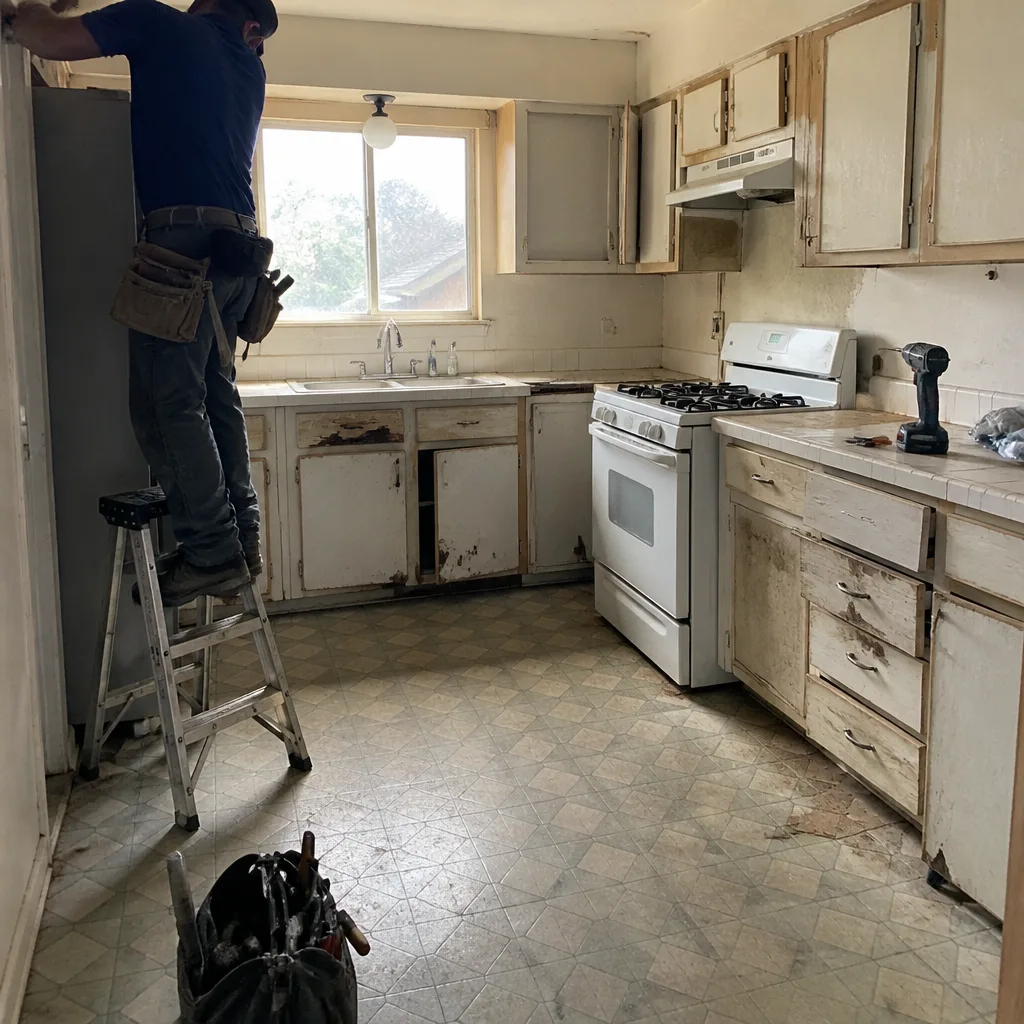 Before
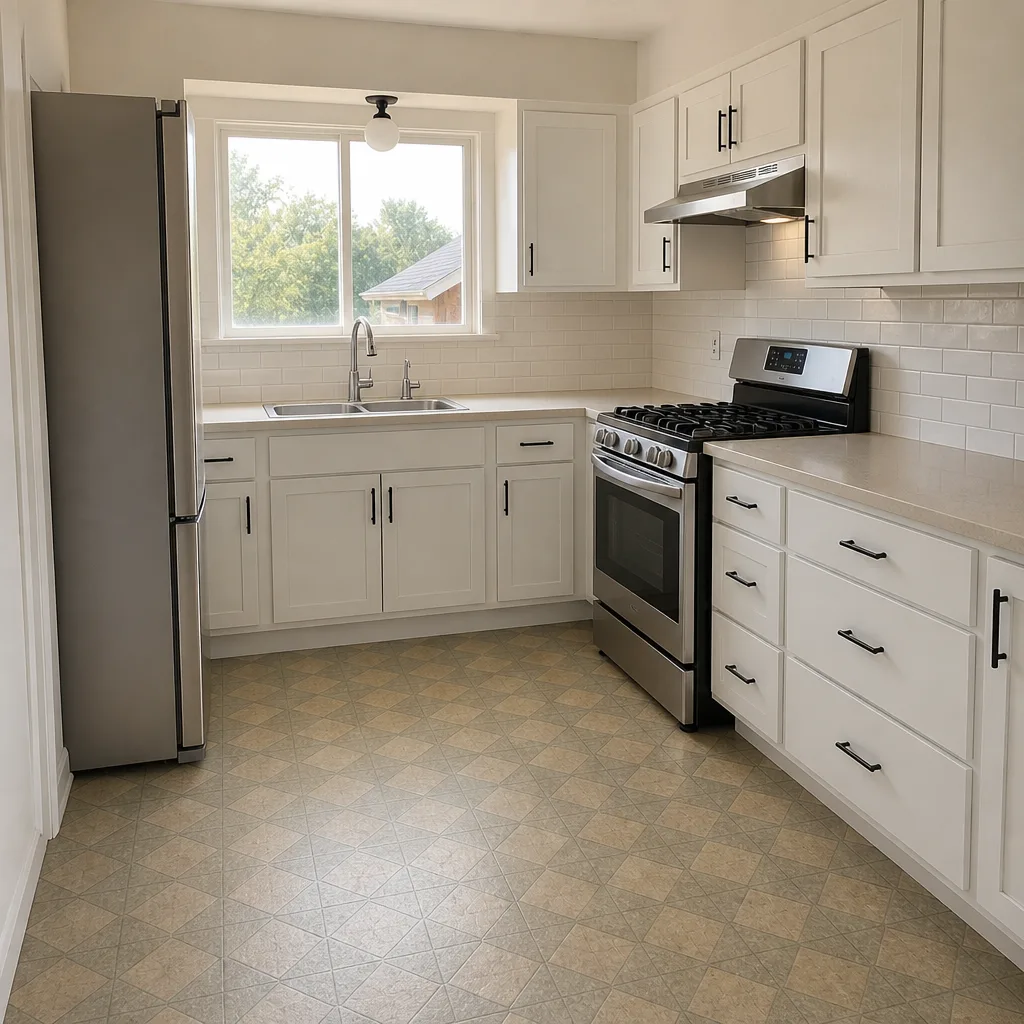 After
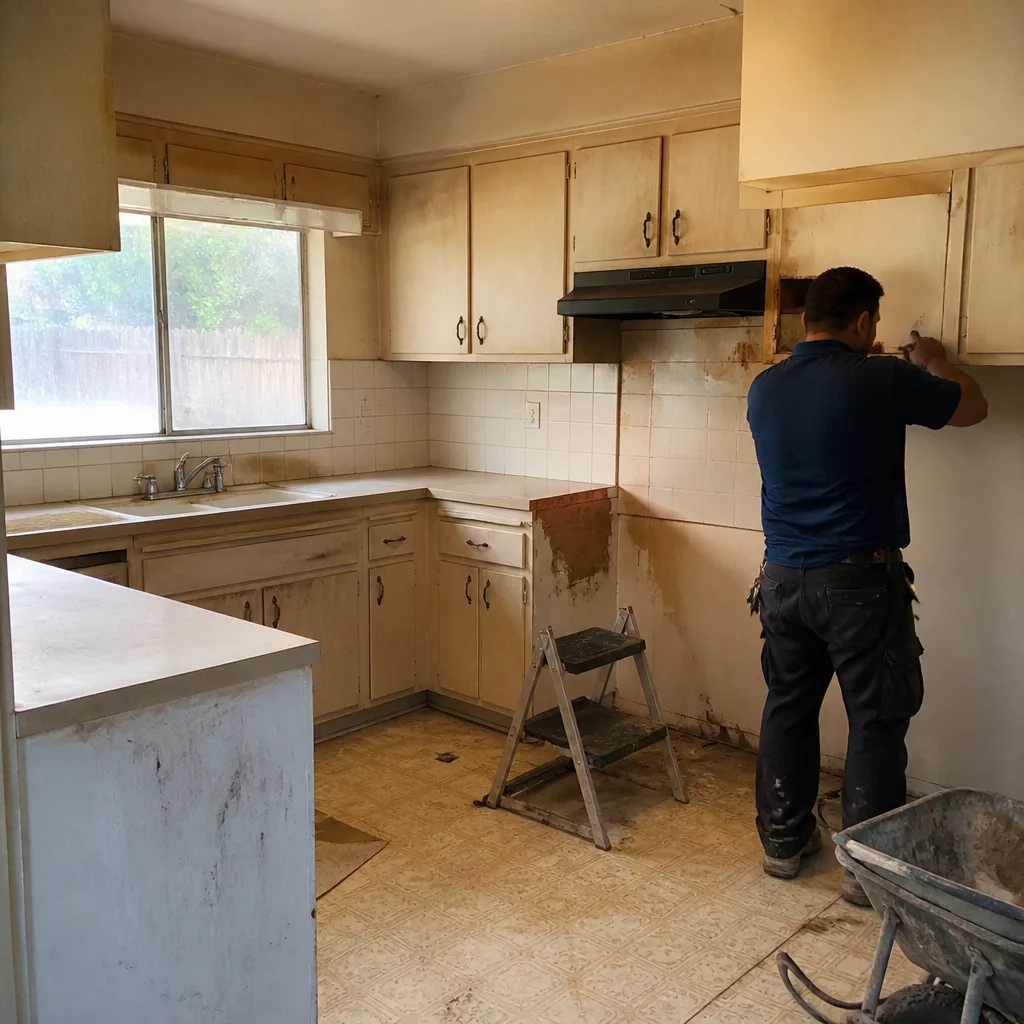 Before
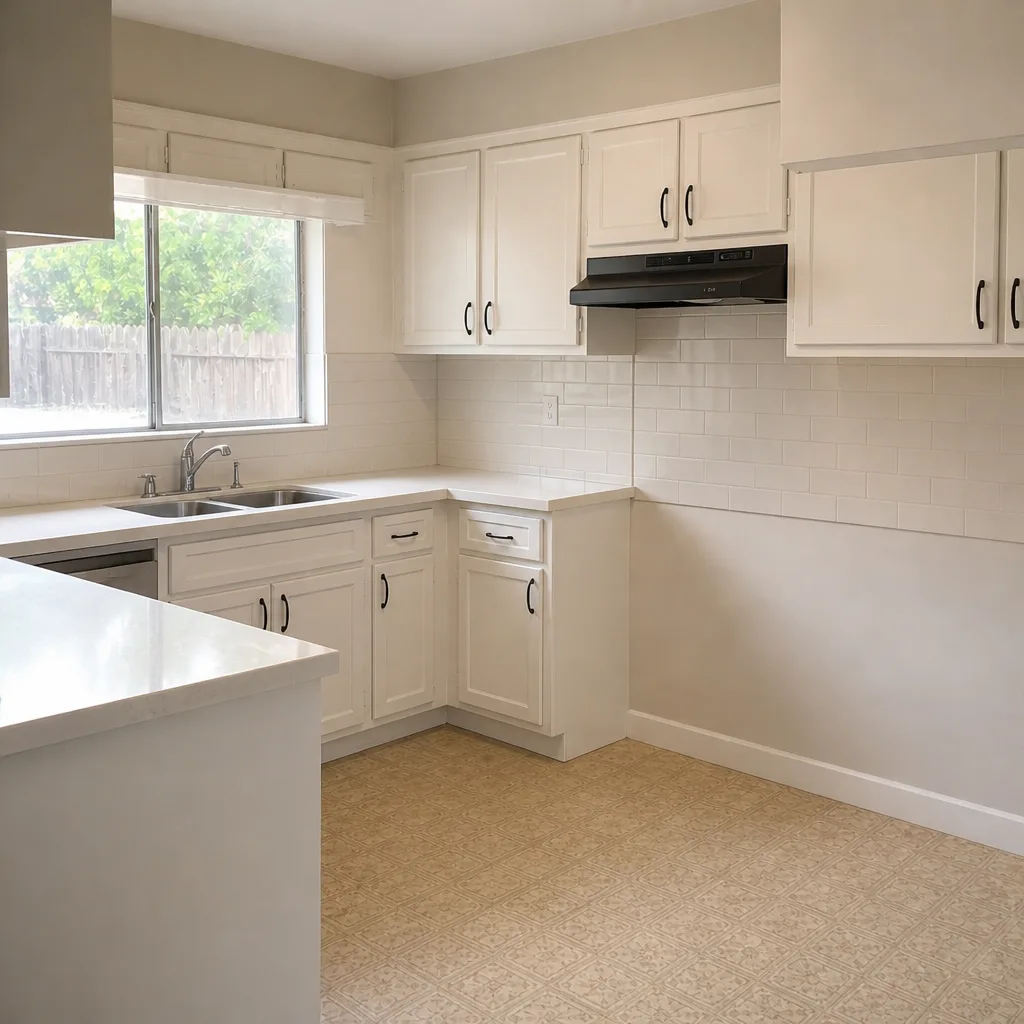 After
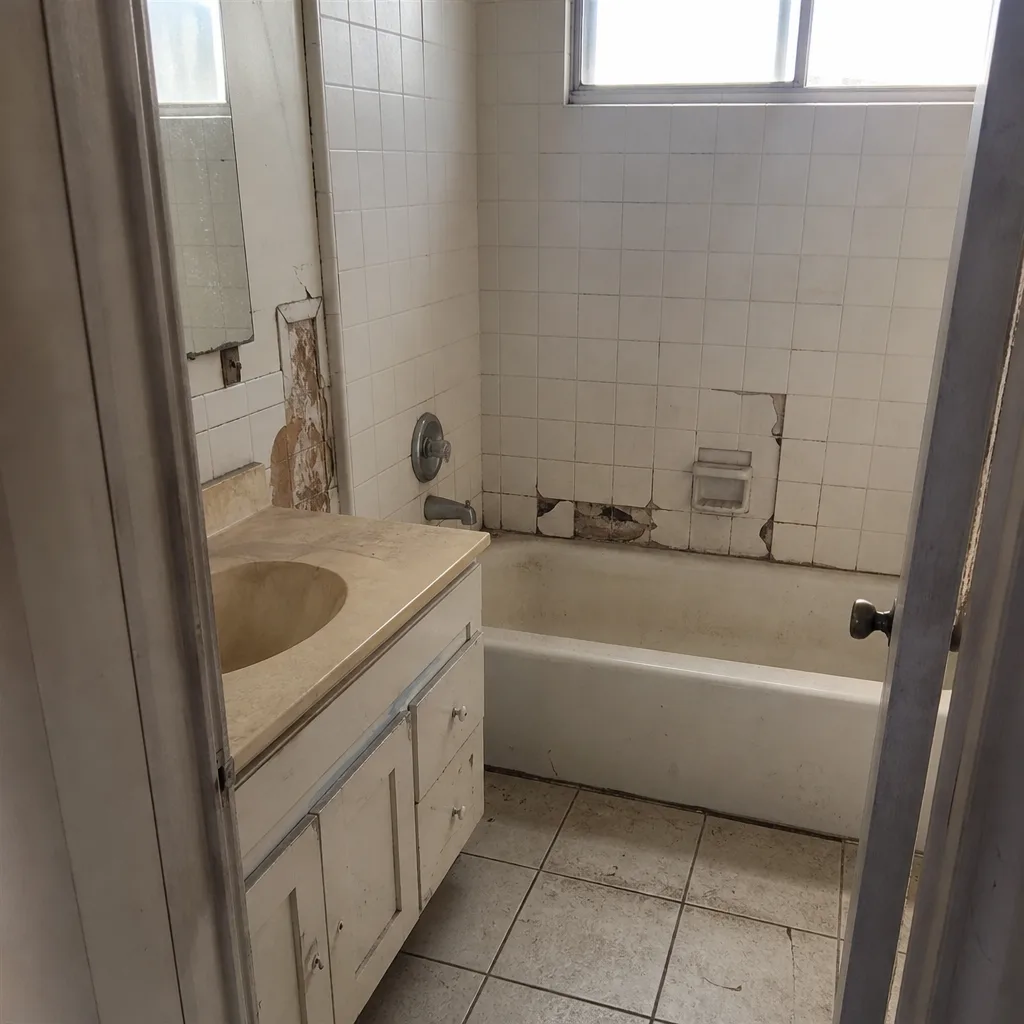 Before
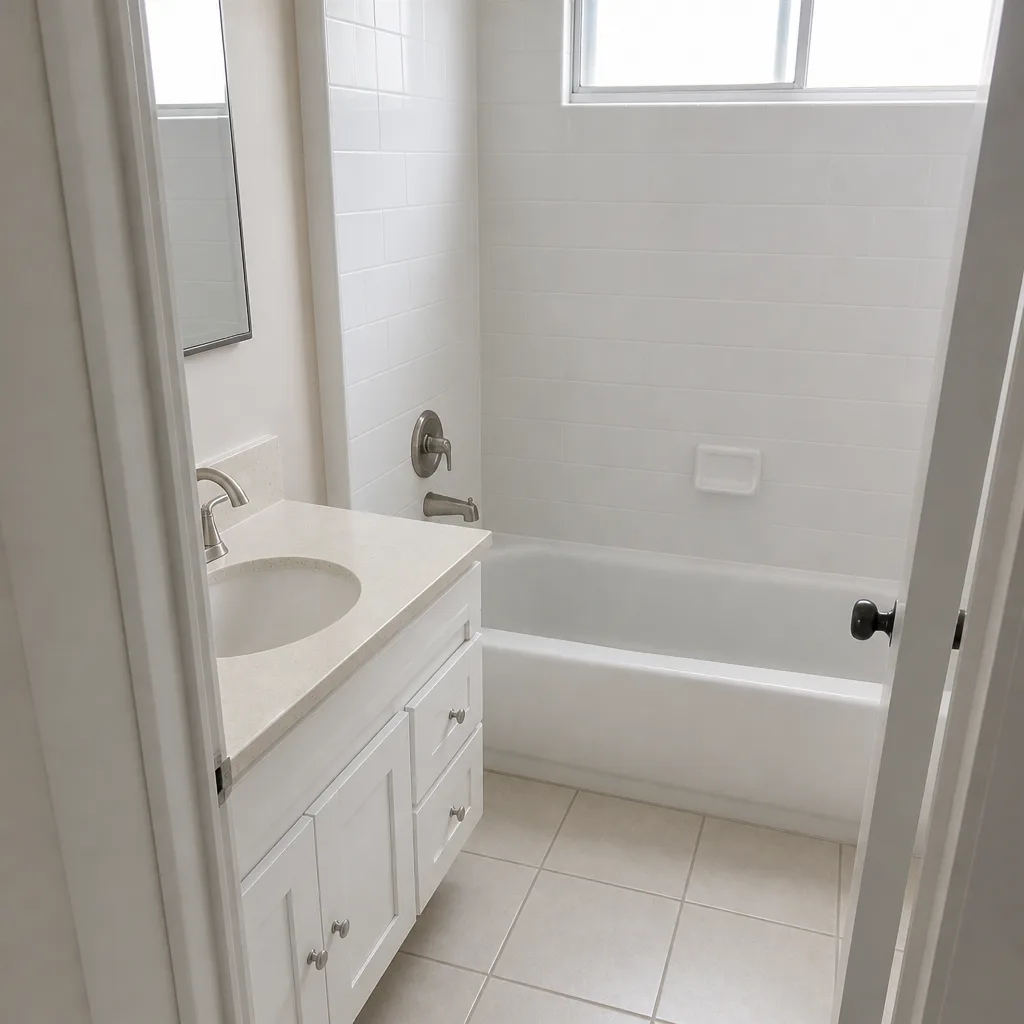 After
When to Call a Professional
Call a licensed contractor before you sign anything, and definitely before anyone breaks ground. That’s the moment when a second pair of eyes on the bid is cheapest – and when the gaps in a proposal are easiest to catch. If you’re considering an addition or ADU in Orange and you’re staring at a bid that doesn’t show permit fees, doesn’t name products, doesn’t disclose subs, or demands 30% down, that’s the moment to pick up the phone, not after the loan is drawn. Structural, electrical, and gas work on additions are not DIY categories; the consequences of getting them wrong are measured in safety and resale, not just dollars. Rowan Construction Group Orange offers free estimates in Orange – call (844) 320-7508. If you have a competitor’s bid, bring it and we’ll review it line by line at no charge before you commit to anything.
Frequently Asked Questions
A realistic all-in range for a permitted ADU in Orange starts around $180,000 for a smaller conversion and runs to $400,000+ for a detached new-construction unit, including permit fees, plan check, school fees, utility connections, soils, and engineering. A bid that shows a lower number without those fees is showing a smaller scope than you asked for. Call (844) 320-7508 for a free line-item review of any bid you’re holding.
No. Under California code, any addition over 120 square feet requires engineered drawings stamped by a licensed structural engineer. A contractor who offers to skip it is describing an unpermitted structure, and unpermitted structures create resale, refinance, and insurance problems that cost far more than the engineering itself. Call us for a written assessment before you go down that road.
Under Business and Professions Code Section 7159, the initial deposit is capped at 10% of the contract price or $1,000, whichever is less. Progress payments tied to visible milestones are standard beyond that. If a bid asks for 30% or more upfront, that’s a reason to walk – or at least to get a second opinion before signing. Call (844) 320-7508 for a free review.
Almost always because one bid is missing fees that the other includes, or because one uses allowances where the other uses named products with unit prices. The important number is the all-in total including permit, plan check, school, utility, soils, and engineering costs. If you’re comparing, put them side by side and add back what’s missing. Call us to walk through both at no charge.
Usually yes. Much of Orange sits on expansive clay soils that shift significantly between wet and dry seasons, and a foundation designed without a soils report is a foundation repair waiting to happen. The report typically costs $1,500 – $3,500, and it should appear as an explicit line item in an honest bid. Call (844) 320-7508 for an exact quote on your lot.
It shouldn’t. A written flat price with a written scope and a written warranty is what serious operators commit to, and no change proceeds without a signed change order. That discipline is how projects finish within a few percent of the number agreed at signing, instead of 15 – 25% over. Call (844) 320-7508 for a written price before anything begins.
The Bottom Line
The warning signs on an addition or ADU project live in the paperwork. Missing fees, vague allowances, no engineering, unnamed subcontractors, and outsized deposit demands are all visible before a shovel hits the ground – and any one of them is a reason to ask hard questions, not to hope for the best. Read the bid the way you’d read a mortgage disclosure: line by line, with a pencil, and with the mindset that the number on the page is the only number that matters. If it’s not in writing, it’s not the price. For the written version of what a real estimate should look like, see what we put on the page for Driveway & Pavers in Orange or Fence Installation in Orange – same discipline, smaller scope. If you’re ready for a written price and a free second opinion on any estimate you’ve been given, call Rowan Construction Group Orange at (844) 320-7508 to schedule your free estimate.
Written by the team at Rowan Construction Group Orange.