Last updated November 18, 2026
Free written scope consultation - allowances, timeline, and change-order rules on paper before a single trade is scheduled
The Complete Driveway & Pavers Guide for Orange Homeowners
Orange sits on expansive Montebello-series clay that can exert up to 10,000 pounds per square foot of uplift pressure during a wet winter – a force that destroys a 4-inch compacted base the same way a frost heave does in Minnesota, just without the warning of snow. That single fact reframes every decision in this guide, because the pavers themselves are rarely the failure point. The ground under them is. What follows is the sizing we use for Orange lots specifically: how deep the base actually needs to go, how the City of Orange encroachment permit process works, what paver materials cost in the Orange-area market, how to pick joint sand for Southern California’s UV and rain-then-dry cycles, and which edge restraint holds up on the sloped driveways common east of the Plaza.
Quick Answer
A driveway in Orange needs a compacted base of 8 to 12 inches of crushed aggregate over geotextile fabric – not the 4-inch base in most national guides – because the expansive clay beneath most Orange lots moves with every wet-dry cycle. Installed paver driveway costs in the Orange area run roughly $14 to $26 per square foot in concrete pavers, $24 to $42 in natural stone, and $18 to $32 in permeable pavers, with the higher end tied to base depth, drainage correction, and sloped-lot edge restraint.
Styles & brands we work with
- Kitchen remodeling
- Bathroom remodeling
- Home additions & ADU
- Roofing
- Windows & doors
- Driveway & pavers
- Fence
Table of Contents
- Why Orange’s Soil Decides Whether Your Driveway Lasts
- How Deep Should the Base Actually Be?
- The City of Orange Encroachment Permit Process
- Concrete Pavers vs. Natural Stone vs. Permeable Pavers: Cost Comparison
- Choosing Joint Sand for Southern California Conditions
- Edge Restraint: Aluminum Spike-Down vs. Concrete Border
- Drainage on Sloped Orange Lots
- Maintenance Calendar for an Orange Driveway
Why Orange’s Soil Decides Whether Your Driveway Lasts
Montebello-series clay is the dominant soil type across much of Orange, and it behaves very differently from the sandy loams you’ll find toward the coast. Clay particles are plate-shaped and stack like wet paper. When they absorb water, the plates slide apart and the soil volume increases; when it dries, the mass shrinks and cracks. On a driveway, that cycle repeats every rainy season and every dry summer. The upward pressure against a slab or paver base can reach the 10,000 pounds per square foot figure cited earlier during a saturated winter – which is why driveways in Orange that were built to a national 4-inch aggregate spec typically crack or settle within eight to twelve years, while driveways built to a proper clay-soil spec last thirty or more.
In our experience working Orange lots, the tell-tale signs of soil movement under an existing driveway are:
- Widening cracks that reappear at the same line after patch repairs
- Paver edges that heave upward in late winter and settle back by June
- A visible dip near the apron where the driveway meets the public sidewalk
- Water pooling at the low corner after every rain rather than draining to the street
- Separation between the driveway and garage slab, often a quarter-inch or more
The old Plaza district and neighborhoods near Hart Park deal with heavier clay than hillside lots toward Orange Park Acres, where the slope and drainage patterns change the equation. Either way, the fix is rarely the pavers. It’s the assembly under them – aggregate, fabric, and restraint – that has to be sized to the ground.
How Deep Should the Base Actually Be?
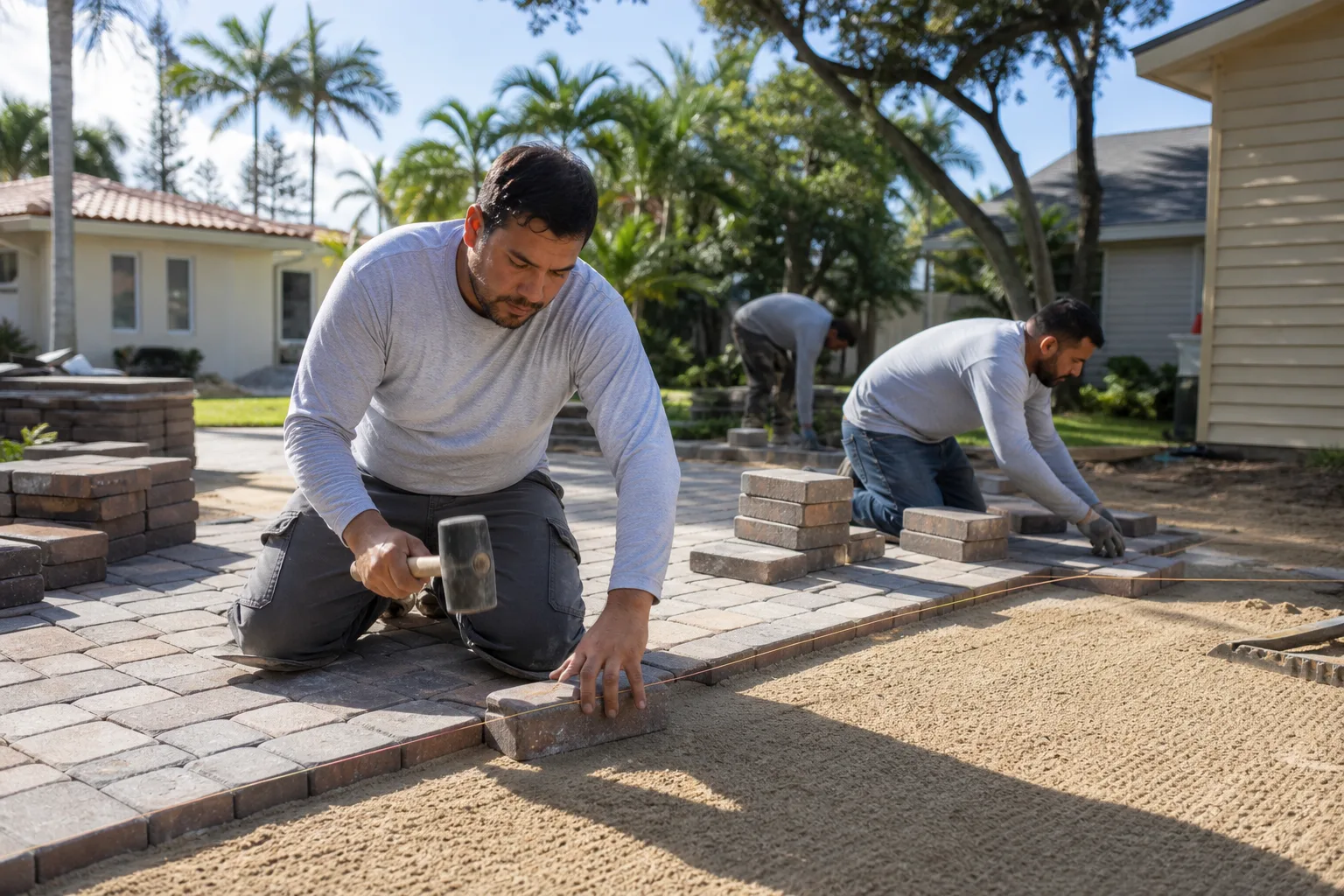
For Orange’s expansive clay, the minimum compacted base is 8 inches of Class II crushed aggregate, and 10 to 12 inches is common on driveways that see heavy vehicles or sit on the worst clay. That’s a real departure from the 4-inch spec most national guides print, and it roughly doubles the material and excavation time. Here’s the base assembly we specify for Orange driveways, in order:
- Excavate to subgrade and proof-roll the exposed clay to identify soft spots. Any soft area gets over-excavated and replaced with aggregate.
- Lay a non-woven geotextile separator fabric across the subgrade to prevent clay fines from migrating up into the aggregate and destroying drainage.
- Place Class II base in 3-inch lifts and compact each lift with a vibratory plate to 95% relative compaction. Skipping the lift-and-compact cycle is the single most common failure.
- Check grade and slope at 1.5 to 2 percent away from the garage so water moves to the street, not back against the foundation.
- Set a sand bedding layer of 1 inch, screeded flat, never used as a leveling fix over an uneven base.
- Install edging and pavers, then compact the finished field and sweep joint sand into the gaps.
The 8-to-12-inch base adds roughly $4 to $7 per square foot to the installed cost versus a 4-inch base, which is why some Orange quotes come in noticeably lower than others. If a bid doesn’t itemize base depth, ask for it in writing before you compare it to anything.
The City of Orange Encroachment Permit Process
Any driveway work that touches the public right-of-way – the apron where your driveway meets the sidewalk, the curb cut, or any portion of the driveway within the city right-of-way – requires an encroachment permit from the City of Orange. Work entirely behind the property line and behind the sidewalk typically does not, but “typically” is the word to confirm with the city before you dig.
The permit fee in the Orange area runs about $150 to $400 depending on the scope of right-of-way work, and the sequence goes like this:
- Submit the encroachment permit application with a plan showing the apron width, slope, and curb cut dimensions.
- Pay the fee and receive the permit. This step alone can take 10 to 15 business days.
- Schedule a pre-construction inspection if the work involves a new curb cut or widening.
- Complete the right-of-way portion, call for an inspection, and don’t pave over the sidewalk until the city signs off.
- Request a final inspection once the full driveway is complete and matches the approved plan.
For homeowners planning a larger project that includes the driveway, such as a Home Addition or ADU in Orange, it’s usually easier to pull the driveway permit alongside the building permits so the inspection sequence lines up. Missing the encroachment permit is one of the few driveway mistakes the city will make you undo, which is why it’s worth confirming the scope before signing anything.
Concrete Pavers vs. Natural Stone vs. Permeable Pavers: Cost Comparison
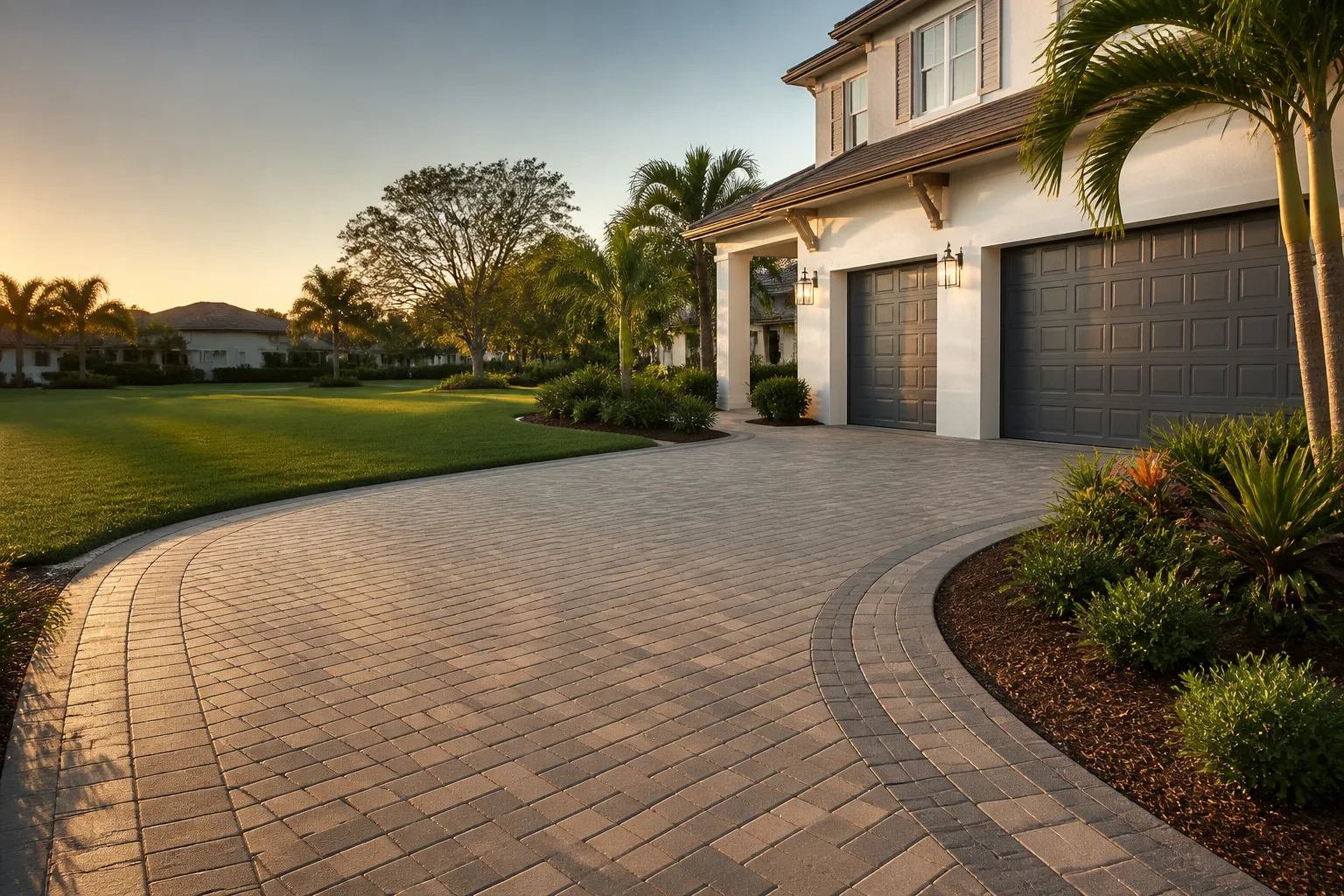
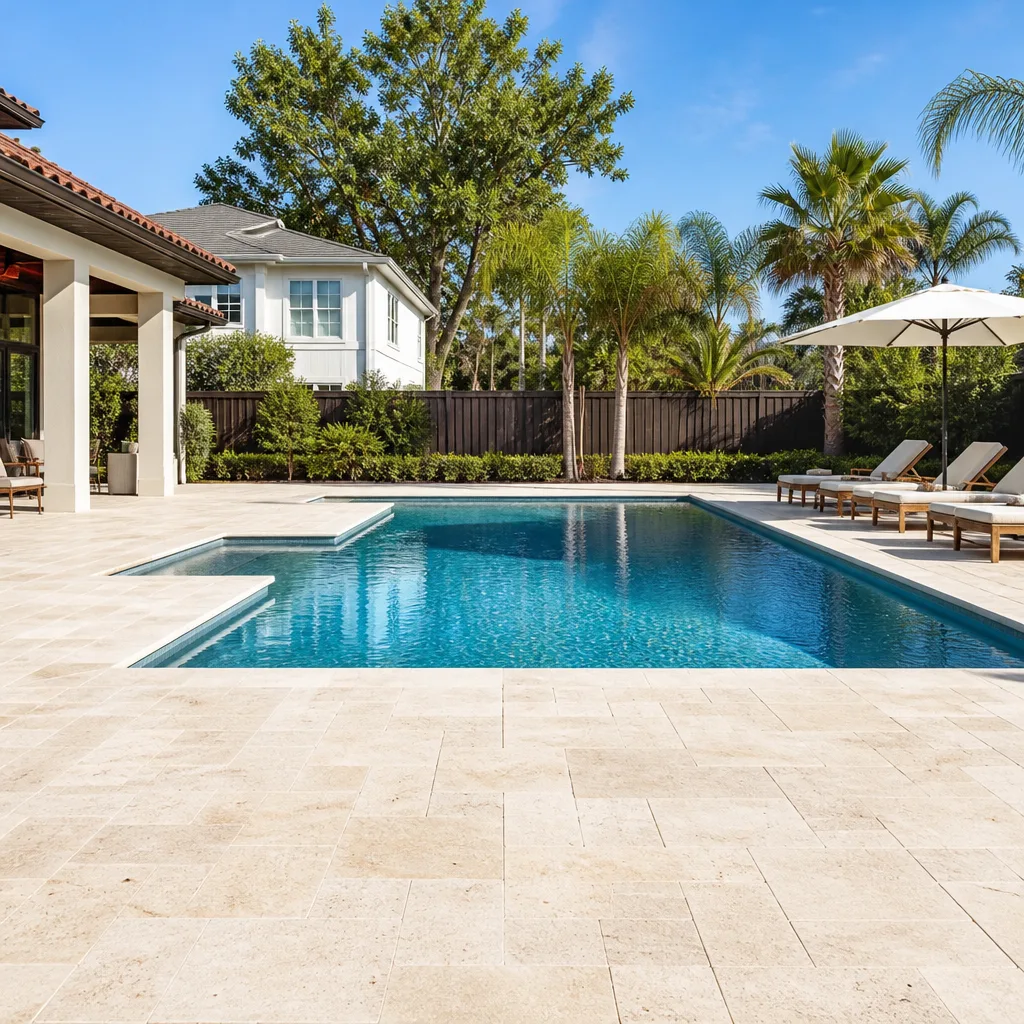
Concrete pavers are the default in Orange for good reason: they cost less, they’re available in a range of colors that suit the Spanish-revival and mid-century homes across the city, and quality lines from Belgard and Techo-Bloc carry a 50-year-plus wear rating when installed on a proper base. Natural stone runs higher, holds up longest, and suits the clay-tile roofs and stone veneers common on Orange Park Acres and Peralta Hills properties. Permeable pavers cost a bit more than standard concrete pavers but pair with a deeper open-graded base that some Orange lots need for drainage anyway.
Installed cost ranges for an Orange driveway, material plus base, bedding, edging, and labor:
- Concrete pavers (Belgard, Techo-Bloc): $14 to $26 per square foot installed. A 20×40-foot driveway runs roughly $11,200 to $20,800.
- Natural stone (travertine, flagstone, limestone): $24 to $42 per square foot installed. A 20×40-foot driveway runs roughly $19,200 to $33,600.
- Permeable pavers with open-graded base: $18 to $32 per square foot installed. A 20×40-foot driveway runs roughly $14,400 to $25,600.
The most important number in any of those ranges is the base depth, because it accounts for $4 to $7 per square foot of the total. A quote that lands at the low end of the concrete paver range probably has a 4-inch base in it, and a 4-inch base on Orange clay is a driveway that fails in year eight. When you compare bids, compare the base spec line, not the headline price.
Choosing Joint Sand for Southern California Conditions
Joint sand is the second most common failure point in Orange driveways after base depth, and the reason is Climate. Orange pavers sit through roughly 300 days of UV a year and then get hit by a wet December followed by a dry January – the exact pattern that causes ordinary play sand and low-quality polymeric sand to wash out, harden to a crust, or crack apart in the joints.
The criteria that matter most for Orange:
- Polymeric, not fine sand. Polymeric sand binds with water and holds joints against rain, wind, and ants. Plain sand washes out within a season.
- UV-stable binder. Cheap polymeric sand hazes and turns milky under Southern California sun. Ask for the UV rating in writing.
- Flexible finish, not brittle. The joint needs to flex with the clay beneath it. A joint that hardens like grout cracks at the first winter swelling.
- Rated for wide joints. If your pavers have a joint wider than 1/8-inch, use a sand specifically labeled for wide-joint application rather than forcing narrow-joint product into it.
- Reapply on schedule. Polymeric joints in Orange typically need a top-off every three to five years, depending on traffic and sun exposure.
If a contractor quotes polymeric sand without naming the brand or the UV rating, ask for the manufacturer and the spec sheet before the job starts. It’s a $2 to $3 per square foot line item and it’s the one most often substituted.
Edge Restraint: Aluminum Spike-Down vs. Concrete Border
Edge restraint is what holds the paver field from spreading under load, and on Orange’s sloped lots – especially the hillside driveways in Peralta Hills and toward Santiago Canyon – it’s the difference between a stable driveway and one that slowly slides.
Aluminum spike-down edge restraint is the standard on most residential driveways. The L-shaped aluminum channel is driven into the compacted base with 10- to 12-inch spikes, then the pavers seat against it. It’s fast, costs less, and works well on flat to moderately sloped lots. The downside: spike-down restraint relies on the base staying put, and on clay soil that heaves, a spike-down edge can loosen over time.
Concrete curb edge restraint is the answer on steep grades or where the driveway edge is at the top of a slope. A poured concrete curb runs 6 to 8 inches wide and 12 inches deep, keyed into the subgrade below the base, and it holds the entire paver field against sliding. It costs roughly $8 to $15 per linear foot versus $3 to $6 for aluminum, and it’s the right call on most driveways with a grade above 8 percent.
On Orange lots with a mix of flat apron and sloped run, we often spec aluminum for the flat portion and concrete curb for the sloped run. Or we go full concrete curb on both if the soil movement has already been documented.
Drainage on Sloped Orange Lots
Water is the other half of the soil problem. Expansive clay is manageable if it stays at a steady moisture level and devastating if it swings. That’s why grading, not material choice, is the quiet hero of a driveway that lasts.
On an Orange lot, three drainage questions decide the design:
- Where does the water leave the property? A 1.5 to 2 percent slope toward the street is the target. If the garage is at the low point, water needs a channel drain at the apron before it reaches the slab.
- What happens to water from uphill? Neighbors higher on the slope deliver runoff through your yard. A shallow swale along the uphill edge of the driveway stops that runoff from soaking the clay under your base.
- Does the lot need permeable pavers? Permeable pavers, with an open-graded aggregate base and a drain-out layer at the bottom, infiltrate water on-site rather than shunting it to the street. They’re useful on lots without a good discharge point and required in some new-development contexts.
We’ve seen more Orange driveways fail from a gutter downspout dumping directly into the paver field than from any other single cause. Re-routing one downspout 10 feet away is a $200 fix that buys years.
Maintenance Calendar for an Orange Driveway
A paver driveway in Orange needs a light but real maintenance rhythm. Here’s the calendar we recommend to homeowners after installation:
- Spring (March-April): Sweep joints, top off polymeric sand in any gaps, check for a paver lifted at the edges.
- Early summer (June): Power-wash lightly (not a high-pressure rotary tip, which can erode the joint sand) and let the field dry fully before re-sanding any thin joints.
- Fall (October): Clear leaves and debris from the apron and any swale, and check the downspout routing before the rainy season.
- Winter (December-February): After each significant storm, walk the field and look for any paver sitting higher than its neighbors, which is an early sign of base movement.
- Every 3 to 5 years: Full joint sand top-off and reseal if the finish has gone dull or chalky.
Most of that list is a half-hour of attention twice a year. The rest is knowing when a lifted paver means “re-sand” and when it means “the base under this corner has moved,” and that’s a call worth making with us before it becomes a bigger repair.
Common Mistakes to Avoid
- Accepting a 4-inch base quote. If a bid lands at the bottom of the concrete paver range for Orange, it almost certainly has a 4-inch base in it. That’s a driveway that fails in eight to twelve years on Montebello clay.
- Skipping the geotextile fabric. Clause in the quote or not, the fabric between clay subgrade and aggregate is what keeps the base from silting up. Without it, drainage performance drops every year.
- Using plain joint sand instead of polymeric. Plain sand washes out in the first winter rain and lets weeds establish in the joints by spring.
- Forgetting the City of Orange encroachment permit. Anything touching the sidewalk, apron, or curb cut needs the permit, and the city will inspect. Pulling it up front costs $150 to $400; undoing unpermitted work costs far more.
- Dumping the downspout into the paver field. A single downspout routing mistake is the most common cause of premature base failure we see in Orange.
- Specifying aluminum edge on a steep slope. Lots over 8 percent grade need a concrete curb edge; aluminum spike-down restraint will loosen over five to seven winters on a hillside.
- Comparing headline prices instead of base specs. Two quotes $4 per square foot apart usually differ because one has 8-inch compacted base and one has 4-inch. Ask for the base line item in writing before comparing.
See the difference
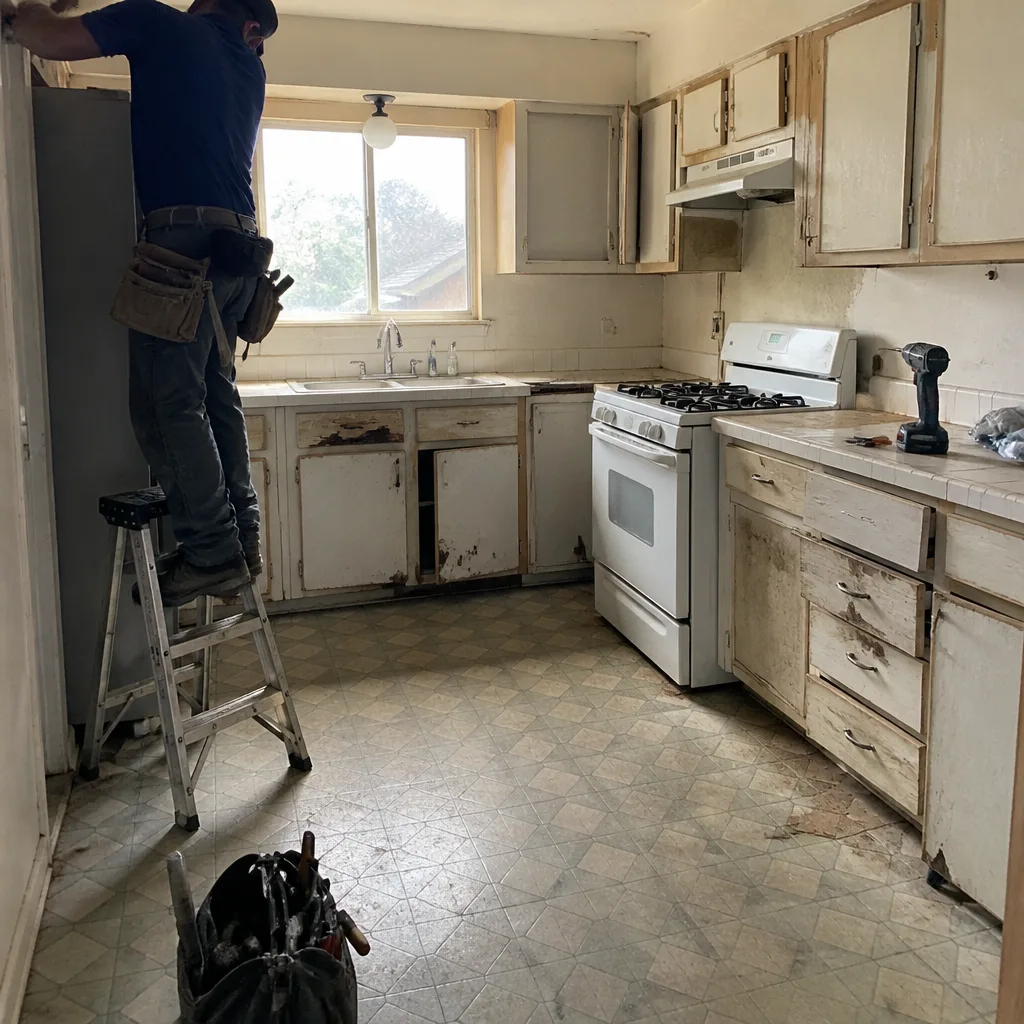 Before
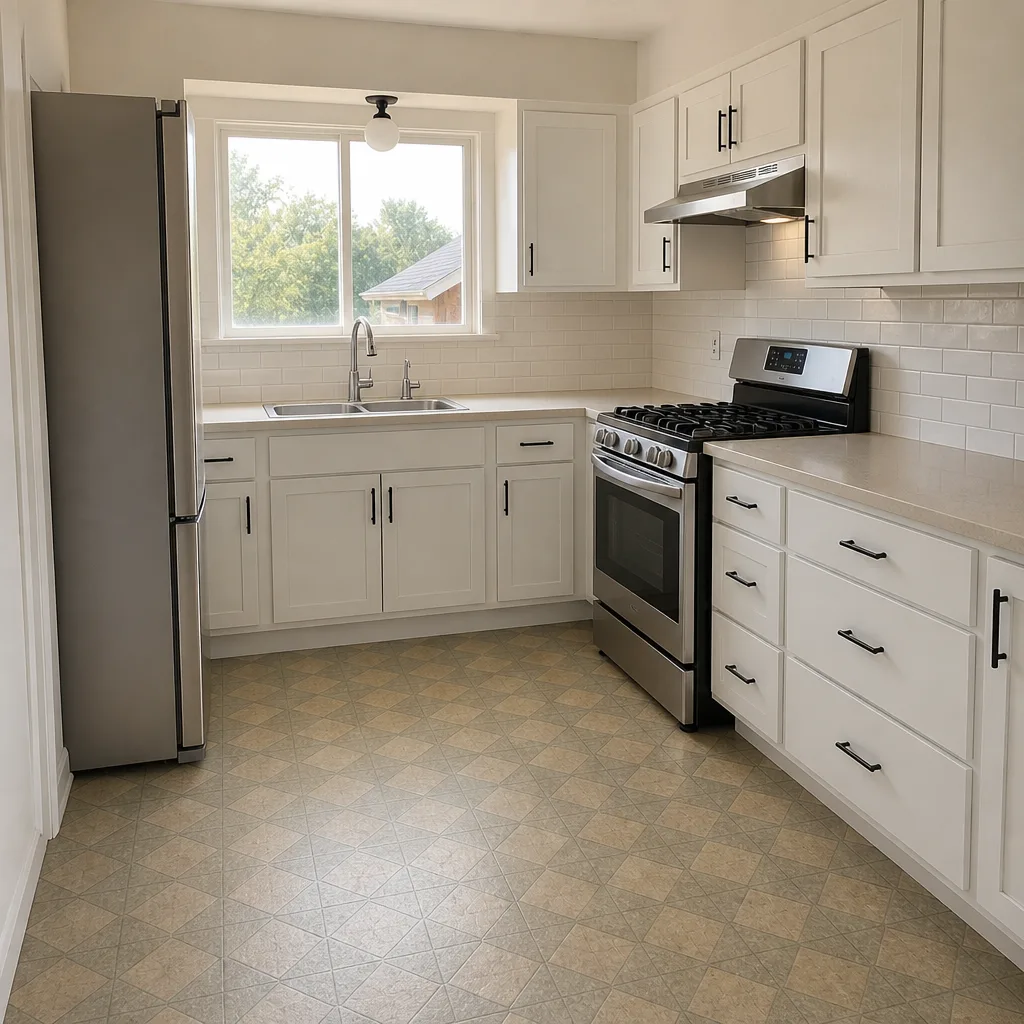 After
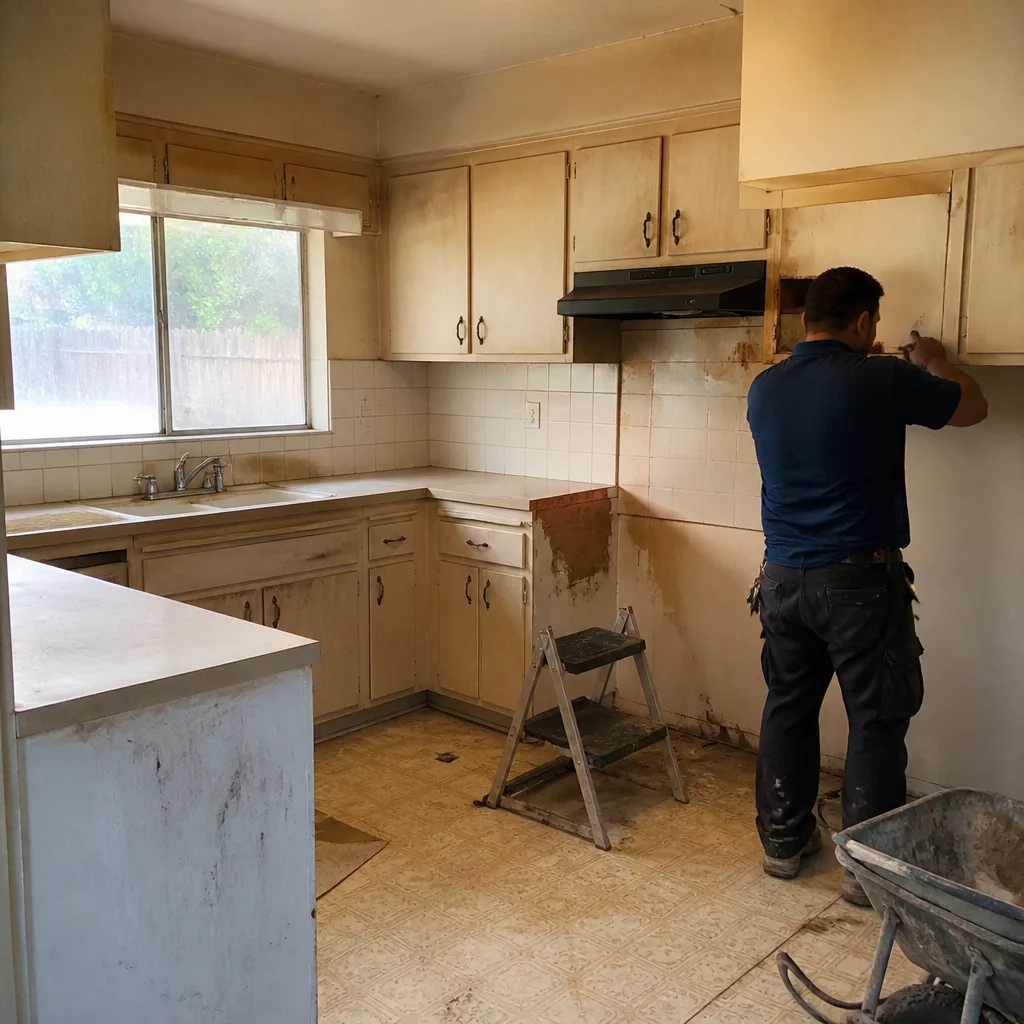 Before
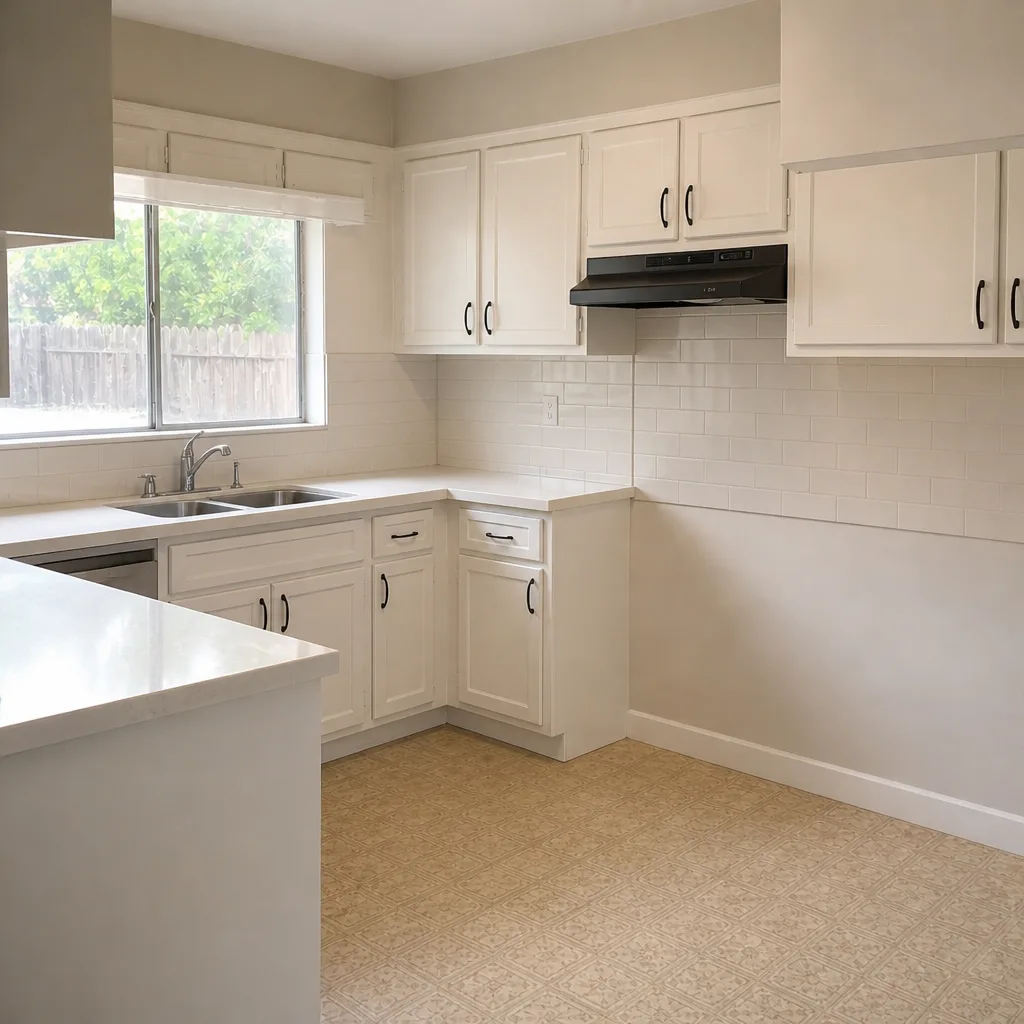 After
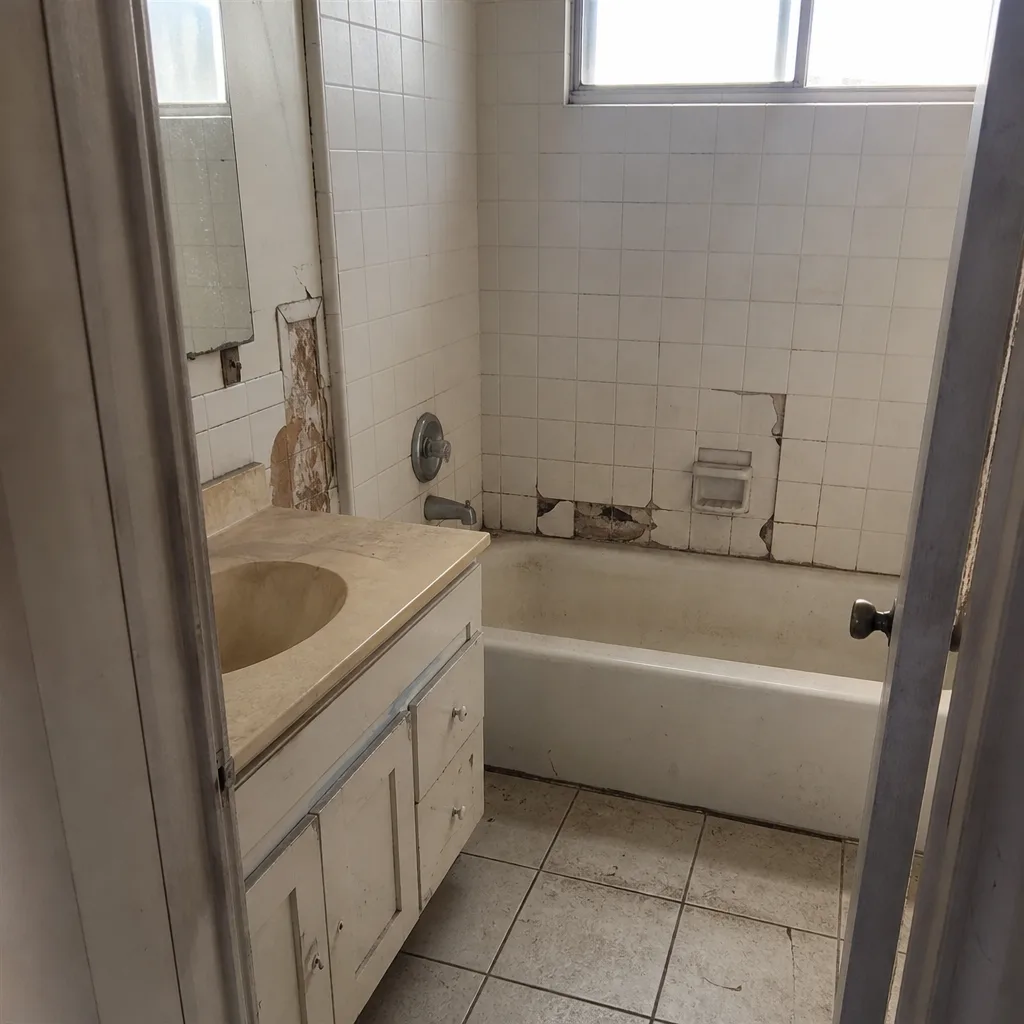 Before
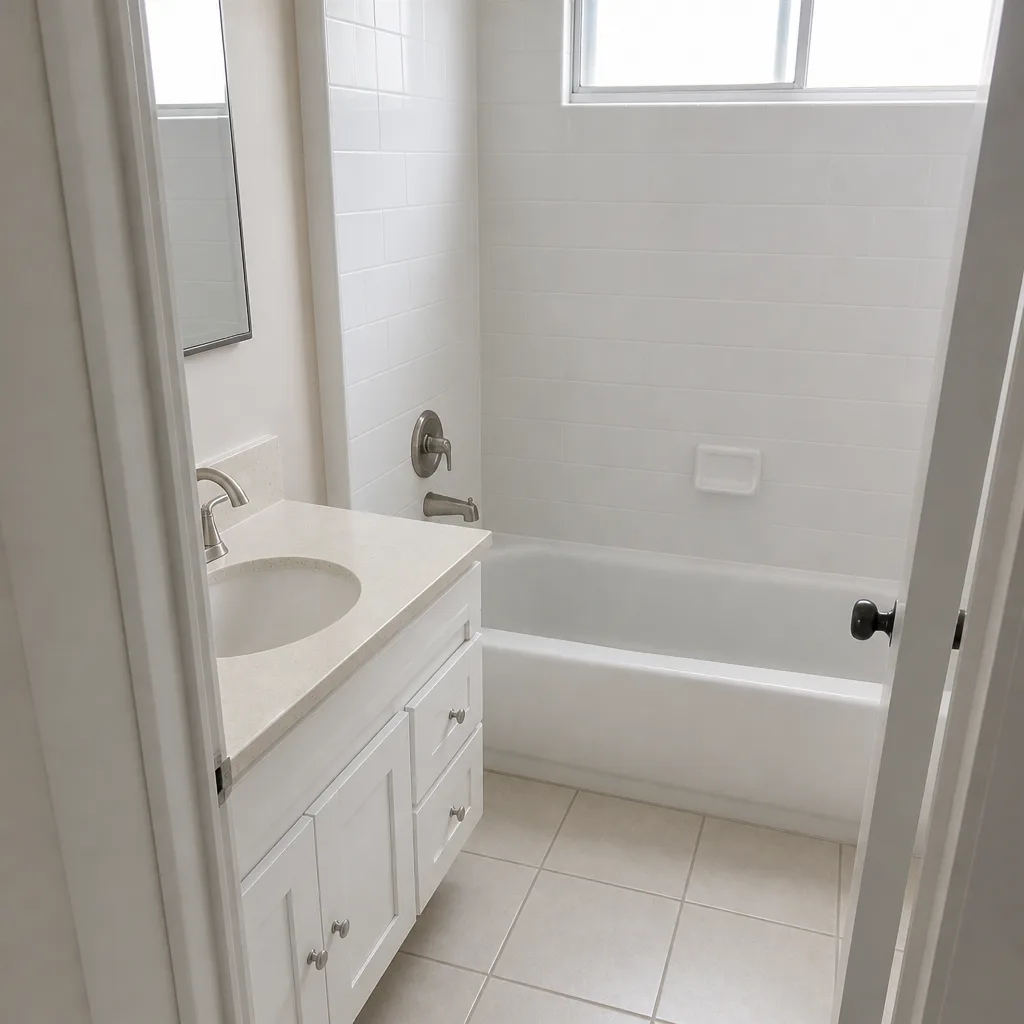 After
When to Call a Professional
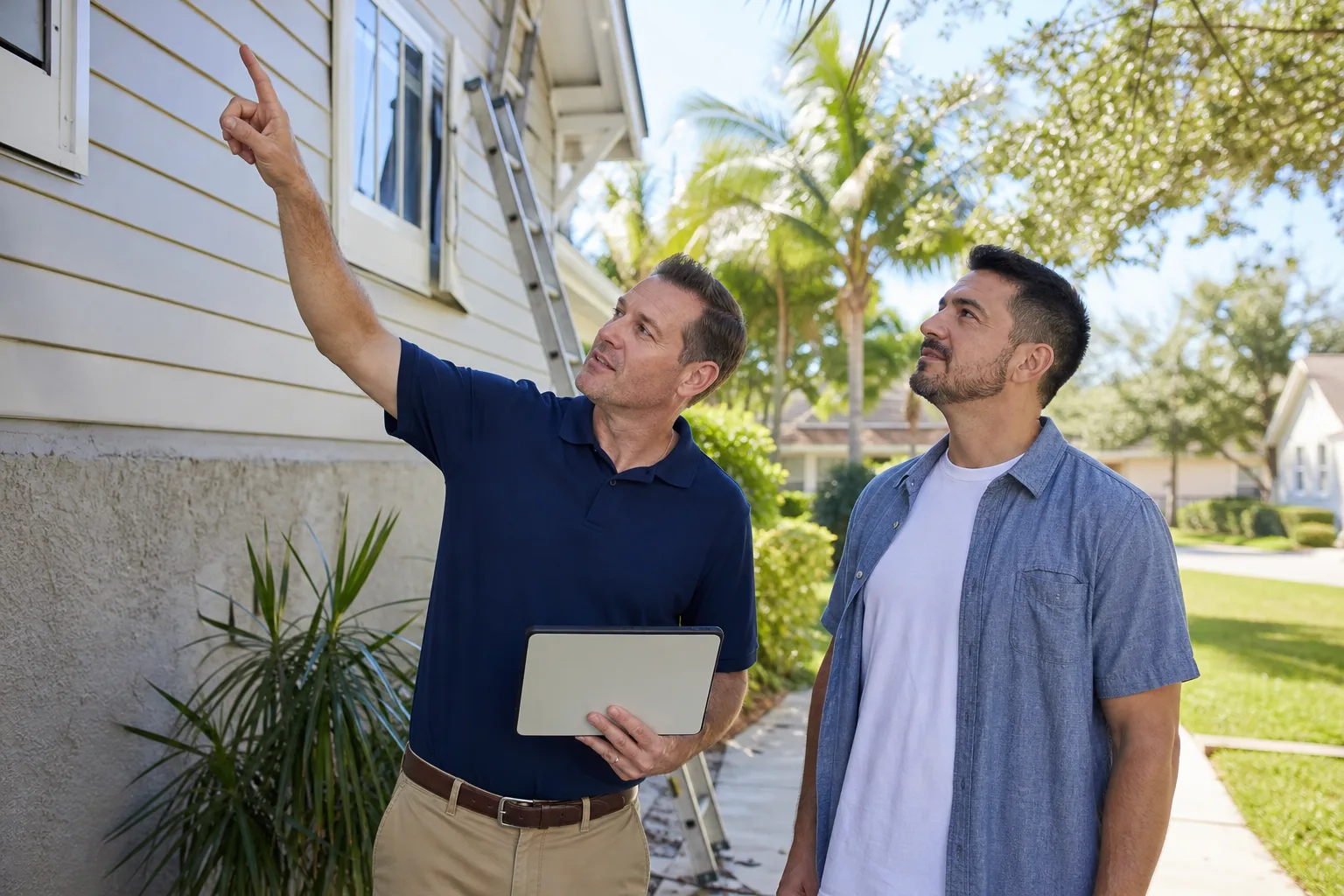
Some driveway work is manageable for a handy homeowner – re-sanding joints, re-routing a downspout, pulling a weed or two. The work described above is not that. Excavating 8 to 12 inches of clay, proof-rolling subgrade, compacting lifts to 95% relative compaction, pulling the City of Orange encroachment permit, and getting the inspection sequence right all require the equipment and the eye that comes with doing the work repeatedly. Our technicians have up to 19 years of experience and are background-checked and uniformed, and every project we quote includes a written price, scope, and warranty before anyone picks up a shovel. Under the Haven Standard, no change proceeds without a signed change order, which is the discipline that keeps the price within a few percent of the number you agreed to. Our Driveway & Pavers in Orange service covers the full scope from permit to final inspection. Rowan Construction Group Orange offers free estimates in Orange – call (844) 320-7508 to schedule yours.
Frequently Asked Questions
Installed paver driveway costs in Orange run roughly $14 to $26 per square foot for concrete pavers, $24 to $42 for natural stone, and $18 to $32 for permeable pavers. A 20×40-foot driveway lands around $11,200 to $20,800 in concrete pavers. The base depth (8 to 12 inches on Orange’s clay) accounts for $4 to $7 per square foot of the total, so get that line itemized in every bid. Call (844) 320-7508 for an exact quote – estimates are free.
Eight inches of compacted Class II base is the minimum for Orange’s expansive clay, and 10 to 12 inches is common on driveways that see heavy vehicles. That’s double the 4-inch base in most national guides, and it’s what separates a driveway that lasts thirty years from one that fails in eight. Every base lift needs to be compacted to 95% relative compaction over geotextile fabric.
Yes, if the work touches the public right-of-way – the apron, sidewalk, or curb cut – you need a City of Orange encroachment permit. The fee runs about $150 to $400, and the process includes a pre-construction inspection and a final inspection. Work entirely behind the sidewalk typically doesn’t require the permit, but confirm scope with the city before you dig. Call (844) 320-7508 to talk through permit scope for your address.
Concrete pavers (Belgard, Techo-Bloc) cost less at $14 to $26 per square foot installed and match Orange’s Spanish-revival and mid-century architecture well; natural stone runs $24 to $42 installed and suits the hillside homes in Orange Park Acres and Peralta Hills. Both last decades on a proper base. The choice is mostly aesthetic and budget, not durability. Call (844) 320-7508 to price both options for your lot.
A paver driveway on Orange’s clay lasts 30-plus years when built with an 8-to-12-inch compacted base over geotextile fabric with proper edge restraint. On a 4-inch base, the same pavers typically fail in eight to twelve years as the clay heaves and settles through wet-dry cycles. Joint sand top-off every three to five years extends the field life and keeps joints from washing out.
Not without a signed change order. Our written price includes the base depth, material, edge restraint, and permit scope, and no work proceeds on a change until that change order is signed. That’s Clause 1 of the Haven Standard, and it’s why projects finish within a few percent of the agreed cost. Bring a competitor’s written quote and we’ll review it line by line at no charge. Call (844) 320-7508 to schedule a free estimate.
The Bottom Line
In Orange, the driveway is decided by what’s under the pavers, not which pavers you pick. An 8-to-12-inch compacted Class II base over geotextile fabric, polymeric joint sand rated for UV, and the right edge restraint for your slope together get you a thirty-year driveway – the 4-inch base in most national guides gets you eight to twelve on Montebello clay. Add the City of Orange encroachment permit ($150 to $400) for any right-of-way work, size the drainage so water leaves the property, and the material choice becomes a budget and style call rather than a durability gamble. If you’re planning a broader project that ties in fence, additions, or a full exterior refresh, our Rowan Construction Group Orange home page covers all seven trades, and it’s worth reading the Fence Installation in Orange guide before you lock in the driveway edges and property lines in the same excavation.
Contact
Every project we quote starts with a written price, a written scope, and a written warranty before anyone starts work – no change proceeds without a signed change order, and every visit includes a documented photo record as a standard deliverable. Our technicians have up to 19 years of experience, they’re background-checked and uniformed, and a live person answers the phone around the clock. The 365-Day Done Right Promise is printed on every page and backed by a terms page, not an asterisk. Call (844) 320-7508 for a free estimate on your Orange driveway, and if you already have a competitor’s written quote in hand, we’ll review it line by line at no charge.
Written by the team at Rowan Construction Group Orange.