Last updated November 18, 2026



Free written scope consultation - allowances, timeline, and change-order rules on paper before a single trade is scheduled
Windows & Doors Maintenance Schedule: What to Do and When
Lubricating a casement window operator takes four minutes and costs about $0.30 in silicone spray. Replacing the operator mechanism that seizes because it was never lubricated runs $85 to $200 in parts and labor. That gap, repeated across every hinge, seal, and weep hole in a house, is the whole argument for a maintenance calendar. Windows and doors rarely fail suddenly. They fail slowly, in ways you can catch on a Saturday morning with a flashlight and a dollar bill. This guide assigns each task to a specific month, names the cost of doing it against the bill for skipping it, and explains what changes when you own a home in Orange, where dry summers and Santa Ana winds stress seals differently than the climate most maintenance advice was written for.
Quick Answer
The core window and door maintenance schedule runs on four seasonal checkpoints: a spring hardware inspection and lubrication pass, a summer UV and sealant check, a fall weatherstripping and draft test, and a winter threshold and drainage adjustment. Monthly tasks are small (a quick track cleaning, a weep hole check after rain), and annual tasks are the ones that protect warranty coverage. Homeowners in Orange should also inspect after every Santa Ana wind event, since wind-driven dust packs weep holes and track channels faster than ordinary weather does.
Styles & brands we work with
- Kitchen remodeling
- Bathroom remodeling
- Home additions & ADU
- Roofing
- Windows & doors
- Driveway & pavers
- Fence
Table of Contents
- The Month-by-Month Maintenance Calendar
- Material-Specific Care: Aluminum, Vinyl, and Wood-Clad Frames
- How to Test Weatherstripping With a Dollar Bill
- Weep Holes: The Inspection Almost Nobody Does
- Maintenance That Protects Your Warranty Coverage
- What Each Task Costs vs. What Skipping It Costs
- Common Mistakes to Avoid
- When to Call a Professional
The Month-by-Month Maintenance Calendar
A calendar beats a checklist because it removes the decision. You don’t have to remember to check the hardware; the schedule remembers for you. Here’s the full year, with the reason each task sits where it does.
- January – Threshold and sweep adjustment. Cold mornings reveal gaps at door bottoms first. Adjust or replace sweeps and door bottoms before the rainy weeks, not after. A worn sweep lets water track onto the threshold plate and into the subfloor edge.
- February – Interior condensation check. Look for fogging between panes and dampness along interior frames. A failed seal shows up as condensation on the glass, not as a draft.
- March – Hardware inspection and lubrication. This is the big one. Spray silicone lubricant on casement and awning operators, hinge pivots, and multipoint lock mechanisms. Wipe tracks clean before you lubricate, never after.
- April – Exterior sealant pass. Walk the perimeter and check the bead of sealant where frame meets siding or stucco. Re-caulk any cracked or pulled-back sections while the weather is mild and dry.
- May – Screen and track cleaning. Wash screens, clear sliding door tracks of grit, and check rollers for flat spots. Grit in a track grinds the roller flat, and a flat roller drags.
- June – Pre-summer UV inspection. Check for fading, chalking, or cracking on gaskets and weatherstripping facing the sun. UV degrades rubber before it degrades anything else.
- July – Weep hole clearing. Before the driest stretch, confirm every weep hole is open. Debris packs in during spring winds.
- August – Glass and glazing check. Inspect for chips at edges and loose glazing stops. A chip at the edge is where a crack starts.
- September – Weatherstripping dollar-bill test. Run the test across every exterior door and operable window (the method is below). Replace any strip that fails.
- October – Pre-rain drainage and threshold check. Confirm doors close flush, thresholds slope outward, and no sealant gaps remain. This is the last easy window before the rain.
- November – Lock and latch function. Test every lock, deadbolt, and multipoint system. A lock that needs a shoulder to engage means the door has shifted.
- December – Year-end documentation. Photograph the condition of each window and door, note any replacements, and file it with your warranty paperwork.
In Orange, add one unscheduled task: after any strong Santa Ana wind event, clear track channels and weep holes. Wind-driven grit is the single most common cause of a sliding door that suddenly won’t glide.
Material-Specific Care: Aluminum, Vinyl, and Wood-Clad Frames
Treating every frame the same is how homeowners damage a good window. Each material reacts differently to cleaning agents, and each has its own lubrication and inspection rhythm.
Aluminum Frames
Aluminum is the most forgiving frame in Orange’s dry climate, but it’s also the most likely to show oxidation if cleaned with harsh abrasives. Use mild soap and water. Never use steel wool or scouring pads. Check the thermal break – the insulating strip between inner and outer aluminum – for separation every couple of years. Inspect hinges and pivots annually; aluminum hardware benefits from silicone spray each spring.
Vinyl Frames
Vinyl resists moisture and needs the least cleaning, but it dislikes solvents. Avoid acetone, paint thinner, and anything petroleum-based, which can dull or craze the surface. Clean with a soft cloth and mild detergent. The parts that need attention on vinyl are the moving ones: rollers, operators, and lock hardware. Lubricate these each spring. Check vinyl frames for cracking at corners after temperature swings, since vinyl expands and contracts more than aluminum.
Wood-Clad Frames
Wood-clad frames carry the highest maintenance load. The wood core depends on the cladding staying intact. Inspect the cladding joints and the sealant at every seam each spring and fall. Any exposed wood needs prompt attention before it takes on moisture. Keep wood interiors finished and check for water staining at the sill, which signals a drainage problem above. Wood-clad windows reward an inspection interval of twice a year, not once.
If your frames are due for replacement rather than repair, our team walks through materials, hardware, and realistic pricing in our Rowan Construction Group Orange home service overview.
How to Test Weatherstripping With a Dollar Bill
This is the fastest diagnostic in home maintenance, and it needs no tools. It tells you in about a minute per opening whether your weatherstripping is actually doing its job.
- Close the door or window on a dollar bill so the bill is pinched between the frame and the sash or door slab.
- Pull the bill straight out with light, steady tension.
- Pass: the bill resists and drags as it comes free. The weatherstripping is making contact.
- Fail: the bill slides out with almost no resistance, or falls free when you let go. The strip has lost compression and needs replacement.
- Repeat at three points on a door – top, middle, bottom – and at two points on each operable window.
The dollar-bill test catches the failure that drafts alone miss: a strip that’s still in place but no longer sealing. That gap costs you on the energy bill and lets dust into Orange homes during wind season. A replacement weatherstrip kit runs about $10 to $25 and takes minutes to install once you know which openings failed.
Weep Holes: The Inspection Almost Nobody Does
Weep holes are small drainage openings at the bottom of window and door frames that let water escape from inside the frame cavity. When they’re blocked, water has nowhere to go but into the frame and eventually the wall. Sliding windows and sliding patio doors are the most common places to find them.
- Where to look: along the bottom exterior rail of the frame, often under a small cover flap. On sliding doors, check the threshold track at both ends.
- How to check: clear any visible debris with a soft brush or a straightened paper clip, then pour a small amount of water into the track and watch it drain out the weep hole.
- What a blocked weep hole costs: trapped water in the frame cavity can lead to wood rot at the sill, interior water staining, and eventually damage to the wall below. Repairing a rotted sill or a moisture-damaged wall section behind a door runs into the hundreds to low thousands of dollars, far more than the minutes it takes to clear the hole.
We see this most often in Orange after the first rain following a windy, dusty summer: a door that was fine in September suddenly shows water at the inside threshold. In our experience, a blocked weep hole is behind more of these calls than any other single cause.
Maintenance That Protects Your Warranty Coverage
Most window warranties don’t just cover defects; they require the homeowner to maintain the product. Skip the maintenance and you can lose the claim.
Milgard’s lifetime warranty covers defects in materials and workmanship, but it expects the product to be installed and maintained per the manufacturer’s instructions. That means keeping drainage clear, avoiding improper cleaning agents, and not letting damage go unrepaired. If you file a claim, having dated photographs and a record of cleaning and lubrication helps establish that the window was cared for.
Andersen’s warranties carry conditions on finish and installation that assume proper care. Wood and wood-clad products in particular require periodic inspection and resealing. Keep receipts for any caulk, weatherstripping, or hardware you replace, and photograph the condition of the frames each year. That record is what turns a gray-area claim into an approved one.
One more thing that protects a warranty: using the materials the manufacturer specifies. When you’re having windows or doors replaced as part of a larger project, the details matter, and our overview of Home Additions & ADU in Orange explains how window and door scheduling fits into bigger builds. For window and door work on its own, a written scope protects you the same way documentation does.
What Each Task Costs vs. What Skipping It Costs
Here’s the comparison that makes the schedule worth keeping. The left column is what the task costs; the right column is what a typical repair costs when the task is skipped.
| Task | Cost to Do It | Cost of Skipping It |
|---|---|---|
| Lubricate window operator | About $0.30 in spray | $85-$200 operator replacement |
| Clear weep holes | Free, minutes of labor | Hundreds to low thousands in sill or wall repair |
| Replace weatherstripping | $10-$25 per kit | Higher energy bills; draft and dust intrusion |
| Re-caulk exterior sealant | $8-$30 in caulk | Water intrusion, rot, interior damage |
| Clean and check door tracks/rollers | Free | Roller or track replacement |
| Professional inspection of failing seals | Free estimate | Full unit replacement |
The pattern holds across every line: the maintenance task costs a fraction of the repair. Our team quotes replacements and repairs with a flat written price before work begins, so you can compare the two numbers honestly.
Other Exterior Maintenance Worth Scheduling
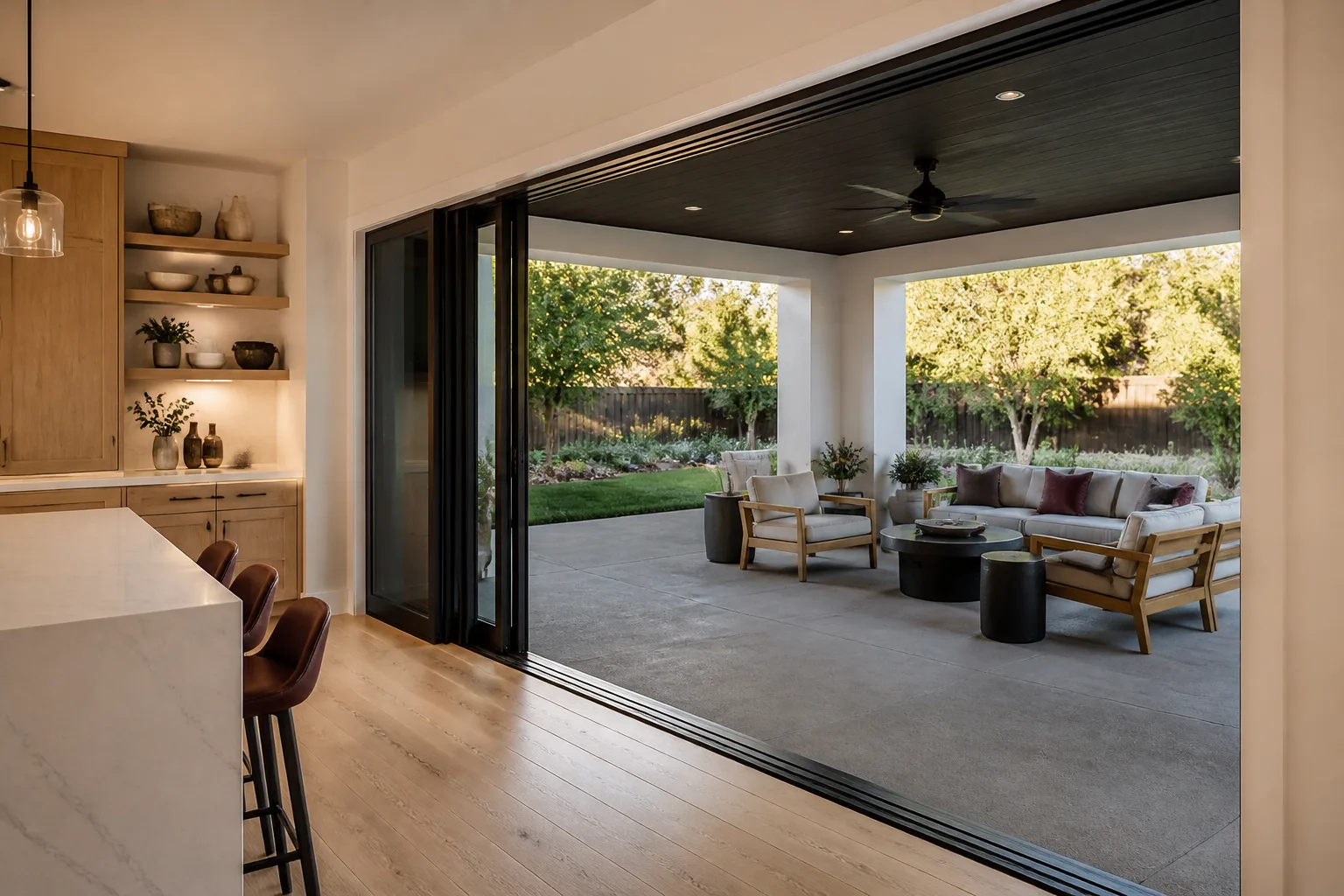
Windows and doors don’t sit in isolation. The surfaces and structures around them need their own rhythm, and a leak near a door is sometimes a fence or drainage issue wearing a door problem’s clothes. When you’re already walking the perimeter for the spring hardware pass, it’s worth adding a glance at the surrounding exterior. Our guides to Fence Installation in Orange and Driveway & Pavers in Orange cover the nearby materials and drainage that affect what reaches your thresholds.
If a failure turns out to be roofing rather than windows, the same four-season inspection logic applies to the roof: spring and fall checks, plus a pass after any major wind event. The brands in that work matter too – CertainTeed and Owens Corning shingles carry their own warranty conditions that assume proper installation and periodic inspection, just as window brands do.
See the difference
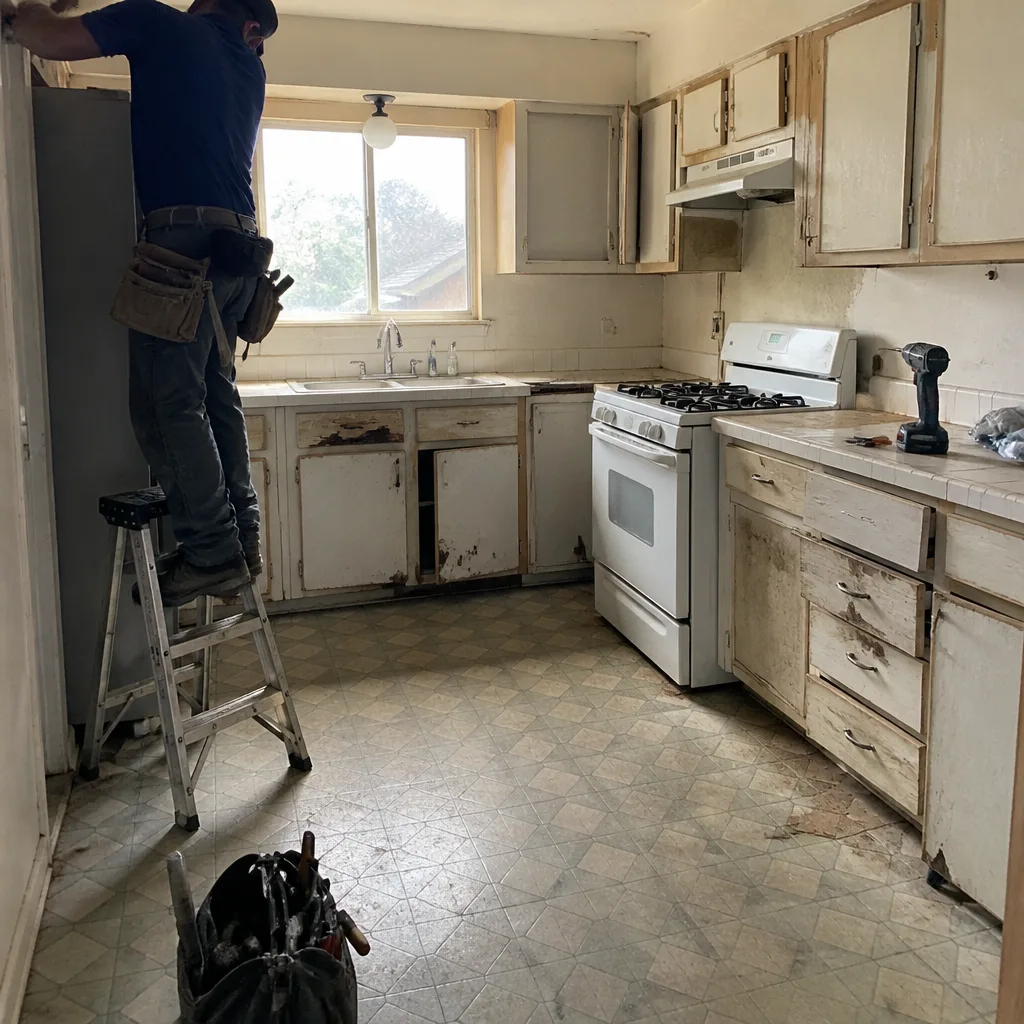 Before
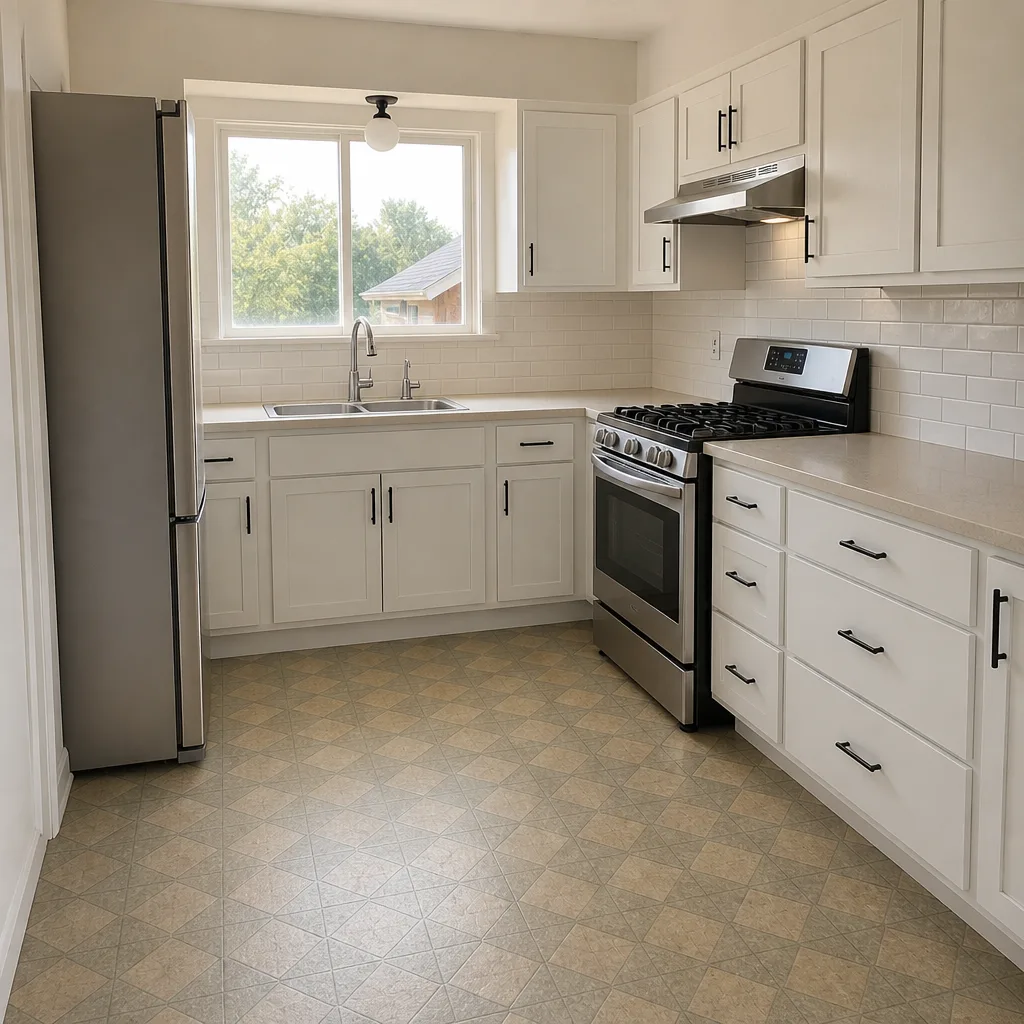 After
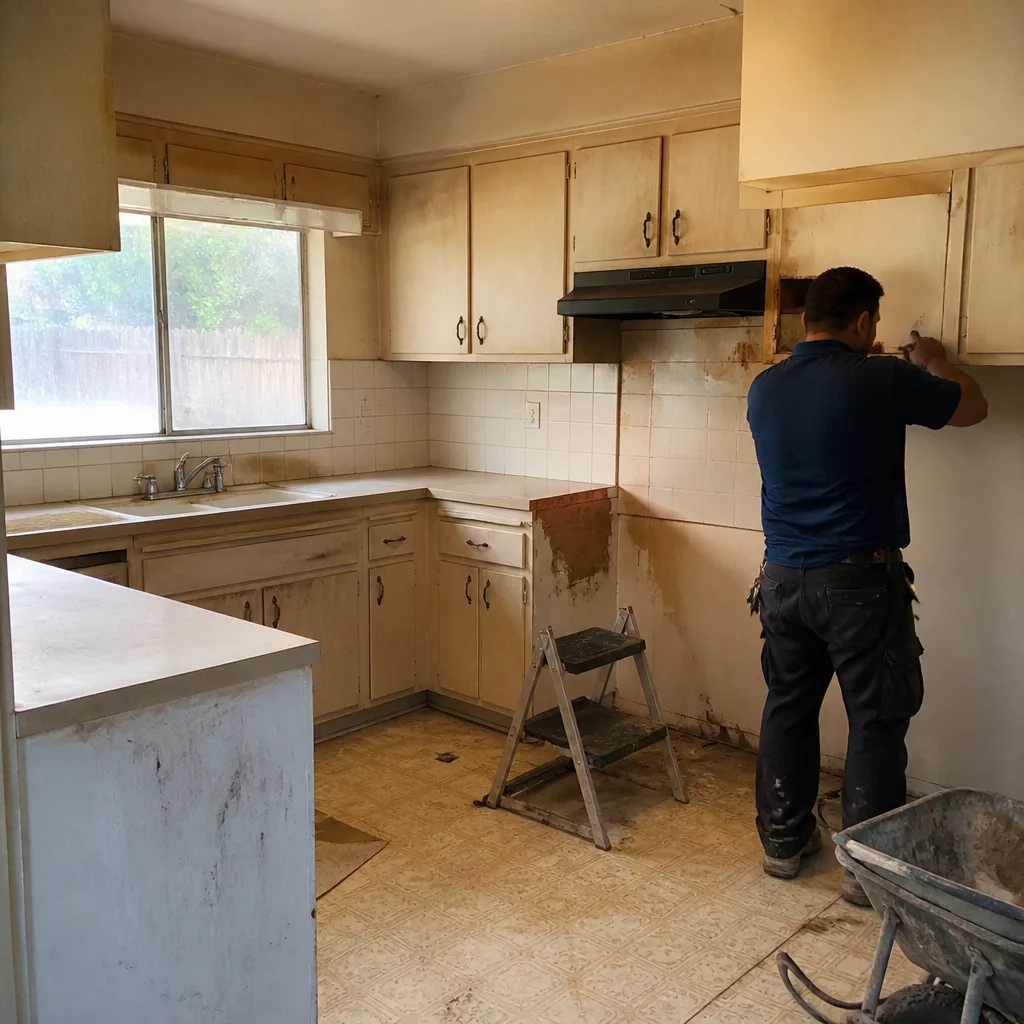 Before
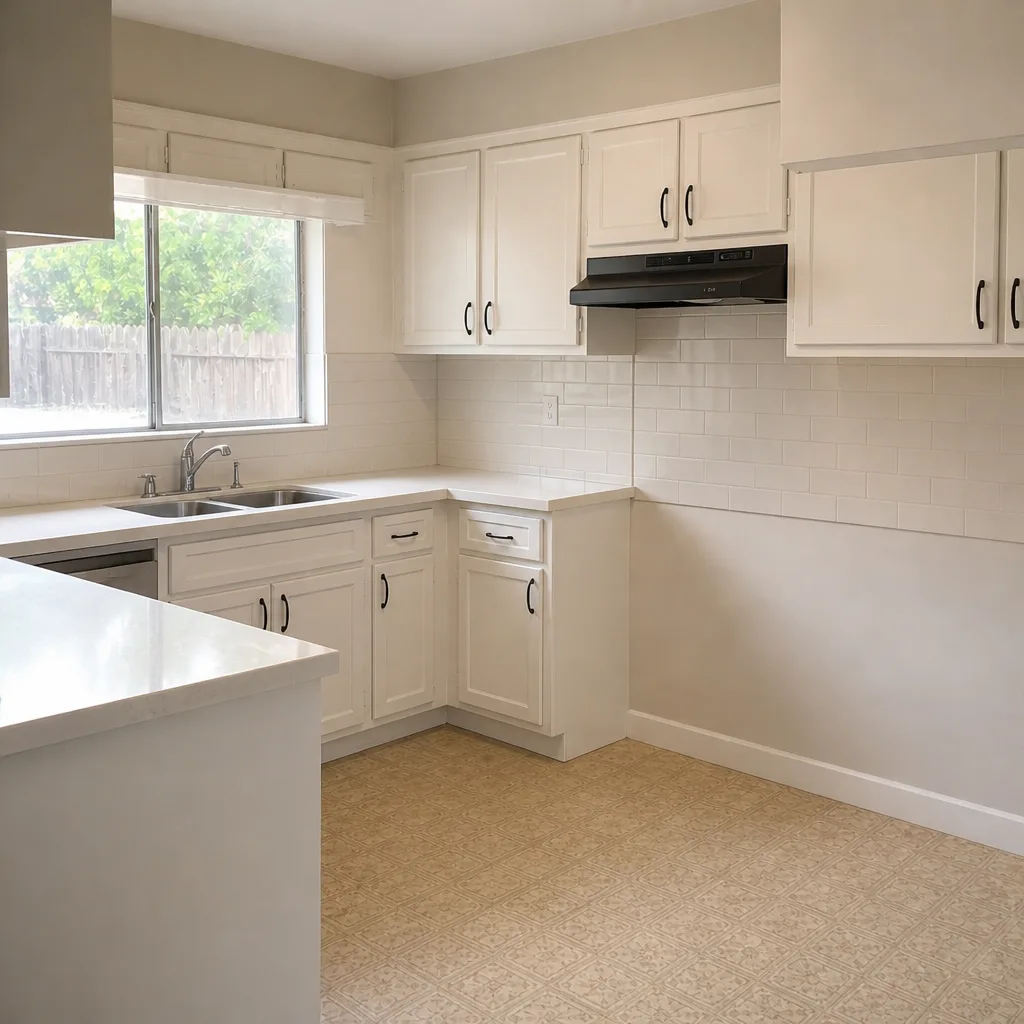 After
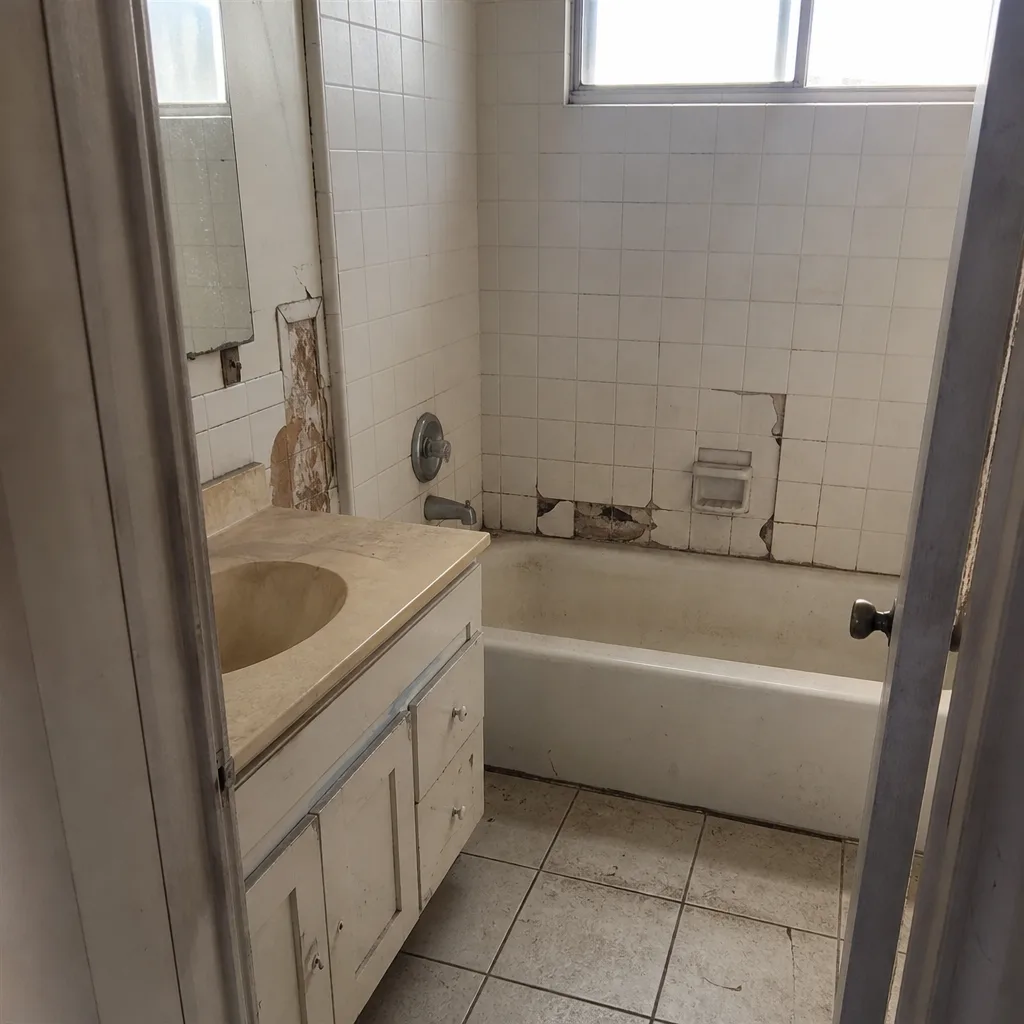 Before
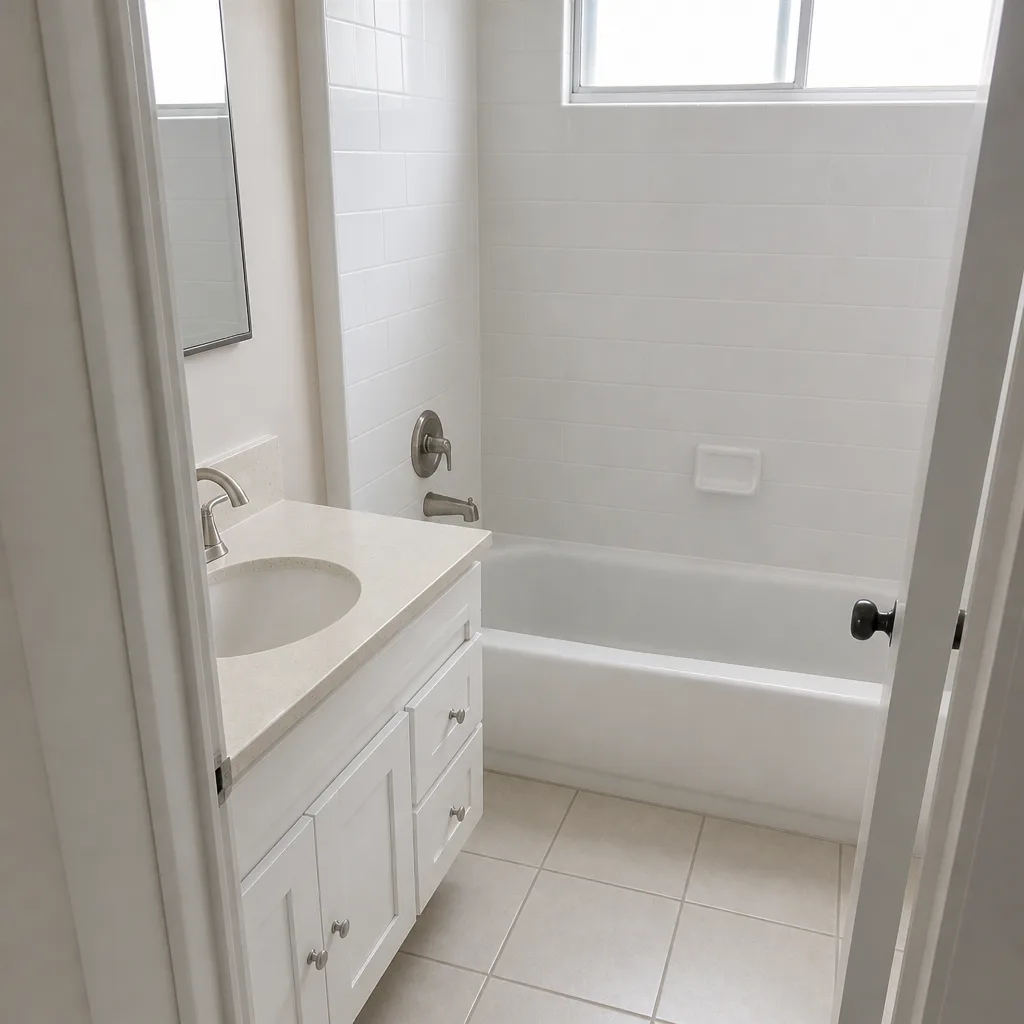 After
Common Mistakes to Avoid
- Lubricating before cleaning. Spraying into a gritty track turns the grit into a grinding paste. Clean the track first, then lubricate.
- Using the wrong cleaner on vinyl. Solvent-based cleaners can dull or craze vinyl frames. Stick to mild soap and water.
- Ignoring weep holes until a rainstorm reveals them. In Orange, blocked weep holes show up in the first storm after a dry, windy summer. Check them before the rain, not after.
- Treating the dollar-bill test as a one-time check. Weatherstripping compresses over time. Re-run the test every fall.
- Skipping exterior caulk because “it still looks fine.” Sealant fails from the back edge outward; the crack often appears after it has already been letting water in.
- Throwing away maintenance records. Warranty claims are decided on documentation. Keep photos and receipts.
- Assuming a sticking door is a door problem. A door that drags or won’t latch is sometimes a foundation or framing shift, not a hardware failure.
When to Call a Professional
Some tasks on this calendar are homeowner jobs: cleaning tracks, replacing weatherstripping, clearing weep holes. Others belong to a trained professional. Call us if a window or door is fogged between the panes, if water is reaching the interior threshold, if a lock no longer engages cleanly, if the frame or sash is visibly warped, or if glass is chipped or cracked. Also call if you have wood-clad units with exposed wood you’re not sure how to reseal, or if you’re weighing repair against replacement and want an honest comparison. Rowan Construction Group Orange offers free estimates in Orange – call (844) 320-7508. Every visit includes a documented photo record, and our technicians have up to 19 years of experience.
Frequently Asked Questions
Exterior doors and operable windows get a hardware and lubrication pass each spring, a sealant and UV inspection each summer, a weatherstripping test each fall, and threshold and drainage checks each winter. Monthly tasks are small: track cleaning and a weep hole check after rain. Wood-clad frames need twice-yearly inspection, while vinyl and aluminum generally manage with the annual cycle.
Close a dollar bill in the door or window and pull it out. If it drags and resists, the weatherstripping is making contact and passes. If it slides free with almost no resistance, the strip has lost compression and needs replacement. Run it at three points on each door and two points on each operable window.
Blocked weep holes are the usual cause. Weep holes are the small drainage openings at the bottom of the frame; when wind-driven dust or debris packs them, water that enters the track has nowhere to drain and backs up into the frame cavity. Clear the holes and confirm water flows out freely. If water still reaches the interior, call us for an inspection – free estimates are available.
Yes. Milgard’s lifetime warranty and Andersen’s 10-year requirements both assume the product is maintained as instructed. Keeping drainage clear, avoiding improper cleaners, and photographing frame condition each year give you documentation if you ever file a claim. Retain receipts for any weatherstripping, caulk, or hardware you replace.
Yes for the simple tasks: cleaning tracks, clearing weep holes, running the dollar-bill test, and reapplying exterior caulk. Leave glass replacement, frame or sash repair, and any work that could involve structural movement to a professional. If you’re unsure whether a problem is cosmetic or structural, a free estimate is the fastest way to know.
The homeowner tasks are nearly free – a few dollars in spray lubricant, caulk, and weatherstripping kits. Professional repair work (operators, rollers, seals) is quoted with a written price before work begins. Call (844) 320-7508 for an exact quote – estimates are free, and every visit includes a documented photo record of what was found and what was done.
The Bottom Line
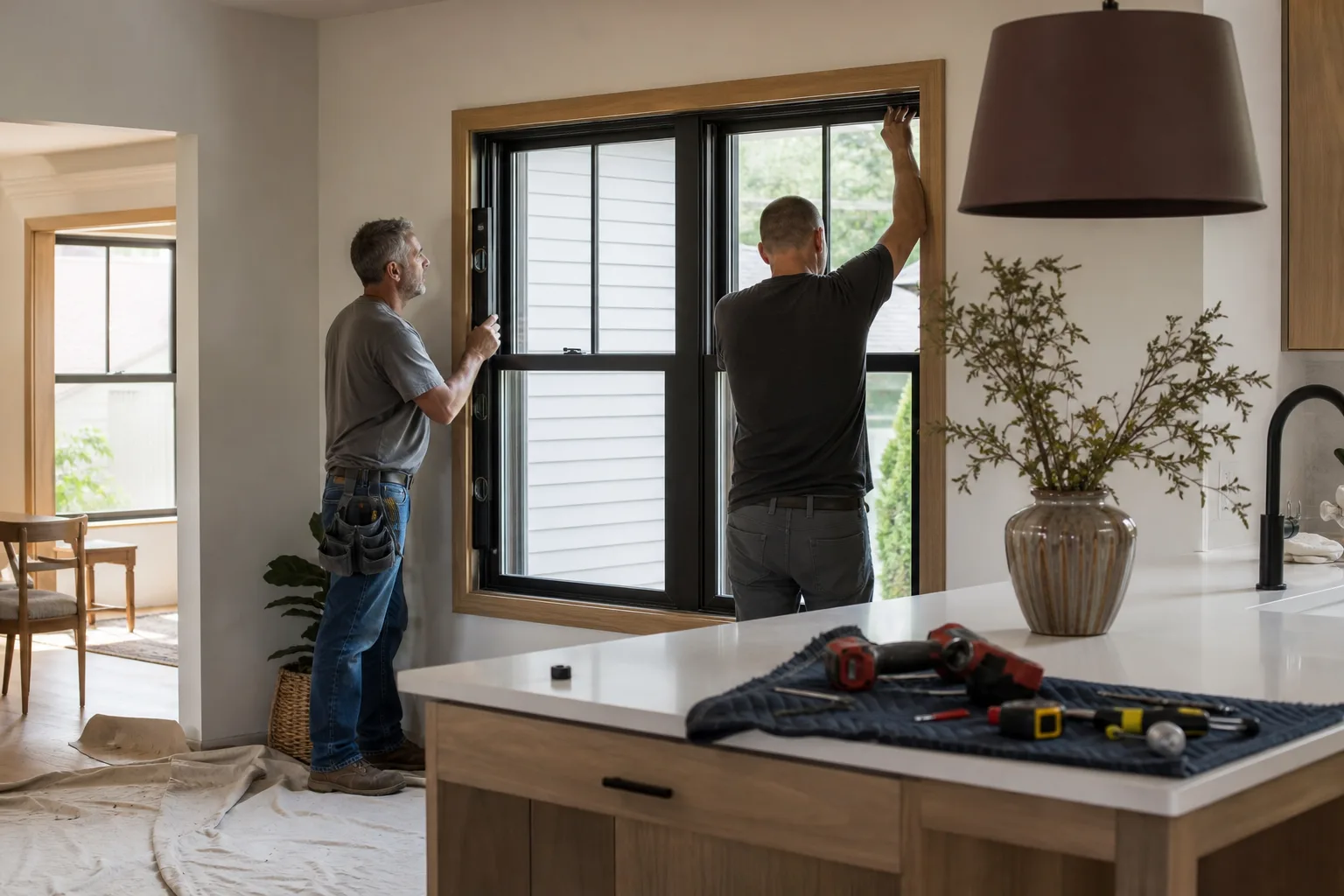
Window and door failure isn’t sudden; it’s a bill you defer until it comes due at full price. The schedule in this guide turns a looming replacement into a stack of small, cheap tasks tied to specific months. Lubricate in spring, inspect seals in summer, test weatherstripping in fall, adjust thresholds in winter, and clear weep holes before every rain. In Orange, add a pass after each Santa Ana wind event. Keep your documentation, follow the material-specific rules for aluminum, vinyl, and wood-clad frames, and call a professional the moment a problem moves beyond cleaning and caulking. Under Clause 1, the price is written before anyone starts, and our Free Second Opinion reviews any competitor’s written estimate line by line at no charge.
Ready to get a written price? Call (844) 320-7508 for a free estimate and let our team put the number on paper before any work begins.
Written by the team at Rowan Construction Group Orange.